
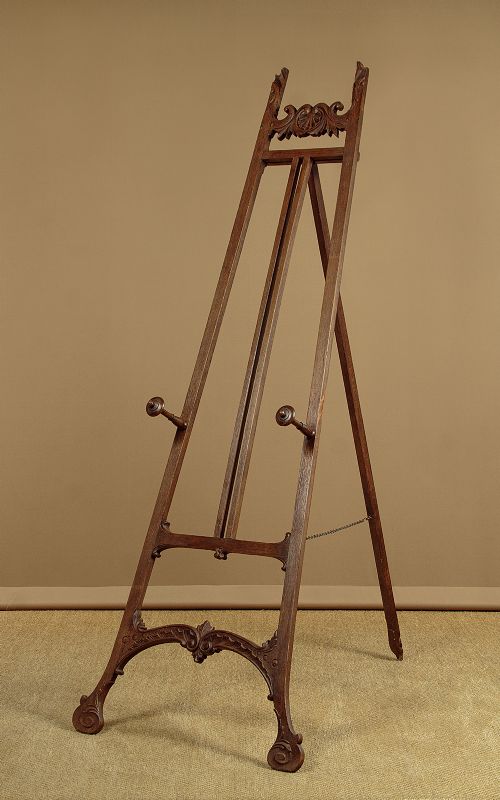


Dark Wooden Framed Painting
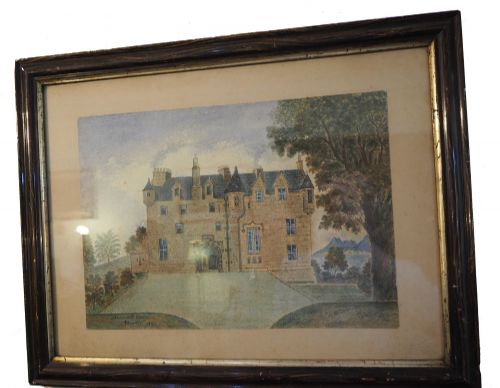
Dark wooden framed painting describes oil paintings, watercolours, and panels housed in heavy timber surrounds.
Dark Wooden Framed Painting
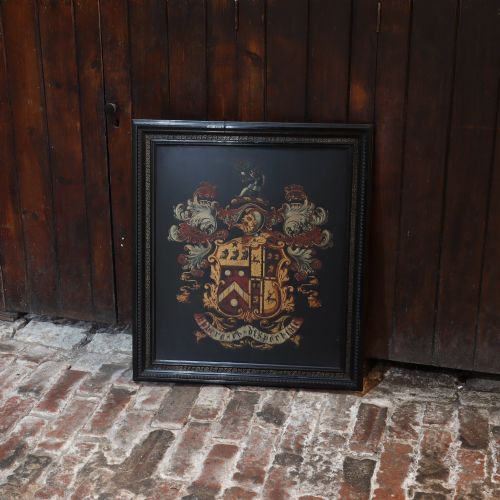
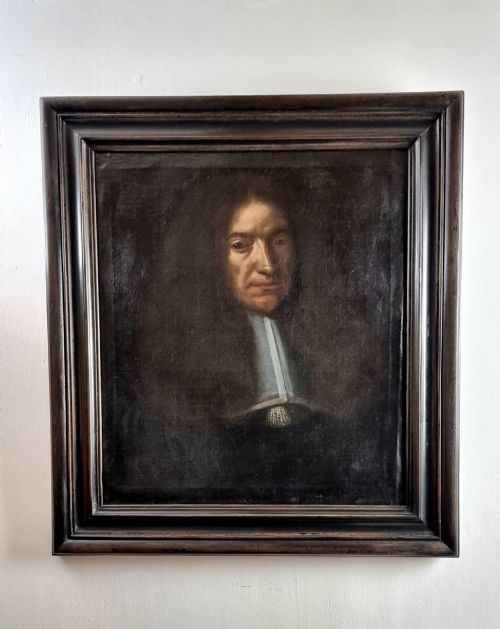
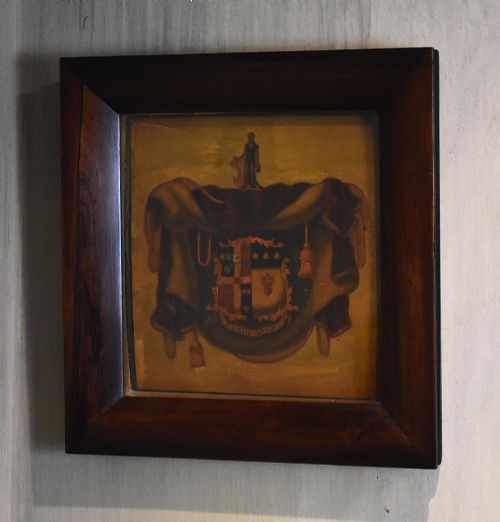
A dark wooden framed painting brings together oil paintings, watercolours, and panels set within timber surrounds across periods from the seventeenth century through to the twentieth century. These pieces encompass portraits, maritime scenes, and heraldic panels framed in oak, mahogany, and painted wood.
Origins stretch from British and Scottish workshops to French, Catalan, and Mughal schools. Each piece relies on the weight of its dark timber frame to anchor the composition, whether the medium is oil on canvas, oil on board, or gouache.
Materials and construction
The physical build of these pieces relies on traditional carpentry and fine art materials. Canvases, wooden panels, and heavy card support paint layers in oil, gouache, and watercolour.
Frames are constructed from sturdy timbers such as oak, mahogany, and painted wood, joined to withstand decades of display. Glass is frequently fitted to protect delicate watercolours and miniatures within their wooden housings.
Among the portraits of judges and gentlemen, a naive nineteenth-century painting captures a gentleman proudly showing off his wooden leg.
Evaluating quality and execution
Quality rests in the handling of the paint medium and the joinery of the timber surround. Superior works demonstrate confident brushwork, whether in the detailed portraiture of a gentleman or the fluid execution of a coastal scene.
The relationship between the artwork and its frame dictates the overall integrity of the piece. Hand-carved timber mouldings that complement the age and subject of the painting elevate the standard of the entire object.
W Williams·William Williams·William Tate·Joseph Wright of Derby·William Woodhouse·William Orpen
The Dark Wooden Framed Painting Glossary
- Oil on canvas
- Pigment suspended in a drying oil applied to a stretched woven fabric support. This combination allows for rich colour depth and varied surface texture.
- Gouache
- An opaque water-based paint medium consisting of pigment, water, and a binding agent such as gum arabic. It produces a flat, matte finish visible in works from the Mughal school.
- Panel painting
- A painting executed on a flat piece of wood, such as oak or pine, rather than canvas. These rigid supports were common in earlier periods.
- Watercolour
- A painting method in which the paints are made of pigments suspended in a water-based solution. These works are typically mounted behind glass to prevent moisture damage.
- Miniature
- A small-scale portrait or painting executed with fine detail. These pieces often appear in tightly enclosed frames or cushion surrounds.
Dark Wooden Framed Painting: Frequently Asked Questions
How do I date a dark wooden framed painting?
Dating relies on examining the timber of the frame, the backing materials, and the style of the brushwork. Earlier pieces from the seventeenth and eighteenth centuries often utilise heavy oak or pine panels.
Later Victorian and Edwardian works show machine-cut joins and different canvas preparations. Inscriptions or labels on the reverse also provide clues to the exact period.
What is the difference between canvas and panel paintings?
Canvas paintings utilise a woven fabric stretched across a wooden frame, allowing for flexibility and larger compositions. Panel paintings use a solid piece of wood, such as oak or pine, as the rigid base for the pigment.
Panels are more frequently encountered in earlier centuries, whilst canvas becomes common from the Georgian period onward.
How should I hang and care for these pieces?
These works require stable environmental conditions away from direct sunlight and sudden temperature shifts. Heavy wooden frames need secure wall fixings suited to the weight of the timber.
Keep the glass and wooden mouldings clean with a dry, soft cloth, avoiding liquid cleaners on the painted surfaces.
Are all the frames original to the paintings?
Many pieces retain their period frames, which have protected the artwork for centuries. Over long periods, some frames are replaced or repaired to match the prevailing style of an era.
Checking the fit at the back of the painting helps determine the relationship between the artwork and its surround.