
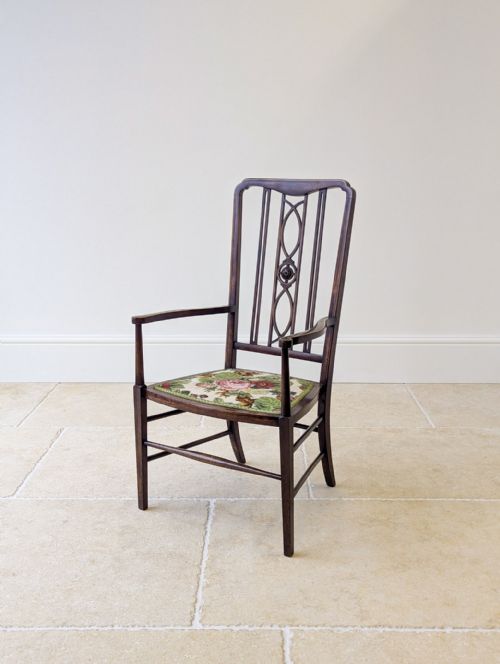
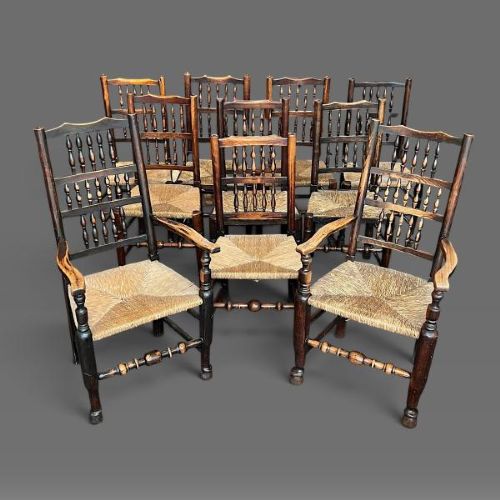
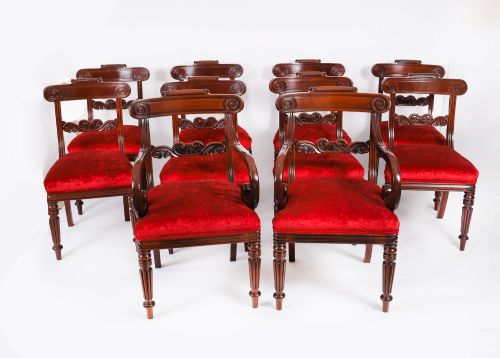
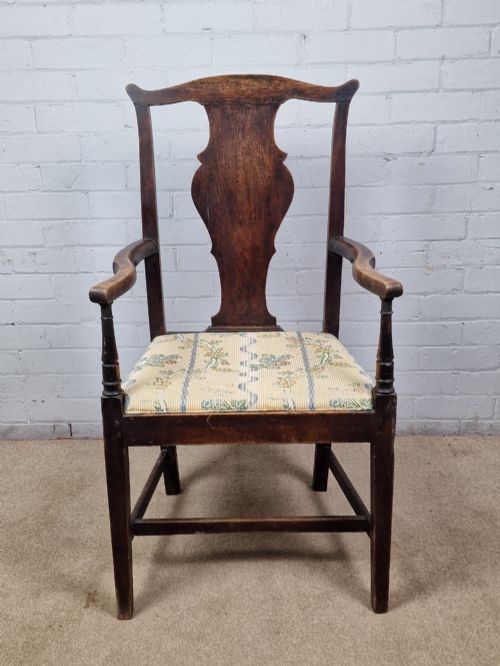
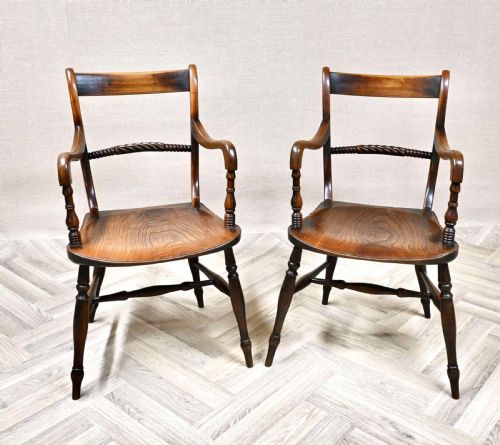

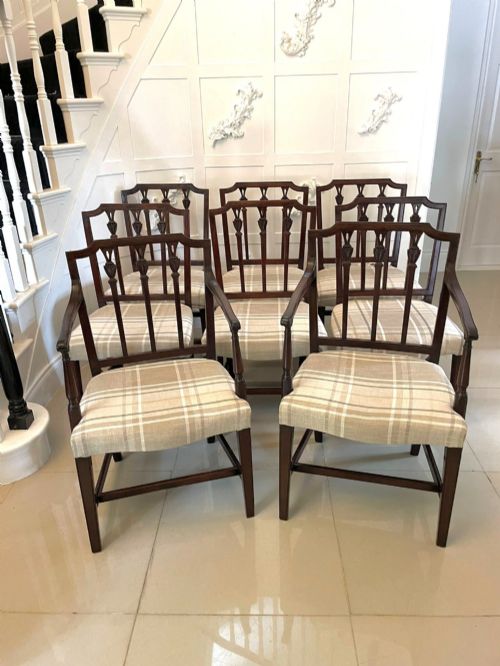
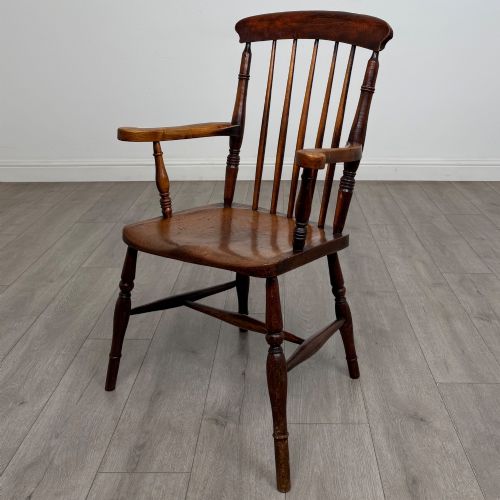
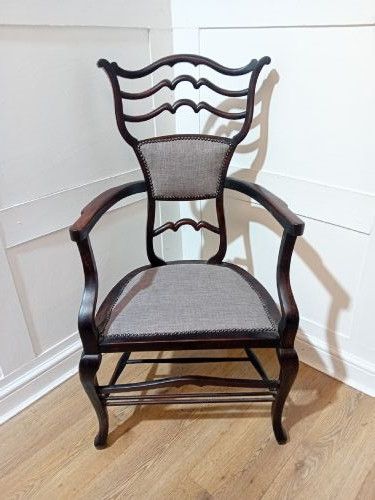
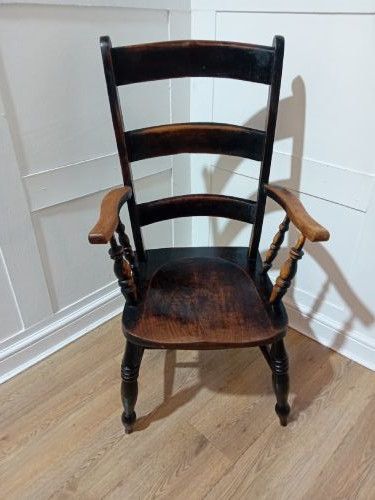
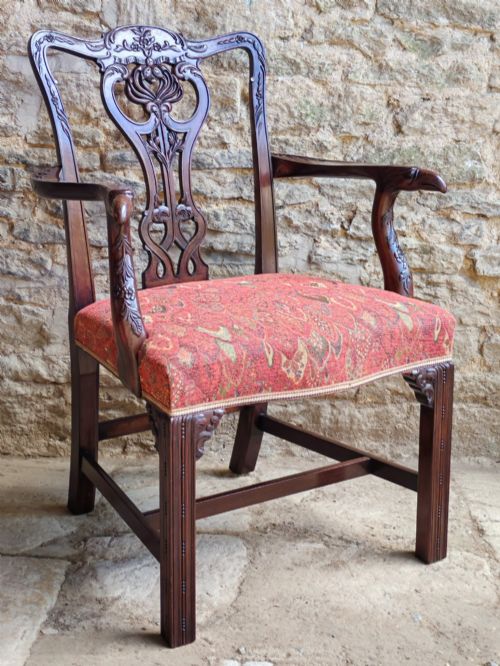

Dark Wooden Carver Chair
A dark wooden carver chair brings sturdy warmth and traditional craft to a room, offering both practical seating and strong period character.
Dark Wooden Carver Chair
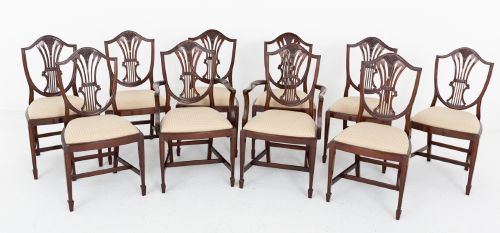
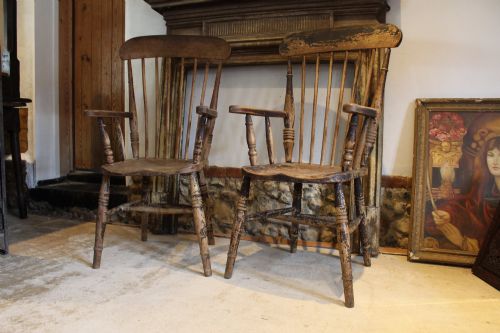
A dark wooden carver chair encompasses a wide variety of armchairs and dining chairs spanning the eighteenth, nineteenth, and early twentieth centuries. These seats appear in formal dining styles as well as vernacular country forms.
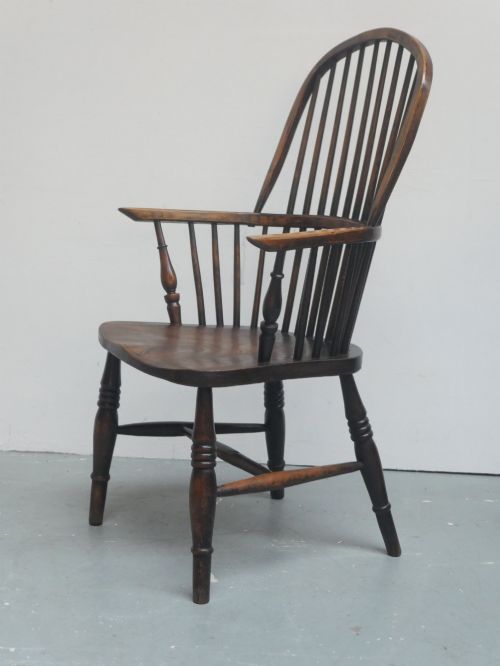
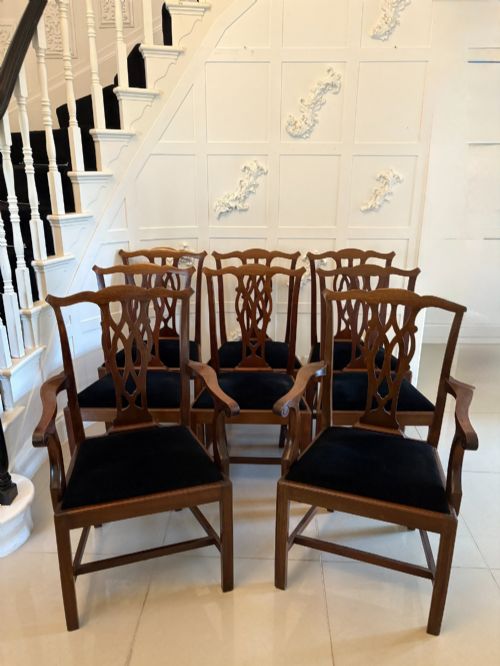
The most common examples encountered here are robust Windsor and farmhouse armchairs alongside formal mahogany dining chairs. These pieces originate from regional English traditions and major stylistic periods including Georgian, Regency, and Victorian.
Makers utilised resilient local timbers to build sturdy armchairs intended for daily use in kitchens, parlours, and dining rooms. The selection ranges from simple stick-back designs to elaborate Chippendale and Hepplewhite revival forms.
How they were made
Cabinet makers and vernacular craftsmen built these chairs using a combination of hardwoods and softwoods such as mahogany, oak, elm, ash, beech, and walnut. Timbers were selected for strength and grain pattern, with dense woods utilised for structural frames and turned components.
Construction techniques varied according to purpose, utilising traditional joinery for formal dining chairs and pegged or wedged joints for vernacular Windsor armchairs. Seats were frequently carved from solid timber or fitted with woven rush and upholstery fabric.
What varies in quality
Quality in a dark wooden carver chair rests upon the selection of timber and the precision of the construction. Superior examples display dense, well-figured wood with crisp carving or well-turned spindles that remain rigid through centuries of use.
The integrity of the original finish and the retention of authentic structural components distinguish finer pieces from heavily restored or lesser vernacular items. Subtle details in the arm scrolls, leg turnings, and back splats elevate a chair from a simple utility seat to a notable example of period design.
Howard and Sons·Philip Clissett
The Dark Wooden Carver Chair Glossary
- Carver chair
- An armchair, typically standing at the head of a dining table or serving as a parlour seat.
- Windsor
- A traditional wooden chair featuring a solid carved wooden seat into which the legs and back spindles are directly wedged.
- Barback
- A chair design featuring a horizontal wooden slat across the upper backrest, often associated with nineteenth-century farmhouse seating.
- Rush seat
- A seating surface woven from dried marsh grass, commonly found on vernacular and Arts and Crafts chairs.
- Chippendale
- An eighteenth-century style named after Thomas Chippendale, characterised by elaborate pierced splats and graceful cabriole legs.
Dark Wooden Carver Chair: Frequently Asked Questions
What is a carver chair?
A carver chair is an armchair designed to match a set of dining chairs, traditionally placed at the head of the dining table.
These chairs feature supportive armrests integrated into the frame, providing a more substantial seat than standard side chairs.
How do I identify a Windsor chair?
A Windsor chair is characterised by a heavy solid wooden seat that acts as the central anchor for all other components.
Legs and back spindles are tenoned directly into drilled holes in the seat slab, creating a sturdy and distinctive construction.
Are these chairs comfortable for daily use?
Many of these period armchairs offer surprisingly comfortable seating due to ergonomically scooped wooden seats and supportive high backs.
Adding a loose cushion can further adapt firmer antique wooden seats for contemporary daily lounging.
How do I tell an 18th-century chair from a 19th-century copy?
Eighteenth-century chairs often display hand-cut joinery marks, native timber shrinkage, and subtle asymmetries typical of manual workshop production.
Nineteenth-century revival pieces tend to utilise more standardised machine-cut components and show different patination patterns on the wood surface.