
Dark Wood Storage Drawers
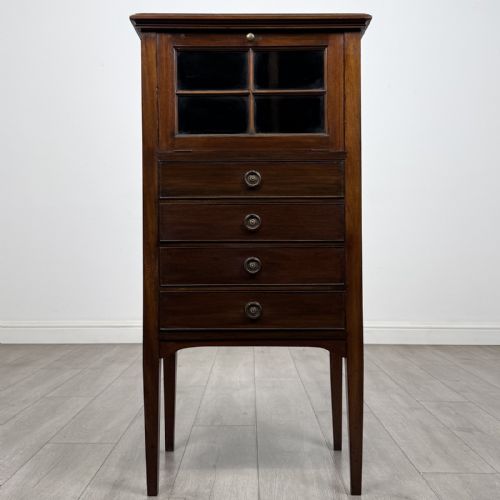
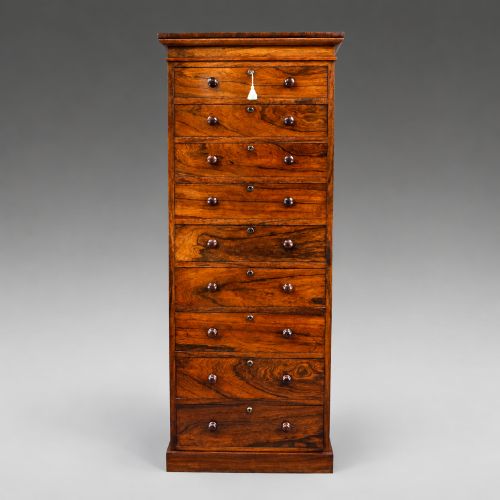
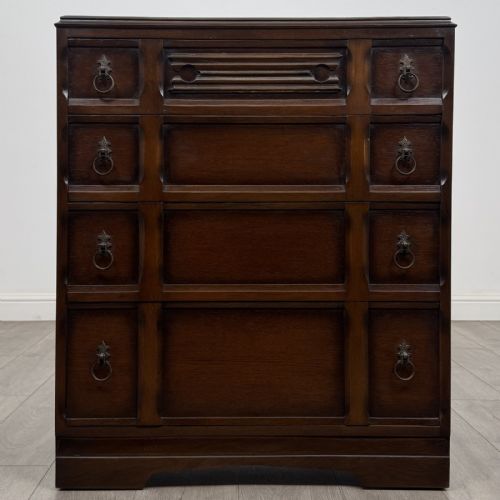
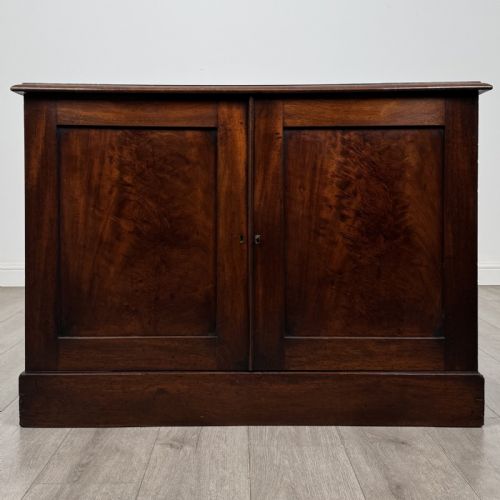
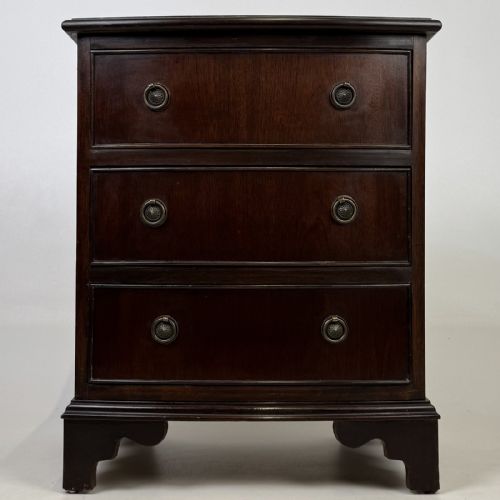
Dark wood storage drawers bring practical warmth into a room, offering deep compartments shaped by Georgian, Victorian and Edwardian hands.
Dark Wood Storage Drawers
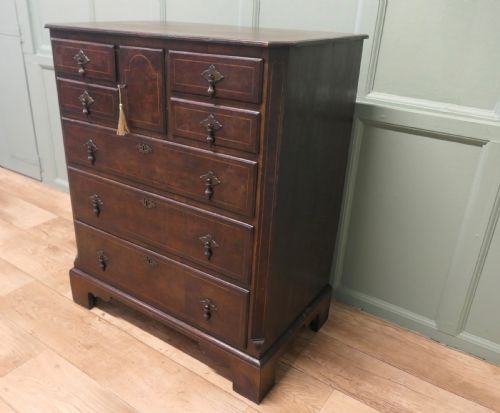
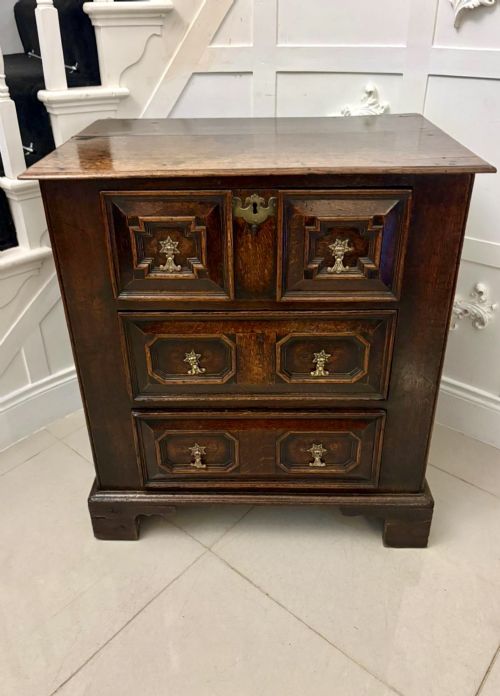
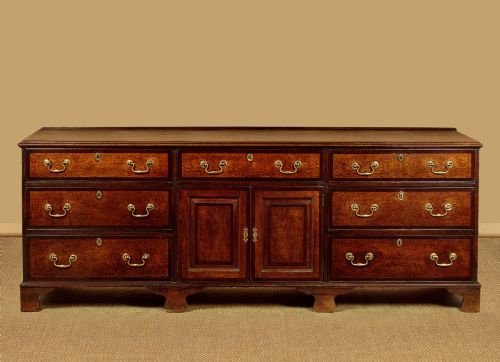
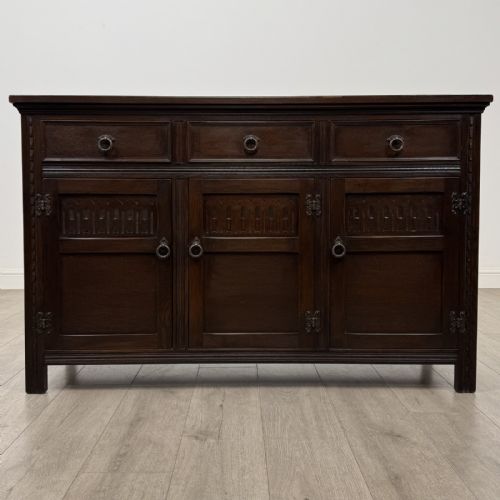
When you search for dark wood storage drawers, you encounter a lineage spanning the 17th century through the Edwardian era, predominantly featuring mahogany and oak. Chests of drawers dominate the selection, alongside tallboys, mule chests, sideboards, and miniature apprentice pieces.
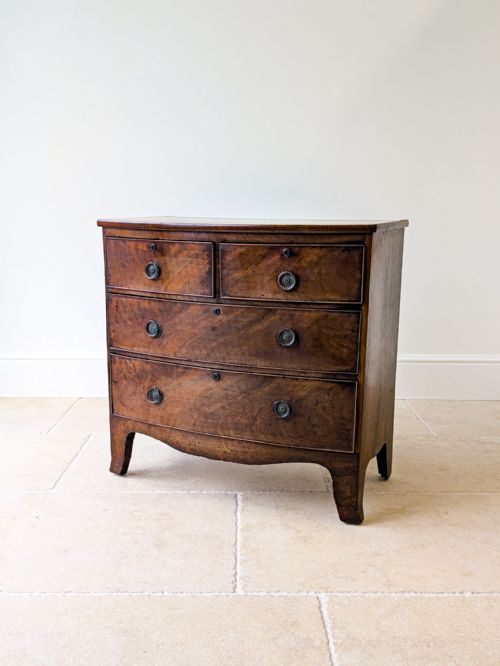
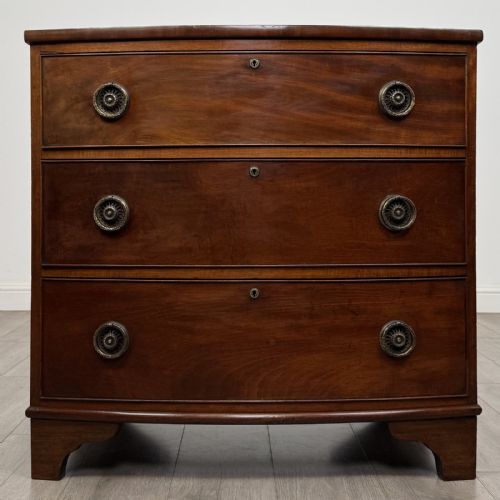
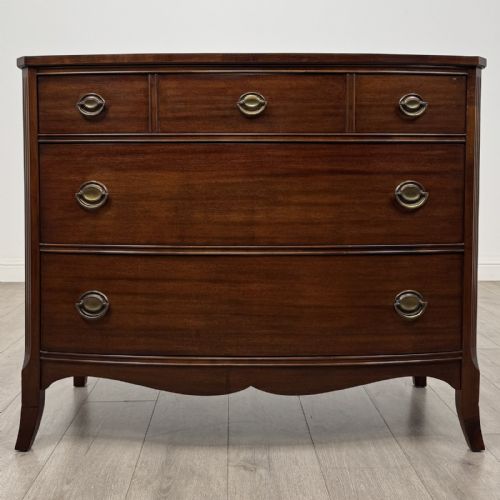
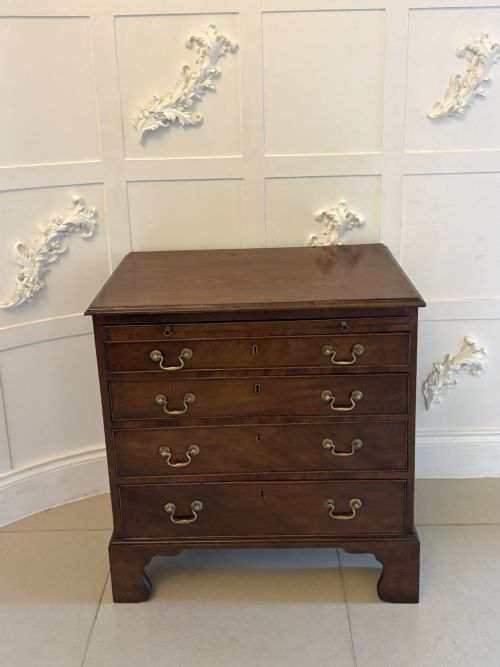
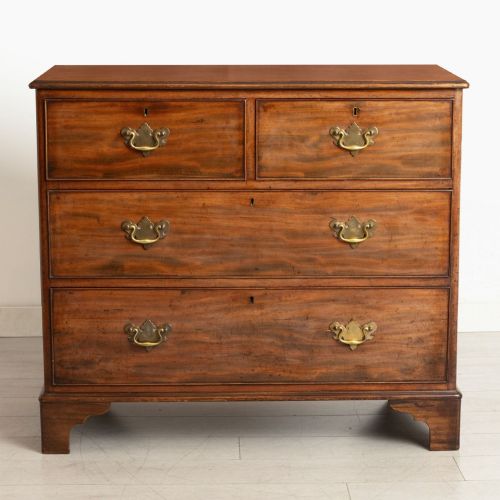
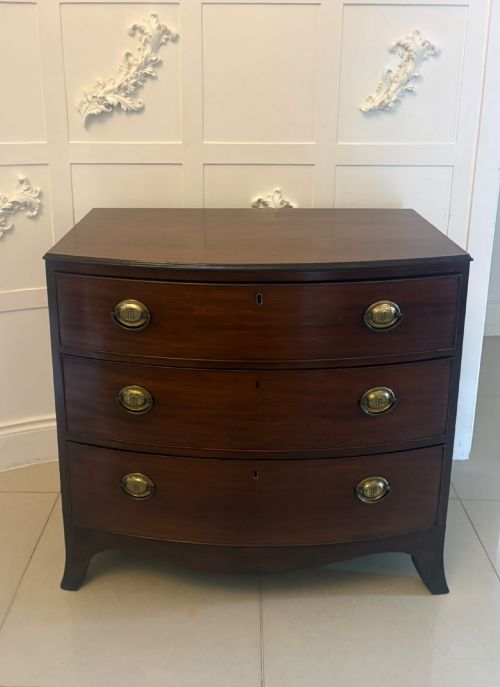
The version most likely to meet you on this page is the mahogany chest of drawers from the Georgian or Victorian periods, often styled with a bow front or configured as a tall chest on chest. These forms served utilitarian domestic storage needs with robust timber frames and graduated drawer tiers.
Materials and construction
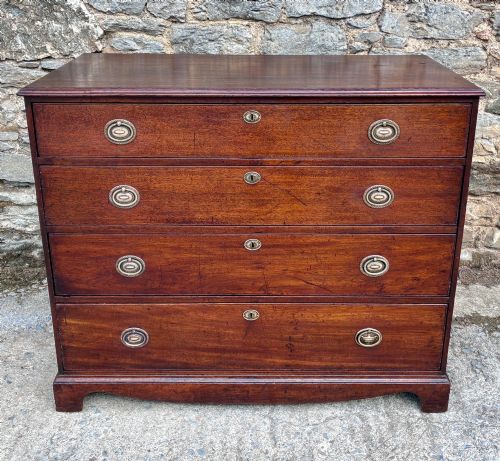
Makers relied heavily on solid mahogany and oak, frequently utilising figured mahogany veneers and satinwood banding to create rich surface grain patterns on drawer fronts and top panels. Pine often served as a secondary timber for internal drawer linings and carcass backs.
Brass hardware, including swing handles and escutcheons, punctuate the dark timber surfaces, whilst tongue-and-groove joinery secures backboards and structural divisions within the carcases.
Object forms on this page include miniature apprentice chests, tallboys, mule chests, bookcases, and sideboards.
Evaluating craftsmanship and condition
Quality separates pieces through the precision of drawer construction, the selection of figured timber veneers, and the integrity of the original brass handles and turned feet. Superior examples retain crisp carved detailing, smooth drawer gliding, and minimal timber shrinkage over centuries.
Lesser pieces show crude timber replacements, lifted veneers, or unsympathetic modern hardware alterations that disrupt the visual harmony of the original dark wood surface.
Whytock and Reid·T and G Seddon
The Dark Wood Storage Drawers Glossary
- Brushing slide
- A pull-out shelf integrated above the top drawer, traditionally used for folding linen or writing correspondence. It sits discreetly behind the main frame until drawn.
- Chest on chest
- A tall storage unit comprising a smaller chest stacked directly on top of a larger base chest, also known as a tallboy. This form maximises vertical storage capacity.
- Bow front
- A convex curved cabinet or drawer front that swells outward in the centre. This styling became particularly popular during the Regency and late Georgian periods.
- Mule chest
- A traditional storage chest featuring one or two drawers fitted beneath the main lidded compartment. It bridges the design gap between a basic coffer and a full chest of drawers.
- Ebonised wood
- Timber treated with a chemical stain or finish to imitate expensive ebony. It appears frequently on decorative mouldings and architectural details.
Dark Wood Storage Drawers: Frequently Asked Questions
What is a brushing slide used for?
A brushing slide provides a temporary horizontal surface positioned just above the top drawers of a chest. It allowed historical users to inspect garments or write notes without needing a separate table.
Over time, these pull-out boards became a hallmark of refined Georgian case furniture. They operate smoothly within dedicated grooves beneath the top moulding.
How do I identify a Georgian chest?
Georgian chests typically feature dense mahogany timbers, hand-cut dovetail joints on the drawer sides, and understated bracket feet or ogee feet. Proportions remain balanced and functional.
Later Victorian interpretations often incorporate flame mahogany veneers and slightly heavier turned feet. Examining the internal secondary timbers helps confirm the earlier manufacturing period.
Are these drawers suitable for daily use?
These storage pieces were originally built to hold heavy textiles and personal items using solid hardwoods and robust joinery. Their internal drawer volumes remain practical for modern clothing organisation.
Careful placement away from direct heat sources protects the antique wood and historical veneer surfaces from drying out. Regular gentle polishing preserves the rich dark patina.