
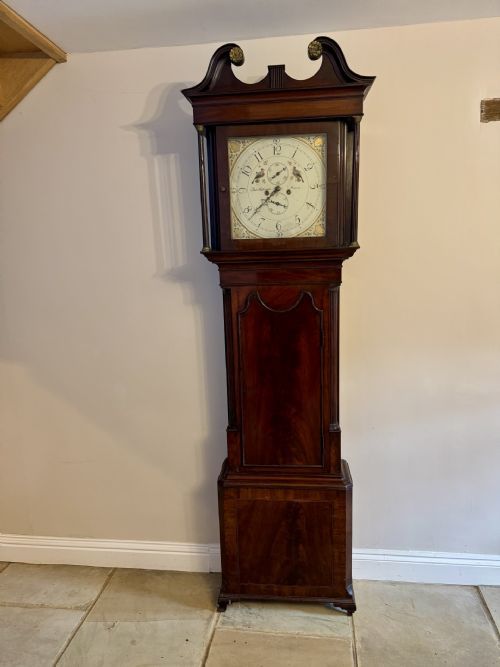

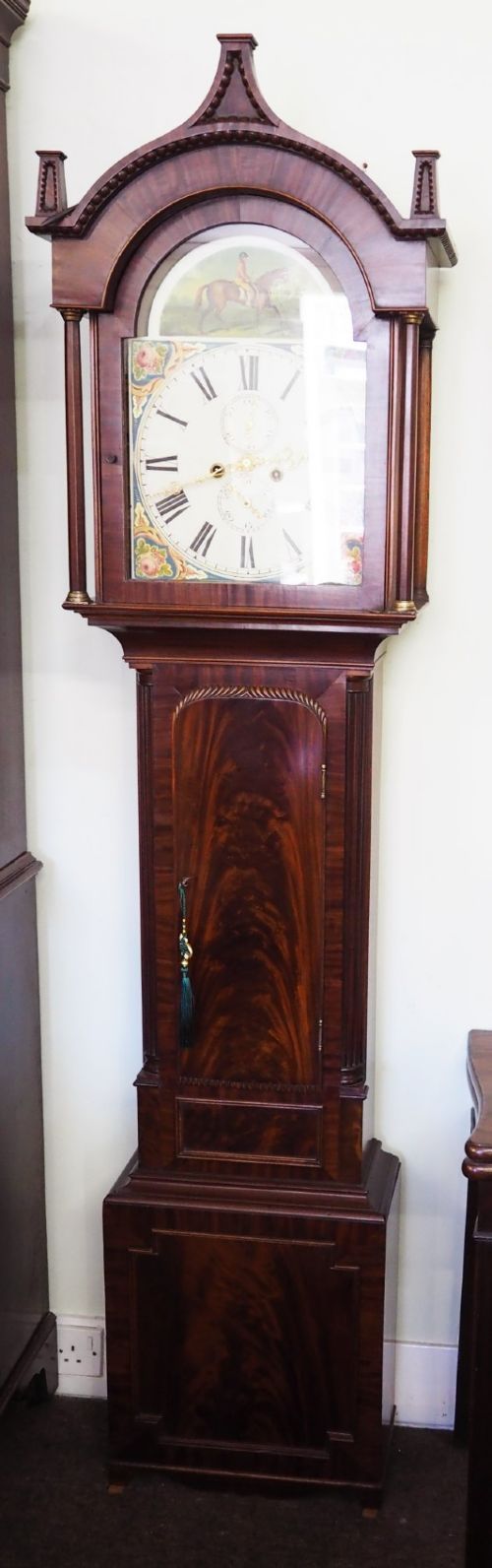


Dark Wood Standing Clock
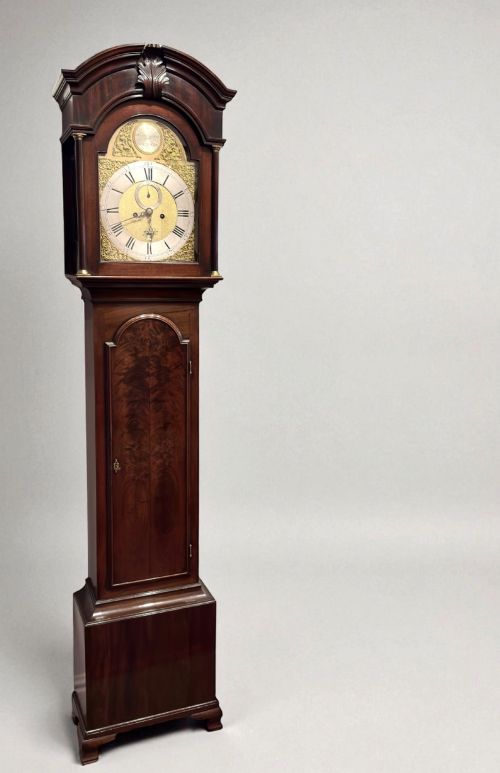
A dark wood standing clock brings architectural height and mechanical rhythm to a room, anchoring the interior with centuries of practical engineering.
Dark Wood Standing Clock
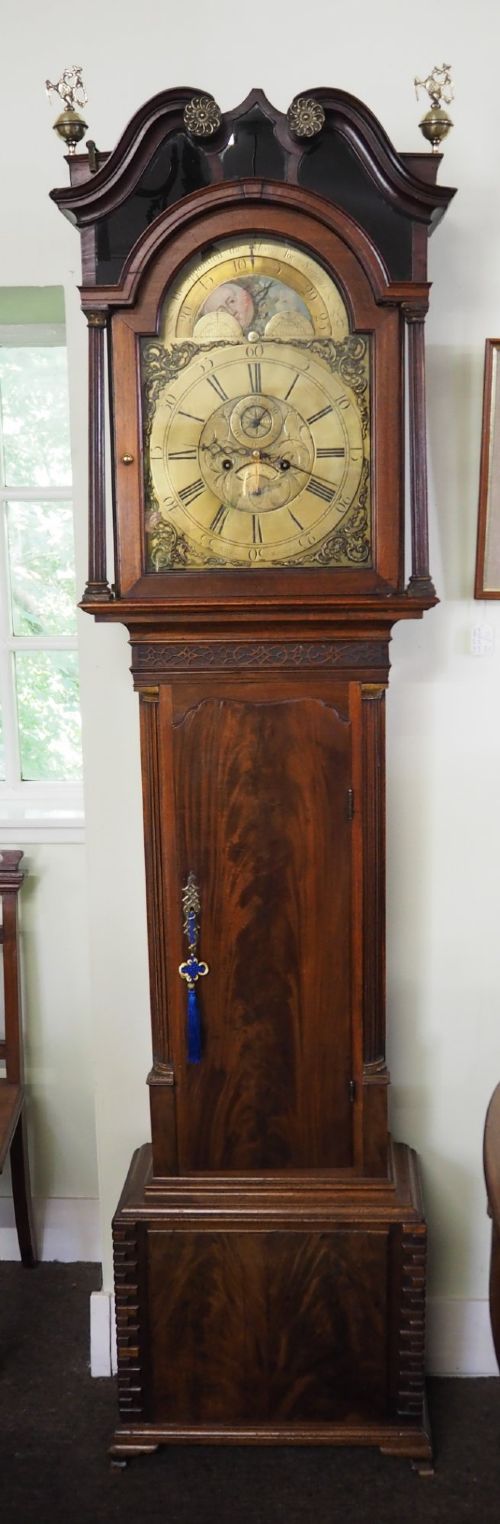
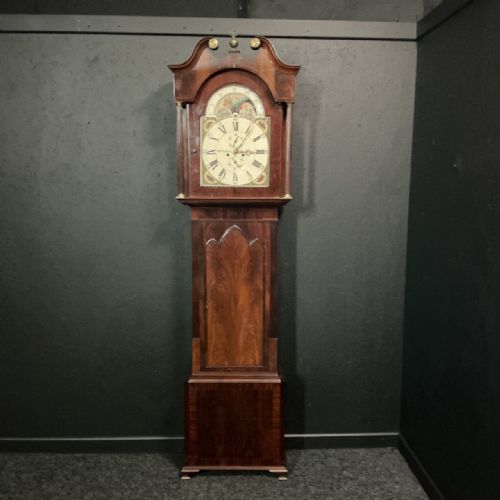
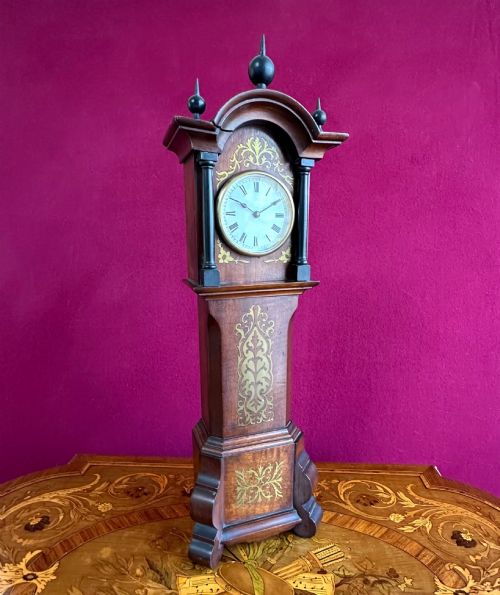
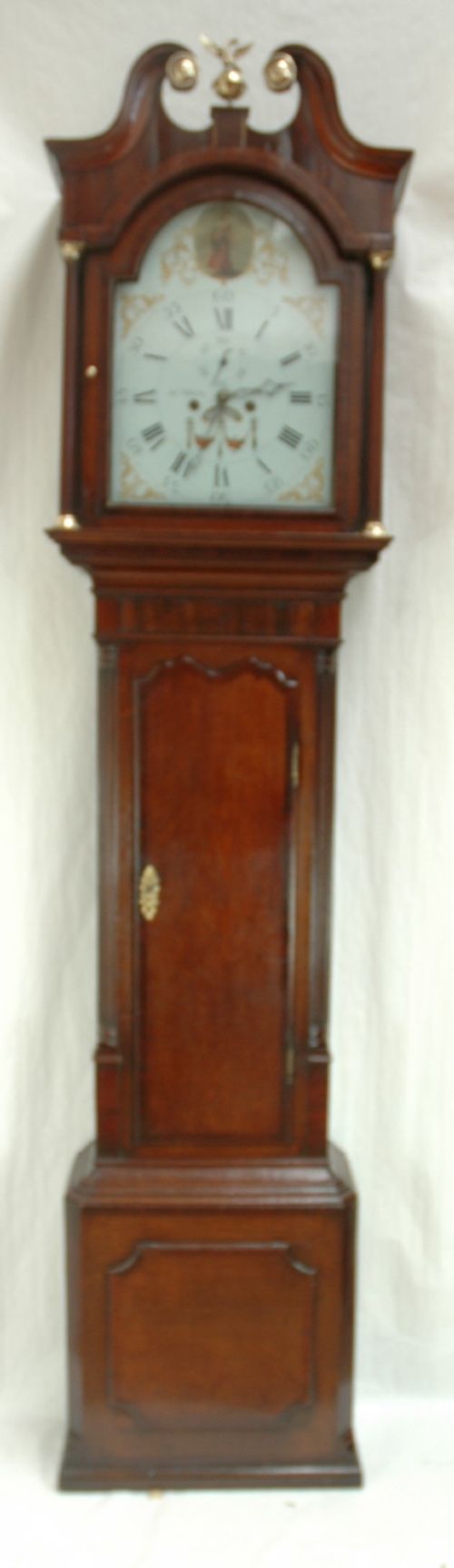
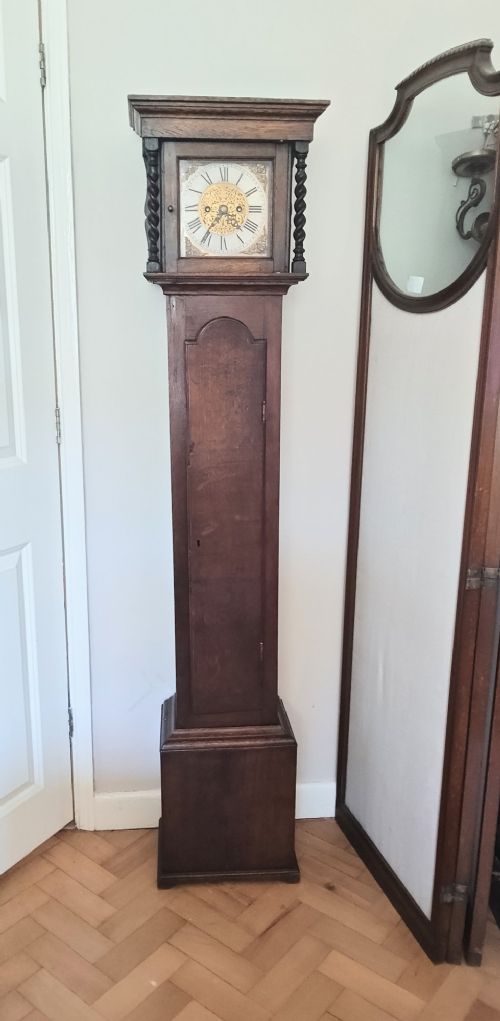
A dark wood standing clock encompasses tall floor-standing timepieces, most frequently encountered as longcase clocks, grandfather clocks, and smaller grandmother variations dating from the eighteenth and nineteenth centuries.
The selection ranges from regional Scottish and English Georgian examples to later Victorian and Edwardian interpretations, spanning materials from rich flame mahogany to substantial oak.
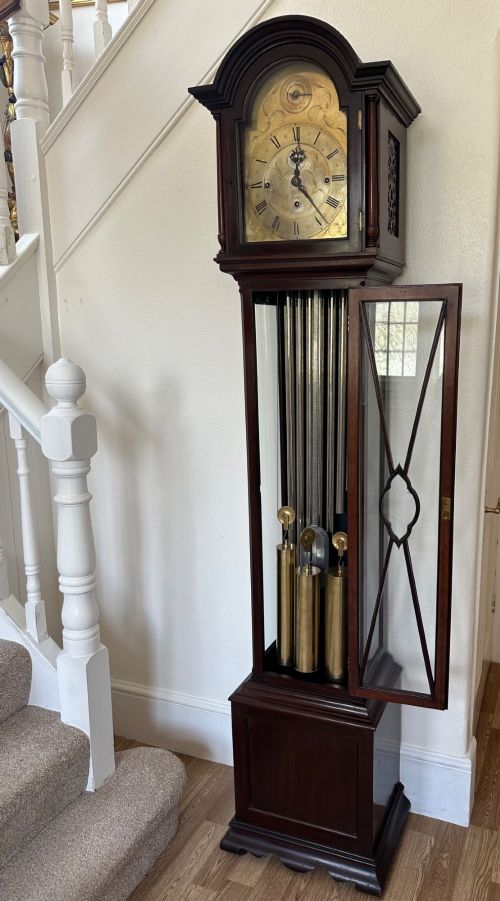
Buyers inspect these tall cases for their proportions, dial movements such as moon rollers and painted iron faces, and the integration of chiming or musical mechanisms.
Materials and Construction
Cabinet makers constructed these tall cases primarily using solid and veneered timbers including mahogany, flame mahogany, walnut, and oak, often incorporating intricate inlay work and carved details.
Dial faces combined brass, silvered metal, and painted iron, driven by weight-powered mechanical movements designed by regional and metropolitan clockmakers.
Cabinet styles span the robust geometry of Georgian oak through to refined Edwardian proportions and Jacobean revival carving.
Judging Quality
Quality rests in the harmony between the cabinetwork and the mechanical movement, distinguishing standard production from pieces bearing signed dials and complex moonphase or musical complications.
The integrity of the timber, the crispness of any carved or inlaid decoration, and the precision of the brass and iron internal components determine the standing of each piece.
Gordon of Aberdeen·Edward Shepley of Manchester·Thwaites London·John Denbigh Merton Park·Francis Perigal of Bond Street·John Breakenrig·Richard Alexander Devizes·John Salmon Nantwich·Lister and Sons·Thomas Dean of Leigh
The Dark Wood Standing Clock Glossary
- Longcase clock
- A tall, floor-standing timekeeper enclosed in a wooden case with a pendulum and weights suspended inside the trunk. This is the formal term for a grandfather clock.
- Moon roller
- A secondary dial mechanism that tracks the phases of the lunar cycle behind an arched opening on the clock face. It adds both technical complexity and visual movement to the dial.
- Grandmother clock
- A smaller, more compact version of the traditional longcase clock, typically produced during the twentieth century. It offers the mechanical presence of a taller standing clock in reduced proportions.
- Regulator clock
- A high-precision timekeeper designed for exceptional accuracy, often featuring a simplified dial and a heavy pendulum for timekeeping calibration. These movements represent the height of mechanical reliability.
Dark Wood Standing Clock: Frequently Asked Questions
How do I wind a dark wood standing clock?
Winding requires using a specific key to draw up the weights or tension the springs inside the trunk, depending on the eight-day or thirty-hour movement.
Care must be taken not to overwind the mechanism, ensuring the pendulum remains undisturbed during the process.
What is the difference between a grandfather and grandmother clock?
Grandfather clocks are standard full-sized longcase timepieces dating mainly from the Georgian and Victorian eras, possessing considerable height and presence.
Grandmother clocks are smaller twentieth-century iterations designed for lower ceiling heights and tighter room proportions.
How do I date a longcase clock?
Dating relies on stylistic clues in the wooden case, such as the transition from oak to mahogany and the evolution of hood pillars and dial arches.
Signatures on the brass or painted iron dial often link the piece to recorded regional makers and working dates.
Where should I place a standing clock in my home?
These clocks require a stable, level floor surface against a solid interior wall to ensure the pendulum swings evenly without interference.
Placing them away from direct sunlight and damp exterior walls protects the antique wood and sensitive internal brass gearing.