
Dark Wood Side Desk
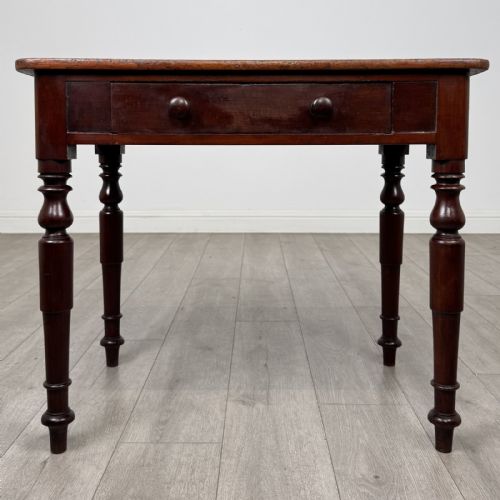
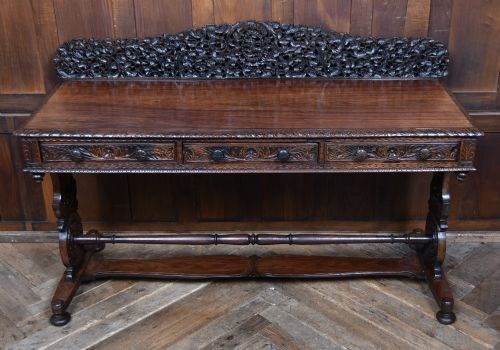
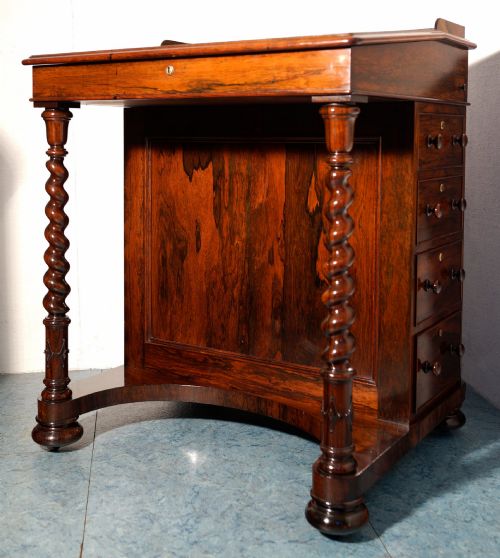
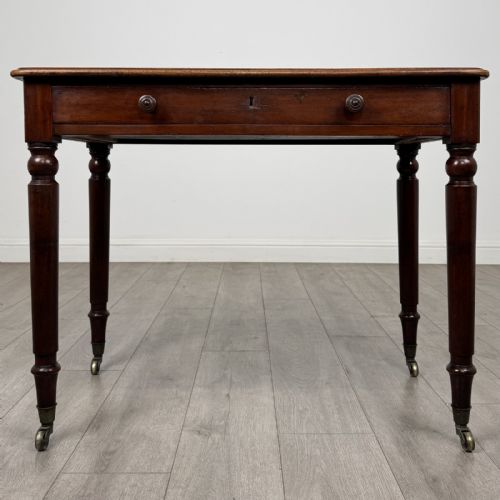
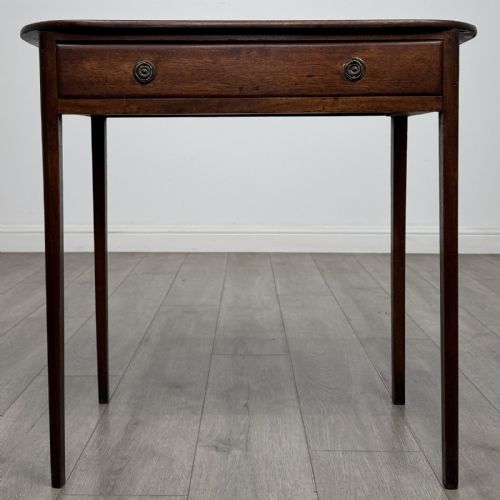
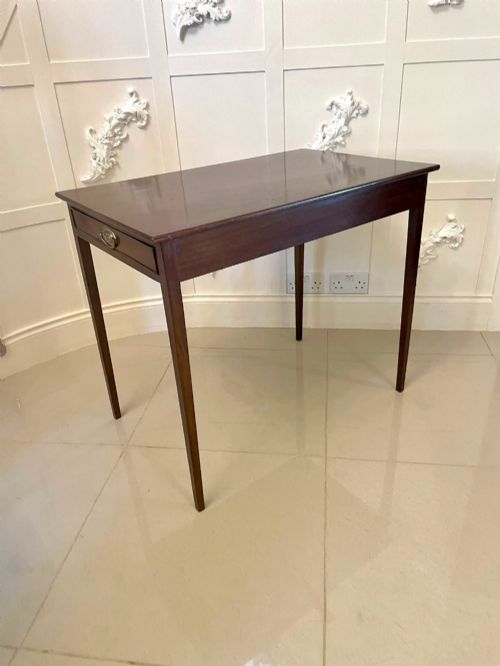
These pieces for dark wood side desk searches encompass compact writing tables and functional side furniture from Georgian to Edwardian periods.
Dark Wood Side Desk
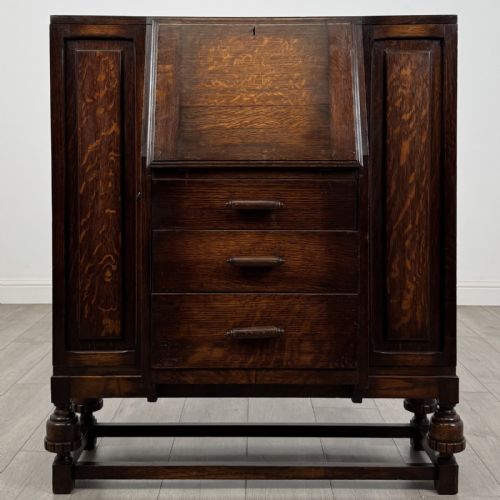
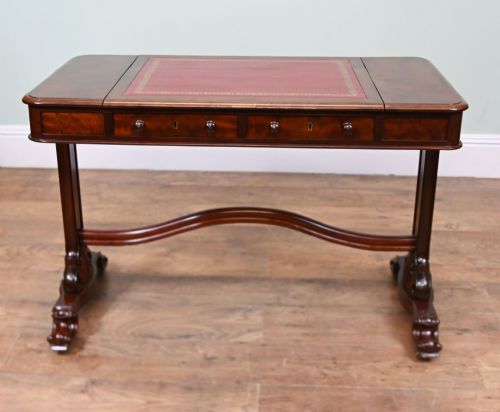
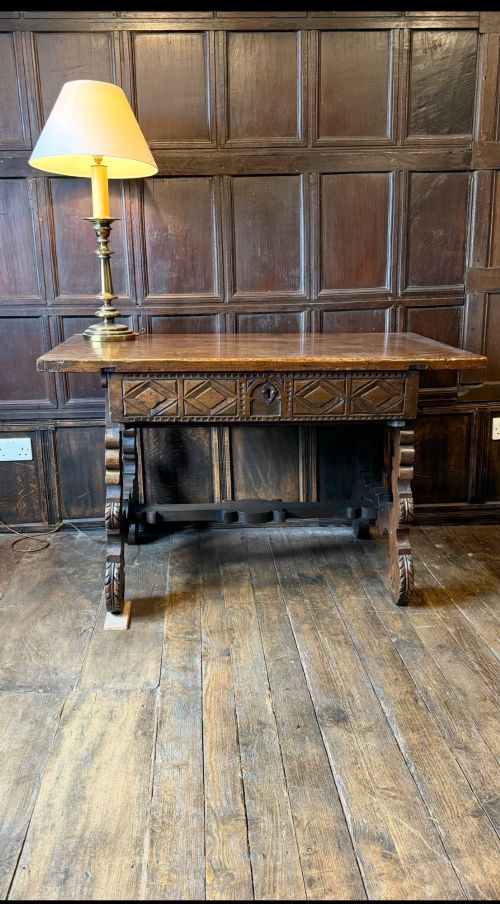
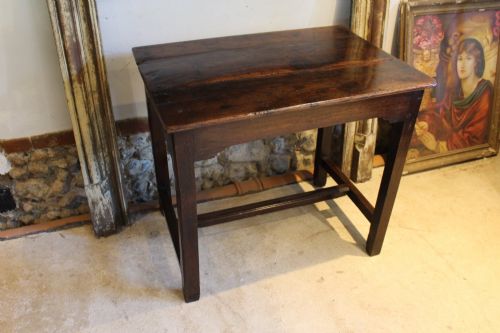
A dark wood side desk combines the compact footprint of a side table with the utilitarian surface of a writing desk. You will frequently encounter Georgian, Regency and Victorian examples designed for domestic studies, bedrooms or reception rooms.
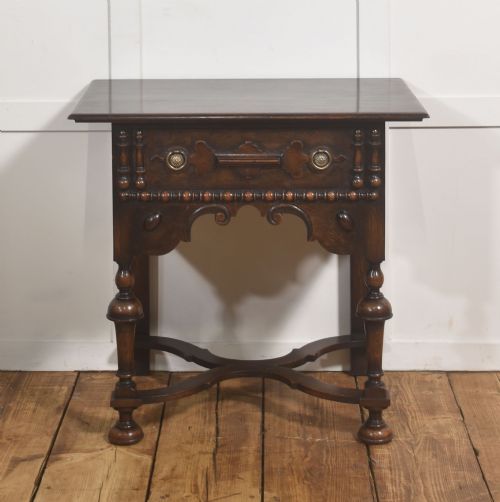
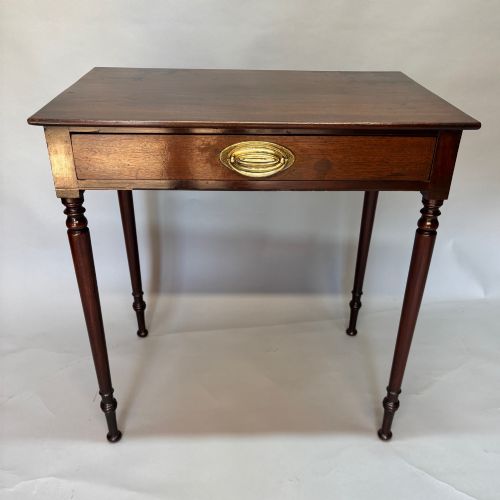
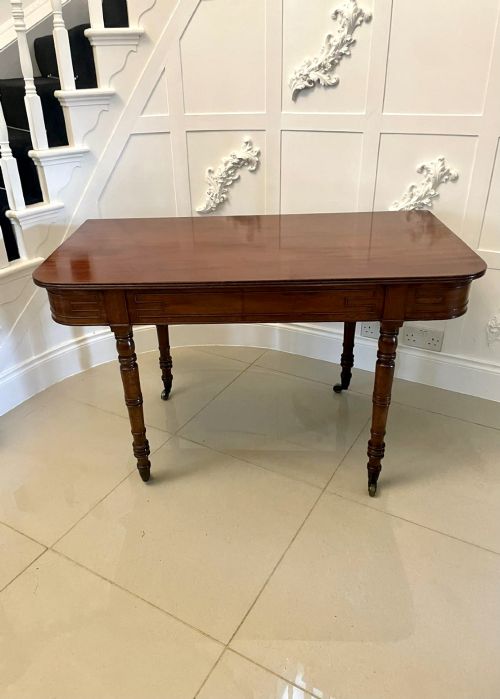
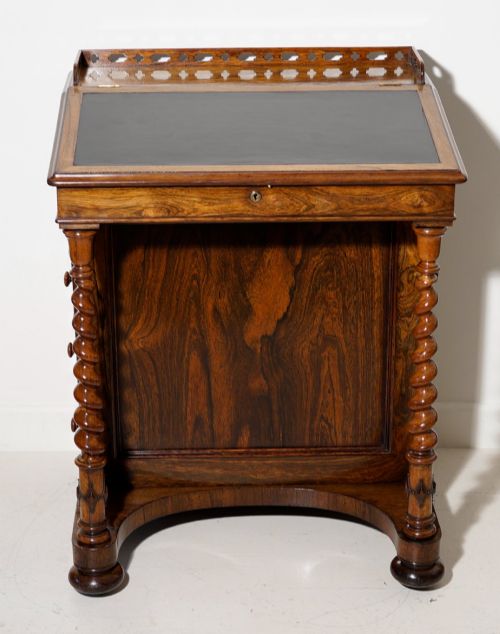
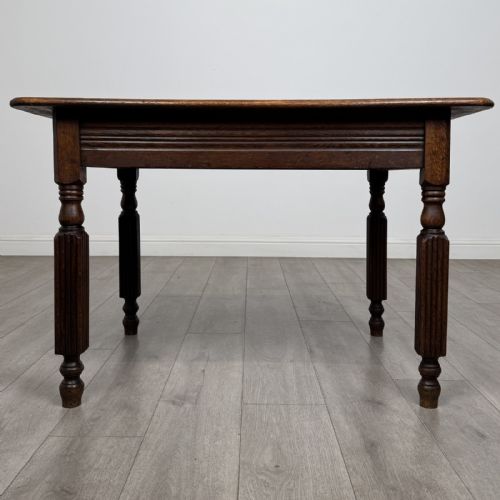
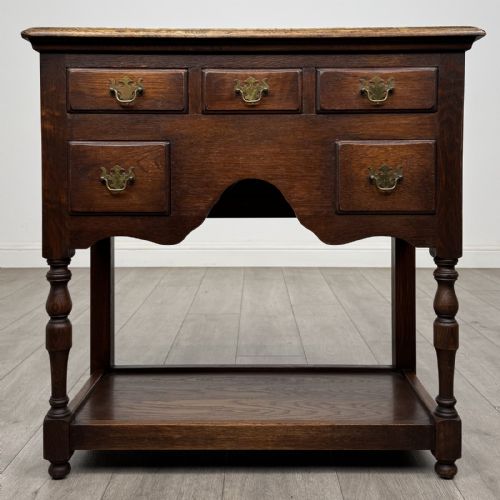
The selection ranges from oak lowboys and mahogany writing tables to rosewood sofa tables and Edwardian inlaid pieces. These items served diverse writing, dressing and display purposes in period homes.
Makers and workshops of the eighteenth and nineteenth centuries utilised rich timbers to construct these functional surfaces. Many incorporate drawers, brass handles and turned or tapered legs suited to smaller spaces.
Materials and construction
Cabinet makers relied heavily on dense hardwoods such as mahogany, oak, walnut and rosewood for structural integrity and rich grain patterns. Secondary timbers like beech or elm often appear in internal framing and drawer linings.
Joinery techniques included dovetailing for drawer construction and precise mortise and tenon joints for frames. Brass mounts, castors and handles provided functional accents and mobility to larger writing tables.
Listings feature pieces spanning the Georgian, Regency, Victorian, and Edwardian eras, constructed in mahogany, oak, rosewood, and yew.
Assessing quality and finish
Superior examples demonstrate careful timber selection, ensuring figured mahogany or quarter-sawn oak veneers match symmetrically across the writing surface and drawer fronts. Poorer execution shows mismatched grain or crude secondary timber replacements.
Original brass hardware, neat dovetail joints and crisp hand-carved details elevate the standing of a piece. Later alterations, replacement handles or heavy re-polishing diminish historical integrity.
Gillows
The Dark Wood Side Desk Glossary
- Lowboy
- A small oak or walnut side table featuring one or more rows of drawers, commonly produced in the eighteenth century.
- Sofa Table
- A freestanding table with drop leaves at either end, traditionally placed before a sofa during the Regency period.
- Dovetail
- A traditional interlocking joint utilised in drawer construction to ensure durable corners without excessive metal fixings.
- Ormolu
- Gilded bronze mounts applied as decorative ornaments to furniture, particularly prevalent in French and high-status Regency pieces.
Dark Wood Side Desk: Frequently Asked Questions
How do I date a dark wood desk?
Examine the secondary woods, drawer construction methods and overall decorative style. Dovetails on older pieces are typically hand-cut and irregular compared to later machine-made equivalents.
Hardware and timber choices also offer strong chronological clues, matching the distinct aesthetics of the Georgian, Regency, Victorian and Edwardian eras represented in the listings.
Were these tables used exclusively for writing?
Many examples served multiple domestic functions including dressing, needlework and general hallway placement. Compact writing tables and lowboys adapted easily to various rooms depending on household needs.
Drawer configurations and proportions often indicate whether a piece was tailored specifically for correspondence or general side storage.
What is the difference between a lowboy and a side table?
A lowboy is specifically a low table featuring one or more tiers of drawers, originating in the eighteenth century for use in bedrooms or parlours. Standard side tables may lack drawers entirely and serve primarily as display surfaces.
Both forms utilise similar dark hardwoods such as oak and mahogany but differ in their intended storage capacity.
How should I care for antique rosewood furniture?
Keep wooden pieces away from direct sunlight and sudden temperature shifts to prevent timber splitting and fading. Regular dusting with a soft, dry cloth preserves the polished surface.
Avoid silicone-based sprays and apply occasional quality beeswax to nourish the grain without buildup.