




Dark Wood Miniature Furniture
Dark wood miniature furniture brings together scale models, apprentice pieces and child-sized seating in dense timbers like mahogany, oak and rosewood.
Dark Wood Miniature Furniture
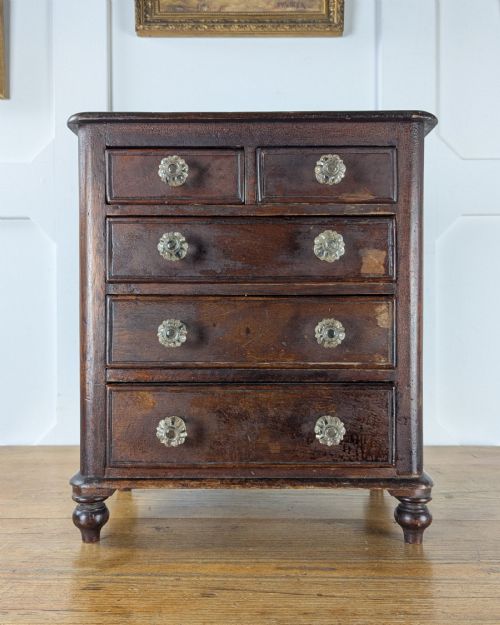
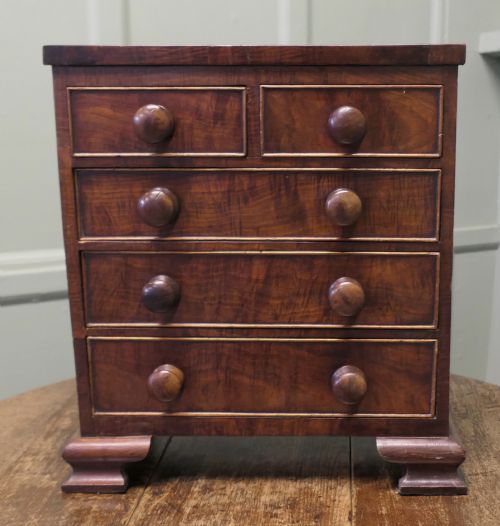
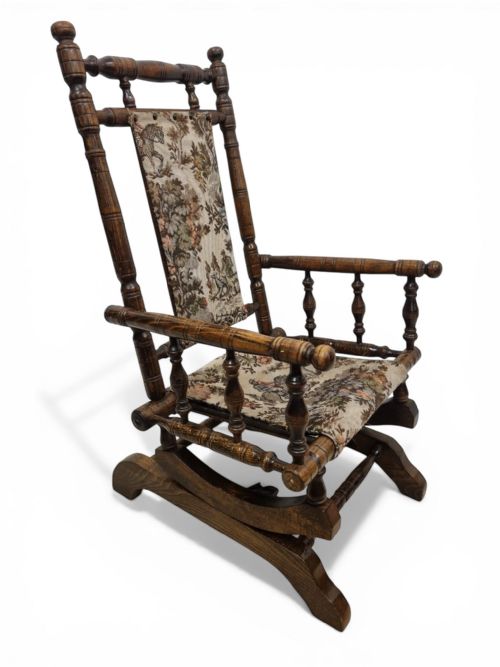
When you search for dark wood miniature furniture, you encounter a varied group of small-scale items including apprentice pieces, child-sized seating and diminutive cabinets. These pieces date from the eighteenth, nineteenth and early twentieth centuries, spanning the Georgian, Victorian and Regency periods.
Chest of drawers forms dominate the selection, alongside Windsor armchairs, rocking chairs, coffers and sideboards. The origin of these items ranges from English workshops to Welsh and Dutch makers, encompassing both formal revival styles and rustic vernacular traditions.
Apprentice pieces served as test projects for cabinetmakers demonstrating their skill to a guild. Meanwhile, diminutive furniture and small coffers fulfilled domestic roles or served as salesman samples before settling into collections.
Materials and construction methods
Makers utilised dense native and exotic hardwoods such as mahogany, oak, elm, ash and rosewood to construct these small items. These dense timbers allowed for precise joinery and sharp carving at a reduced scale, often accented with brass hardware and glass elements.
Joinery techniques mirror full-scale cabinetmaking of the period, employing dovetails for drawer construction and traditional mortise and tenon joints for seating. Surfaces finished with natural wax or polish enhance the deep grain and rich colour inherent in the dark woods.
Current listings feature dense hardwoods including mahogany, oak, elm, ash and rosewood across Georgian, Victorian and Regency periods.
The markers of quality in small-scale pieces
Quality rests on the fidelity of proportion and the precision of miniature joinery rather than the sheer utility of the item. Pieces that maintain correct architectural proportions and delicate dovetailing separate themselves from coarser examples.
The choice and figuring of the timber significantly influence the standing of a piece, particularly when dense grains of mahogany or rosewood are selected to match full-scale furniture. Original hardware, undisturbed patination and careful hand-carving elevate the piece further.
The Dark Wood Miniature Furniture Glossary
- Coffer bach
- A small Welsh oak chest featuring a hinged lid, traditionally used for storing valuables or linens. The Welsh term translates directly to little chest.
- Windsor chair
- A wooden seating form featuring turned legs and spindles socketed into a solid sculpted seat. Miniature versions retain the traditional construction of their full-sized counterparts.
- Bow-front
- A cabinet front curving outward in a convex arc. This shape appears frequently on miniature chests of drawers from the Georgian and Victorian periods.
- Patina
- The surface sheen and mellowing developed by wood over decades of handling and exposure to light. A deep patina indicates age and regular care.
Dark Wood Miniature Furniture: Frequently Asked Questions
What is an apprentice piece?
An apprentice piece is a small-scale model built by a trainee craftsman to demonstrate mastery of woodworking techniques to a guild master. These items allowed young makers to prove their skill in dovetail joints, turning and shaping before qualifying as full artisans.
Because they required the same precision as full-sized furniture, these miniature examples often display exceptional detail and careful construction.
How were miniature chests used?
Miniature chests served various practical and decorative roles in historic homes, from holding small personal items to acting as salesman samples. Cabinetmakers also used them to showcase different styles and wood selections to prospective clients.
In contemporary settings, collectors utilise these small chests on tables or shelves to display collections or store trinkets.
How do I date dark wood miniatures?
Dating relies on identifying stylistic markers, construction methods and timber types consistent with established periods like Georgian or Victorian. Examining drawer linings, secondary woods and the style of turned feet provides reliable clues to the age of the piece.
Changes in hardware, such as the transition from wooden knobs to brass pulls, also help narrow down the decade of manufacture.