


Dark Wood Leg Armchair
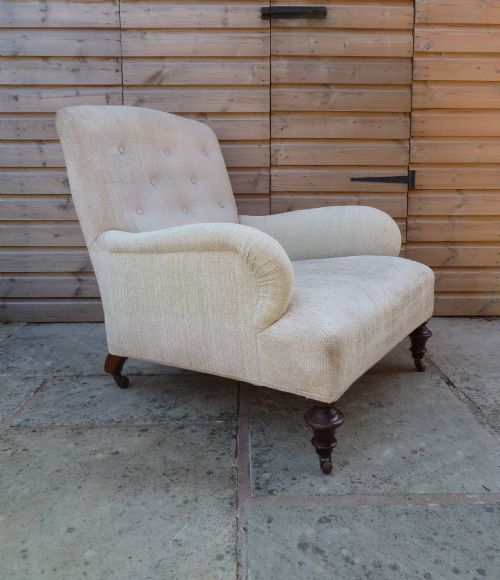
A dark wood leg armchair brings substance and grounded character to a room, spanning rustic country seating and formal mahogany revival designs.
Dark Wood Leg Armchair
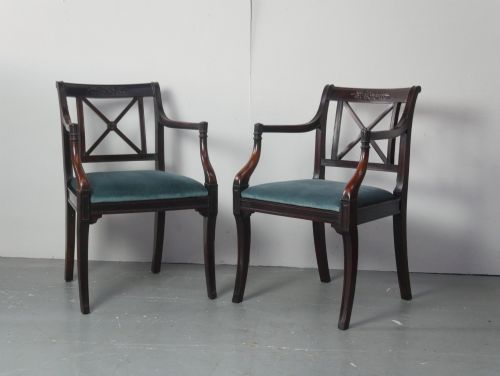
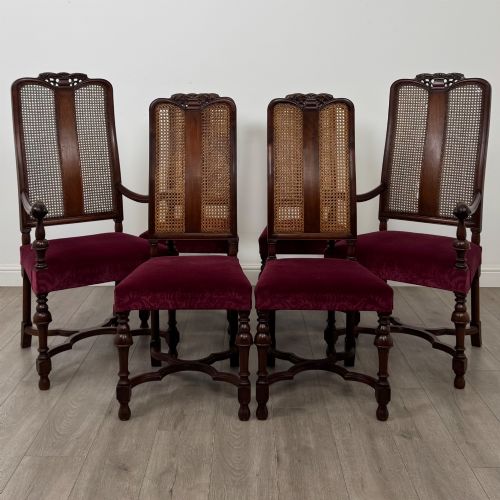
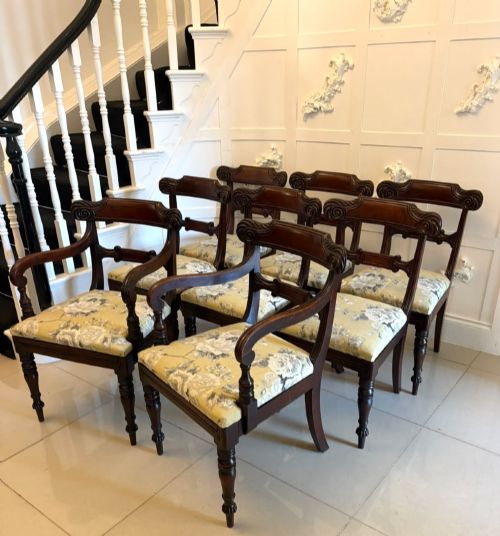
When you search for a dark wood leg armchair, you encounter a broad selection of seating anchored by sturdy timber frames and substantial wooden supports. The listings span multiple eras, including Georgian, Victorian, and Edwardian periods, as well as revival styles like Chippendale, Regency, and Jacobean.
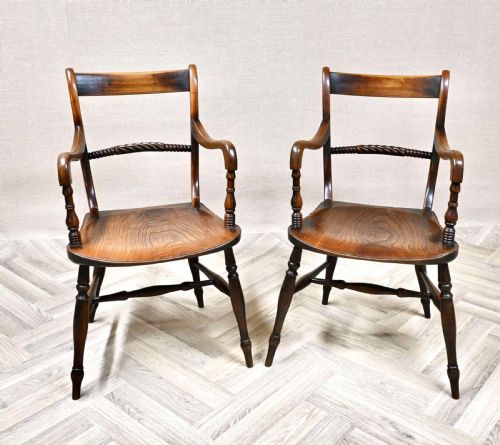
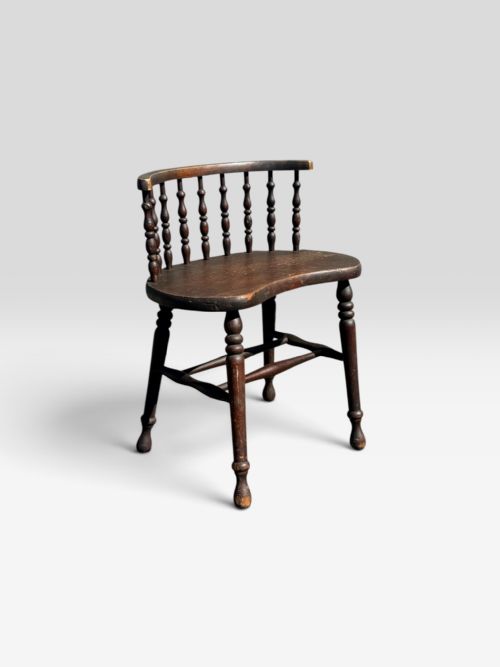
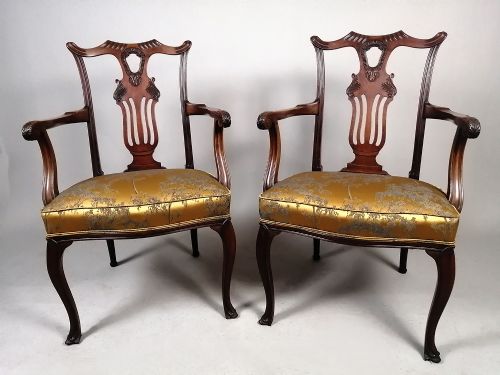
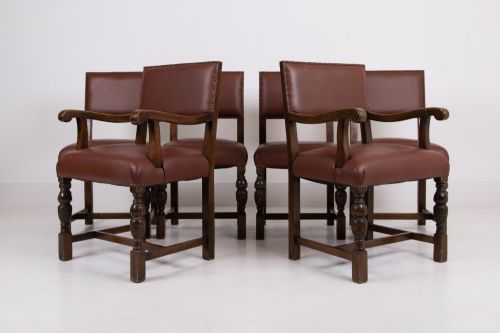
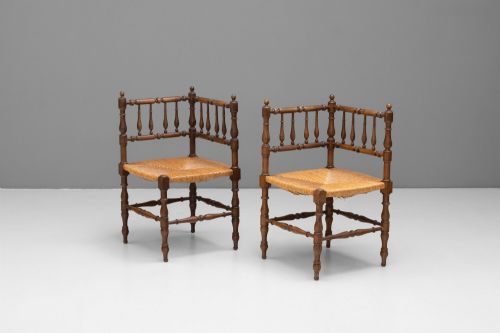
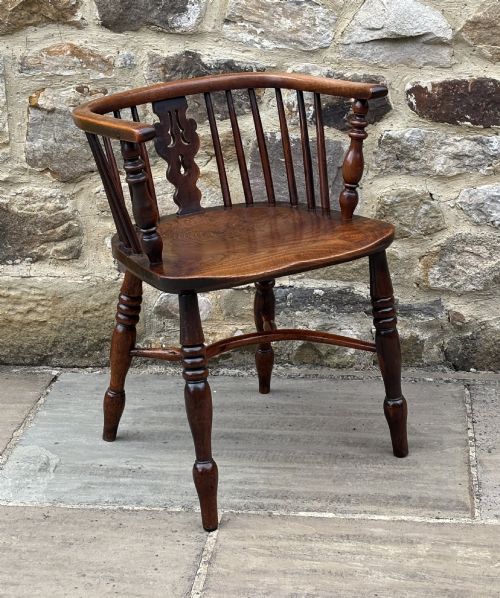
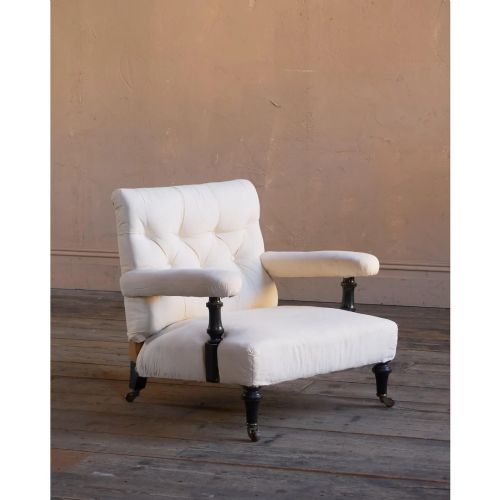
The most common forms on this page include traditional Windsor chairs in elm, ash, and beech, alongside refined mahogany open armchairs and elbow chairs. You will also find specialised seating such as desk chairs, corner chairs, tub armchairs, and matching salon suites.
Origins range from English country workshops to formal urban parlours, reflecting diverse regional craftsmanship. Whether you seek a spindleback farmhouse seat or a carved mahogany elbow chair, each piece displays the rich grain and deep tones characteristic of period timbers.
How they were made
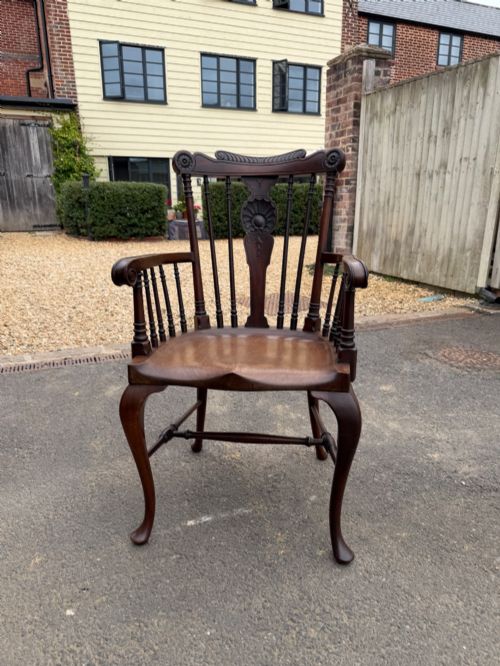
Cabinetmakers and country joiners utilised a variety of dense hardwoods, predominantly mahogany, oak, elm, ash, and beech, often combining multiple timbers within a single frame for structural strength. Windsor chairs typically feature turned legs and spindles socketed into sculpted elm seats, utilising traditional wedge and tenon joints.
Formal seating relies on seasoned mahogany, oak, and exotic woods like goncalo alves, shaped with fluid scroll backs, lyre motifs, or pierced splats. Upholstered examples integrate durable fabric, leather, and deep buttoning supported by traditional webbing and stuffing.
What varies in quality
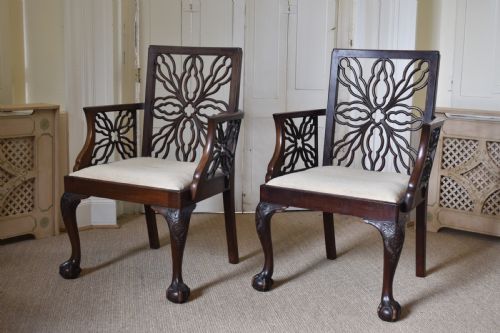
The distinction between ordinary and exceptional seating lies in the crispness of the timber carving, the selection of figured grain, and the integrity of the joinery. Superior mahogany and oak frames exhibit deep, hand-carved details such as spider web splats or scroll arms that remain sharp and well-defined.
In country Windsors, quality reveals itself in the balance of the turned spindles, the thickness of the bentwood armbows, and the selection of richly grained elm for the seat squab. Finer pieces maintain their original structural rigidity and surface patina without relying on intrusive modern reinforcement.
Mellier And Co·Howard And Sons
The Dark Wood Leg Armchair Glossary
- Windsor chair
- A traditional wooden chair built with a heavy solid timber seat into which the legs and back spindles are separately bored and wedged. These sturdy seats became staples of both country farmhouses and elegant libraries.
- Elbow chair
- An armchair featuring low arms designed to support the elbows rather than a full-length wing or upholstered barrier. They frequently accompany dining chair sets as carvers at the table ends.
- Goncalo alves
- A dense, heavily figured exotic hardwood sometimes used for nineteenth-century seating frames. Its striking contrasting grain brings a distinct visual warmth to the timber.
- Splat
- The vertical wooden strip down the centre of a chair back, often shaped, pierced, or carved in revival styles. It provides both structural support and decorative elegance.
- Tub armchair
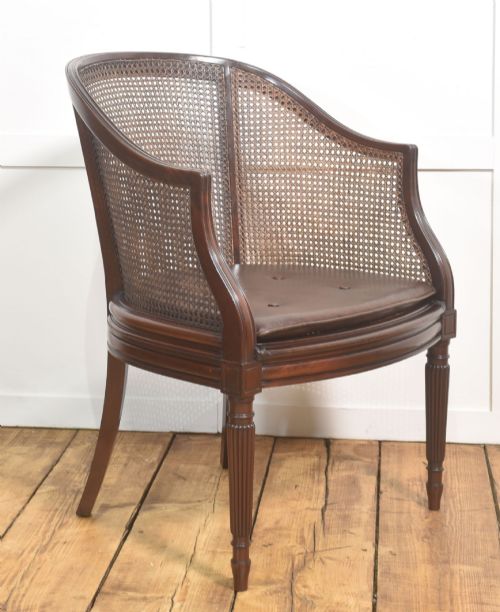
- A comfortable seat with a continuous curved back and arms forming a protective enclosure. Edwardian examples often incorporated cane panels along the sides.
Dark Wood Leg Armchair: Frequently Asked Questions
How do I date an antique wooden armchair?
Dating relies on examining the timber species, tool marks, construction methods, and prevailing style of the period. Georgian and Victorian pieces often display distinct joinery techniques and turning patterns that correspond to their era of manufacture.
Secondary indicators include the wear patterns on the wooden feet and the type of fixings used in the frame. Comparing the stylistic motifs against documented examples helps narrow down the decade.
Are Windsor armchairs comfortable for daily use?
Windsor chairs are surprisingly comfortable because their saddle-shaped wooden seats are carved to fit the body. The supportive spindle backs encourage an upright and natural posture during long periods of sitting.
Adding a loose squab cushion in leather or fabric can increase softness without altering the historic character of the seat. Their robust construction also makes them exceptionally durable for everyday living.
How should I care for dark wood furniture?
Maintain the timber by keeping chairs away from direct heat sources and strong sunlight, which can dry out and fade the polish. Regular dusting with a soft, dry cloth prevents particulate accumulation on the surface.
Periodically feeding the wood with a quality beeswax nourishes the grain and preserves the historic patina. Avoid using silicone-based sprays that can penetrate the finish and damage the antique surface.
What is the difference between a carver and an armchair?
A carver traditionally refers to an armchair designed to match a set of dining chairs, historically positioned at the head of the table for the host. These pieces feature lower arms to allow the sitter to draw closer to the dining surface.
Standard armchairs are usually built for general parlor or library use with deeper seats and higher, more enveloping arms. Both varieties share sturdy dark wood legs and supportive structural frames.