




Dark Wood Hanging Rack
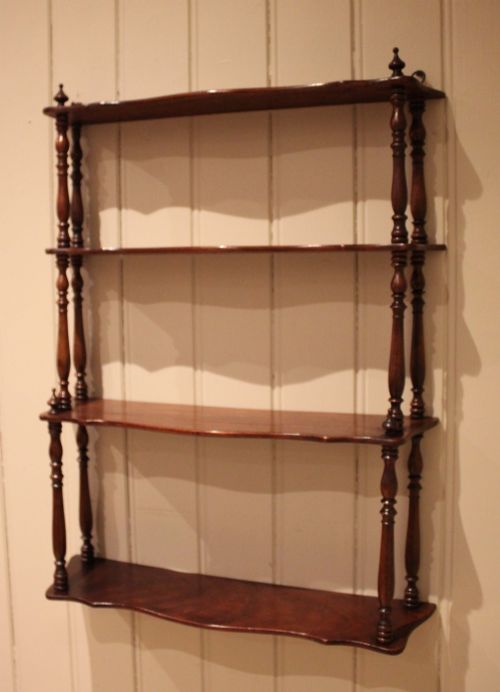
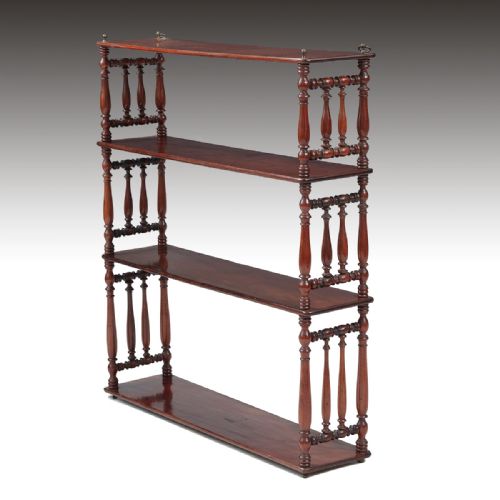
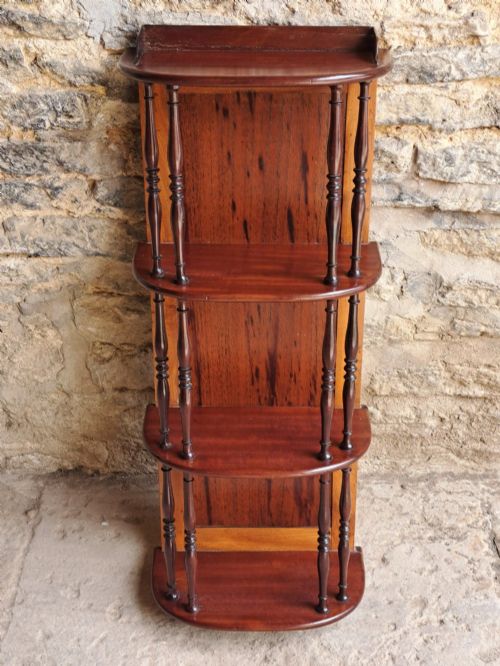
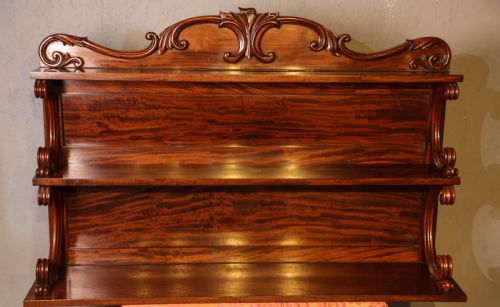
A dark wood hanging rack brings practical storage to a wall while showing the rich grain of mahogany, oak, or walnut.
Dark Wood Hanging Rack
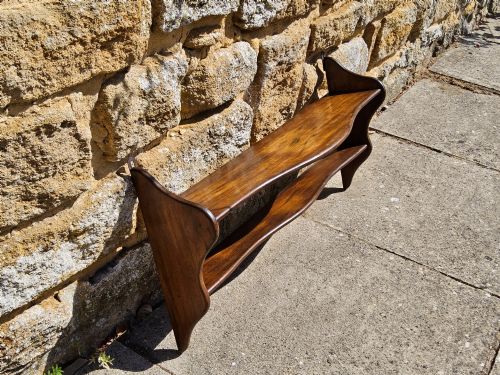
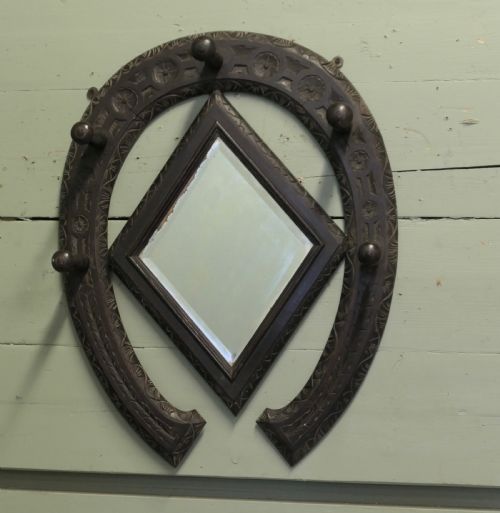
A dark wood hanging rack serves multiple domestic purposes, appearing across this selection as wall shelves, plate racks, coat rails, and desktop pigeonholes. These pieces mount directly to vertical surfaces to save floor space, originating in periods from the eighteenth century through to the early twentieth century.
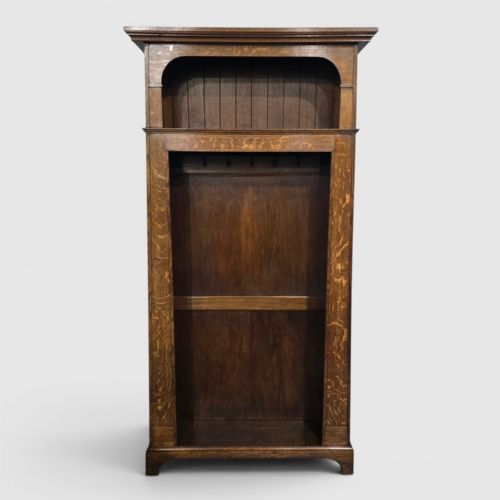
Mahogany and oak dominate the forms, reflecting the preferences of Georgian, Victorian, and Edwardian makers who favoured durable timbers for functional wall furniture. Buyers frequently encounter nineteenth-century mahogany wall shelves alongside eighteenth-century oak delft racks and specialist coat stands.
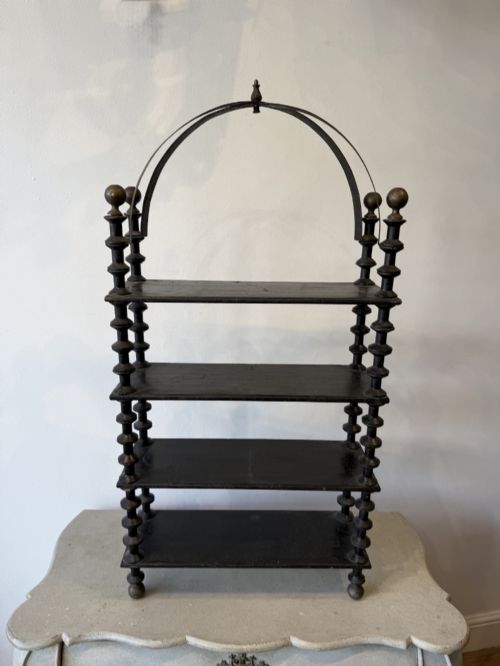
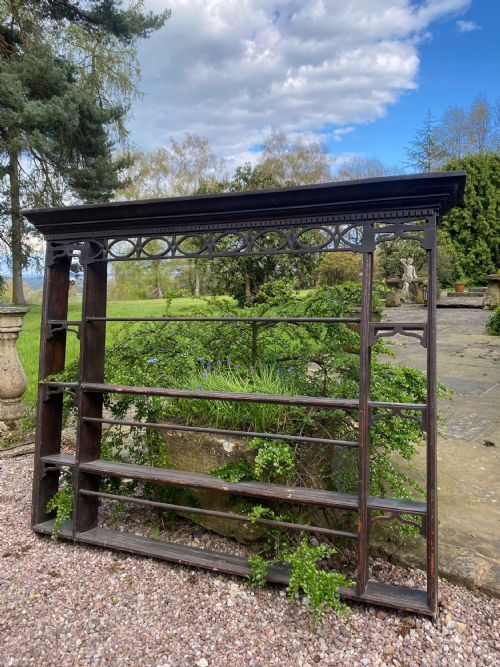
The styles range from plain country utility to ornate Gothic Revival, French bobbin work, and Chippendale fretwork. Pieces vary from simple two-tier shelves with brass galleries to elaborate Black Forest antler and linden wood designs.
Materials and construction methods
Makers utilised solid hardwoods such as mahogany, oak, walnut, and beech, often selecting dense boards that took a dark finish well. Brass fittings, glass panels, iron hooks, and pewter spoons appear as supplementary materials on specific racks and shelves.
Joinery techniques matched the weight of the timber, employing pegged joints in heavy oak plate racks and precise shelving housing in mahogany wall units. Carving, fretwork, and bent wood shaping added decorative detail to structural frames.
Dark Wood Hanging Rack Retail Price Guide 2026
Typical asking prices for dark wood hanging rack among the pieces listed under this phrase on Sellingantiques today, from the lower quarter to the upper quarter. They describe what is for sale here now, not the wider market.
Listings feature woods including mahogany, oak, walnut, beech, and linden wood, spanning periods from the 17th century to 1910.
Judging quality and craftsmanship
Quality rests upon the selection of timber and the precision of the joinery rather than the sheer scale of the piece. Fine examples show thoughtful grain matching across boards and clean execution of decorative elements like fretwork or turned bobbin framing.
The integrity of the hanging mechanism and original brass galleries or hooks indicate how thoroughly a piece was designed to bear weight. Superior racks retain their original structural timber without excessive replacement parts or mismatched fixings.
The Dark Wood Hanging Rack Glossary
- Delft rack
- A wall-mounted wooden shelving unit specifically designed for displaying ceramic plates and platters. These typically feature narrow plate grooves and plate retention rails.
- Chippendale style
- A decorative aesthetic drawing on eighteenth-century design manuals, often recognised by intricate fretwork and carved mahogany details. Pieces in this style display lighter pierced woodwork.
- Brass gallery
- A low metal railing fitted along the edge of a shelf to secure objects from sliding off. These fixtures appear frequently on ship's shelves and refined wall units.
- Pigeon holes
- Small compartmentalised wooden cubbies used for sorting letters and documents on desks or hanging wall units. They organise paperwork within a compact footprint.
Dark Wood Hanging Rack: Frequently Asked Questions
How do I hang a heavy antique rack safely?
Check the original mounting points on the back of the timber frame to understand how the maker intended the piece to bear weight. Secure heavy oak and mahogany racks directly into wall studs using appropriate fixings.
Distribute weight evenly across the shelves once mounted, avoiding overloaded plates or heavy books on antique brackets that lack central support.
What is the difference between a plate rack and wall shelves?
Plate racks incorporate specific grooves, slats, or front rails designed to hold ceramic dishes upright at an angle. Standard wall shelves provide flat horizontal surfaces for general display or storage.
Earlier delft racks from the eighteenth century often feature deeper timber boards to accommodate heavy earthenware, whereas later Victorian shelves prioritise display.
How do I care for dark wood finishes?
Dust the timber regularly with a soft, dry cloth to prevent grit from accumulating in the grain of mahogany, oak, or walnut. Avoid placing antique racks in direct sunlight or near heat sources that might dry out the wood.
Apply a conservative amount of beeswax periodically to nourish the surface and maintain the natural lustre of the dark finish.
Are these racks suitable for modern bathrooms?
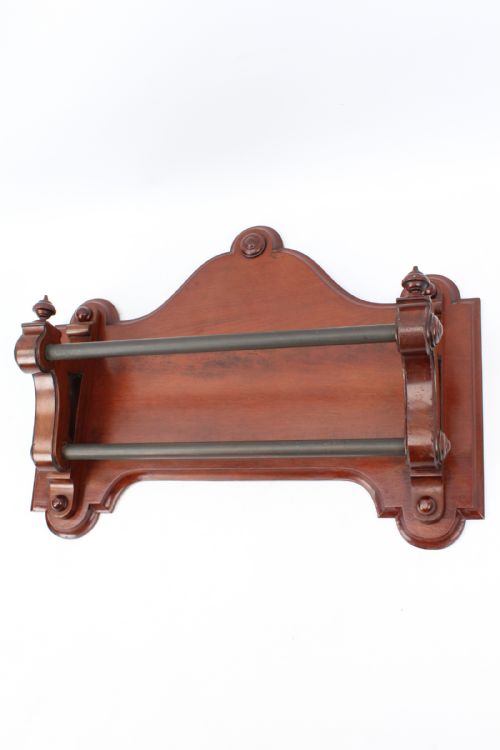
Hanging towel rails and small shelving units function well in modern spaces if protected from excessive moisture. Solid mahogany and oak tolerate humidity better when sealed with appropriate wax or polish.
Ensure bathroom walls can support the combined weight of the wooden rack and wet textiles before installation.