


Dark Wood Framed Panels
Dark wood framed panels bring together centuries of rich timber and framed artistry, offering striking focal points for any room.
Dark Wood Framed Panels
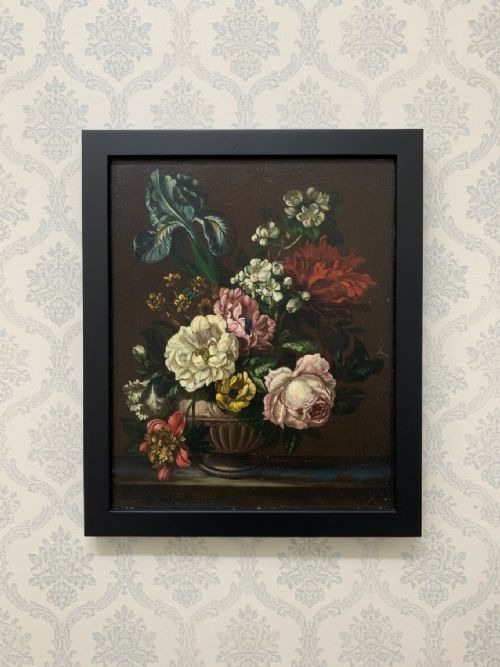
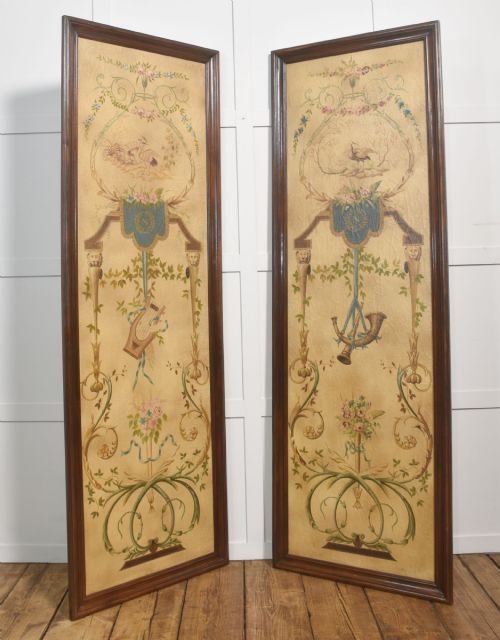
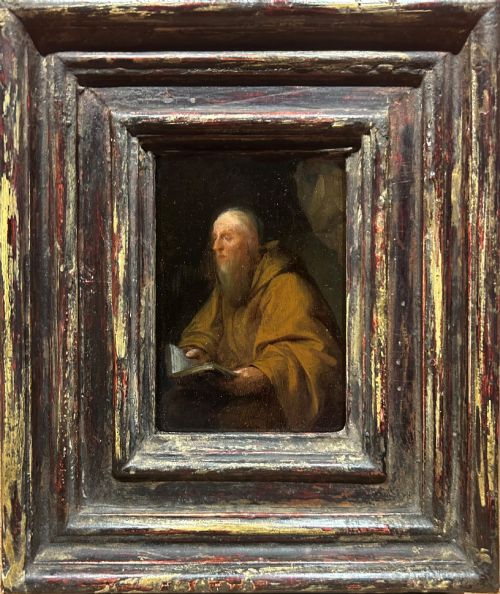
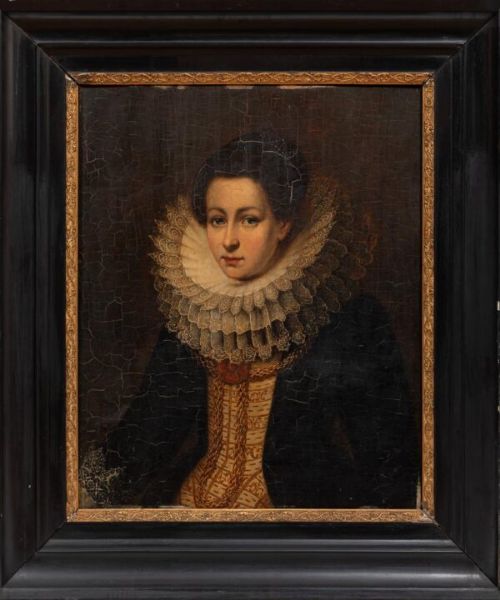
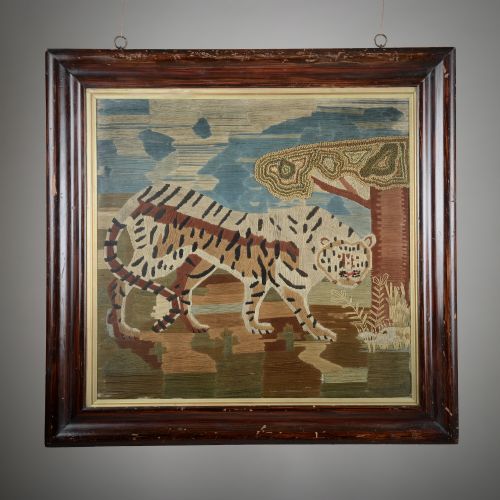
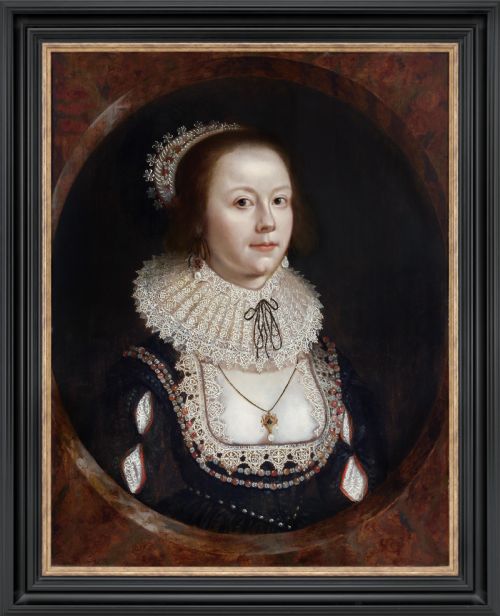
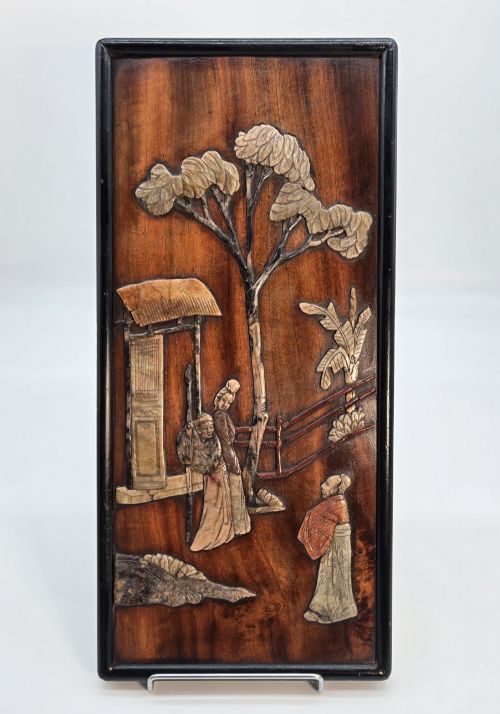
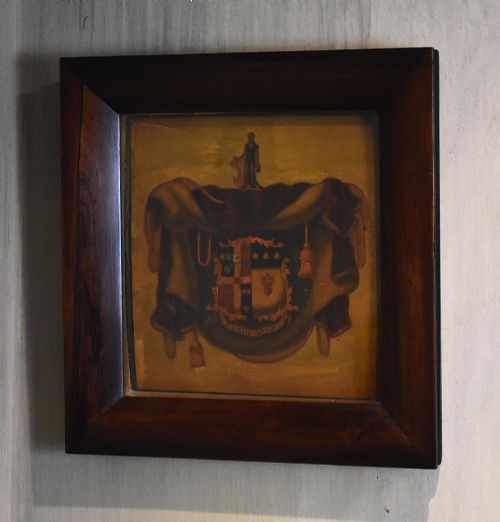
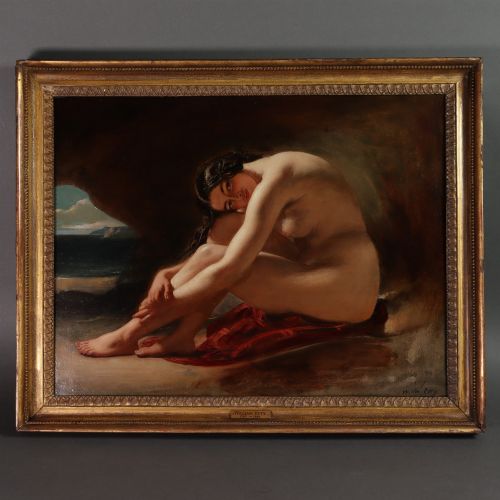
Dark wood framed panels encompass a diverse range of framed wall art, mirrors, and decorative plaques housed in substantial timber surrounds. When searching for dark wood framed panels, buyers encounter pieces spanning from the seventeenth century through the Victorian era and early twentieth century. The selection includes oil paintings on wood panel, carved hardwood reliefs, and embroidered works set within solid timber frames.
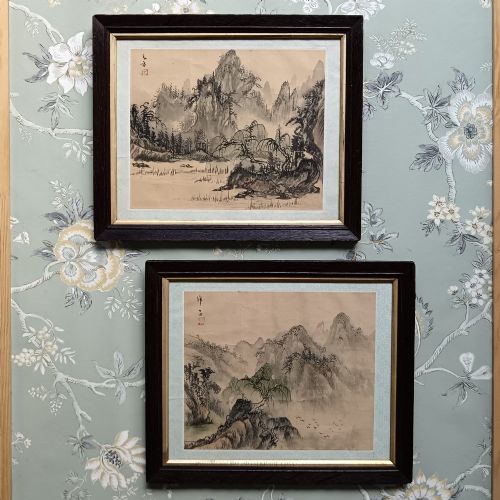
The forms vary from Dutch still lifes and portraits to Chinese carved hardwood panels and Georgian needlework pictures. Oak, mahogany, walnut, and general hardwood frames predominate the offerings, reflecting traditional craftsmanship across British, European, and Asian origins. These items function primarily as wall art and decorative plaques intended to anchor interior schemes with historic character.
How dark wood framed panels were made
Makers utilised solid timbers such as oak, mahogany, and walnut to construct sturdy surrounds, often employing deep relief carving or clean mouldings. The interior components frequently consist of wooden panels prepared for oil paint, woven silk textiles, or metal relief plaques.
Joinery techniques matched the period of production, securing heavy frames around delicate media like oil paint on panel, glass mirrors, and fine embroidery. Gilding, gold leaf, and painted details were regularly applied to enhance the contrast between the dark wooden border and the central artwork.
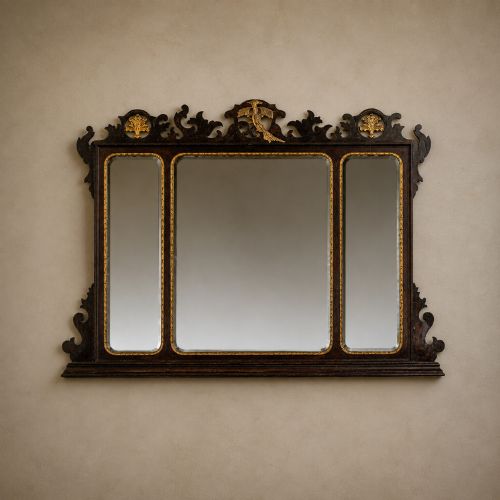
Object types range from wall art and oil paintings to overmantel mirrors, wall plaques, and embroidered samplers.
What varies in quality
The standard of execution in the central artwork or carving dictates the overall merit of the piece. Finely detailed oil paintings, intricate needlework, and crisp deep-relief wood carving distinguish superior examples from standard decorative items.
The harmony between the frame and the central panel determines visual success. Original timber frames that retain their historic finish and complement the scale of the enclosed artwork hold greater integrity than later replacements.
Jan van Staveren·Cornelius Johnson·William Etty·Quirijn Van Brekelenkamp
The Dark Wood Framed Panels Glossary
- Oil on panel
- A painting executed on a flat wooden support rather than canvas. This traditional medium provides a rigid ground that often survives in stable condition over centuries.
- Relief plaque
- A decorative panel where the sculpted design projects from a flat background. These pieces are frequently carved from hardwood or cast in metal.
- Overmantel mirror
- A large framed looking glass specifically designed to hang above a fireplace mantel. They often incorporate elaborate timber mouldings and cresting.
- Needlework picture
- A decorative textile created using embroidery threads, wool, or silk on a fabric backing. Historic examples often depict historical, religious, or literary scenes.
- Hardwood
- Timber derived from broad-leaved deciduous trees such as oak, mahogany, and walnut. These dense woods provide the structural strength and dark tones seen in traditional framing.
Dark Wood Framed Panels: Frequently Asked Questions
What periods do these panels represent?
The pieces span multiple centuries, including seventeenth-century works, eighteenth-century items, and nineteenth-century Victorian creations. Early twentieth-century examples also appear within the selection.
Each era contributes distinct framing styles and artistic techniques, ranging from Dutch Golden Age oil paintings to carved hardwood reliefs.
What materials are commonly used?
Wood forms the primary material for the frames and structural supports, with oak, mahogany, and walnut frequently utilised. Central elements incorporate oil paint, canvas, silk, glass, and carved stone.
Additional decorative accents feature gold leaf, white metal, and gilded bronze relief work.
How were these panels used historically?
Many served as decorative wall art, fine art displays, or architectural plaques within domestic interiors. Items like overmantel mirrors were specifically built to adorn fireplace surrounds.
Textiles and needlework pictures offered refined domestic decoration, while carved wooden panels added texture and traditional warmth to rooms.
How do I care for wooden frames and panels?
Keep the pieces away from direct sunlight and extreme temperature fluctuations to protect the timber and internal media. Dust the wooden frames gently with a dry, soft cloth.
Avoid applying harsh chemical cleaners or excess moisture to the wood, painted surfaces, or textiles.
Are the frames original to the art?
Many listings specify original frames, such as solid wood period frames housing nineteenth-century oil paintings or antique Chinese designs. Surviving original combinations preserve the historical context of the piece.
Examining the joinery and timber age helps determine if the frame and central panel belong together.