


Dark Wood Figure Sculpture
Dark wood figure sculpture encompasses centuries of carved human, animal and spiritual forms shaping our interiors.
Dark Wood Figure Sculpture
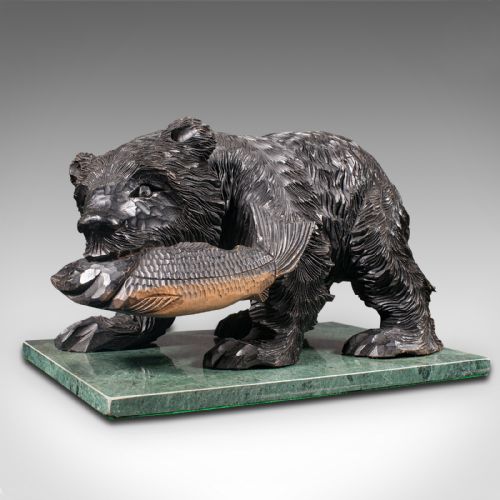
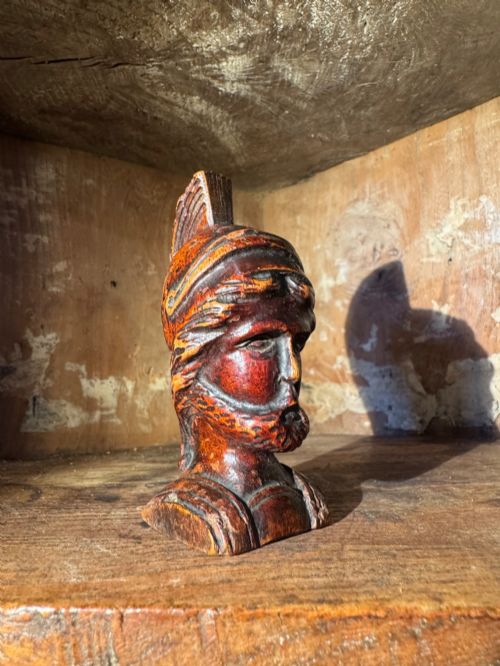
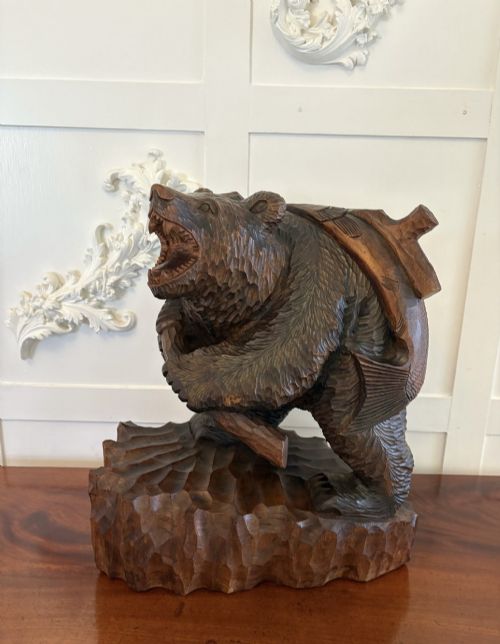
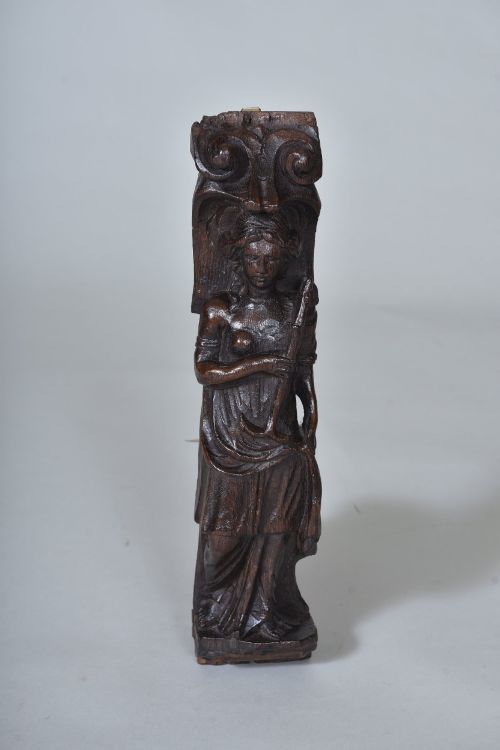
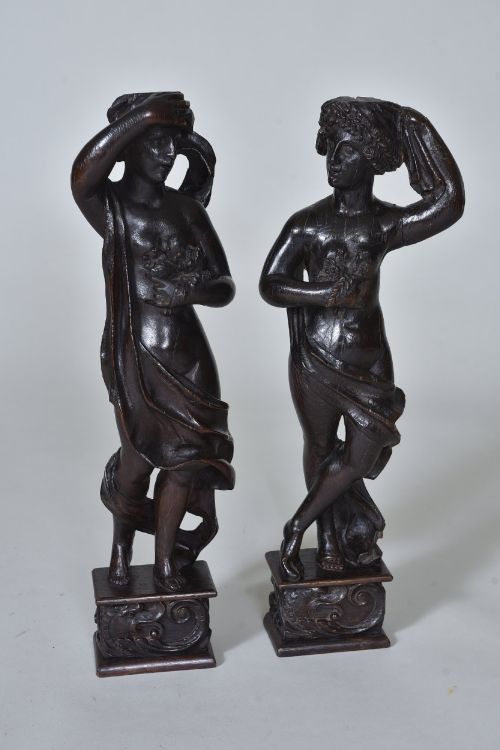
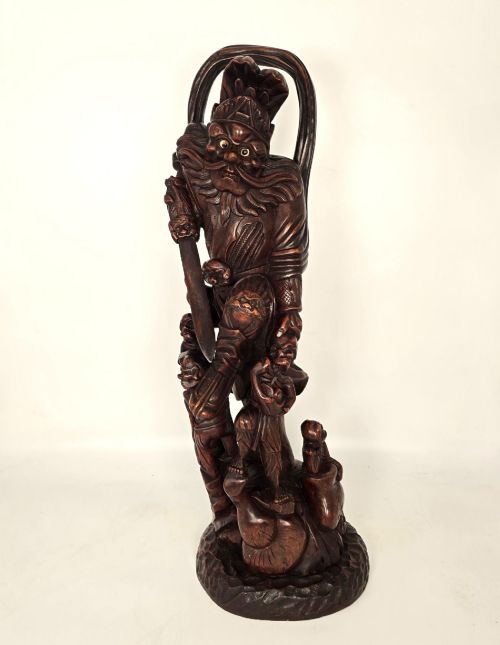
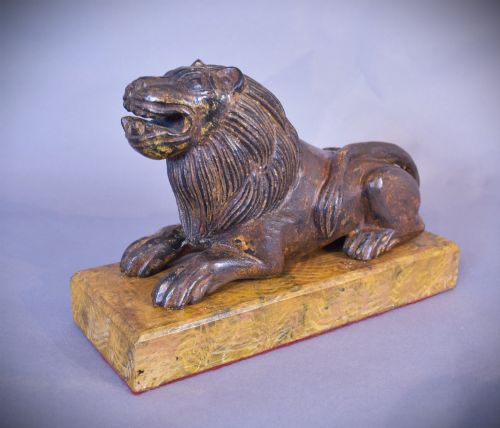
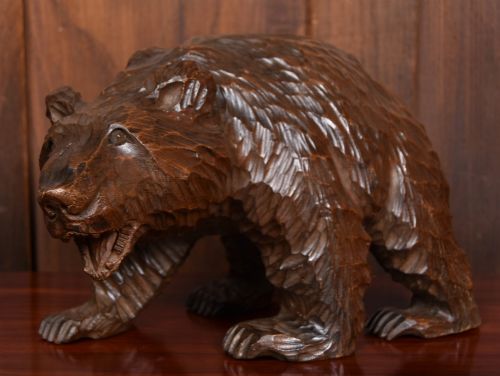
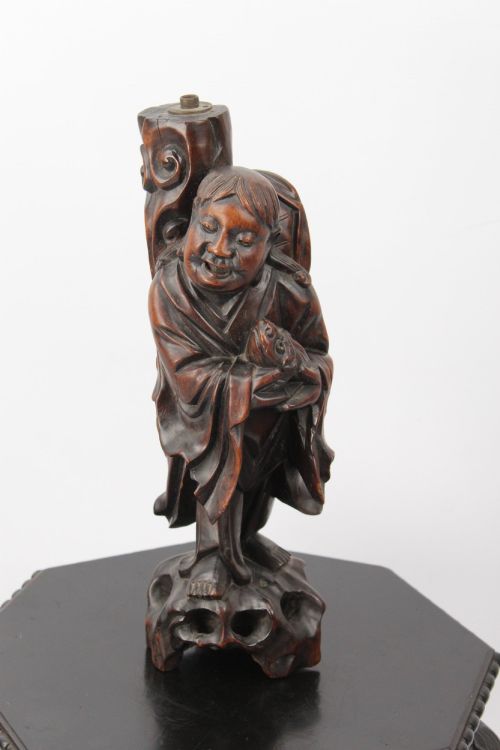
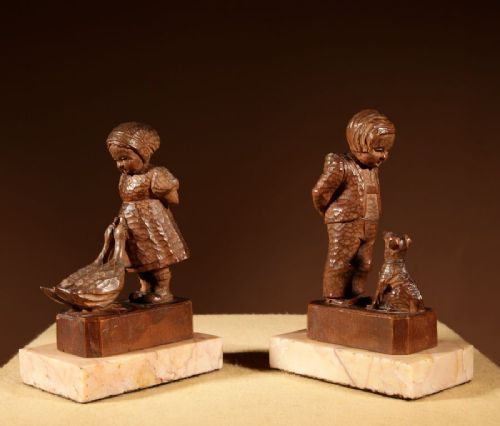
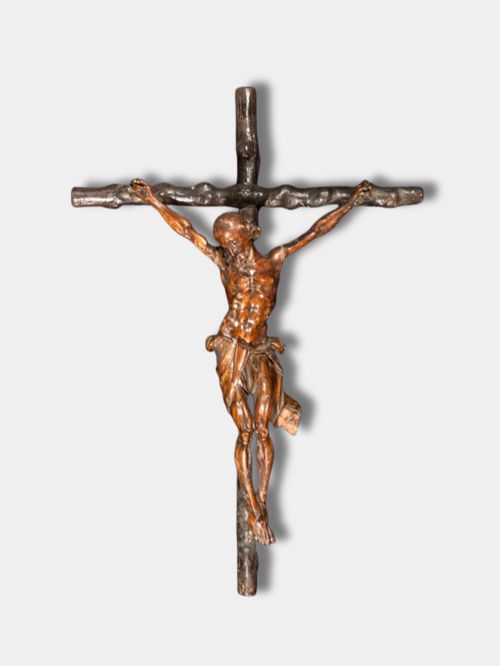
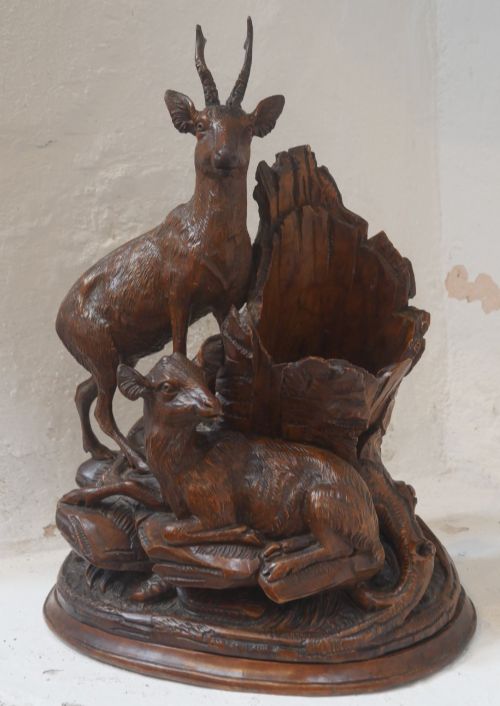
A dark wood figure sculpture brings tangible history into a room through carved representations of people, animals and deities. When exploring these works, a buyer encounters everything from Black Forest bears and European saints to African tribal figures and Asian guardian kings. These pieces emerge from traditions spanning the sixteenth century to the art deco era, reflecting diverse cultural functions.
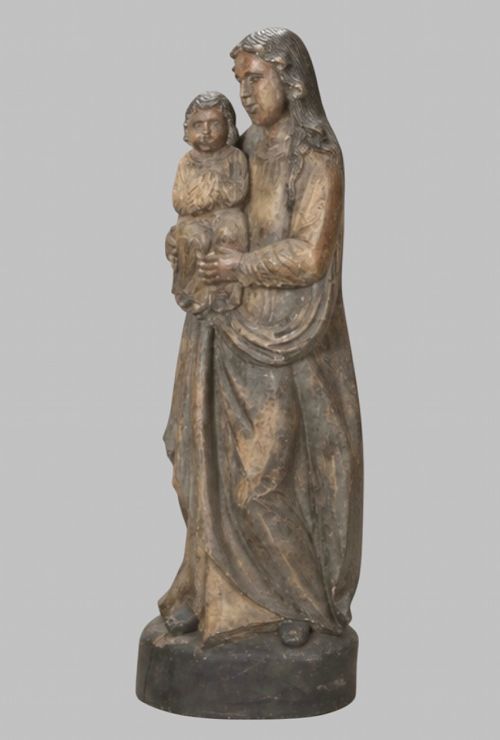
The versions most frequently met on this page range from nineteenth-century linden wood animal carvings to seventeenth-century oak religious figures and twentieth-century hardwood ethnographic pieces. Artisans shaped these objects to serve as devotional items, protective guardians or purely decorative ornaments. Each sculpture captures the distinct aesthetic priorities of its period and geographic origin.
Collectors search for these items to anchor a room with organic texture, historical depth and skilled craftsmanship. The scale varies from small pocket-sized netsuke to monumental floor-standing guardian figures. Selecting a dark wood figure sculpture depends on finding a balance between the subject matter, the carving style and the chosen wood.
How They Were Made
Makers utilised dense timbers such as oak, walnut, boxwood, linden wood and various exotic hardwoods to achieve durable forms. Woods like oak and walnut provided strength for large European architectural carvings, whilst linden wood and boxwood offered the fine grain necessary for intricate Swiss and German animal and human details.
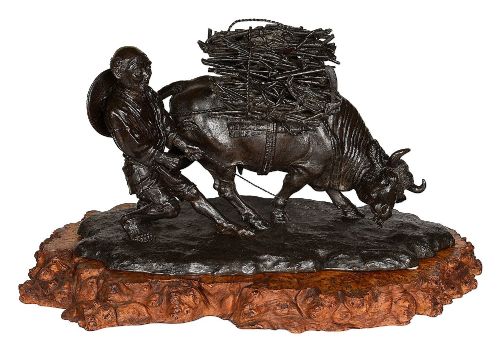
Carvers employed hand chisels, gouges and knives to shape the raw timber directly from blocks or logs, sometimes incorporating mixed metals or brass mounts. Surface treatments ranged from natural wax polishes that enhanced the dark grain to painted finishes found on folk art horse sculptures and naive figures.
Listings span eight distinct periods, reaching from the sixteenth century to the 1930s.
What Varies in Quality
The distinction between average and exceptional carving lies in the confidence of the tool marks and the anatomical understanding of the subject. Master carvers achieved fluid motion and convincing musculature in figures like horses, bears and human forms, whereas lesser pieces display stiff proportions and hesitant execution.
Valentino Besarel·Simon Troger·Tomochika
The Dark Wood Figure Sculpture Glossary
- Black Forest
- A style of wood carving originating from the Swiss and German regions, famous for realistic depictions of bears, deer and forest animals. These pieces often date from the nineteenth and early twentieth centuries.
- Hardwood
- Timber derived from broadleaved angiosperm trees, providing the dense and durable material required for detailed figurative sculptures. Examples include oak, walnut and various tropical species.
- Linden wood
- A pale, fine-grained wood utilised extensively by European carvers for intricate figurative work because it cuts cleanly in any direction without splitting. It accepts dark stains and polishes effectively.
- Folk art
- Objects created by self-taught or traditional artisans outside academic traditions, often featuring naive or primitive charm. These sculptures rely on local materials and direct expression.
- Byeri
- A reliquary guardian figure associated with the Fang people of Gabon, traditionally placed upon cylindrical bark boxes containing ancestral bones. They exhibit stylised forms intended to ward off harmful spirits.
Dark Wood Figure Sculpture: Frequently Asked Questions
How do I clean a wooden sculpture?
Dust the surface gently with a soft, dry brush to prevent dirt accumulation in the carved crevices. Avoid using water, harsh chemical cleaners or modern polishes that can damage the historic timber.
Apply a microcrystalline wax sparingly if the wood appears dry, buffing it gently with a soft cloth after application. Maintaining a stable indoor humidity prevents the timber from splitting or warping over time.
Where should I place these sculptures?
Position your sculpture away from direct sunlight, radiators and draughty areas to protect the dark wood from fading or cracking. Stable room temperatures ensure the longevity of the organic material.
Choose a sturdy surface such as a side table, mantelpiece or dedicated plinth where the piece can be viewed from multiple angles. Good lighting highlights the depth of the carving and the grain of the wood.
How can I tell the age of a dark wood figure?
Examine the tool marks left behind by the carver, as hand-operated chisels leave distinct patterns compared to modern machinery. Tool evidence combined with the natural ageing and oxidation of the timber helps determine the period.
The style of clothing, hair and posture often aligns with specific historical eras such as the seventeenth century or the art deco period. Comparing the construction methods with documented examples provides further clarity.
What is the difference between folk art and studio carvings?
Folk art sculptures are typically made by untrained or regional artisans, displaying a naive charm and direct interpretation of the subject. These pieces prioritise expression and local utility over academic precision.
Studio carvings reflect academic training, precise anatomical proportions and sophisticated tool techniques executed by professional workshops. Both traditions offer distinct aesthetic qualities appreciated by different collectors.