
Dark Wood Drop Table
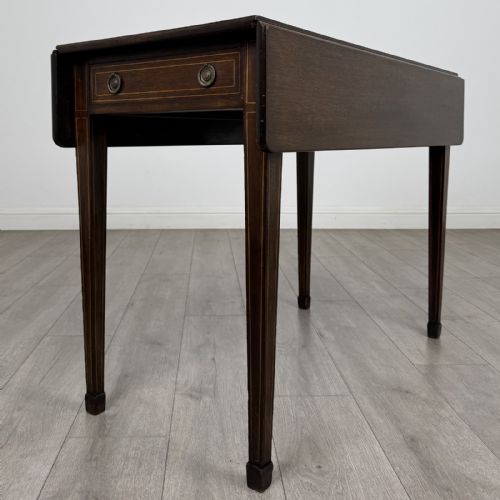
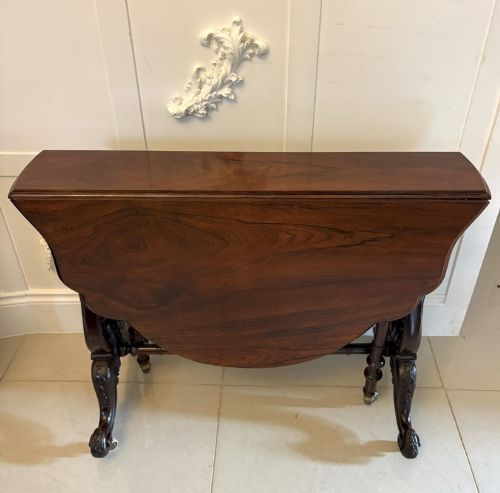
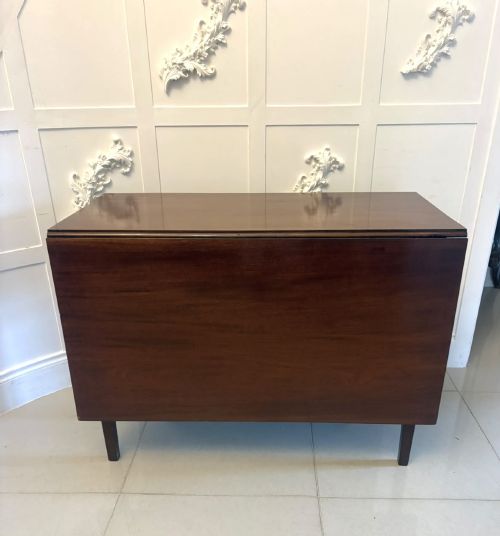
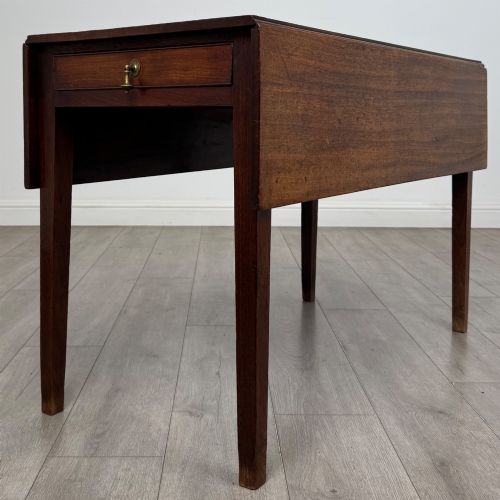
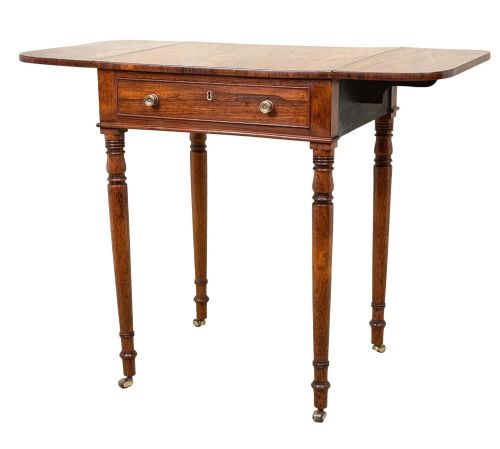
A dark wood drop table offers folding leaves to save floor space, appearing across Georgian, Regency and Victorian eras in mahogany, rosewood and oak.
Dark Wood Drop Table
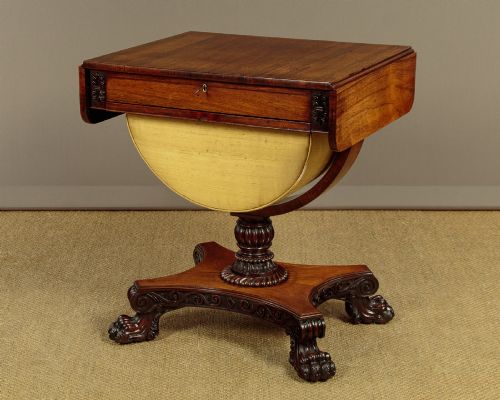
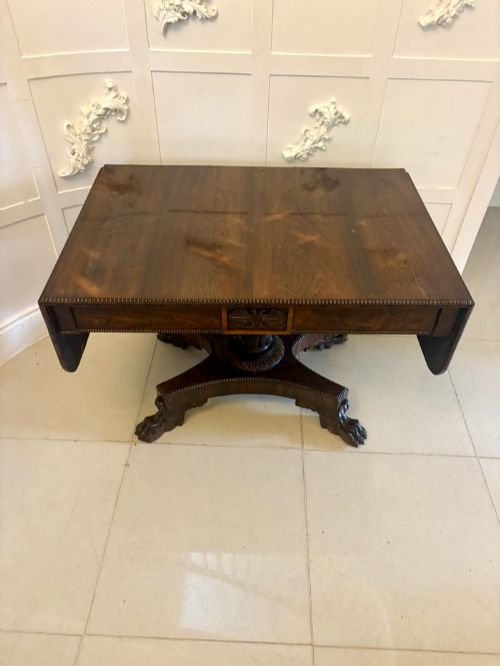
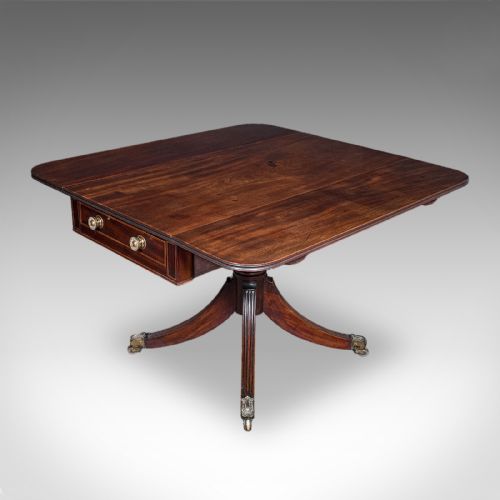
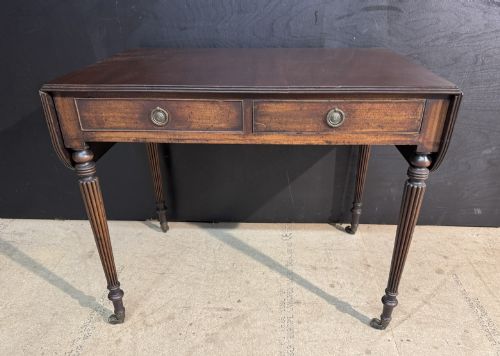
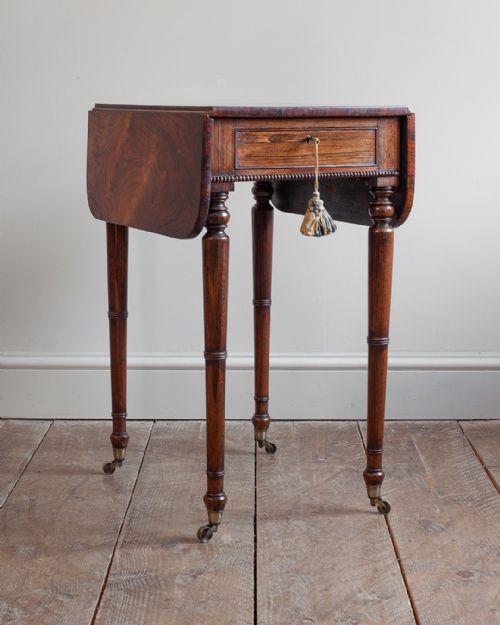
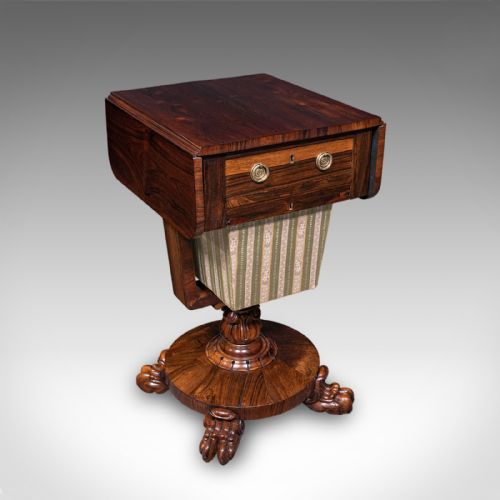
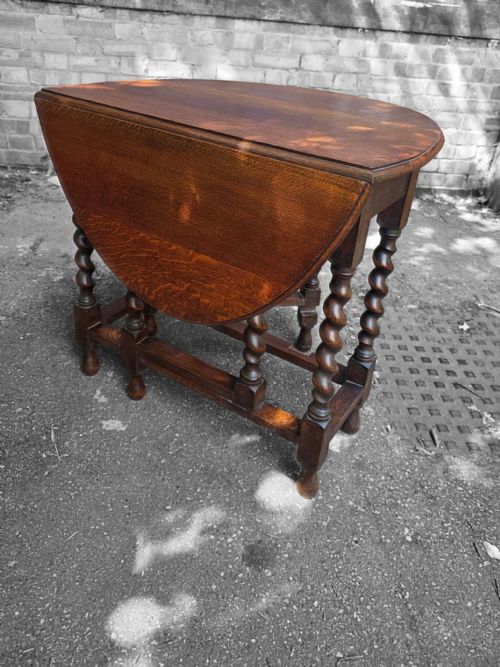
When you search for a dark wood drop table, you encounter a variety of folding-leaf formats ranging from compact Pembroke and sewing tables to large dining and sofa tables. The selection spans the 18th, 19th and early 20th centuries, covering Georgian, Regency, William IV, Victorian and Edwardian periods.
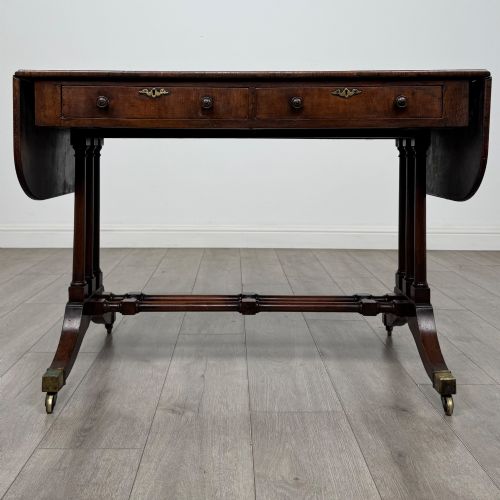
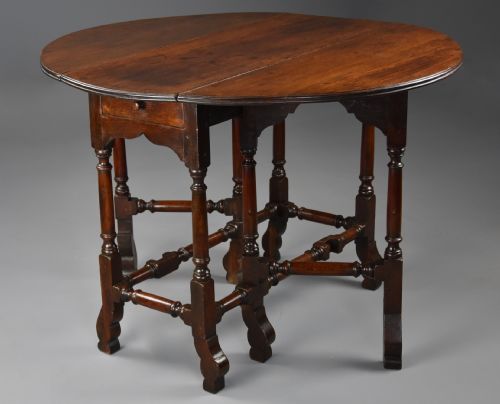
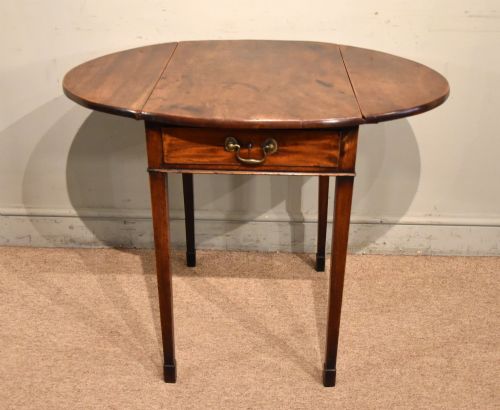
Pembroke tables with drop leaves and drawers dominate the offerings, frequently rendered in rich mahogany or dark rosewood. Alongside these are gateleg tables in oak and walnut, plus freestanding sofa tables designed to sit centrally in a room.
English and Irish workshops produced these pieces using native timbers like oak and imported hardwoods such as mahogany and rosewood. Forms range from modest bedside and hobby tables to large dining tables seating multiple people.
Materials and Construction
Makers utilised solid timbers and veneers of mahogany, rosewood, oak and red walnut, often pairing the dark wood surfaces with brass castors, mounts and key escutcheons. Tables from the Regency and Victorian periods frequently incorporate gilt brass details and turned or bamboo-turned legs.
Gateleg and Pembroke constructions rely on hinged leaves supported by swing legs or folding brackets, allowing the surface area to expand or contract. Early examples feature turned baluster legs or carved cabriole legs ending in claw-and-ball or hoof feet.
Drawer construction involves dovetailed joints, sometimes housing fitted compartments for writing, sewing or secretarial work lined with fabric or silk. Planks of solid oak or mahogany form the tops of gateleg and dining variants.
Listings span oak, mahogany, rosewood, walnut and fabric materials across 18th, 19th and early 20th century periods.
Evaluating Craftsmanship
The distinction between standard examples and top-tier pieces rests on the selection of timber figures, such as highly grained rosewood or figured mahogany, and the crispness of carved details like cabriole legs and claw-and-ball feet. Superior tables display meticulous joinery in the hinge mechanisms and drawer construction that ensures stability when the leaves are raised.
Hardware quality also separates the grades, with heavy cast brass fittings, original brass castors and functioning locks with keys indicating higher workshop standards. Pieces featuring complex multi-drawer layouts or specialised forms like secretaire Pembroke tables demonstrate greater ambition in design and execution.
Gillows
The Dark Wood Drop Table Glossary
- Pembroke table
- A small table with two hinged drop leaves on opposing sides, typically featuring a single drawer and slender legs. This form became popular during the 18th century for breakfast or light writing.
- Sofa table
- A long, narrow table designed to stand in front of a sofa, featuring drop leaves at either end and often twin pedestal supports or trestle bases. They emerged during the Regency period.
- Gateleg table
- A table with one or two hinged leaves supported by swinging legs that pivot outward like a gate to hold the leaf. Oak and walnut versions date back to the 17th and 18th centuries.
- Sutherland table
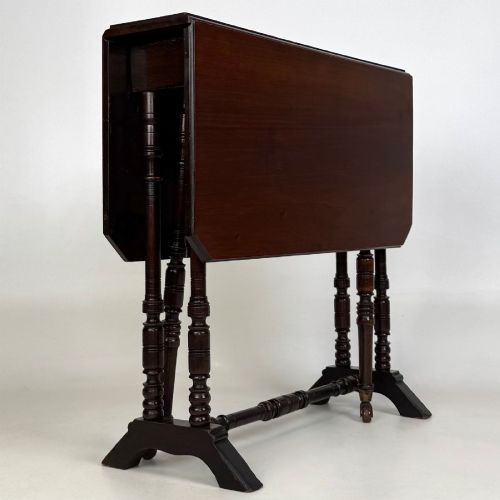
- A narrow drop-leaf table with exceptionally slender folding leaves that drop almost vertically, supported by a pivoting gate framework. This Victorian form maximises space efficiency.
- Cabriole leg
- A furniture leg that curves outward at the knee and tapers inward toward the ankle, frequently seen on Georgian furniture ending in hoof or claw-and-ball feet.
Dark Wood Drop Table: Frequently Asked Questions
How do I identify a Regency table?
Regency tables date from the early 19th century and often incorporate dark woods like rosewood and mahogany. Look for brass inlay, gilt mounts, sabre legs and freestanding pedestals.
Cabinetmakers of this era drew inspiration from classical Greek and Roman designs, resulting in clean geometric lines.
Were these tables used for dining?
Larger drop-leaf and gateleg variants served as dining tables, accommodating several seats when fully extended. Smaller Pembroke and side versions functioned in parlours or bedrooms.
Drop leaves provided the flexibility to clear floor space in dining rooms between meals.
What is a Pembroke table used for?
Pembroke tables served multiple domestic purposes including breakfasting, writing and light needlework. The inclusion of a drawer provided storage for letters or sewing tools.
Their compact size and folding leaves made them easy to reposition around a sitting room.