


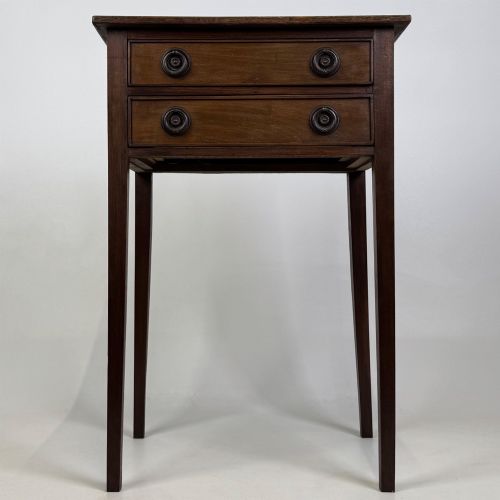
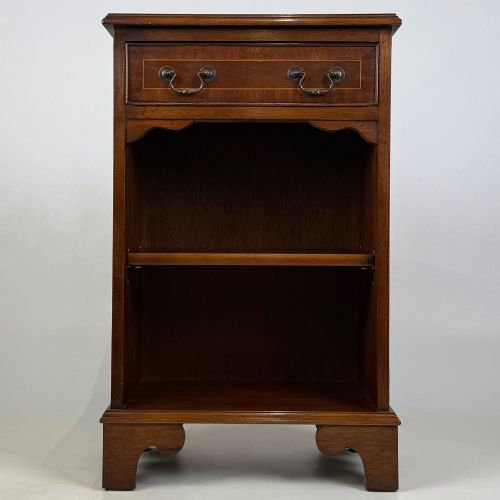
Dark Wood Drawer Cabinet
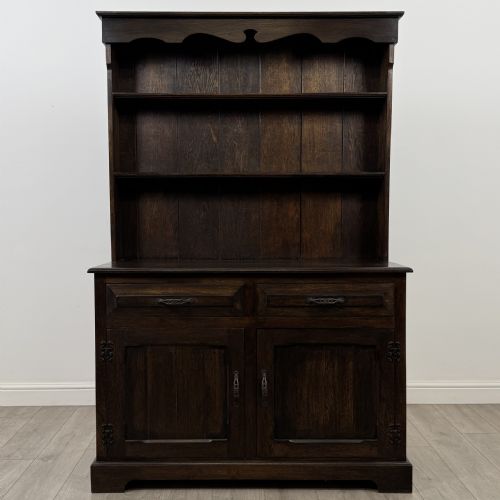
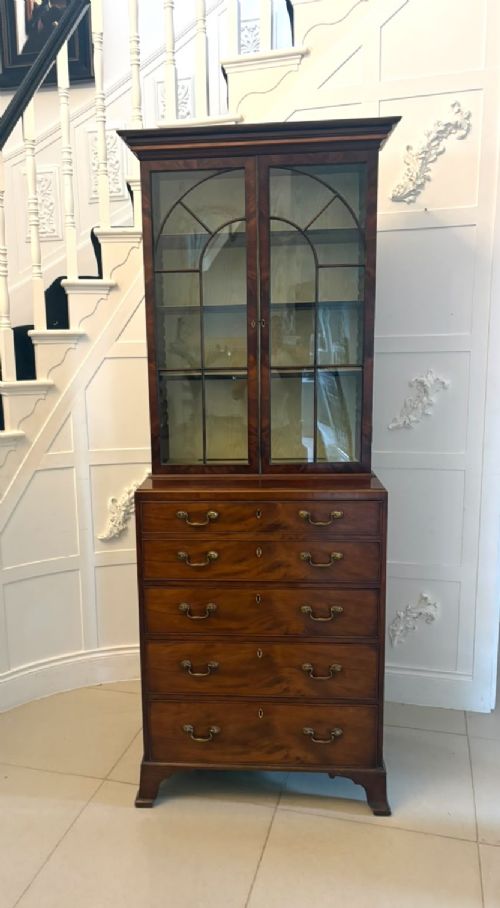
A dark wood drawer cabinet offers robust storage in dense timbers like mahogany, rosewood and oak, grounding a room with traditional British craftsmanship.
Dark Wood Drawer Cabinet
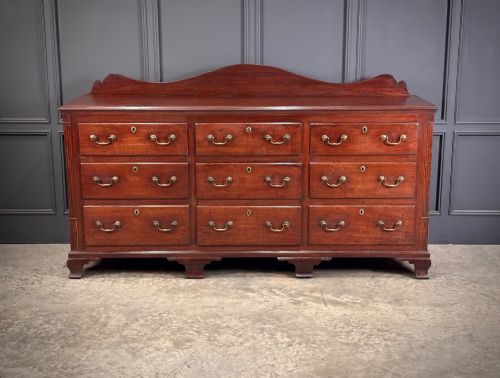
A dark wood drawer cabinet spans functional storage forms including chests of drawers, banks of drawers, filing cabinets, and specialised collector cabinets. These pieces emerge across multiple historical eras, with heavy representation from the 18th Century, Regency, Victorian, and Edwardian periods.
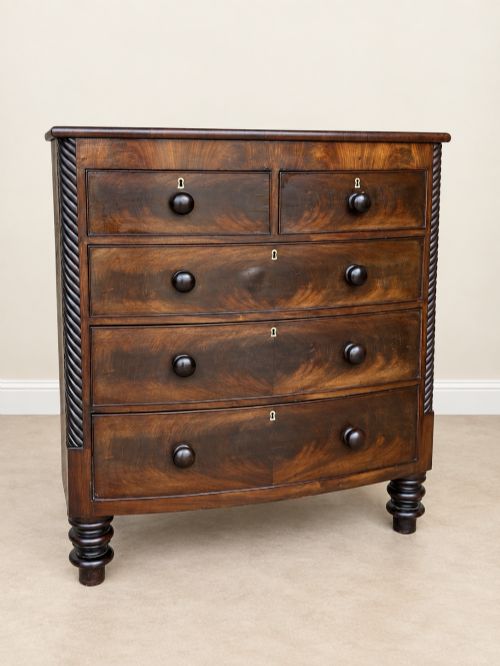
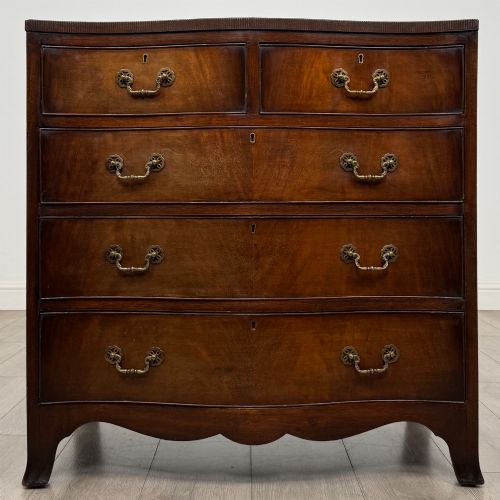
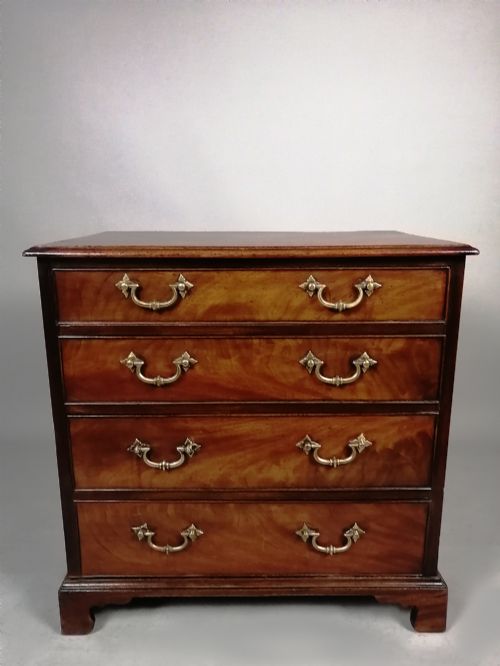
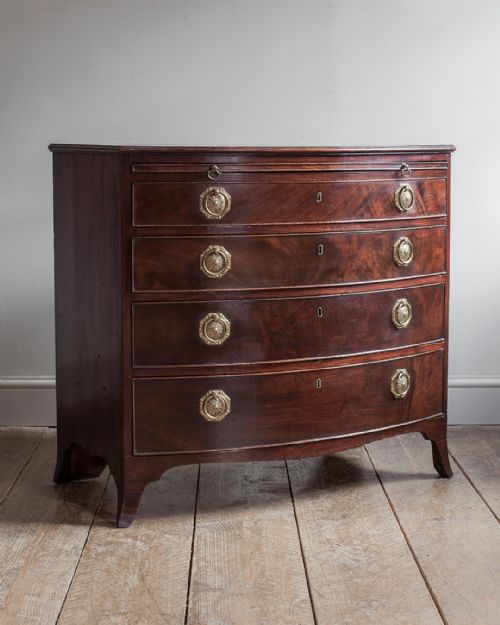
The version most commonly met on this page is the mahogany chest of drawers or smaller bedside cabinet, often reflecting Georgian, Victorian, or Edwardian domestic utility. Makers utilised dense hardwoods to construct sturdy carcasses intended for daily storage.
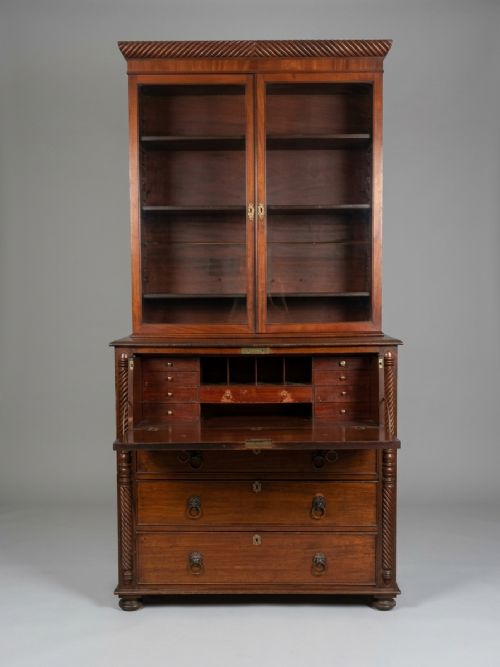
Beyond standard chests, the selection incorporates more specialised storage formats such as writing cabinets, Wellington chests, and bureau bookcases equipped with functional drawer compartments. These items demonstrate the versatility of dark wood cabinetry across domestic and professional spaces.
Materials and Construction
Cabinet makers relied heavily on dense timbers such as mahogany, rosewood, oak, and walnut, frequently enhancing surfaces with ebonised wood or intricate marquetry inlay. These durable materials formed the structural carcass and drawer housings.
Metal hardware played an essential functional and decorative role, incorporating brass pulls, iron fittings, and glass elements where doors or display sections required glazing. Original handles and label holders frequently accompany these timber structures.
Joinery techniques matched the weight of the timbers, employing sturdy framing for banks of drawers, sideboards, and tall cabinets to ensure longevity under heavy storage use.
Listings feature structural timbers including mahogany, rosewood, oak, and walnut, shaped into chests, cabinets, and bookcases across the 18th, 19th, and 20th centuries.
Standards of Execution
The standard of a dark wood drawer cabinet rests primarily on the selection of timber, such as figured walnut, Cuban mahogany, or rich rosewood, matched with the precision of the cabinet maker's joinery. Superior examples display consistent grain alignment and tight drawer tolerances.
Original hardware, including brass pulls, functional keys, and maker labels, elevates the integrity of a piece compared to later replacements. The retention of period-correct fittings demonstrates careful preservation over centuries.
Maison Krieger·Gillows
The Dark Wood Drawer Cabinet Glossary
- Secretaire
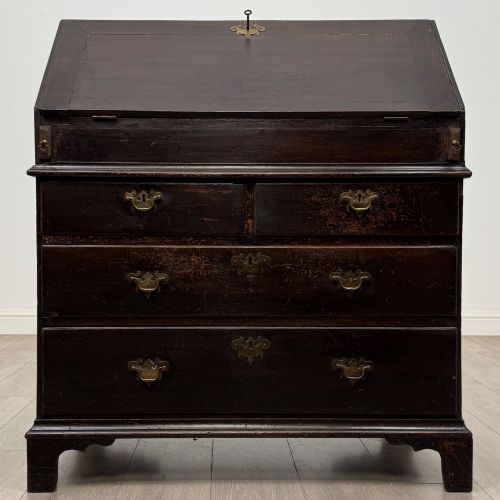
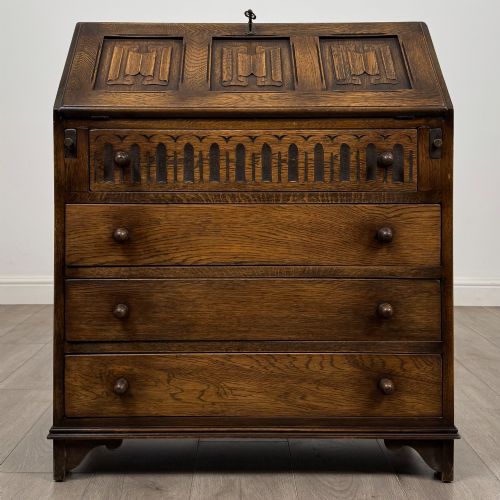
- A cabinet or desk incorporating a pull-down writing flap that conceals internal compartments and small drawers. These versatile pieces combine workspace with enclosed storage.
- Bank of drawers
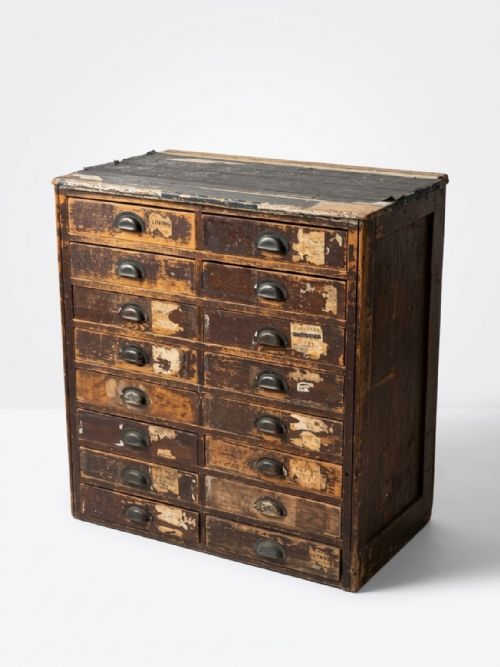
- A utilitarian multichambered storage unit designed to hold numerous small items or documents. They frequently include original label holders and specialised pulls.
- Dresser base
- A low sideboard or cabinet featuring multiple lower drawers used historically for domestic storage. These items date predominantly from earlier centuries.
- Marquetry
- Decorative veneer work forming geometric or pictorial patterns using various coloured woods. This technique adorns the exterior surfaces of finer cabinets.
Dark Wood Drawer Cabinet: Frequently Asked Questions
What is a Wellington chest?
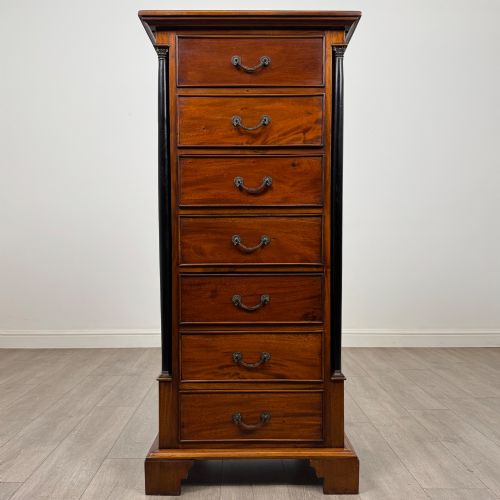
A Wellington chest is a tall, narrow storage unit comprising multiple shallow drawers secured by a locking side stile. This design originated to keep sensitive documents or valuables secure.
The locking mechanism swings over the drawer edges and fastens with a key, locking every drawer simultaneously. They appear frequently in rosewood and mahogany from the nineteenth century.
How do I style a dark wood cabinet?
Dark wood pieces like mahogany and rosewood anchor a room with deep natural tones and solid proportions. They contrast effectively against lighter walls or neutral interior palettes.
Pairing these cabinets with contemporary lighting or minimalist surroundings allows the rich grain and traditional joinery to stand out as focal points.
What timber was most commonly used?
Mahogany served as the predominant timber for quality cabinet making across the Georgian, Victorian, and Edwardian eras. Its density and reddish-brown tone suited intricate carving and smooth finishes.
Rosewood, oak, and walnut also appear regularly across the inventory, offering alternative grain patterns and darker natural patinas depending on the period.
How do I identify a bureau bookcase?
A bureau bookcase combines an enclosed upper shelving section with a lower writing desk featuring a fold-down flap and internal drawers. The upper portion often incorporates glazed doors.
These hybrid pieces provided functional workspace and library storage within a single footprint, becoming popular during the Georgian and Edwardian periods.