
Dark Wood Display Rack
A dark wood display rack brings order and character to a room, offering sturdy shelves for books, plates, and cherished objects.
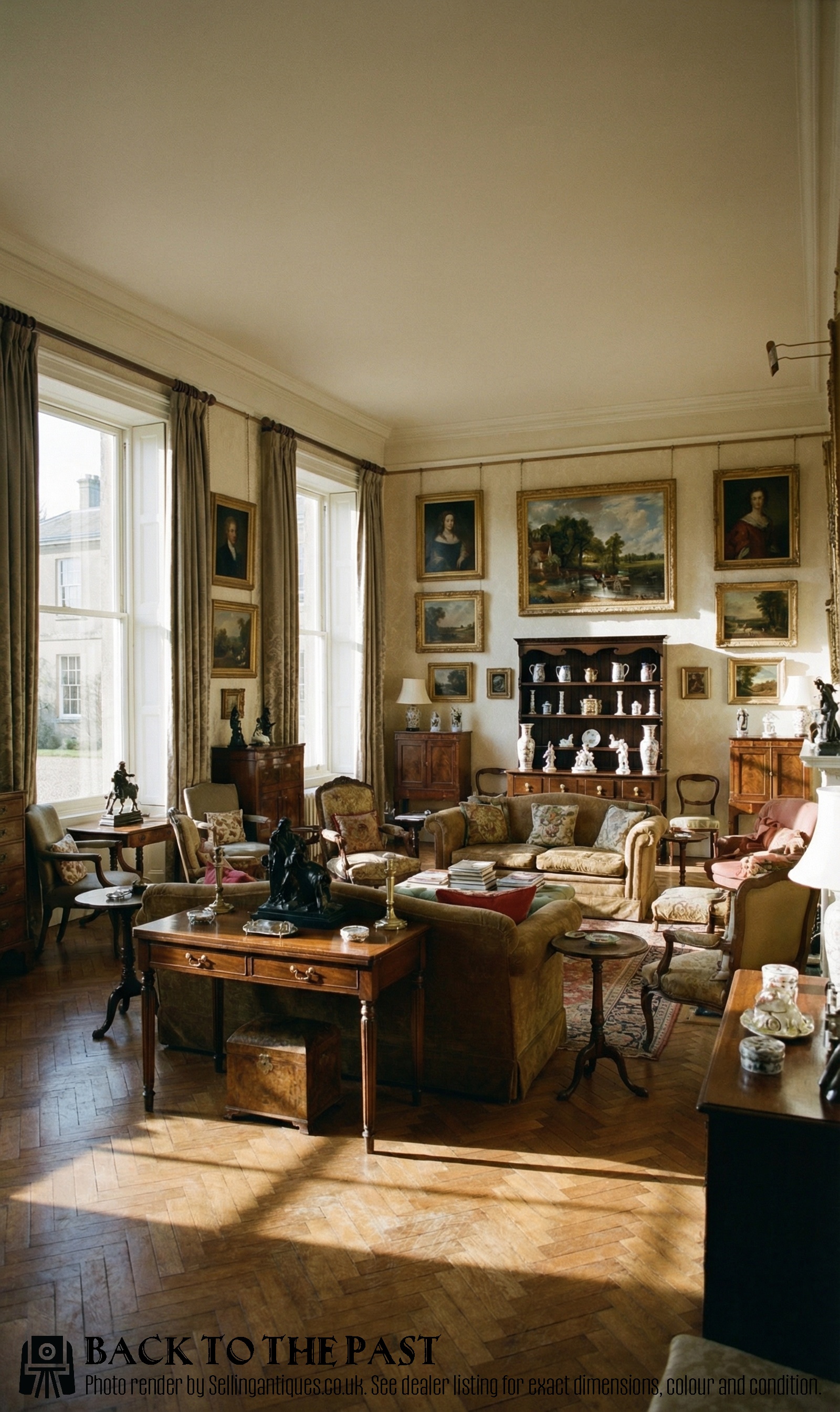
Dark Wood Display Rack
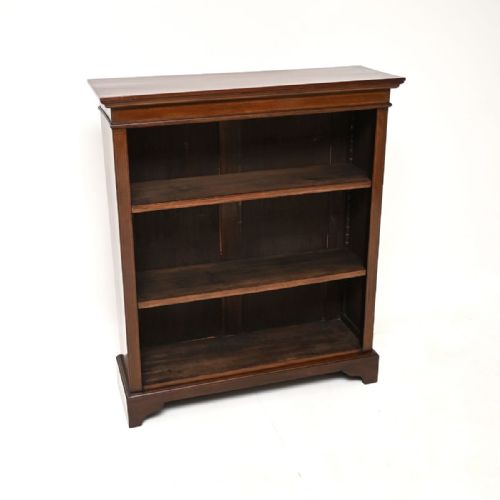
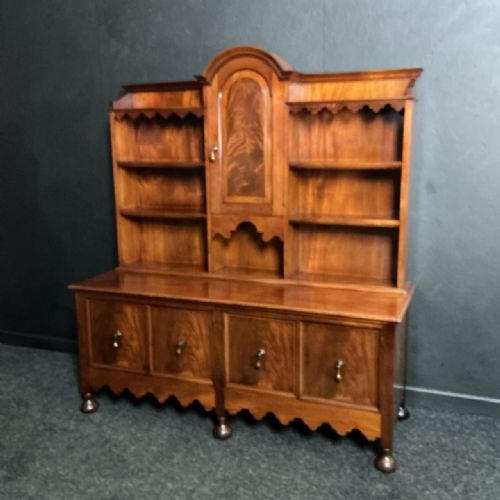
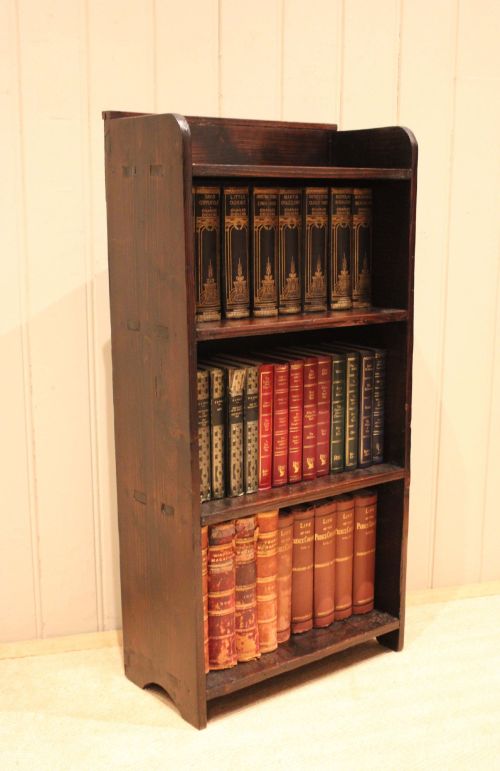
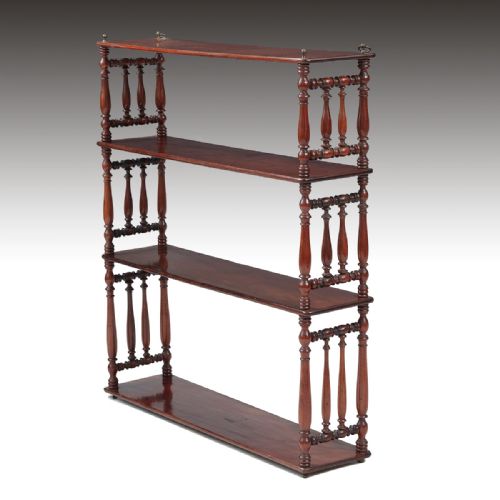
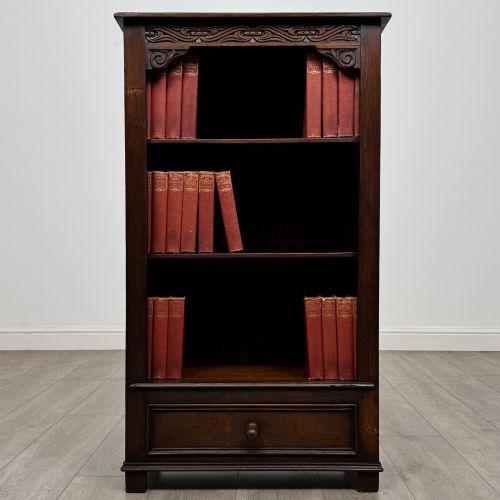
When you search for a dark wood display rack, you encounter a varied selection of wall shelves, open bookcases, dressers, and standing cabinets produced across several centuries. These pieces serve practical storage needs while providing a structured stage for books, ceramics, and personal collections.
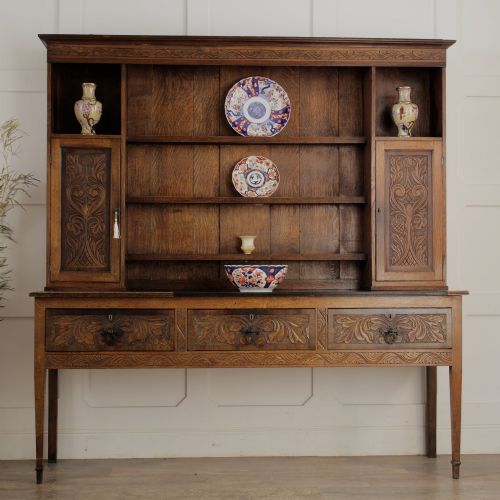
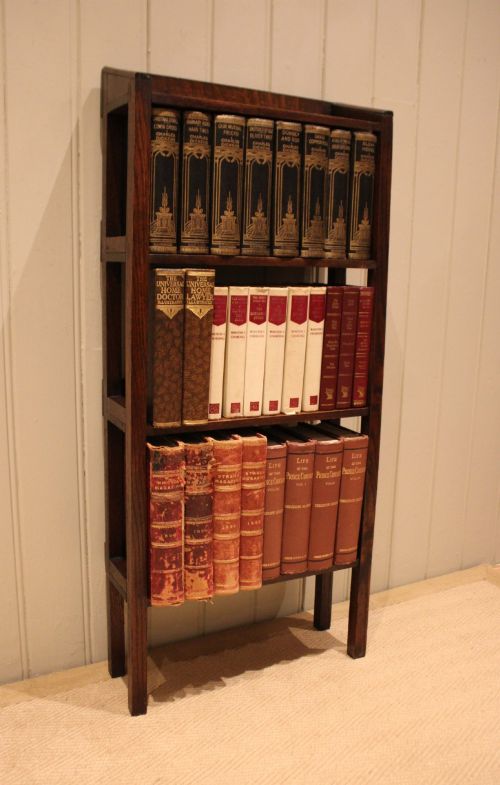
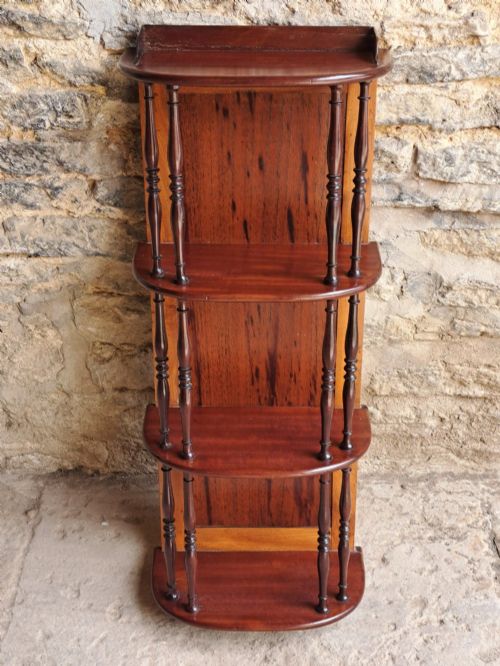
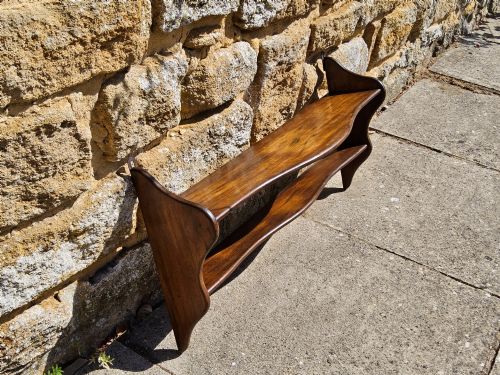
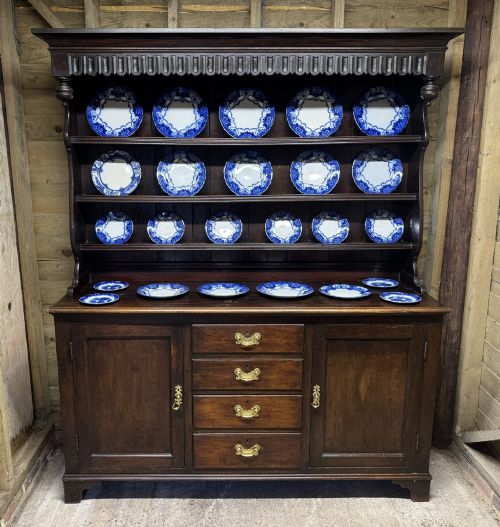
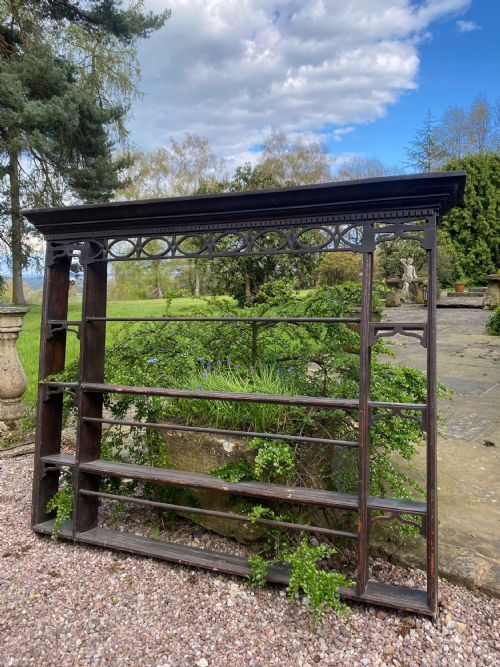
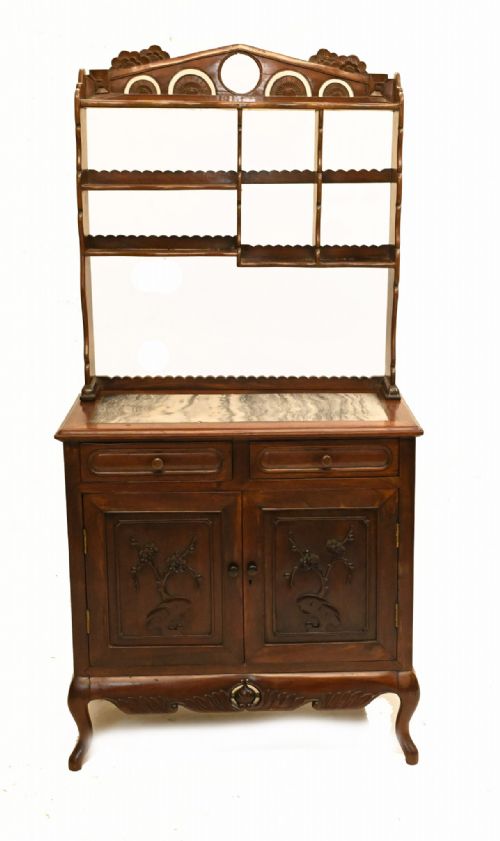
The specimens on this page span diverse periods including the Georgian, Victorian, and Edwardian eras, alongside revival styles. You find forms ranging from compact hanging wall shelves to substantial Welsh dressers and open bookcases.
Materials vary widely within this grouping, anchored primarily by rich timbers such as mahogany, oak, walnut, and rosewood. Each piece reflects the functional domestic demands of its original period, adapted for modern display purposes.
How they were made
Cabinet makers utilised dense, durable timbers such as mahogany, oak, walnut, and rosewood, often pairing them with brass hardware or mother of pearl inlay for structural and decorative emphasis. Pine and beech occasionally appear in secondary parts or more rustic vernacular interpretations.
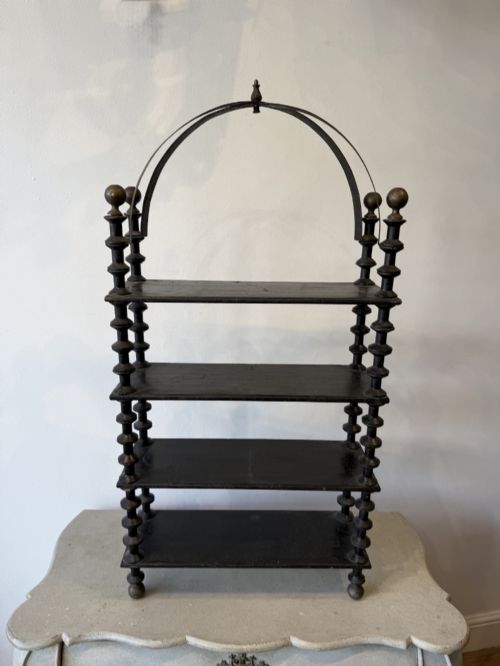
Construction techniques combine traditional joinery with period-specific ornamentation, such as carved oak details, bobbin turnings, or inlaid mahogany surfaces. Makers shaped these dark woods into hanging shelves, freestanding bookcases, and multi-tiered whatnots designed to bear the weight of heavy volumes and crockery.
What varies in quality
The distinction between standard utility items and finer examples lies in the selection of timber and the crispness of any carved or inlaid detail. Pieces featuring figured mahogany, dense rosewood, or deliberate craftsmanship in mouldings and joints command greater visual presence.
Proportion and structural integrity define the higher end of the range, where timber stability ensures shelves remain level and upright over generations. Simpler country pieces prioritise sturdy utility, whereas urban cabinet work often displays more refined proportions and decorative flourishes.
The Dark Wood Display Rack Glossary
- Whatnot
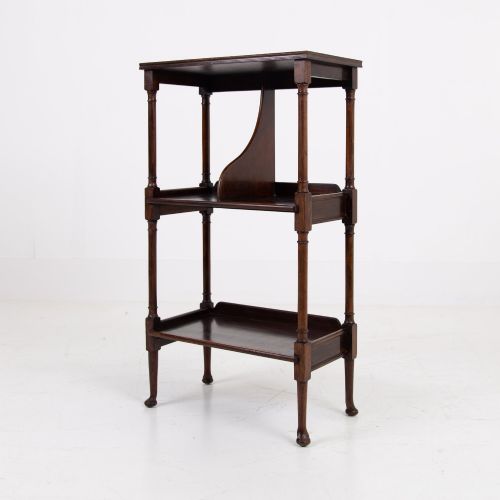
- A multi-tiered piece of freestanding furniture designed for displaying ornaments, books, or bric-a-brac. These stands became particularly popular during the Victorian period.
- Welsh dresser
- A traditional kitchen or dining furniture form combining base cupboards or drawers with an open plate rack superstructure. They are predominantly constructed from oak.
- Waterfall bookcase
- A tiered shelving unit where each successive shelf is slightly deeper than the one above it, creating a cascading profile. This form gained popularity in the nineteenth century.
- Folio stand
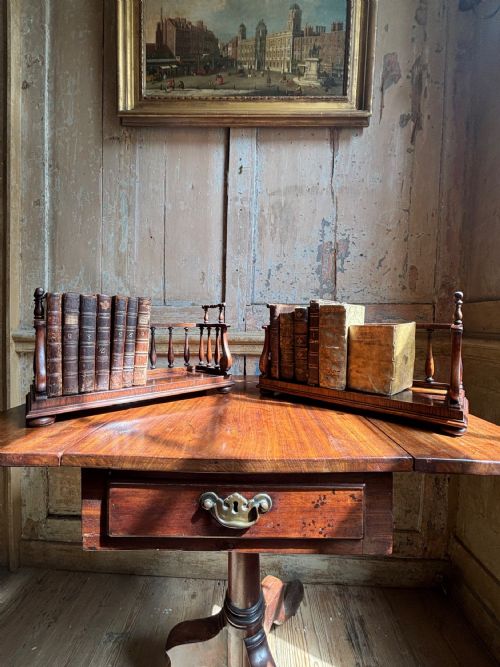
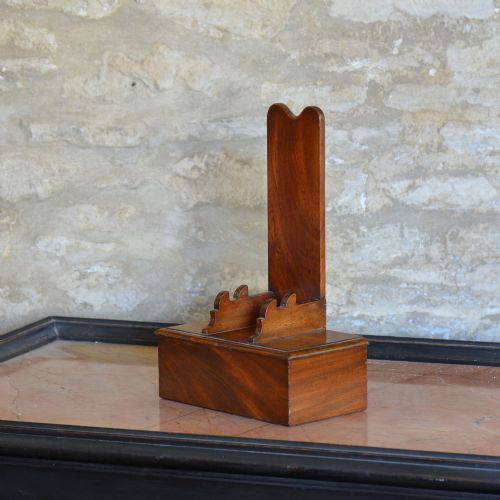
- An adjustable wooden stand designed specifically for holding large books, prints, or portfolios. These pieces allow for the easy viewing of oversized flat paper goods.
- Canterbury
- A low, partitioned stand originally designed for holding sheet music, folios, or newspapers. They often feature carrying handles and small legs with castors.
Dark Wood Display Rack: Frequently Asked Questions
What is a dark wood display rack used for?
These pieces provide accessible storage and display space for books, decorative plates, and household objects. They organise domestic interiors while keeping frequently used items within reach.
Depending on the specific form, such as a wall shelf or a folio stand, they adapt to hold reading material in studies or ceramics in dining rooms.
How do I date a wooden display shelf?
Dating relies on observing the timber species, construction methods, and prevailing decorative styles of the period. Characteristics like hand-cut joints or specific revival motifs provide clues to whether a piece originates from the Georgian, Victorian, or Edwardian eras.
Comparing the hardware, such as brass fittings, alongside the overall proportions further helps place the object in its historical context.
Are these racks suitable for heavy books?
Many of these pieces, particularly open bookcases and sturdy oak shelves, were built to support substantial volumes. Solid timber construction provides the necessary strength for heavy loads.
However, wall-mounted versions require secure installation into appropriate wall structures to safely bear significant weight.
What woods are commonly found in these racks?
The selection encompasses timbers like oak, mahogany, walnut, and rosewood, chosen for their durability and rich grain patterns. Softer woods like pine and beech occasionally appear in rustic or secondary elements.
Each wood type brings distinct colour tones and finishing qualities to the finished display unit.