


Dark Wood Conference Table
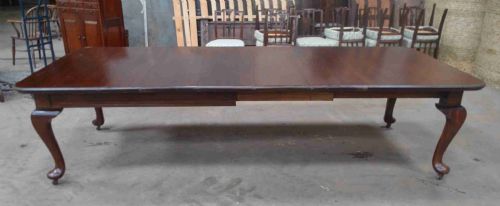
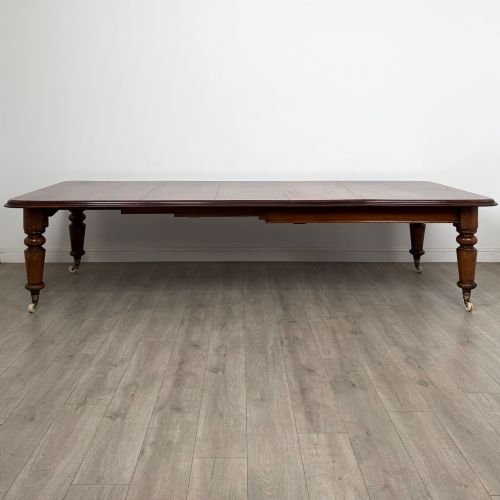
A dark wood conference table anchors a room with considerable presence, offering large scale and sturdy timbers designed for gathering.
Dark Wood Conference Table
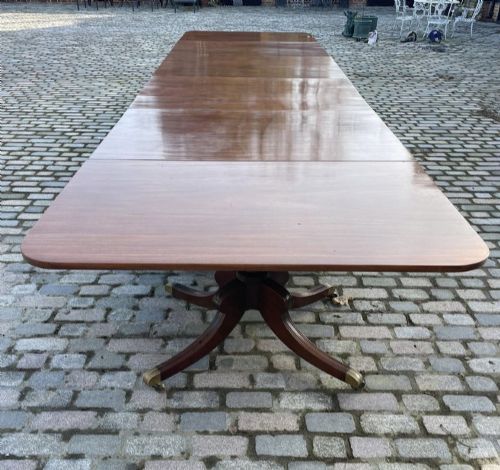
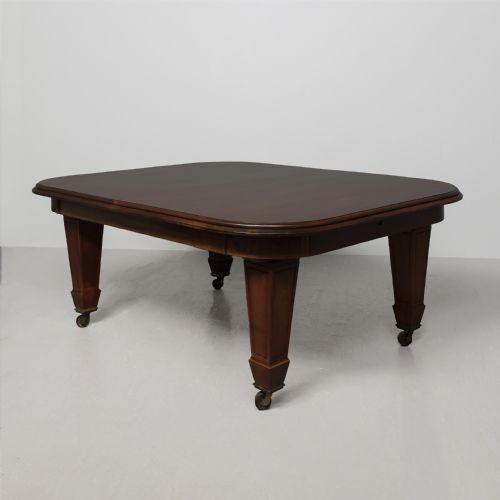
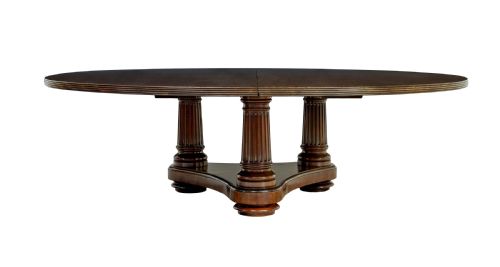
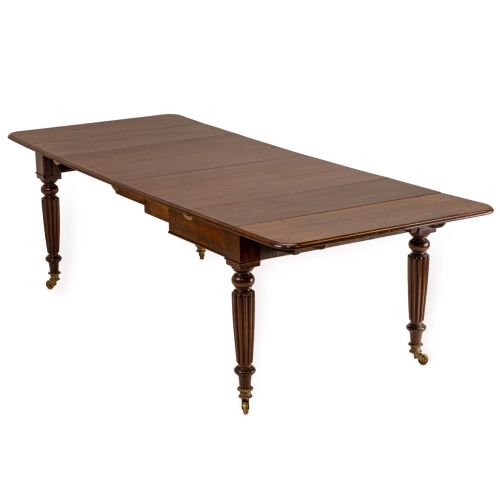
When you examine a dark wood conference table on this page, you are looking at large scale antique timber dining and extending tables repurposed for large meetings. These substantial pieces originate primarily from the Georgian, Regency, Victorian, and William IV periods, spanning the nineteenth century.
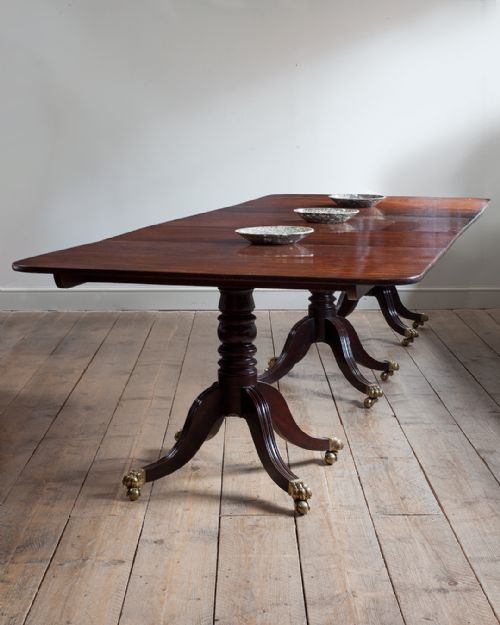
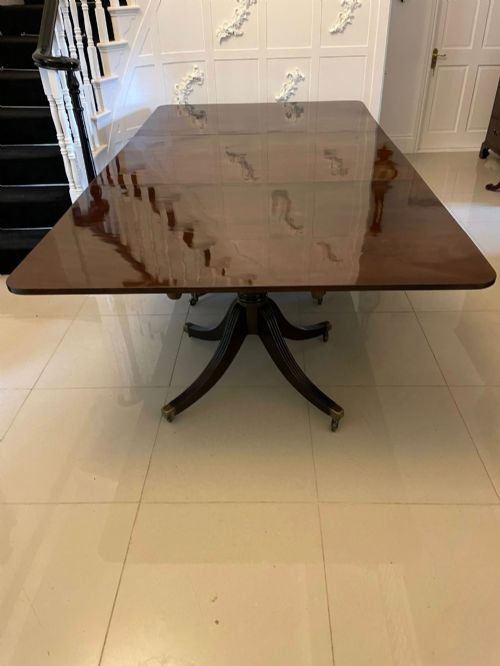
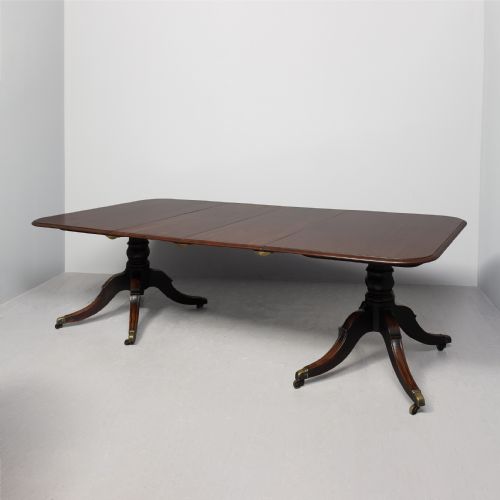
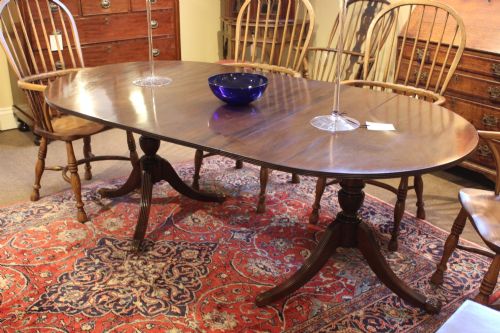
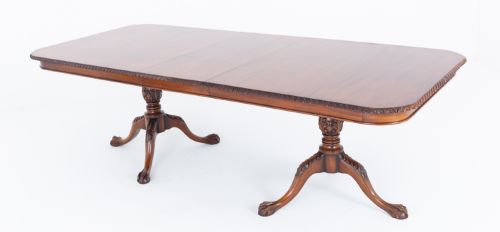
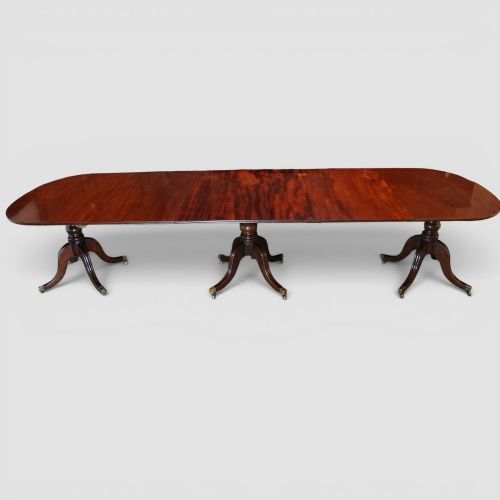
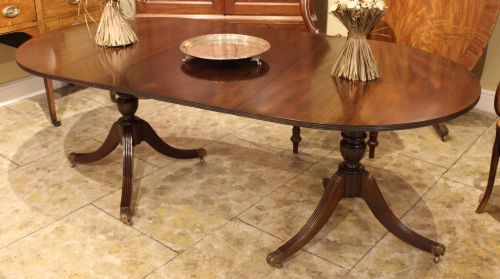
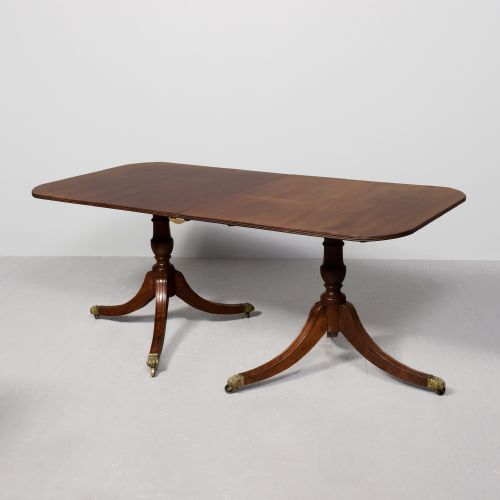
The version you are most likely to meet is a mahogany extending table featuring multiple pedestals or pillars to support extra leaves. These range from twin pillar formats up to grand multi-seater formats spanning many feet in length.
Makers often constructed these heavy forms using Cuban mahogany or oak, frequently incorporating clever winding mechanisms or removable leaves to alter the seating capacity. They combine utilitarian strength with formal cabinet-making styles such as Regency Revival and George III.
How they were made
Cabinet-makers utilised dense timbers like mahogany, Cuban mahogany, and oak, selecting boards with strong figure and deep grain. These hardwoods provided the structural integrity needed to support extending mechanisms and numerous heavy leaves over long spans.
Joinery relied on sturdy pedestal bases, pillars, and split bases fitted with brass castor feet to allow smooth movement across floors. Tables frequently integrated internal wooden runners and hand-turned screws to expand safely when hosting large gatherings.
Some tables stretch past fifteen feet, requiring serious teamwork and a very spacious lift.
What varies in quality
The standard of timber selection sets the baseline for quality, particularly the presence of richly figured mahogany or dense Cuban mahogany across the top and leaves. Superior examples maintain colour consistency between the main sections and the extra leaves even when fully extended.
The engineering of the pedestal supports and extending mechanism dictates the longevity and stability of the piece. Robust pillars, solid brass fittings, and well-aligned original leaves distinguish the finest workshops from standard production.
Gillows
The Dark Wood Conference Table Glossary
- Extending table
- A table designed with a mechanism or removable leaves to increase its overall length for seating more people. This allows the surface to adapt for daily use or large assemblies.
- Pedestal base
- A central column or cluster of pillars supporting the tabletop rather than standard corner legs. This configuration provides maximum legroom for seated occupants.
- Leaf
- A removable section of timber inserted into the centre of an extending table to lengthen the surface. Original leaves match the grain and patina of the primary tabletops.
- Cuban mahogany
- A dense, dark tropical hardwood highly prized in nineteenth-century cabinet-making for its rich grain and weight. It resists wear significantly better than softer alternative timbers.
- D end
- A table format where the ends are rounded in the shape of a capital letter D. These sections often detach to function as console tables or join together to form a complete oval.
Dark Wood Conference Table: Frequently Asked Questions
How do I operate the extending mechanism?
Most antique extending tables utilise wooden runners paired with a central winder handle to pull the sections apart. You then drop the matching leaves into the gap and secure the top.
Ensure the table is cleared entirely before attempting to expand the leaves to prevent strain on the internal runners and pedestals.
What is a pedestal dining table?
A pedestal table rests on one or more central columns rather than conventional vertical legs at the corners. This design distributes weight evenly and eliminates blocked legroom.
Larger versions employ twin, triple, or multiple pillars to support extended lengths securely while maintaining structural balance.
How do I care for mahogany timber?
Keep the wood away from direct sunlight and strong heat sources to prevent the natural timber from drying out or splitting. Apply high quality wax periodically to nourish the grain and protect the finish.
Use felt pads under items placed on the surface and wipe spills promptly with a dry cloth.
How do I identify a Regency period table?
Regency tables typically feature clean architectural lines, rosewood or mahogany veneers, and sturdy brass castor feet. The styling leans towards classical restraint influenced by ancient Greek and Roman forms.
Look for heavy pedestal bases and subtle reeding details on the pillars rather than heavy carving.