
Dark Wood Bedroom Commode
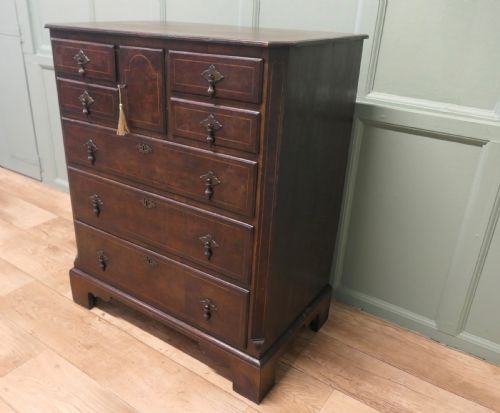
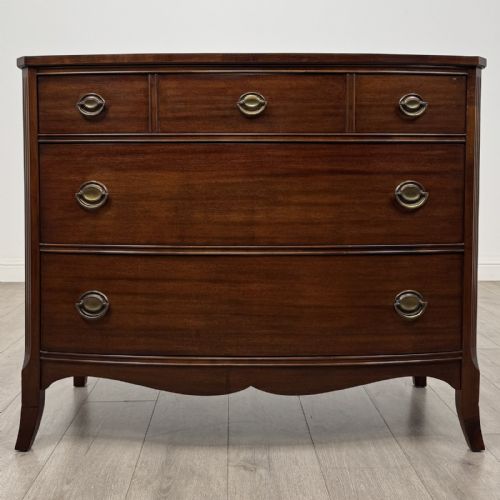
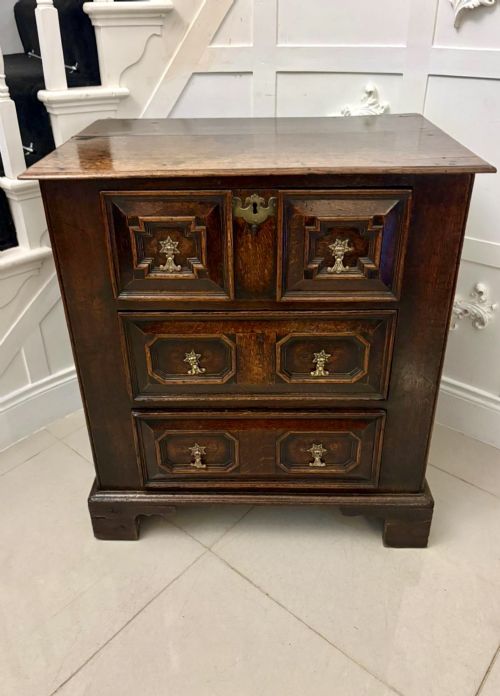
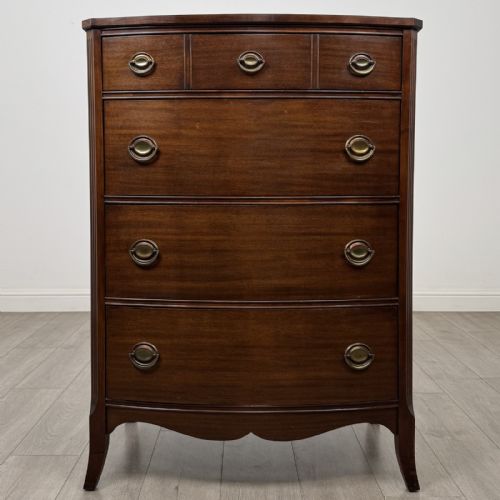
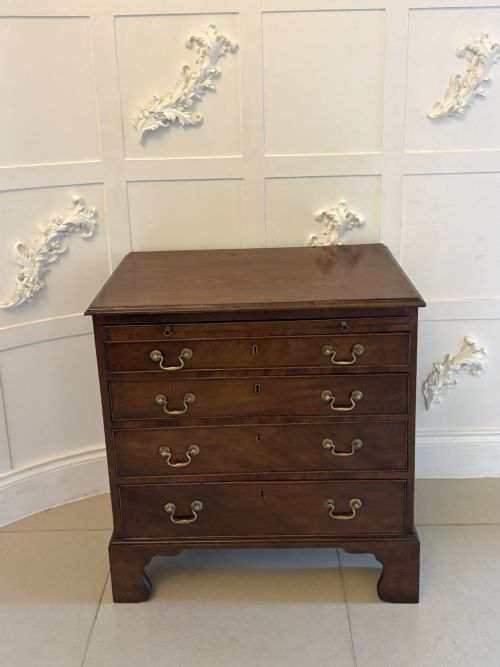
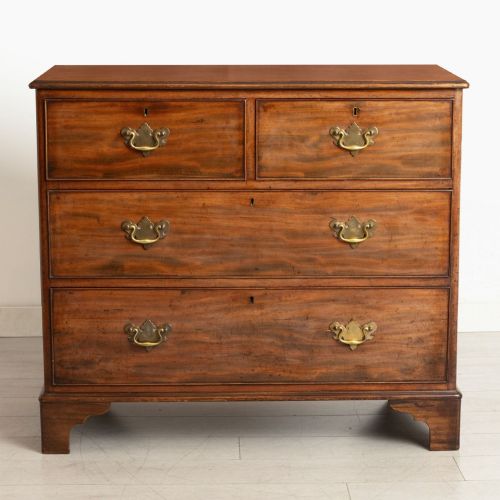
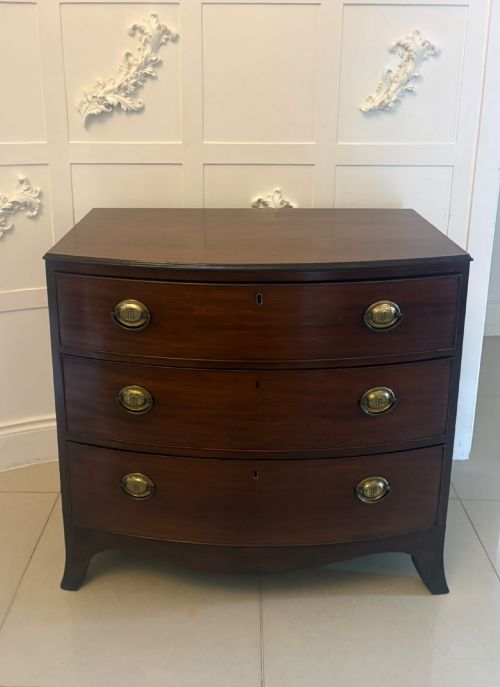
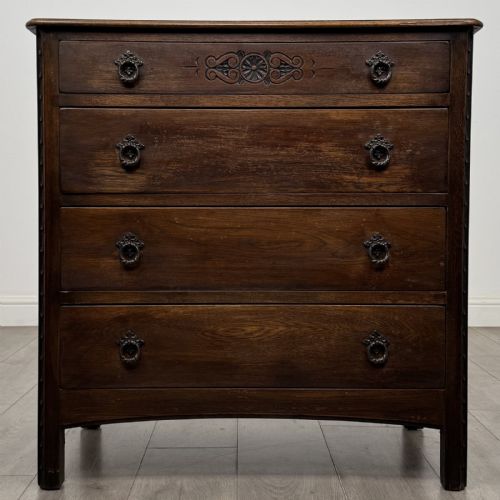
These dark wood bedroom commode pieces are heavy timber storage chests and bedside cabinets built to hold linen and personal items.
Dark Wood Bedroom Commode
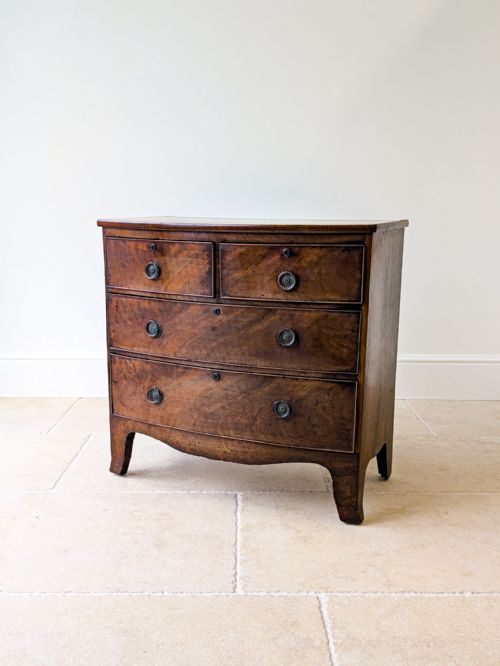
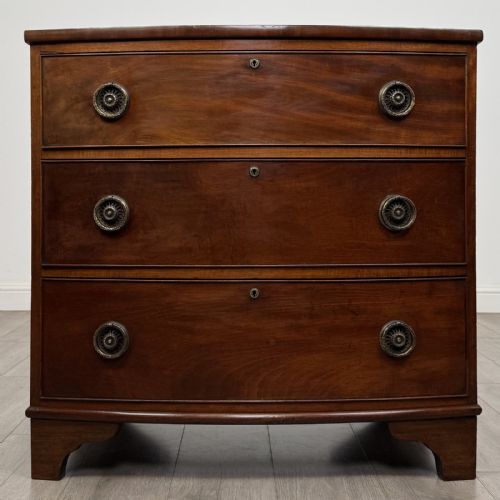
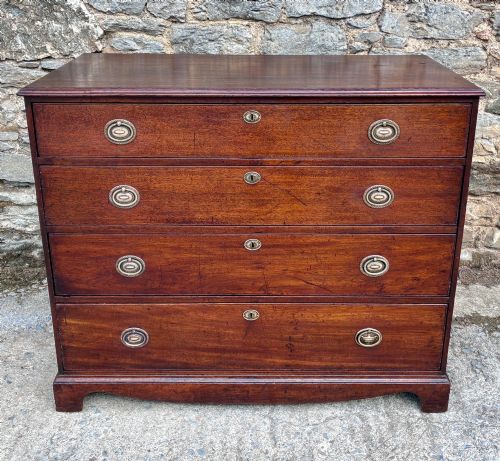
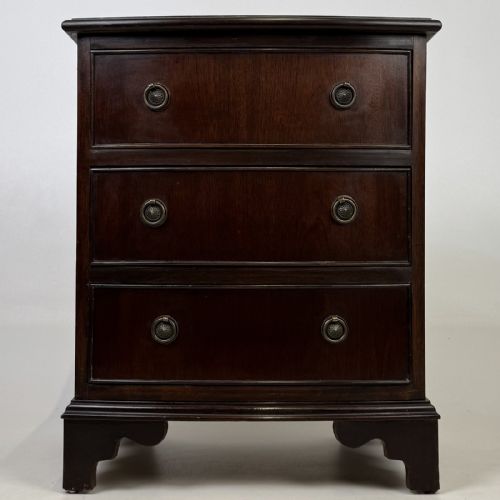
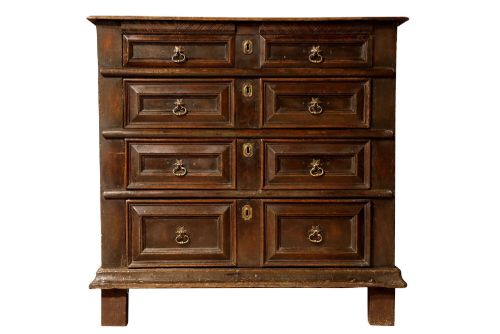
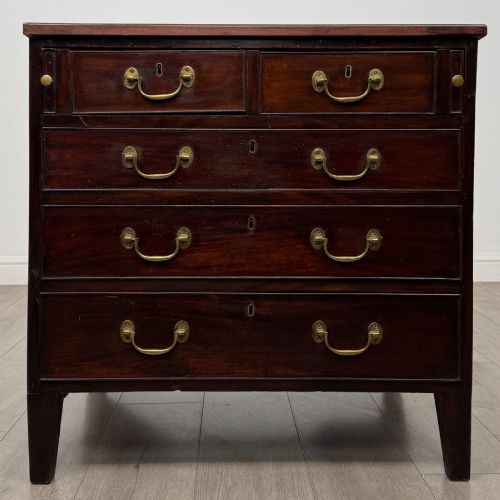
When searching for a dark wood bedroom commode, a buyer encounters chest of drawers and bedside cabinet forms spanning several centuries. The selection ranges from robust seventeenth century oak examples to eighteenth century Georgian and nineteenth century Regency designs.
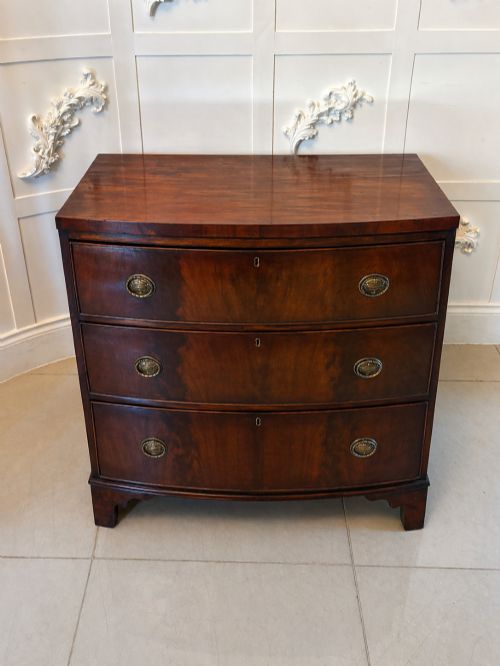
Most pieces seen here adopt mahogany, flame mahogany veneer, or oak timbers configured into rectangular, bow front, or serpentine silhouettes. Alongside British regional work, French Empire and Louis Philippe interpretations appear frequently on this page.
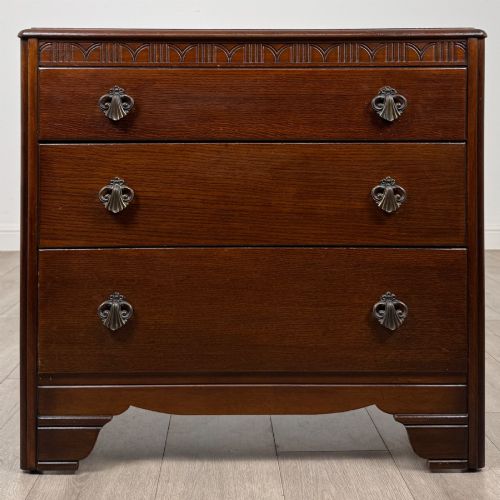
Earlier formats often feature fitted internal elements such as writing brushes and sliding shelves. Later twentieth century revivals emulate these proportions using traditional timber vocabularies.
Materials and construction methods
Cabinet makers utilised dense primary timbers such as mahogany, oak, and walnut, frequently applying figured flame mahogany veneer to primary drawer fronts for visual depth. Secondary structural supports often incorporated pine alongside heavier hardwoods.
Surface details relied on contrasting stringing, satinwood banding, and cast brass drawer furniture. Skilled joiners shaped curved bow front and serpentine profiles from solid timber blocks or bent laminations.
Early cabinet makers occasionally secreted hidden drawers behind secret locking panels to guard family currency.
Judging timber and execution
Quality rests on the selection of the timber grain, particularly the choice of dense Cuban mahogany or figured flame veneers matched symmetrically across the drawer fronts. Finer examples display meticulous dovetail joinery in the drawer construction and well preserved original brass hardware.
Proportion and line dictate the success of the piece, where subtle serpentine sweeps and disciplined cockbeading separate accomplished workshop production from standard commercial output. The depth of the timber finish and the integrity of the secondary woods further distinguish superior survivals.
Whytock & Reid
The Dark Wood Bedroom Commode Glossary
- Bow front
- A convex curved cabinet front popular during the Georgian and Regency periods. This shape softens the room aesthetic while expanding internal storage capacity.
- Serpentine
- A horizontally undulating front edge featuring a central convex curve flanked by concave sweeps. This complex joinery requires precise hand shaping of solid timber.
- Flame mahogany veneer
- A thin slice of timber cut from wood where the branch meets the trunk, displaying a fiery, rippled grain pattern. Cabinet makers laid this over a stable secondary wood base.
- Satinwood banding
- A narrow strip of pale exotic timber inlaid around the drawer perimeters or borders. It provides a crisp visual contrast against darker primary mahogany surfaces.
- Writing brush and slide
- A pull out wooden board integrated above the top drawer for correspondence. It functions as a compact ledge beneath the main chest top.
Dark Wood Bedroom Commode: Frequently Asked Questions
What is a dark wood bedroom commode?
A dark wood bedroom commode is a timber chest of drawers or bedside cabinet designed for private sleeping quarters. These pieces provide deep structural storage for clothing and personal belongings.
They utilise heavy hardwoods like mahogany, oak, and walnut finished with polished dark patinas. The forms range from plain seventeenth century oak boxes to shaped eighteenth and nineteenth century serpentine designs.
How do I date a mahogany chest?
Dating relies on examining the construction methods used inside the drawers and the overall profile of the case. Hand cut dovetails and native secondary woods typically indicate eighteenth or early nineteenth century origin.
Stylistic markers such as brass handle types, bracket feet, and veneer choices help narrow the decade of manufacture. Later twentieth century Georgian revival pieces adopt older proportions while retaining modern assembly clues.
Where were these pieces made?
Many examples originate from British workshops across England, Scotland, and the Channel Islands during the Georgian and Regency eras. Regional cabinet makers adapted prevailing metropolitan fashions to local timber supplies.
Continental pieces also feature prominently, including French Empire and Louis Philippe variations from the nineteenth century. These imported models display distinct brass mounts and bolder architectural cornices.
How do I care for antique timber?
Antique timber requires stable indoor humidity levels away from direct heat sources and strong sunlight. Consistent environmental conditions prevent the solid wood and veneers from splitting.
Regular dusting with a dry, soft cloth maintains the natural wax finish without chemical buildup. Occasional application of traditional beeswax feeds the dry grain over time.