
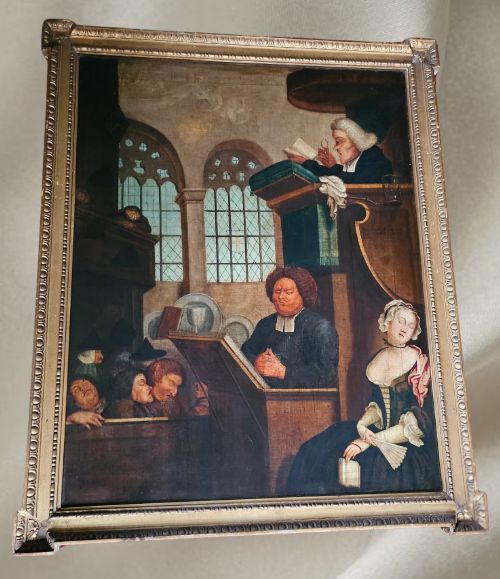
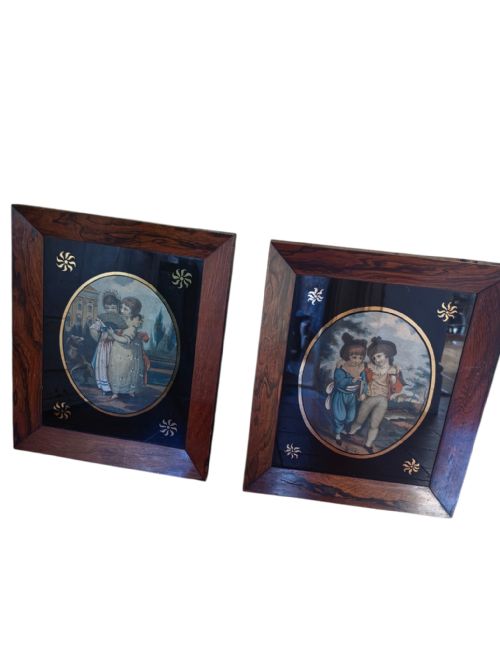
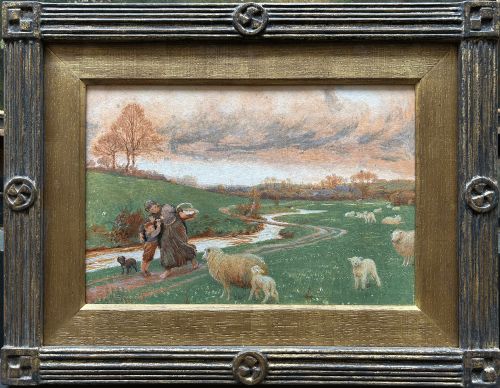
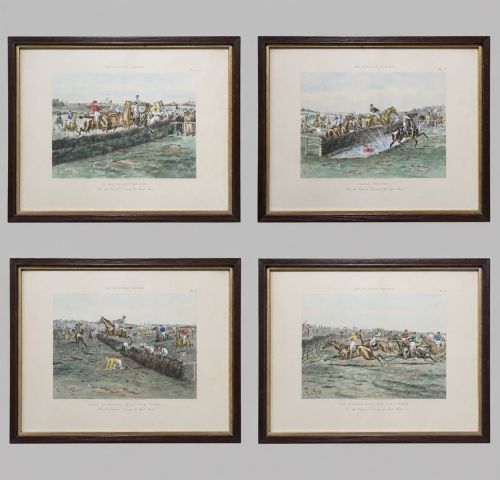
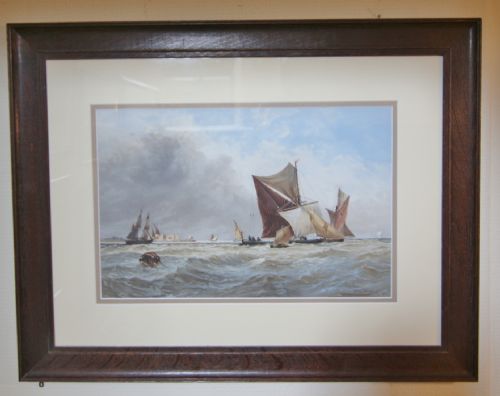
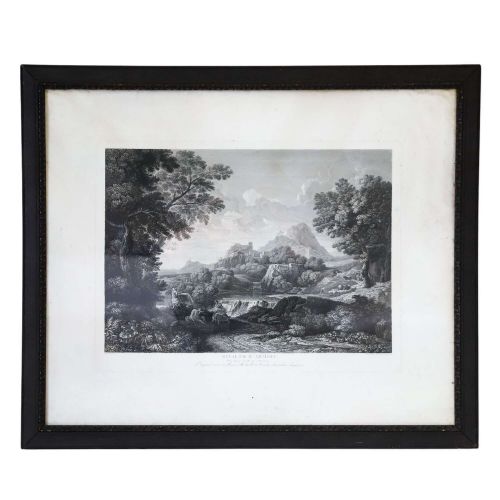
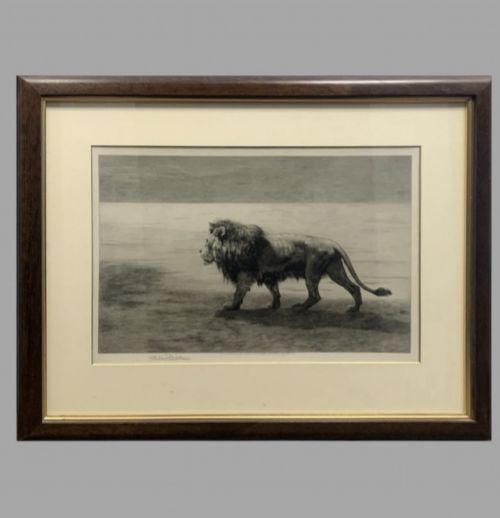
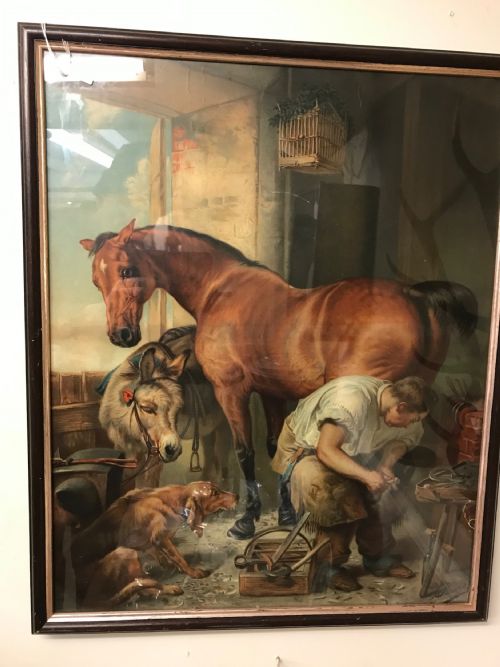
Dark Wood Art Print
These dark wood art print pieces bring together period frames and historic works on paper to anchor a room.
Dark Wood Art Print
A dark wood art print combines historic printed works, engravings, and watercolours with traditional timber surrounds. When you search for a dark wood art print, you encounter framed pieces dating from the eighteenth century through to the early twentieth century.
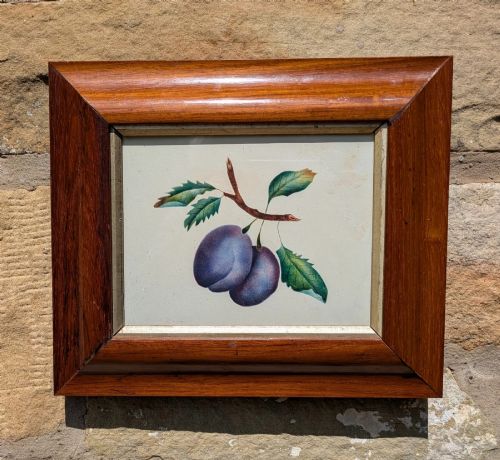
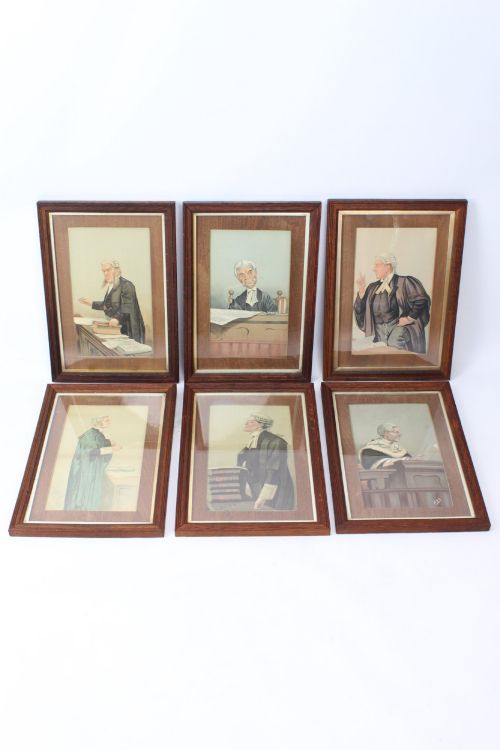
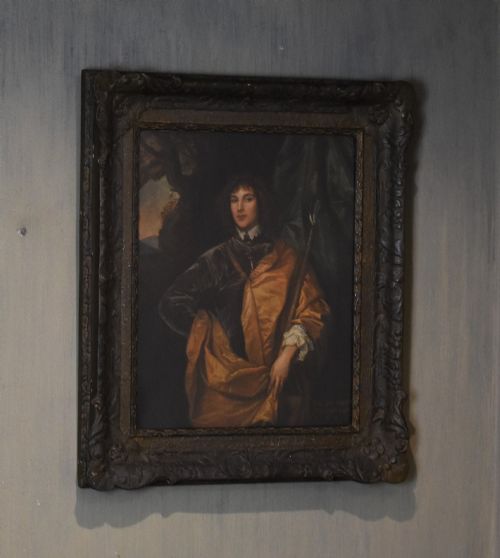
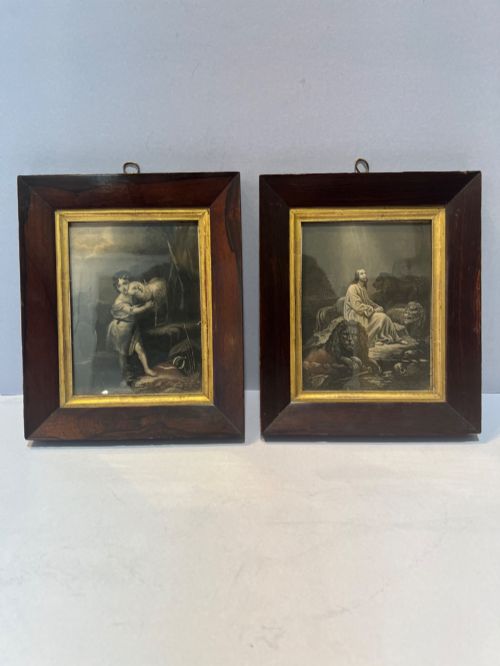
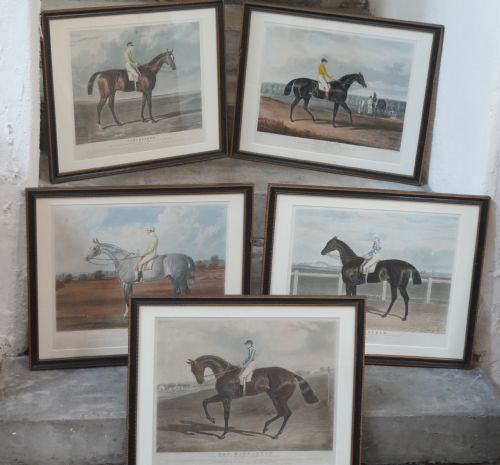
The selection on this page relies heavily on nineteenth century frames in rich rosewood and mahogany, often housing botanical studies, animal portraits, and sporting aquatints. These works span domestic scenes, natural history, and classical portraiture from British, French, and Japanese origins.
How they were made
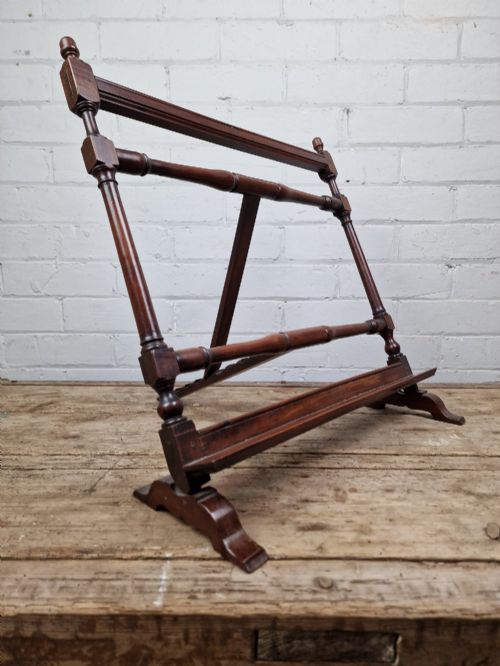
Makers utilised dense timbers such as rosewood and mahogany to construct sturdy mouldings that protect the paper within. Glazing holds the works flat, while early mount methods incorporate silk brocade or simple paper mats.
The imagery itself relies on hand-applied watercolour pigments, copperplate engraving, lithography, and reverse painting on glass. Ink and gold leaf frequently accent the printed surfaces, creating depth within the frame.
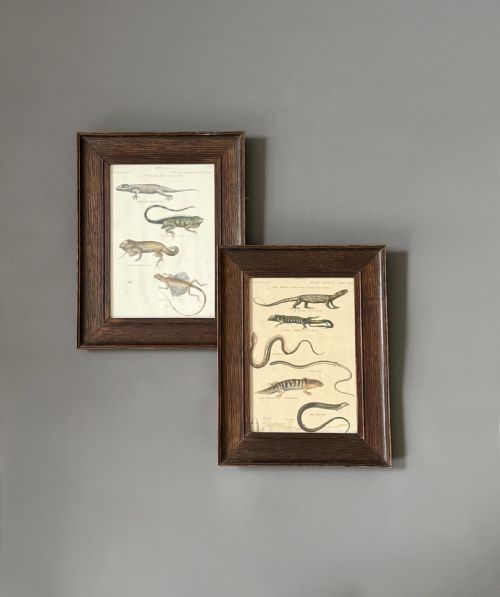
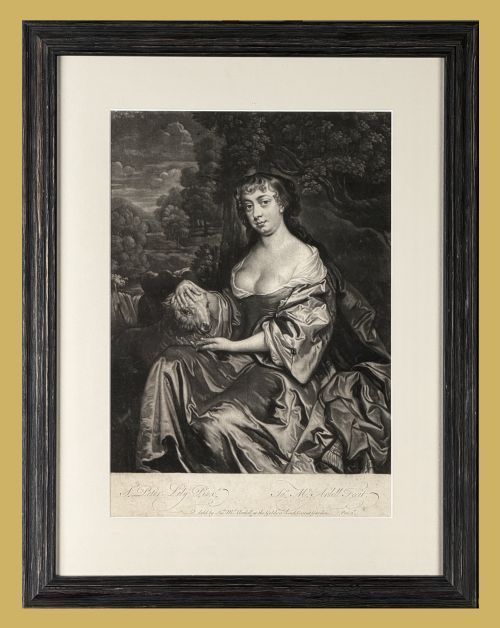
A seventeenth-century portrait of Queen Anne rubs shoulders with nineteenth-century printing blocks and Victorian reptile studies.
What varies in quality
The depth of the grain in the timber surround and the crispness of the impression on the paper determine the standing of each piece. Finer plates yield sharp lines in architectural drawings and botanical watercolours, whereas worn printing blocks produce softer, muddier imagery.
Original frames matching the exact period of the artwork elevate the piece above later replacements. The preservation of the glass, the stability of the wood joints, and the clarity of any signatures or artist proofs further define the grade of the work.
William Bird MD FLS·James Macardell·Sir Peter Lely·William Hogarth·George Finch Mason·TB Hardy·Herbert Dicksee·Edwin Henry Landseer·van Dyck·Thomas G Appleton·Abraham Cooper·Arthur Hacker·Antonio Capellan·Michelangelo·Gainsborough·Victor Adam
The Dark Wood Art Print Glossary
- Mezzotint
- A printmaking process of the intaglio family where the plate is roughened to produce rich dark tones and subtle gradations of light. This technique allows for deep shadows and smooth portraits.
- Aquatint
- A variant of etching that produces broad tonal areas resembling watercolours by using acid-resistant resin on a copper plate. It appears frequently in sporting and landscape series.
- Eglomise
- A technique of applying gold or silver leaf to the reverse side of glass combined with a design. It creates a mirrored, reflective border around historic prints.
- Vellum
- A fine parchment made from calfskin used as a durable writing and printing surface. Artists often signed proof impressions directly onto this material.
- Reverse glass painting
- An art form where the image is painted directly onto the back of a glass panel so it is viewed from the front. This method gives the colours a distinct gloss and preservation.
Dark Wood Art Print: Frequently Asked Questions
How do I hang a heavy wooden frame safely?
Use brass picture wire rated well above the weight of the piece and secure two sturdy hooks directly into wall studs. This distributes the load evenly and prevents the timber mitres from straining.
Avoid hanging these pieces in rooms with high humidity or direct sunlight to protect the paper and the dark wood finish from warping or fading.
Are reverse glass prints fragile?
Yes, because the pigment adheres directly to the glass pane rather than to a separate paper backing. Any impact or moisture behind the glass can lift the painted layer.
Handle these items by the outer frame only and keep them away from temperature extremes to prevent the glass from cracking.
How do I distinguish an engraving from a lithograph?
Engravings leave a distinct plate mark indent in the paper where the metal sheet pressed into the damp fibres under high pressure. The ink lines also sit slightly raised from the surface.
Lithographs display a flat surface without a plate impression, relying on a chemical planographic process that produces softer dot patterns visible under magnification.