
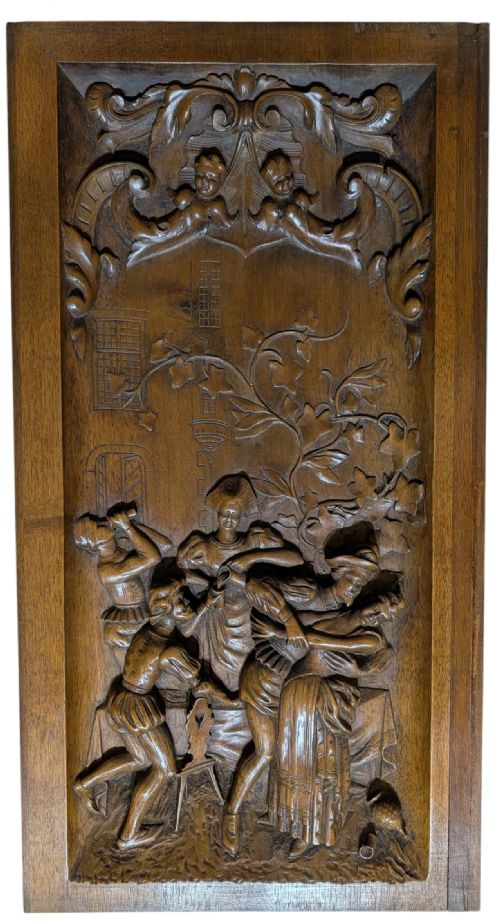


Dark Wood Architectural Carvings
Dark wood architectural carvings bring centuries of craftsmanship into a room, offering rich textures and historic depth.

Dark Wood Architectural Carvings
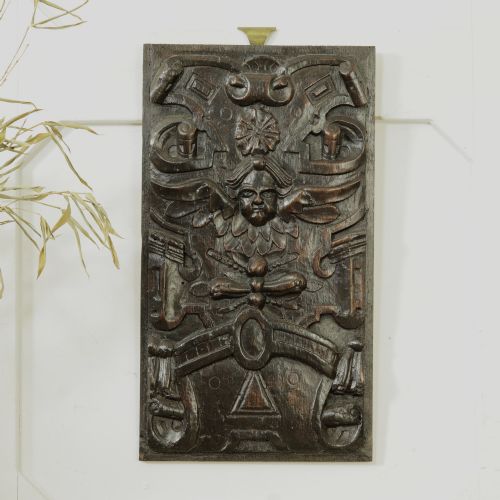
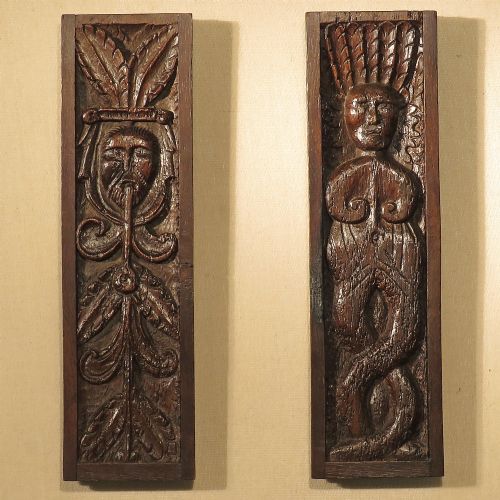
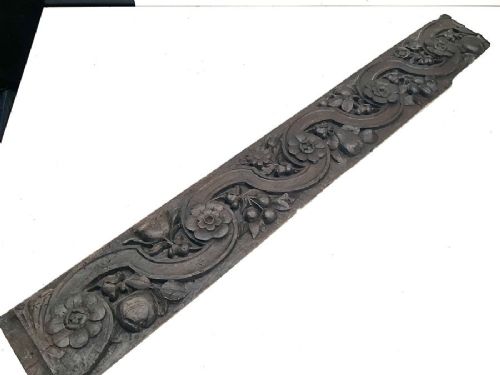
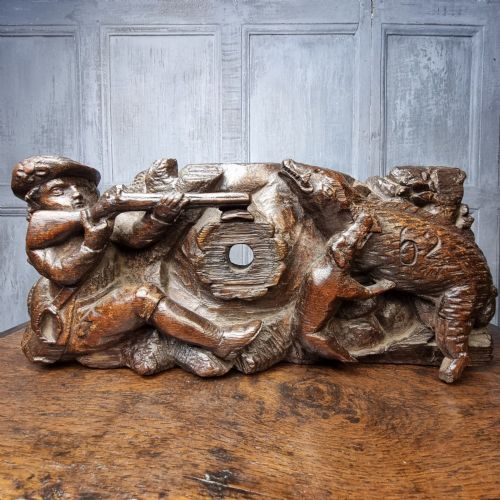
Dark wood architectural carvings span centuries, featuring remnants from ecclesiastical buildings, grand houses, and structural joinery repurposed as wall decoration. When searching for dark wood architectural carvings, buyers encounter panels, friezes, ceiling bosses, and figural fragments that once formed part of a larger building.
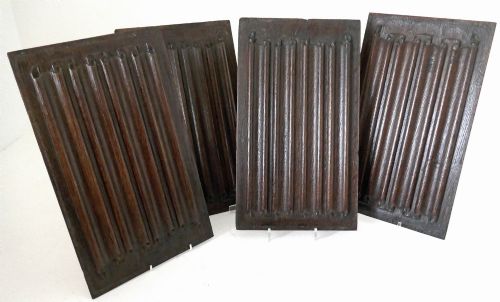
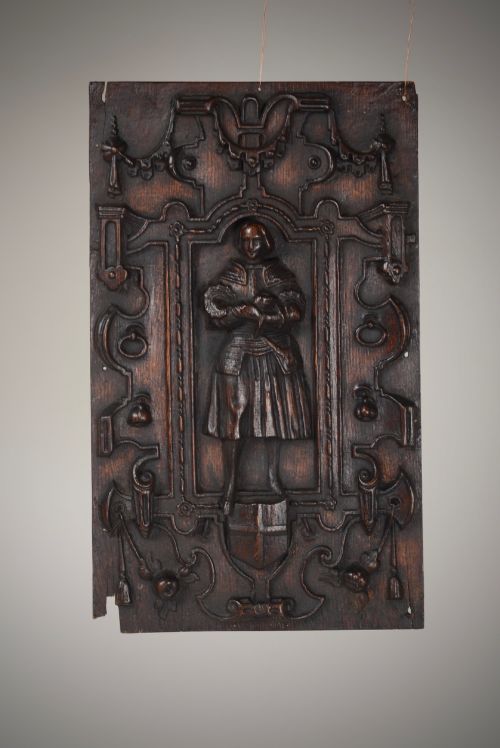
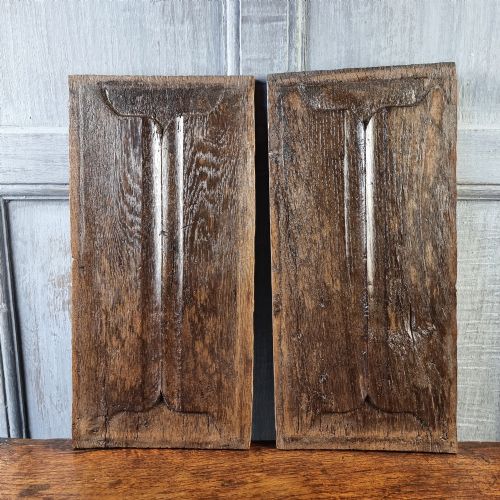
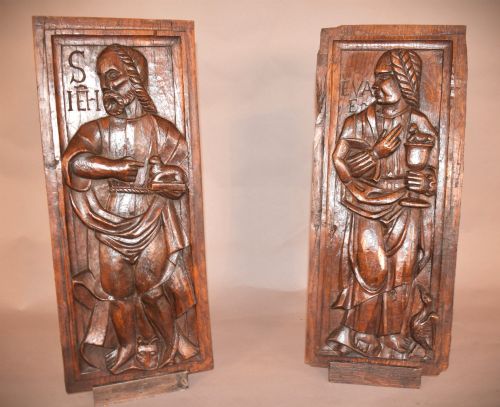
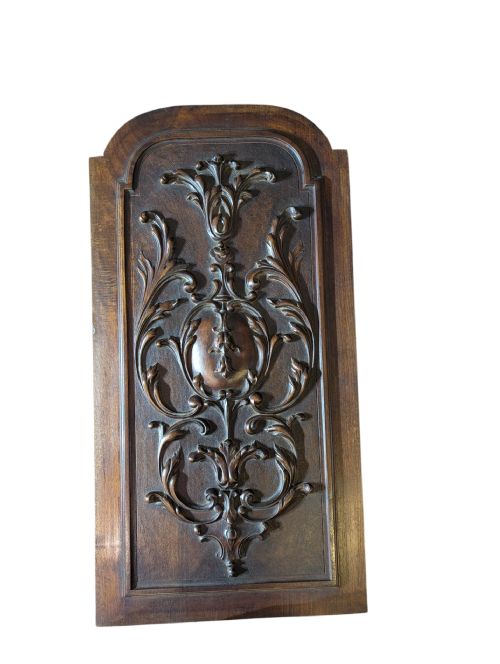
The selections on this page focus heavily on oak and walnut pieces originating from the sixteenth, seventeenth, and nineteenth centuries. Wall panels, linenfold designs, and high-relief sculptures dominate the current listings, reflecting the survival rates of durable timbers.
Originating from English, Flemish, German, and wider European workshops, these items bring tangible historical fabric into contemporary interiors. Buyers select them for their deep patination and the sculptural presence they add to plain walls.
Quality differences
Quality rests on the depth of the carving, the crispness of the remaining detail, and the anatomical accuracy of figural elements like cherubs, lions, or human terms. Master carvers achieved subtle facial expressions, fluid drapery, and undercut foliage that lesser hands rendered stiffly.
The integrity of the timber also dictates the standard of a piece, separating crisp, well-stored survivals from those degraded by excessive wear or poor past alterations. Original surfaces and untouched patination elevate a piece above examples that have undergone heavy cleaning or modern re-carving.
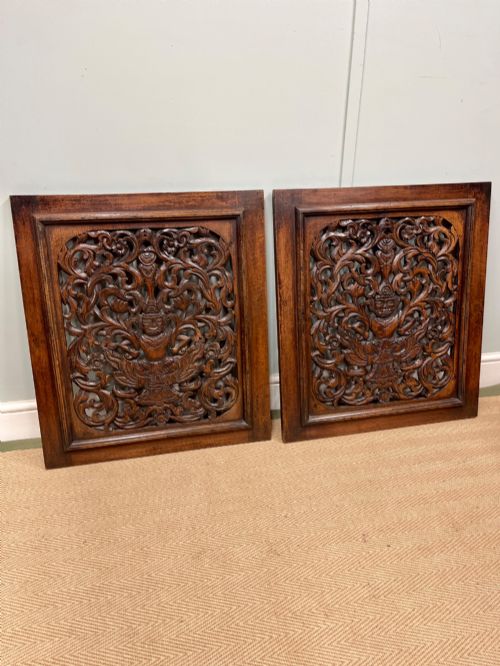
Listings feature structural timber elements executed in solid oak, walnut, pine, and hardwood across various European and Asian traditions.
Edward Pearce·Hugues Sambin
The Dark Wood Architectural Carvings Glossary
- Linenfold
- A style of wood panel carving popular in the fifteenth and sixteenth centuries that resembles folded linen fabric. It gives flat walls a textured, textile-like appearance.
- Acanthus
- A decorative motif based on the leaves of the Mediterranean acanthus plant, heavily utilised in Baroque and classical architecture. Carvers render these leaves with curled edges and deep undercut channels.
- Green Man
- A sculptural architectural ornament depicting a human face surrounded by or sprouting from foliage. This motif symbolises rebirth and appears frequently in medieval and gothic woodwork.
- Term
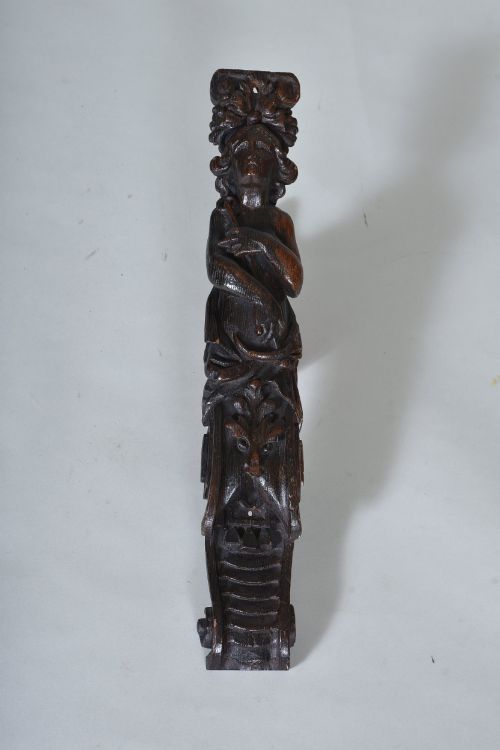
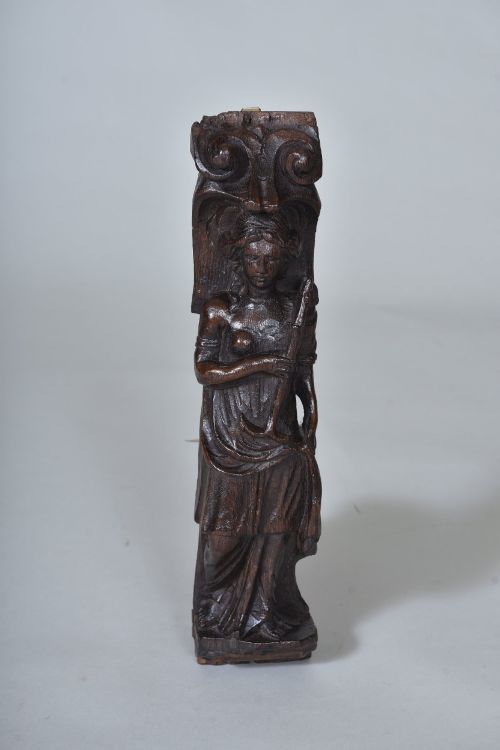
- A pillar or pedestal tapering downward, topped by the upper body of a human figure or mythological creature. These serve as structural supports or decorative architectural framing.
- Tracery
- Openwork stonework or woodwork elements forming decorative patterns in the upper part of Gothic windows or panels. It requires precise piercing of the timber to create geometric designs.
Dark Wood Architectural Carvings: Frequently Asked Questions
How were architectural carvings originally used?
These carvings formed structural and decorative components of larger buildings, including church screens, wall panelling, overdoors, and staircase newel posts.
Craftsmen integrated them into domestic and ecclesiastical interiors to display status, religious devotion, or classical learning through carved imagery.
How do I hang a heavy wooden panel?
Heavy panels require secure wall fixings, often utilising custom metal brackets or French cleats screwed directly into masonry or wall studs.
Given the substantial weight of dense oak and walnut timber, professional installation ensures the piece remains safely supported without damaging the antique wood.
How do I tell sixteenth-century work from nineteenth-century revivals?
Sixteenth and seventeenth-century pieces display tool marks left by hand gouges and iron saws, alongside natural shrinkage and oxidation in the grain.
Nineteenth-century Gothic Revival pieces often feature machine-assisted prep work, crisper uniformity, and tooling methods characteristic of Victorian workshops.
How should I clean dark wood carvings?
Dust the carvings gently with a dry, soft-bristled brush to remove particulate matter from deep crevices without abrading the surface.
Apply a microcrystalline wax sparingly if the timber appears dry, avoiding heavy liquid polishes that build up within the carved recesses over time.