




Dark Walnut Writing Desk
A dark walnut writing desk is a heavy, timber-rich workspace that brings period depth and practical surface area to a room.
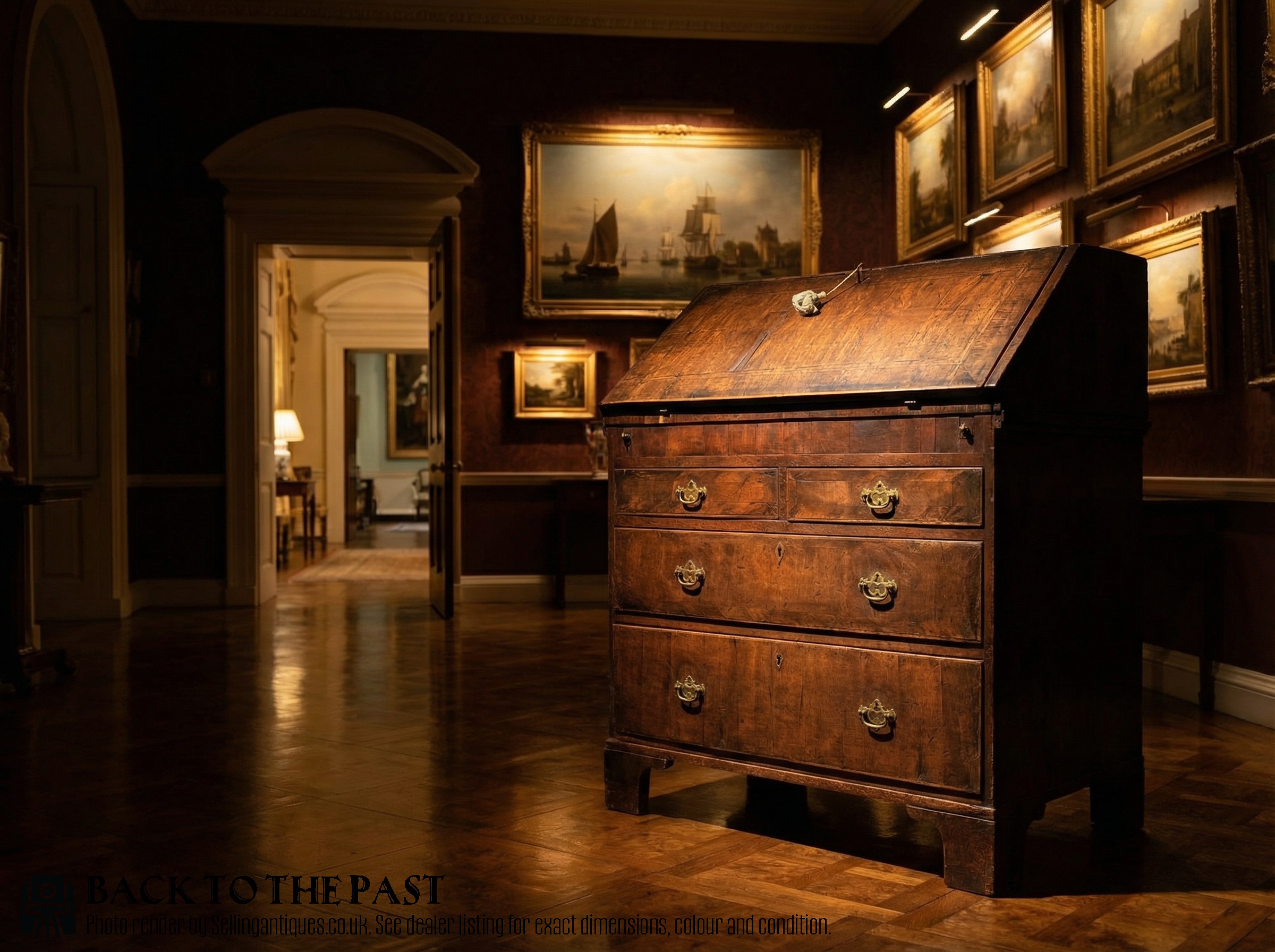
Dark Walnut Writing Desk
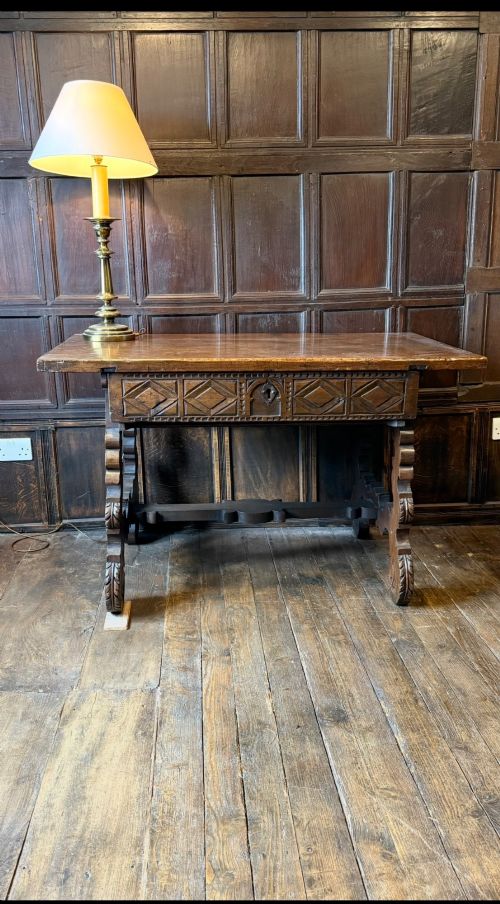
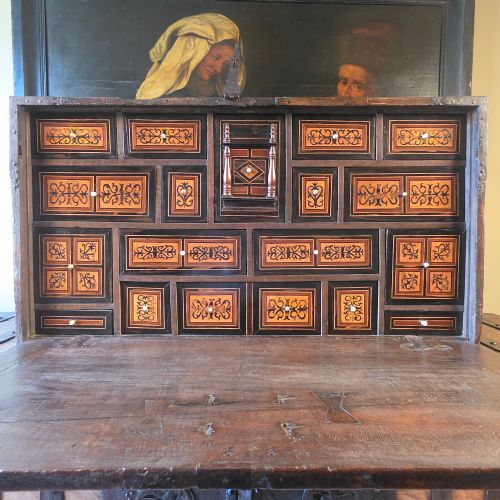
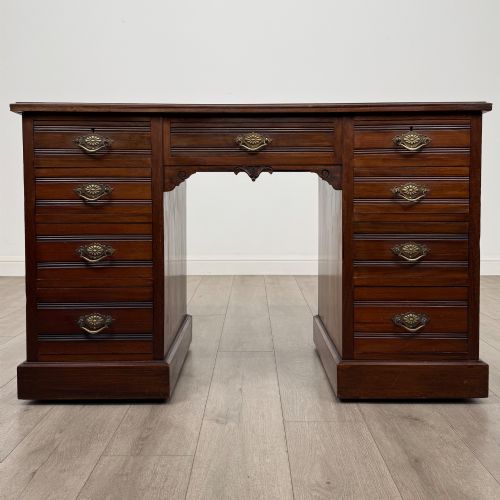
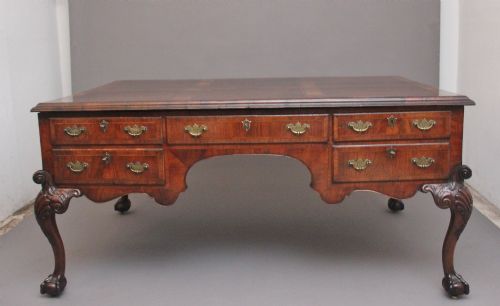
A dark walnut writing desk encompasses sturdy timber surfaces designed for correspondence and study. These pieces appear across several eras, showing the shifts in construction from early cabinetmaking to later revival periods.
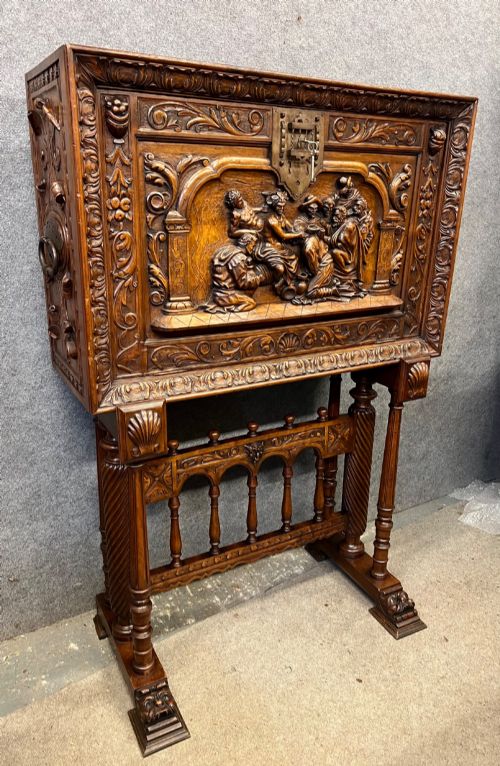
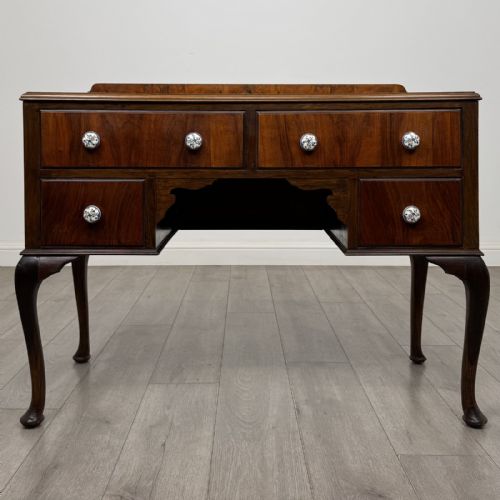
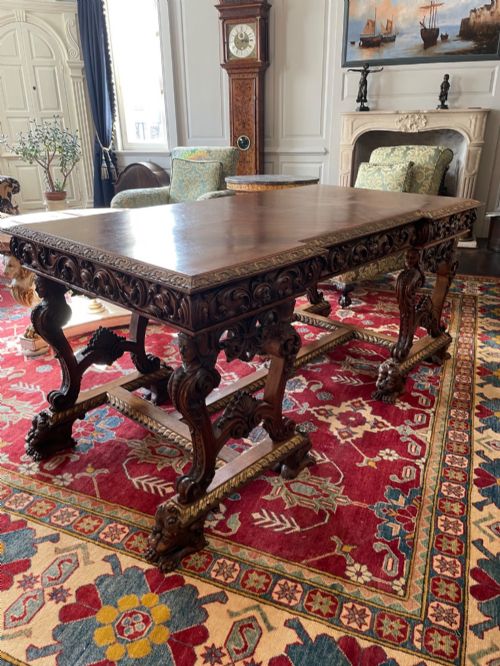
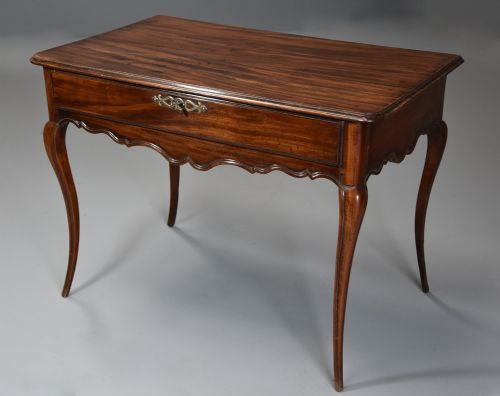
The versions met here range from early eighteenth-century veneered bureaux to Edwardian examples and carved continental library tables. Each form carries distinct proportions shaped by the prevailing tastes of its origin.
Materials and construction
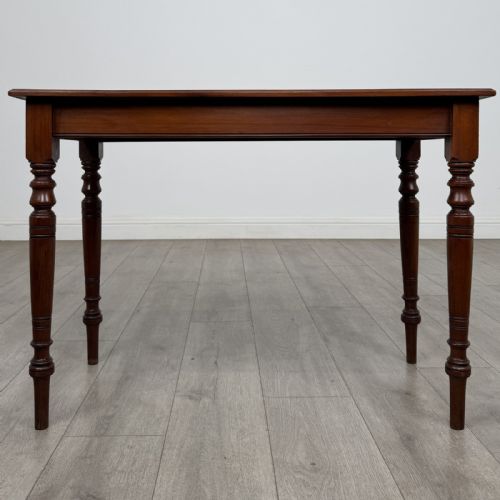
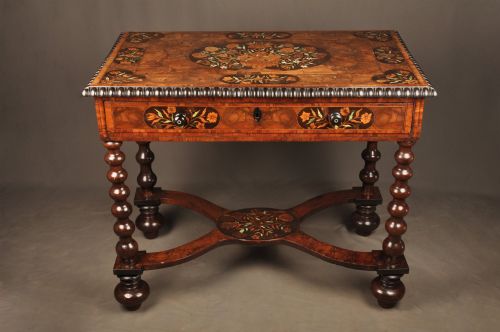
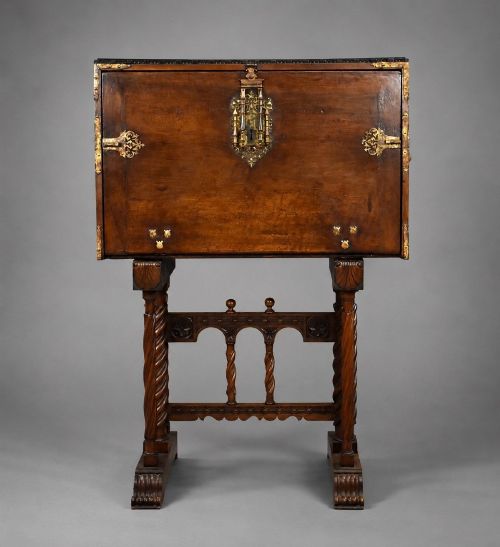
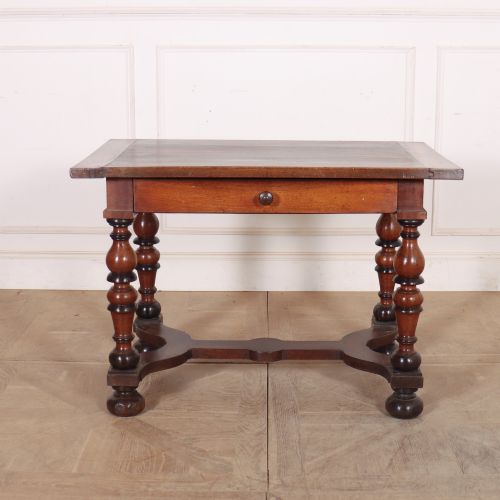
Walnut serves as the primary timber, often applied as fine veneer over secondary woods like oak, accompanied by brass hardware and inset leather writing surfaces. Carved details and turned elements such as barley twists define the structural ornamentation.
Joinery methods reflect the period of origin, combining traditional cabinetmaking techniques with hand-carved motifs on Italian and French provincial pieces.
Dark Walnut Writing Desk Retail Price Guide 2026
Typical asking prices for dark walnut writing desk among the pieces listed under this phrase on Sellingantiques today, from the lower quarter to the upper quarter. They describe what is for sale here now, not the wider market.
Listings feature walnut, oak, brass, and leather across periods from the eighteenth century to the Edwardian era.
Assessing quality and execution
Quality reveals itself through the precision of the walnut veneer matching, the depth of hand-carved enrichment, and the integrity of the secondary woods like oak. Superior examples demonstrate careful timber selection and confident execution of decorative elements such as cherubs or turned twists.
Lesser pieces show simpler construction and less refined surface treatment, separating standard utility items from masterwork library tables and cabinets.
Angiolo Barbetti Firenze
The Dark Walnut Writing Desk Glossary
- Veneer
- A thin layer of walnut applied to a secondary timber base to create decorative grain patterns. This technique allowed cabinetmakers to display striking figure work across large surfaces.
- Barley twist
- A spiral turning resembling a twisted rope, used on table legs and supports. This decorative form appears frequently in seventeenth and nineteenth-century furniture.
- Bureau
- A desk featuring a sloping lid that opens to reveal internal compartments and pigeonholes. These fitted interiors provided secure storage for writing materials and papers.
- Secondary wood
- The internal or underlying timber used in furniture construction alongside the primary show wood. Oak frequently serves this structural purpose in walnut pieces.
Dark Walnut Writing Desk: Frequently Asked Questions
What is a dark walnut writing desk?
A dark walnut writing desk is a functional timber workstation built using walnut wood and featuring writing surfaces, drawers, or compartments.
These pieces span several centuries, incorporating styles from early eighteenth-century veneered work to Edwardian designs and continental revival furniture.
How do I date a walnut desk?
Dating relies on examining construction methods, secondary woods like oak, hardware materials including brass, and stylistic details such as carved motifs or barley twists.
Periods represented in these pieces range from the eighteenth century through the Victorian era and into the Edwardian period.
Where were these desks made?
Origin locations include British workshops as well as continental centres such as France and Italy.
Regional styles like French Provincial and Italian Renaissance Revival dictate the decorative carving and overall form of the furniture.
How do I care for walnut furniture?
Maintenance involves keeping the timber away from direct heat sources and strong sunlight to protect the walnut finish and leather inserts.
Regular gentle dusting preserves the surface polish without stripping the historical patina of the wood.