


Dark Walnut Shelf
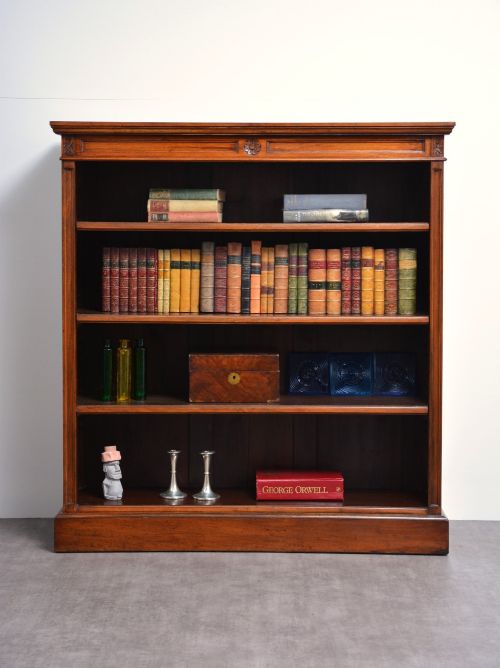
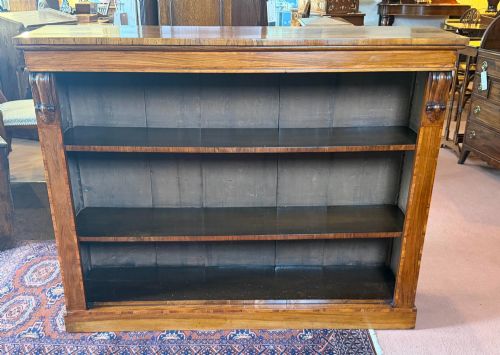
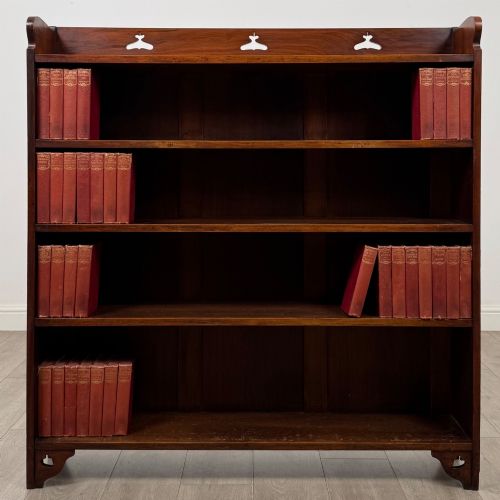
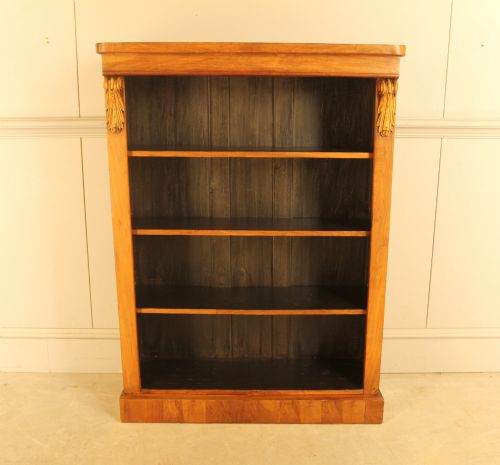
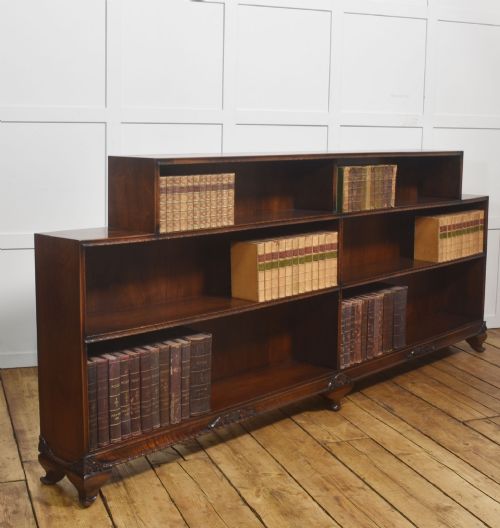
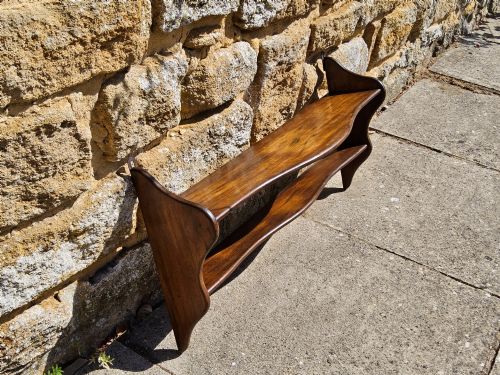
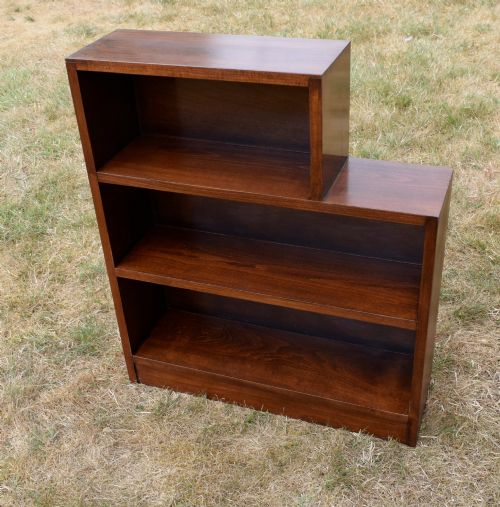
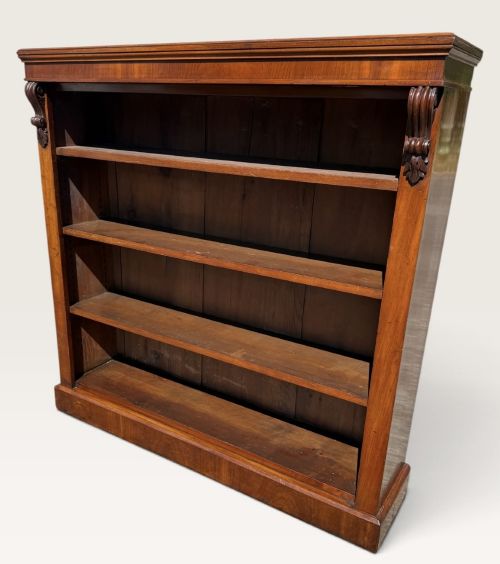
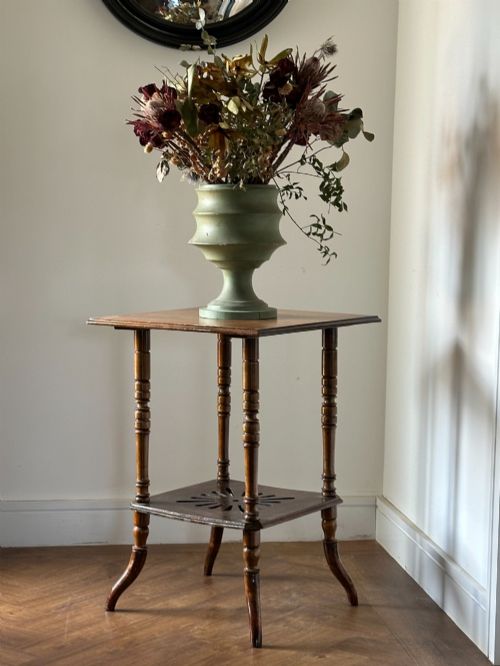
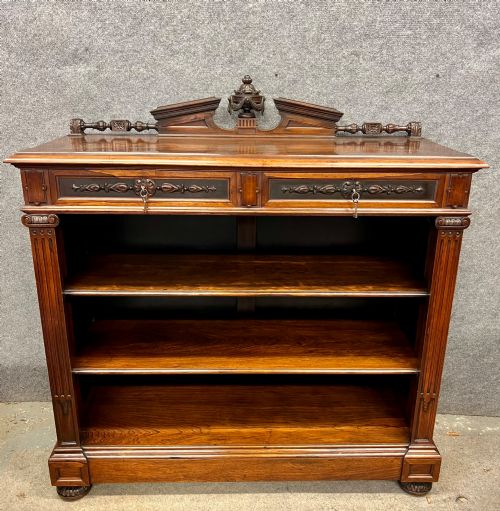
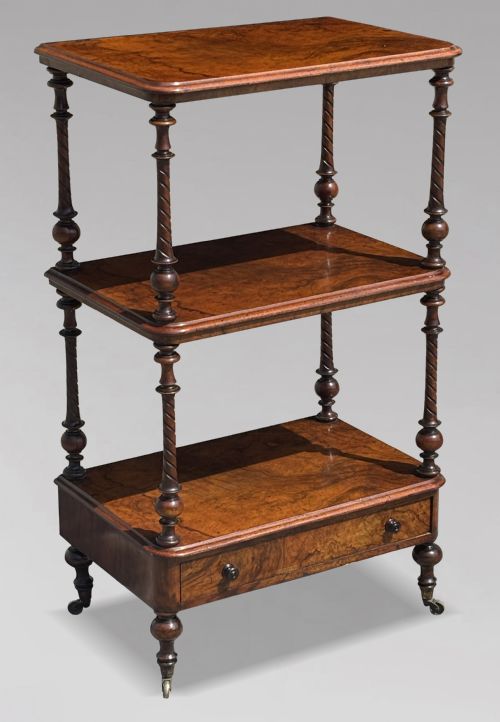
These pieces known as a dark walnut shelf range from multi-tiered whatnots to practical open bookcases, offering rich timber tones to display your volumes and objects.
Dark Walnut Shelf
A dark walnut shelf encompasses a variety of forms including open bookcases, hanging wall shelves, and multi-tiered whatnots produced across the nineteenth and twentieth centuries. These timber pieces emerge in styles ranging from Victorian and Edwardian to Art Deco and Aesthetic Movement, reflecting diverse domestic storage needs.
What varies in quality
The standard of a dark walnut shelf rests upon the selection of timber veneers, particularly the liveliness of the burr walnut figure and the precision of the cabinet construction. Pieces designated for exhibition or produced by notable makers display superior joinery and more ambitious carved ornamentation.
Proportion and the integrity of the original polish distinguish finer examples from standard production. Well-executed timber matching across multiple tiers or doors elevates the visual weight of the piece.
Listings feature walnut, burr walnut, ebonised wood, and mahogany across nineteenth and twentieth century periods.
Gabriel Viardot·Lenzkirch·Heal's·Luigi Frullini
The Dark Walnut Shelf Glossary
- Burr walnut
- A figured timber veneer obtained from the wart-like growths on walnut trees, prized for its swirling patterns. It frequently covers the primary surfaces of exhibition quality whatnots and cabinets.
- Whatnot
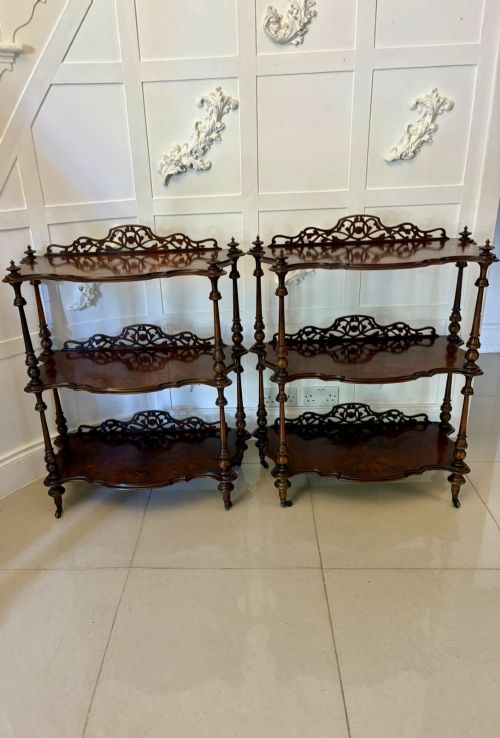
- A movable set of open shelves for displaying small objects, developed in the nineteenth century. Multiple tiers graduate in size from top to bottom.
- Etagere
- A piece of furniture consisting of a number of open shelves for displaying ornaments. This French term often applies to tiered walnut display tables and wall units.
- Corbel
- A projecting bracket of stone, wood, or metal supporting a structure. Walnut wall brackets often incorporate carved corbel supports beneath the shelf surface.
- Aesthetic Movement
- A late nineteenth-century design style that emphasised visual beauty over narrative subject matter. Pieces from this period exhibit clean lines and Japonisme influences.
Dark Walnut Shelf: Frequently Asked Questions
What is a walnut whatnot?
A walnut whatnot is a tiered open shelving unit designed to display small ornaments and books. These pieces date primarily from the Victorian era and feature three or more platforms supported by turned or carved columns.
They serve as decorative and functional additions to reception rooms, utilising vertical space to organise collections.
How do I date a walnut bookcase?
Dating involves examining the construction methods, timber selection, and stylistic details such as mouldings and foot design. Victorian examples frequently display adjustable wooden shelving mechanisms and rich burr walnut veneers.
Later Edwardian and Art Deco pieces exhibit cleaner geometric lines and simpler joinery techniques characteristic of twentieth-century production.
Are these shelves suitable for heavy books?
Many open bookcases feature adjustable wooden shelves strong enough to hold standard volumes. Victorian and Edwardian examples built with solid walnut or substantial mahogany linings provide sturdy support.
Checking the thickness of the timber and the integrity of the shelf supports ensures the piece handles your library safely.
What is the difference between an etagere and a wall shelf?
An etagere is typically a freestanding tiered furniture piece designed to rest on the floor for display purposes. A wall shelf or hanging cabinet mounts directly to structural wall fixings to save floor space.
Both forms utilise dark walnut timbers and ornamental brackets but serve different spatial arrangements within a room.