




Dark Walnut Pedestal Table
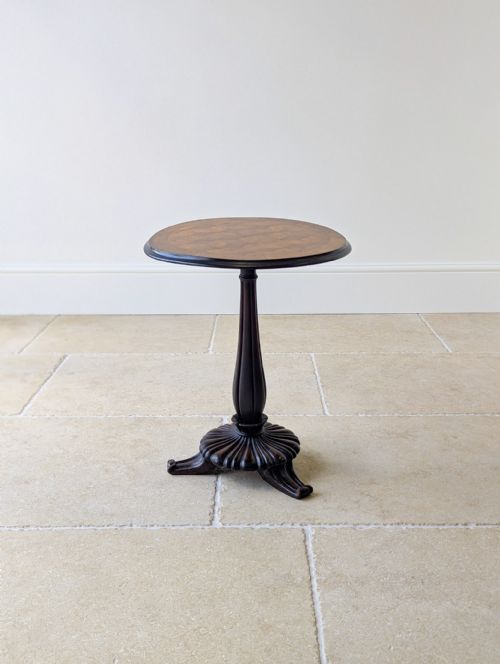
A dark walnut pedestal table brings rich timber tones and solid architectural presence to a room.
Dark Walnut Pedestal Table
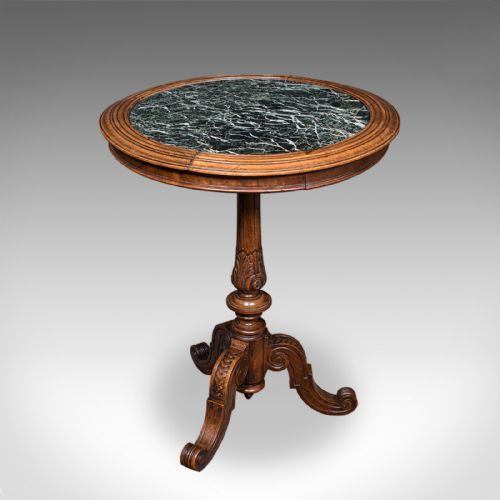
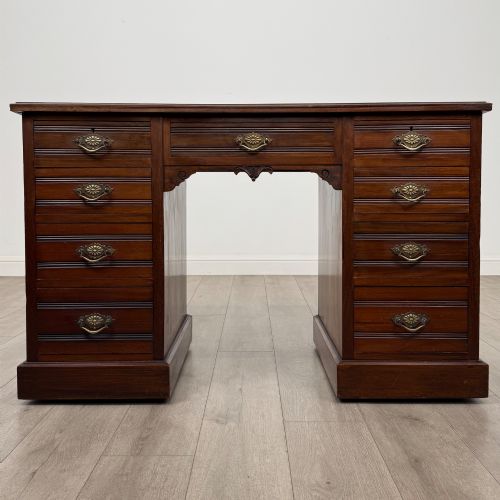
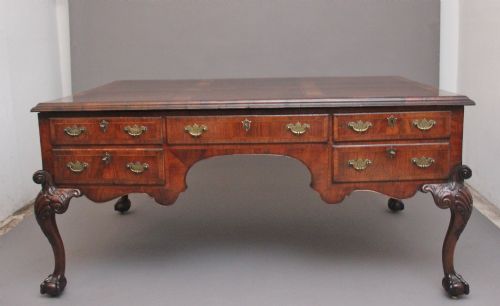
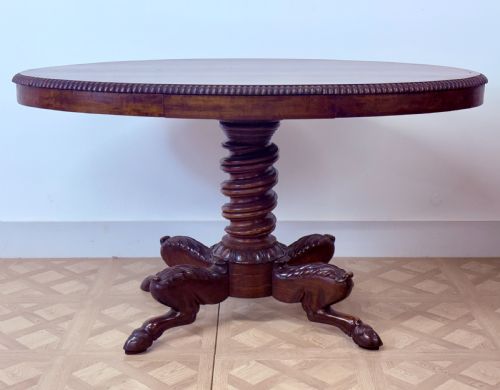
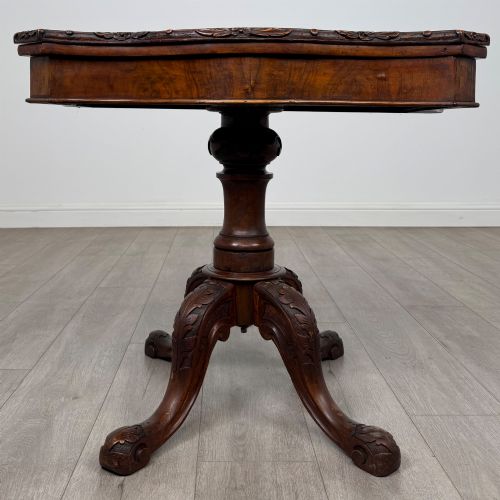
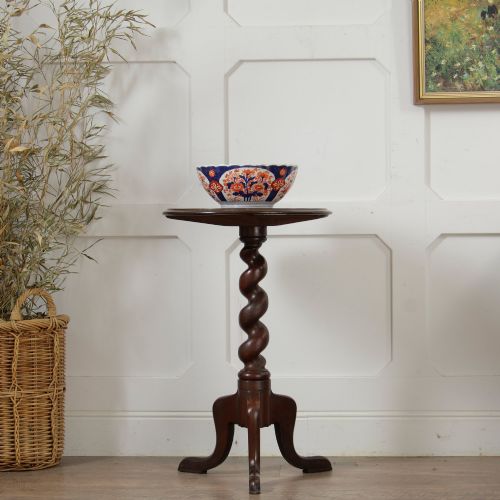
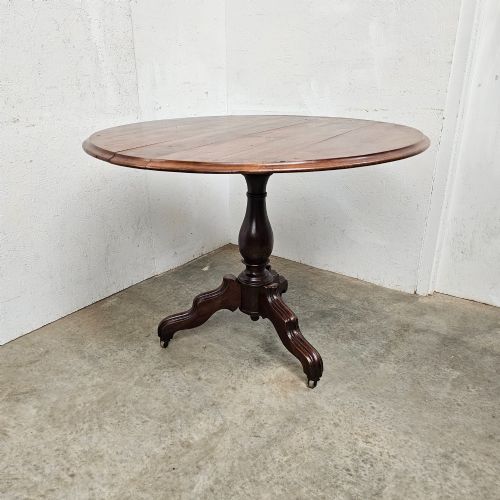
A dark walnut pedestal table typically takes the form of a centre table, occasional table, or writing desk supported by a central column or pillar. These pieces draw from Victorian, Edwardian, and earlier nineteenth century periods, reflecting diverse forms from tilt-top loo tables to compact wine and lamp stands.
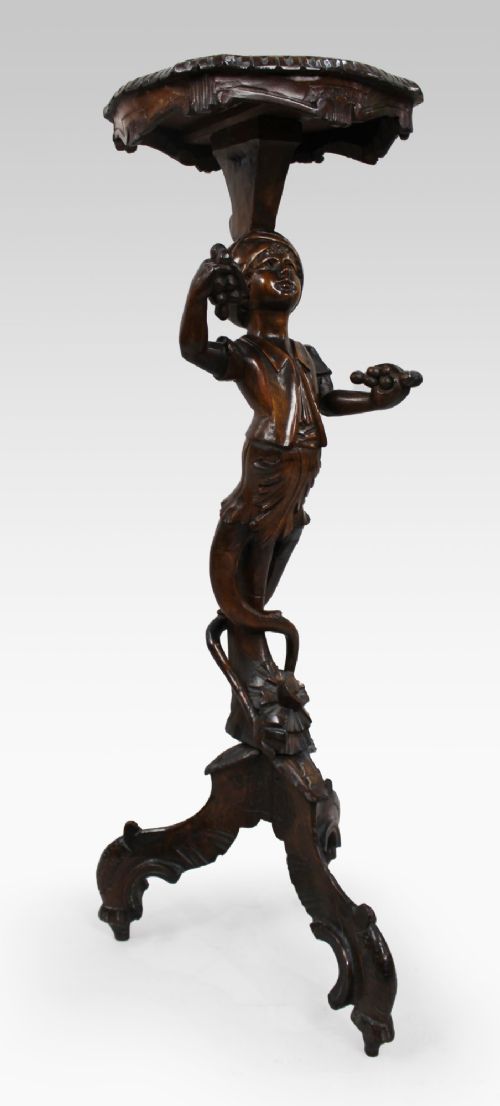
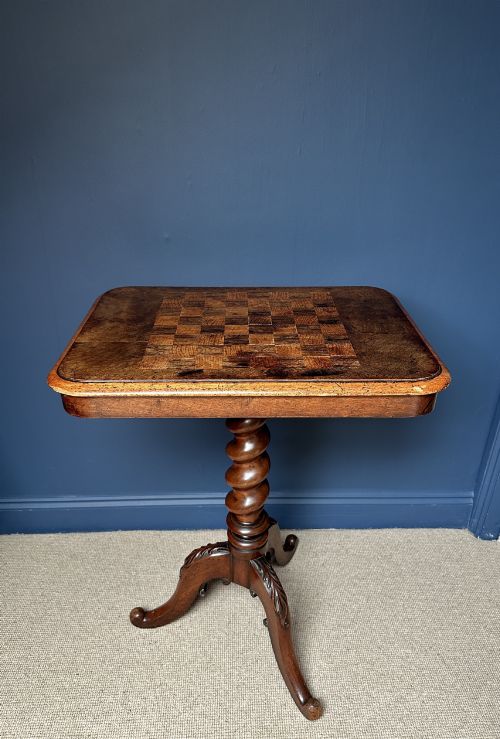
Makers utilised rich timber variants, frequently pairing walnut with burr walnut veneers, mahogany, and marble tops to create functional surface space for drawing rooms and libraries. On this page, buyers encounter various configurations, including pedestal desks, games tables with inlaid chess boards, and carved figural stands.
How they were made
Cabinet makers constructed these tables using solid walnut and applied burr walnut veneers over secondary timbers like mahogany to achieve striking grain patterns on table tops and pedestals. Construction methods incorporated traditional joinery, turning for barley twist supports, and intricate hand-carving for figural or ornamental bases.
Surfaces often received decorative treatments including marquetry inlay, leather writing inserts, and polished marble or pietra dura panels. Brass hardware, ceramic castors, and tilt-top mechanisms completed the functional execution of these sturdy pedestals and desks.
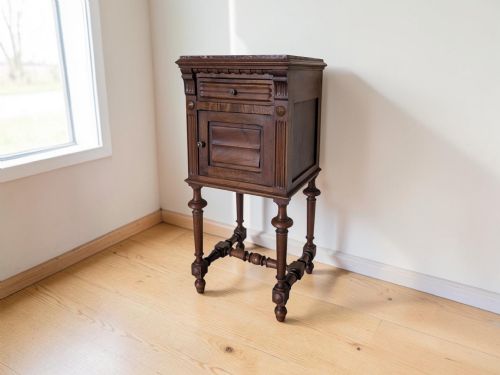
Listings feature walnut, mahogany, and burr walnut across forms including pedestal desks, centre tables, and side cabinets spanning the nineteenth and twentieth centuries.
What varies in quality
The quality of a dark walnut pedestal table rests primarily on the selection of timber figures, particularly the richness and symmetry of burr walnut veneers across large surfaces like table tops. Superior examples exhibit refined hand-carving on the central pillar and feet, whereas simpler pieces rely on plain turned columns.
Execution of secondary details, such as inlaid marquetry, precision of joinery in secret drawers, and the integrity of original leather inserts or marble tops, distinguishes standard utilitarian items from finer architectural commissions.
Shoolbred·Betty Joel·Étienne Kohlmann
The Dark Walnut Pedestal Table Glossary
- Burr walnut
- A timber veneer sliced from the gnarled growth of a walnut tree, yielding complex, swirling grain patterns. Cabinet makers prized this wood for decorative table tops and cabinet fronts during the Victorian period.
- Pedestal
- A single central support or column holding up a tabletop or desk body. This structural element replaced traditional four-leg configurations to allow greater seating clearance.
- Marquetry
- The art of applying decorative pieces of veneer to a structure to form geometric or pictorial designs. Craftsmen utilised contrasting woods and brass elements to create intricate tabletops.
- Pietra dura
- An inlay technique using cut and fitted polished coloured stones to create images on a stone surface. This method appears on select nineteenth-century table tops.
- Teapoy
- A small stand or table designed to hold tea canisters and brewing equipment. These pieces often feature internal compartments for dry tea storage.
Dark Walnut Pedestal Table: Frequently Asked Questions
How do I date a dark walnut pedestal table?
Dating relies on observing construction techniques, timber choices, and stylistic markers recorded across the nineteenth and early twentieth centuries. Victorian and Edwardian examples often display specific revival motifs, turned columns, or brass hardware characteristic of their decade.
Secondary woods, finish types, and internal drawer construction provide further physical clues to narrow down the manufacturing period of a specific pedestal or desk.
Were pedestal tables used for dining?
Larger pedestal tables, such as loo tables or round centre tables, served multiple functions in nineteenth-century homes, including informal dining, card playing, and general display. Tilt-top mechanisms allowed homeowners to store the table upright against a wall when not in daily use.
Smaller wine tables and occasional stands were designed specifically for holding drinks, lamps, or small decorative items beside seating arrangements.
How should I care for a walnut surface?
Maintenance involves keeping walnut furniture away from direct sunlight and steady heat sources to prevent timber splitting and veneer lifting. Regular dusting with a soft, dry cloth preserves the polished finish without requiring heavy chemical polishes.
Leather inserts and marble tops require specific, gentle cleaning methods suited to their respective materials to maintain their original condition over time.
What is the difference between a centre table and a wine table?
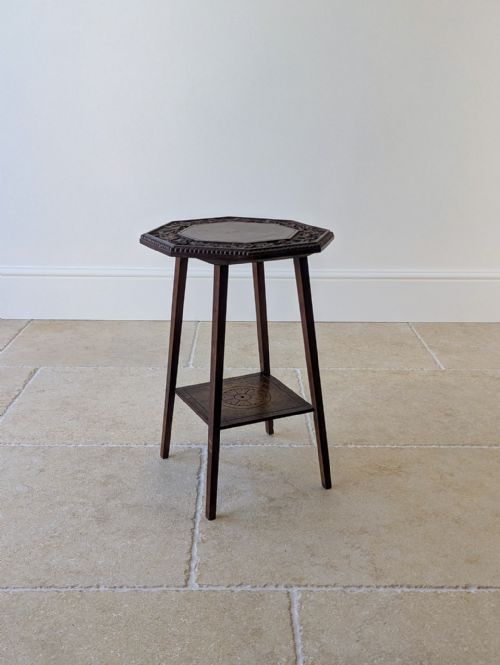
Centre tables are substantial pieces designed to stand independently in the middle of a room, often featuring large circular or octagonal tops and heavy pedestal bases. Wine tables are diminutive occasional pieces intended for specific beverage placement beside chairs.
While centre tables accommodate games, books, and lamps, wine tables offer a much smaller surface footprint and lighter construction.