
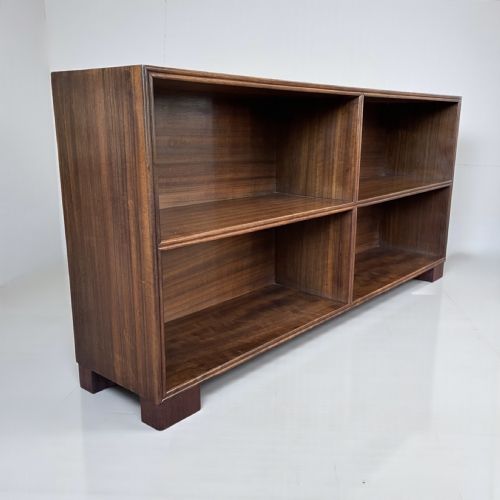

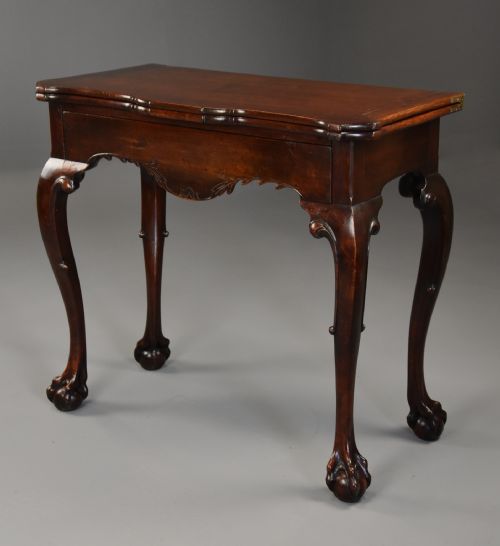


Dark Walnut Console
A dark walnut console brings rich, deep timber tones and classical proportions to an interior, whether Spanish Baroque or Victorian.
Dark Walnut Console
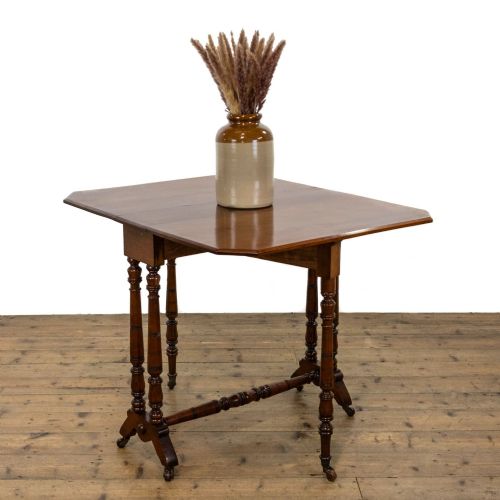
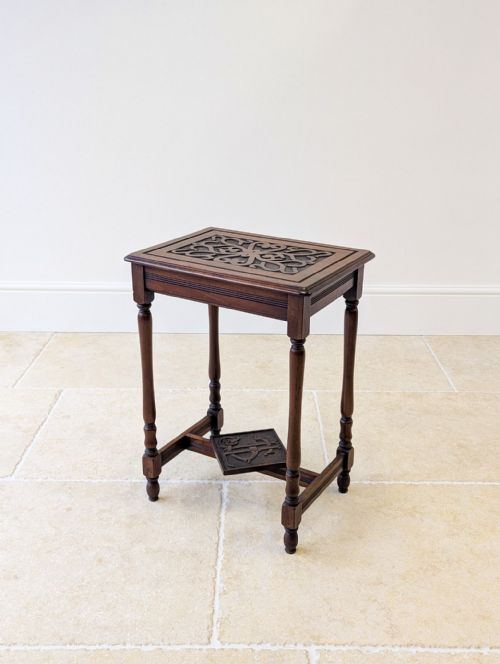
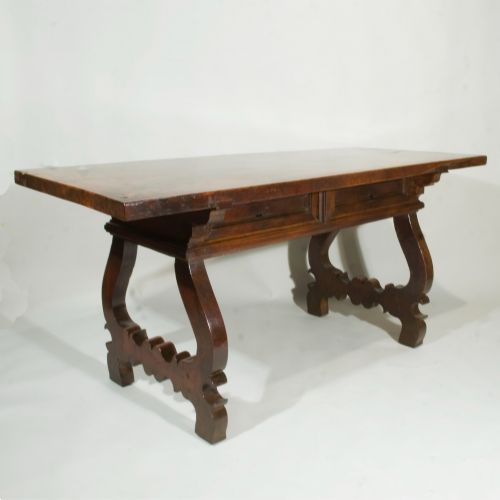
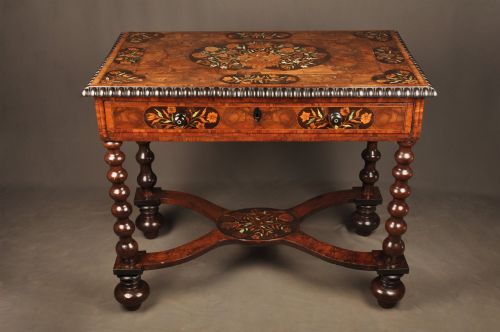
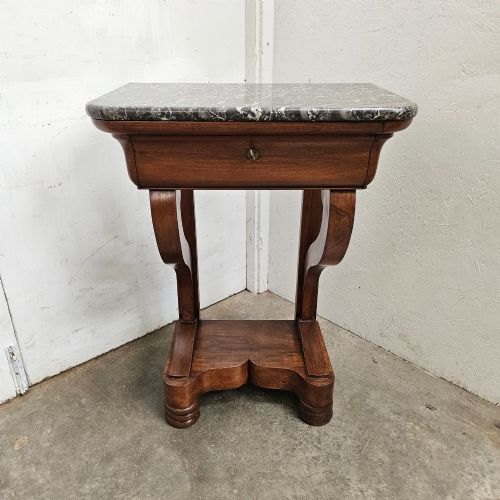
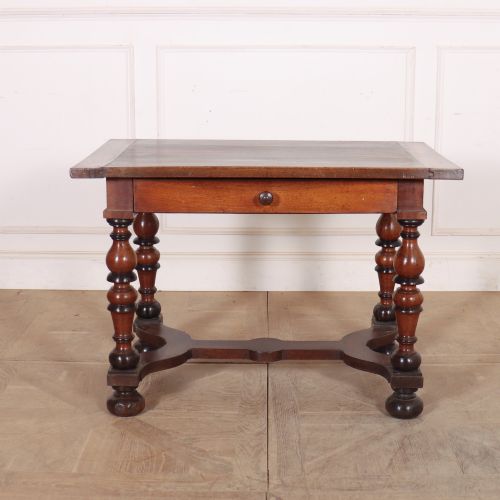
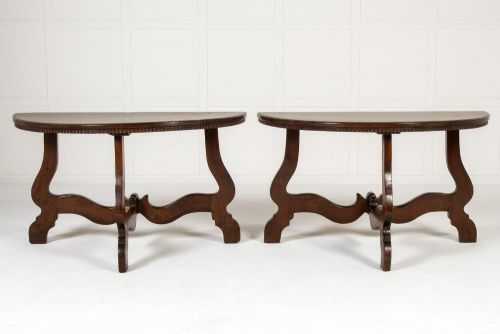
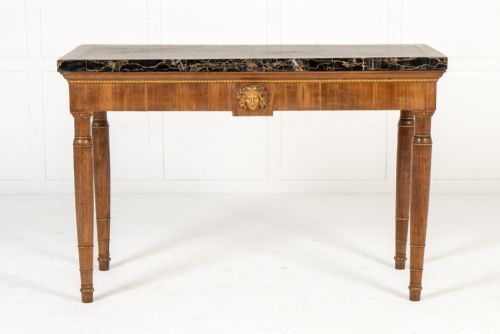
When you search for a dark walnut console, you encounter a selection spanning seventeenth-century Spanish refectory forms, eighteenth-century Italian demi-lune tables, and nineteenth-century French and Victorian iterations. These pieces function primarily as decorative surfaces set against walls, often paired with marble tops or intricate carved details.
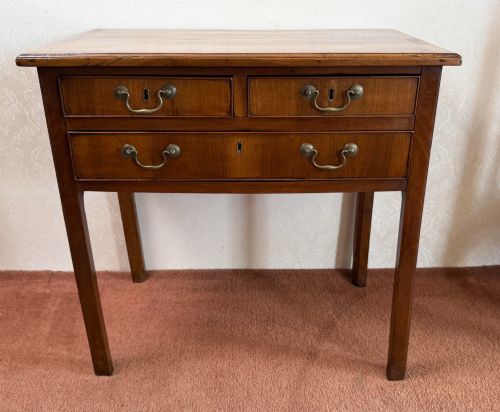
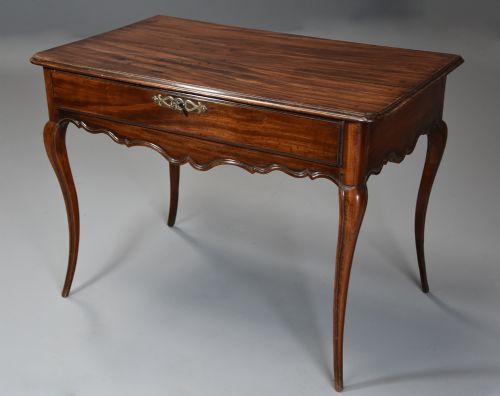
The selections on this page lean heavily toward eighteenth-century Italian and Spanish origins alongside Victorian British and French examples. Forms range from dedicated console and side tables to lowboys and demi-lune variants designed to fit narrow reception spaces.
Materials and Construction
Cabinetmakers utilised solid walnut and figured veneers laid over secondary timbers, often finishing surfaces with traditional wax to develop a deep patina. Structural integrity relies on period joinery techniques such as mortise and tenon frames.
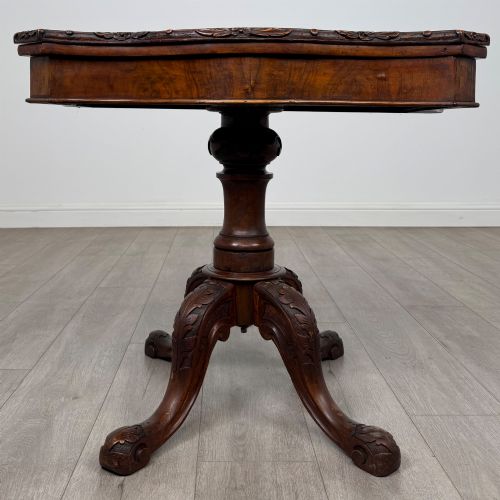
Secondary elements frequently include inset marble slabs, wrought iron stretchers, and cast brass hardware. Carved ornamentation, seen in Renaissance Revival and Baroque styles, was hand-executed directly into the dense grain of the wood.
Dark Walnut Console Retail Price Guide 2026
Typical asking prices for dark walnut console among the pieces listed under this phrase on Sellingantiques today, from the lower quarter to the upper quarter. They describe what is for sale here now, not the wider market.
Listings feature walnut combined with marble, brass, and wrought iron across Spanish Baroque, Georgian, and Victorian styles.
Judging Quality
Quality rests upon the depth of the original timber patina and the crispness of hand-carved elements rather than uniform surface perfection. Tables retaining their early finish exhibit a rich lustre that heavy modern refinishing obscures.
The integration of secondary materials, such as heavy marble tops or hand-wrought iron supports, dictates the structural ambition of the piece. Finer examples display meticulous attention to grain alignment and restrained proportions.
Maurice Adams·Luigi Frullini
The Dark Walnut Console Glossary
- Console table
- A table designed to stand against a wall, frequently secured with brackets or resting on front legs. These items served ornamental purposes in grand halls and reception rooms.
- Demi-lune
- A half-moon shape used for console and side tables designed to sit flush against a wall. This form became particularly popular in eighteenth-century Italian furniture design.
- Lowboy
- A small eighteenth-century dressing or side table featuring one or more drawers beneath the surface. They typically stand on slender cabriole or straight legs.
- Patina
- The surface sheen and colour depth developed by timber through age, handling, and regular waxing over centuries. Original patination is a primary indicator of authenticity.
- Marquetry
- Decorative veneer patterns formed by fitting together small pieces of various woods or other materials. This technique creates intricate pictorial or geometric designs on tabletops.
Dark Walnut Console: Frequently Asked Questions
How do I date a walnut console?
Dating relies on examining the construction methods, joinery, hardware, and stylistic motifs present in the piece. Seventeenth and eighteenth-century examples often display hand-cut joinery and dense, unhurried carving, whereas nineteenth-century revivals incorporate machine precision alongside historic revival styles.
Secondary woods and the presence of original patination also offer clear chronological markers for experienced buyers.
Where should I place a console table?
Console tables suit narrow entrance halls, reception rooms, and spaces beneath large wall mirrors or paintings. Their shallow depth allows them to occupy minimal floor space while offering substantial visual weight.
Pairing a marble-topped or carved wooden console against a plain wall highlights its architectural silhouette.
Are marble top consoles fragile?
Marble tops are heavy stone slabs resting on or fitted into the wooden frame, offering durability for daily use. While the stone itself is resilient against normal weight, sudden impacts can chip edges.
Maintenance involves gentle cleaning with neutral soap to preserve both the stone polish and the surrounding wooden base.