
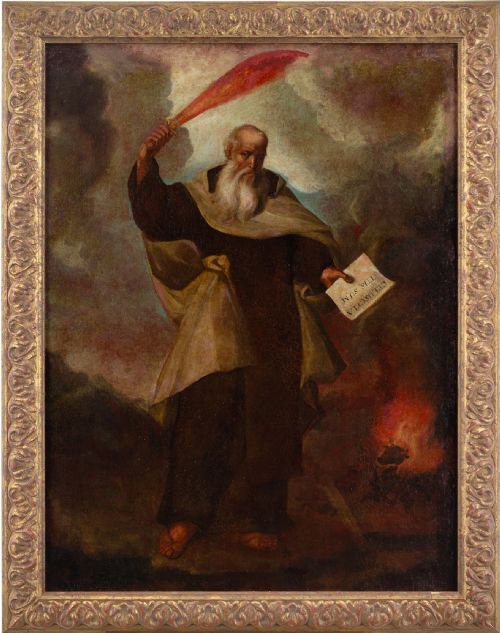


Dark Tone Oil Painting
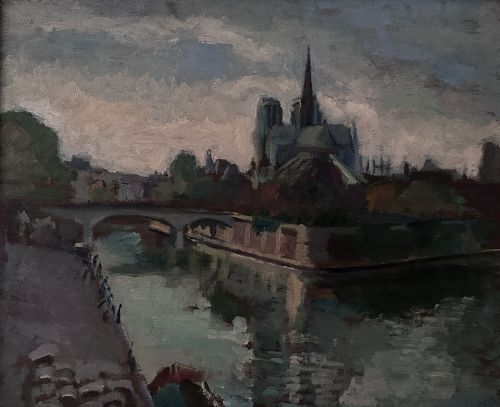
A dark tone oil painting brings deep shadow and dramatic light into a room, drawing the eye with rich seventeenth-century palettes and nineteenth-century solemnity.
Dark Tone Oil Painting
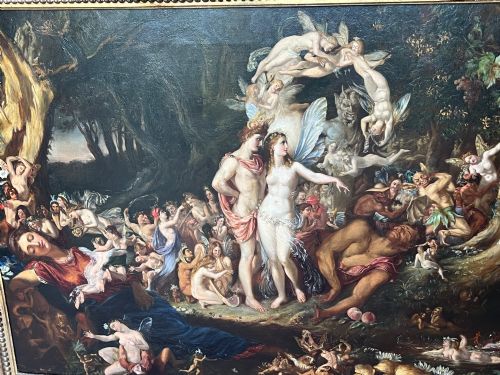
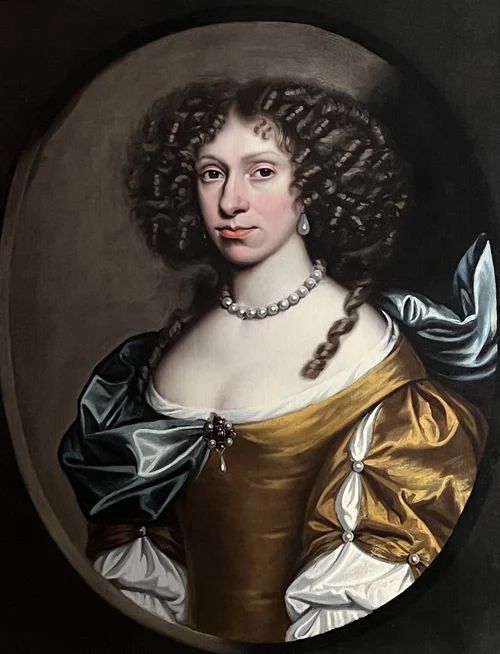
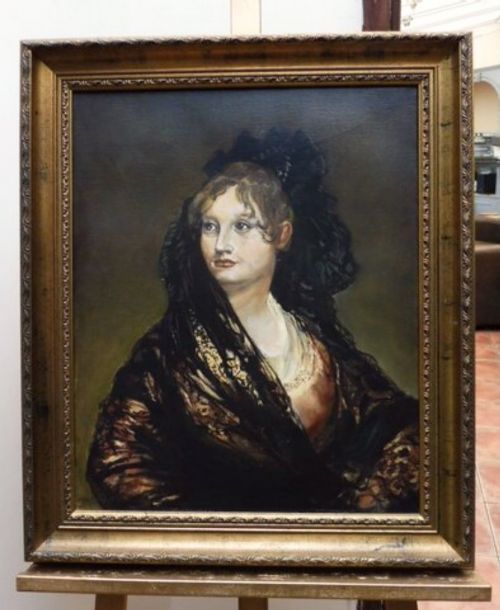
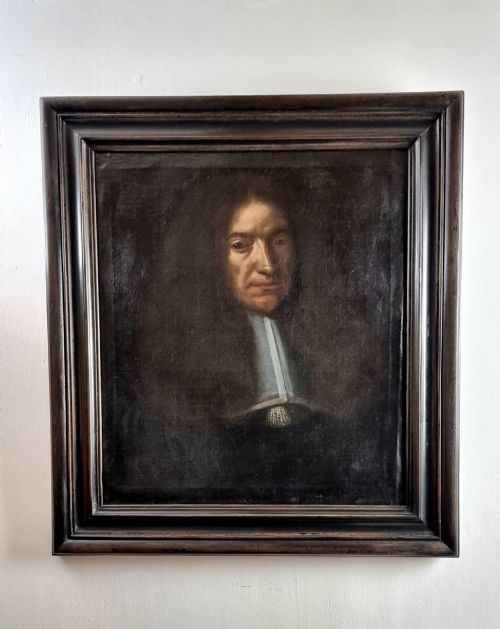
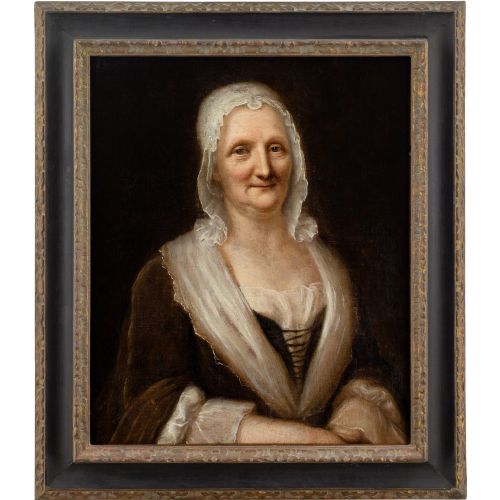
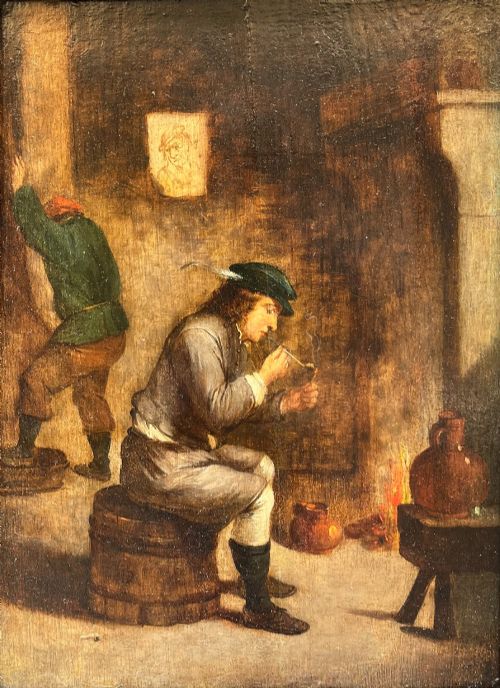
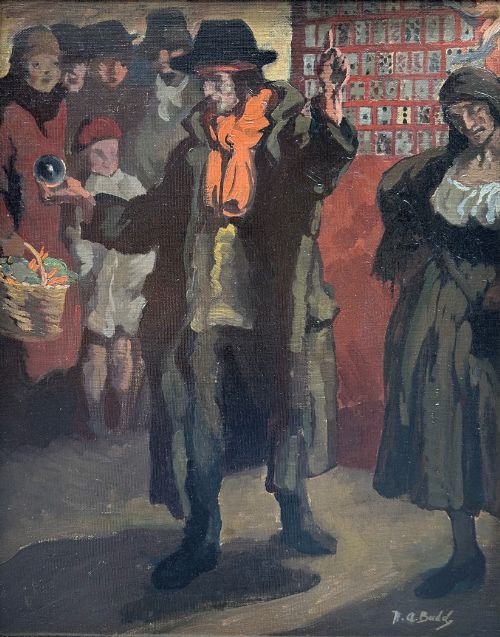
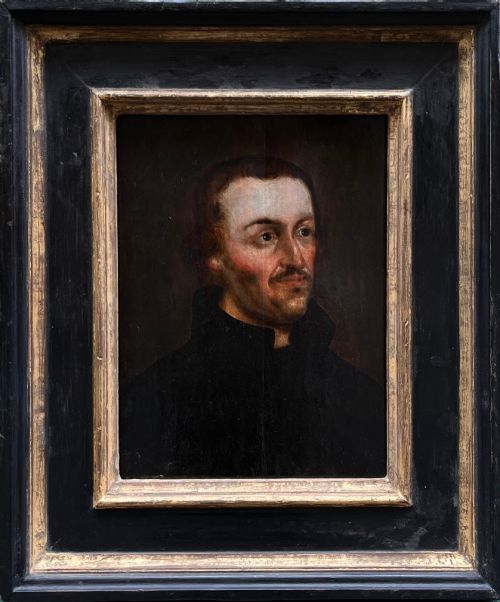
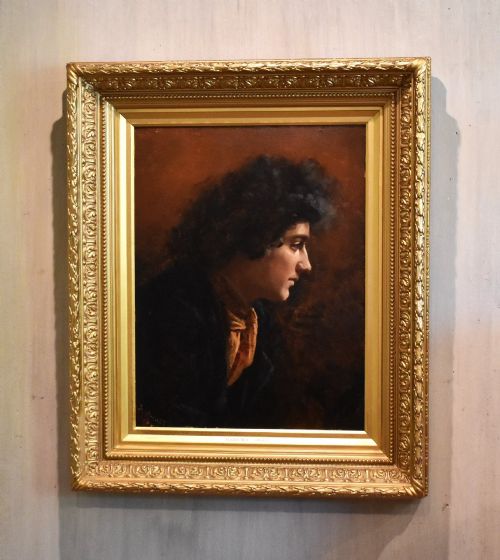
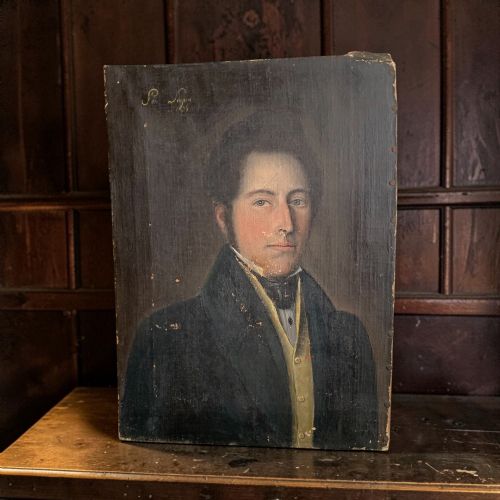
A dark tone oil painting typically presents sombre portraiture, moody genre scenes, or religious subjects rendered in heavy chiaroscuro. You will frequently encounter seventeenth-century works and nineteenth-century examples bearing deep earth pigments and shadowed interiors.
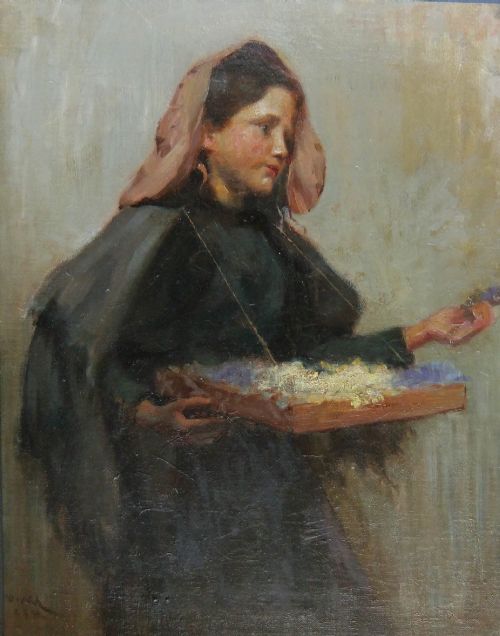
These canvases range from French and Spanish school portraits to rural domestic interiors and floral still lifes. The focus centres on dramatic illumination emerging from nocturnal or heavily shadowed backgrounds.
Surviving examples span from the seventeenth century through the Victorian era into the early twentieth century. Each piece carries the distinct palette of its regional school, whether handling seventeenth-century Flemish subjects or nineteenth-century British portraiture.
Materials and technique
Artists built these works using oil paint applied to woven canvas supports or prepared wood panels. The technique relied on dark grounds and layered glazes to achieve profound depth in shadows.
Pigments were mixed with drying oils to create slow-drying layers that allowed subtle blending of light and tone. Giltwood frames frequently housed these works, complementing the deep hues of the painted surface.
Dark Tone Oil Painting Retail Price Guide 2026
Typical asking prices for dark tone oil painting among the pieces listed under this phrase on Sellingantiques today, from the lower quarter to the upper quarter. They describe what is for sale here now, not the wider market.
Listings feature works spanning the seventeenth, eighteenth, nineteenth, and twentieth centuries, executed in oil on canvas, oil on wood, and oil on board.
Assessing quality
Quality rests in the handling of light and shadow, where masterly brushwork defines facial structure or drapery within deep gloom. Lesser examples suffer from flat shadows and heavy-handed application that obscures form.
The sophistication of the underlying composition and the subtlety of the tonal gradation separate standard works from exceptional pieces. Superior execution reveals intricate detail even within the darkest recesses of the canvas.
Sir Joseph Noel Paton·David Scougall·David Teniers·Herbert Ashwin Budd·Florence Small·William Watt Milne·Thomas Sidney Cooper·Thomas Beach·Roberto Venturi·Henry Collins·Frank Moss Bennett·Ralph Hedley·John Phillip·James G Faulds·John Partridge·George Hayter
The Dark Tone Oil Painting Glossary
- Chiaroscuro
- The treatment of light and shade in drawing and painting. This technique creates strong contrasts between dark and light to give a three-dimensional volume to figures.
- Genre painting
- The pictorial representation of scenes from everyday life. These works depict ordinary people engaged in common activities, often set within dark domestic interiors.
- Ground
- The initial layer of paint or size applied to a canvas or panel before the artist begins the work. A dark ground provides the foundational tone for moody compositions.
- Glaze
- A thin, transparent or semi-transparent layer of paint applied over a dry layer. Painters utilise glazes to alter the chromatic properties and depth of underlying dark pigments.
- Old Master
- A term applied to skilled European painters working before eighteen hundred. These artists produced significant works within defined regional schools.
Dark Tone Oil Painting: Frequently Asked Questions
What is a dark tone oil painting?
A dark tone oil painting is a historical artwork dominated by deep shadows, rich earth pigments, and dramatic contrasts of light. These pieces range from seventeenth-century portraits to Victorian genre scenes.
They capture subjects with solemnity, utilising techniques developed by European schools to create moody, atmospheric interiors and portraits.
How do I hang a dark oil painting?
Position these works away from direct sunlight to protect the fragile oil pigments and canvas supports. Placing them against neutral walls allows the deep tones and giltwood frames to stand out.
Ensure the lighting in the room complements the chiaroscuro effect without causing distracting glare on the varnished surface.
How do I date an old oil painting?
Examine the preparation of the canvas or wood panel, alongside the style of the clothing and hair depicted in the portrait. Nail types, stretcher frames, and artist signatures also offer clues.
Comparing the pigment choices and regional school characteristics helps narrow down the century of production.
What subjects appear in these paintings?
Common subjects include formal portraits of judges and gentlemen, domestic genre scenes, and religious narratives. You will also find floral still lifes and maritime subjects.
Artists across the seventeenth, eighteenth, and nineteenth centuries utilised these themes to explore human emotion and dramatic lighting.