



Dark Timber Armchairs
Dark timber armchairs combine sturdy domestic woods with centuries of seating heritage, offering robust character and everyday comfort for the traditional interior.
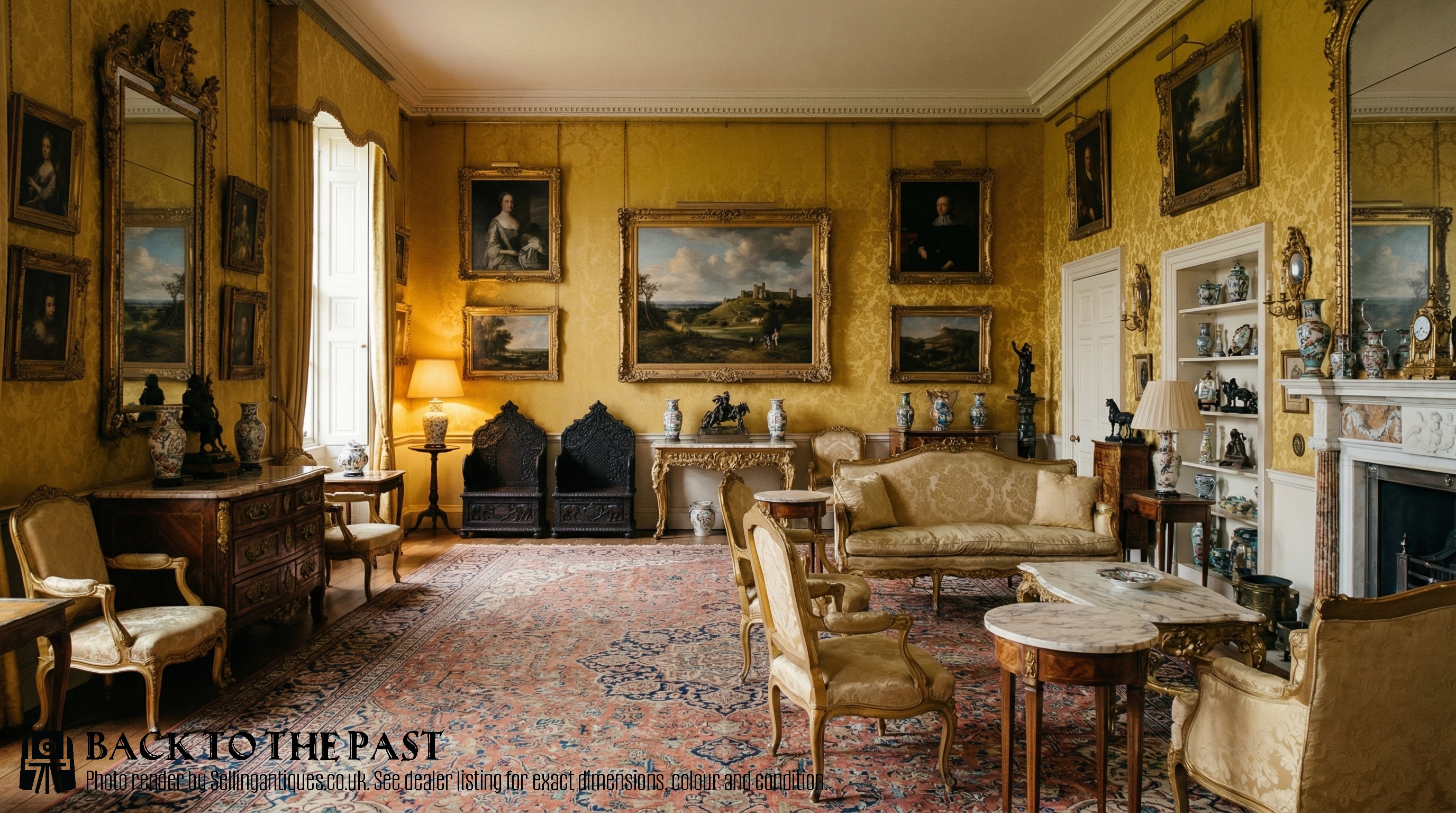
Dark Timber Armchairs
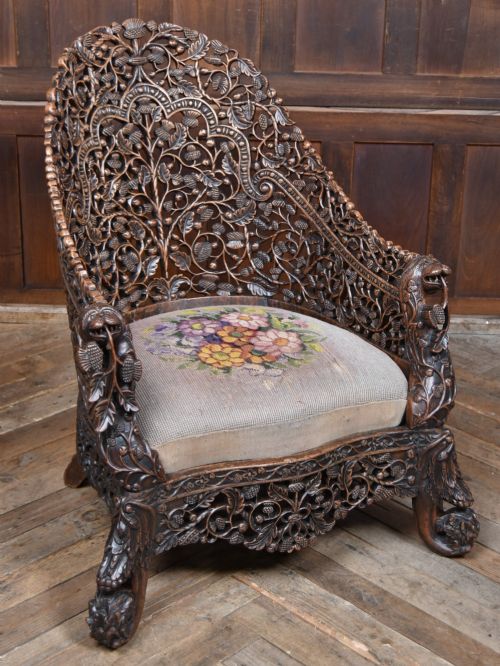
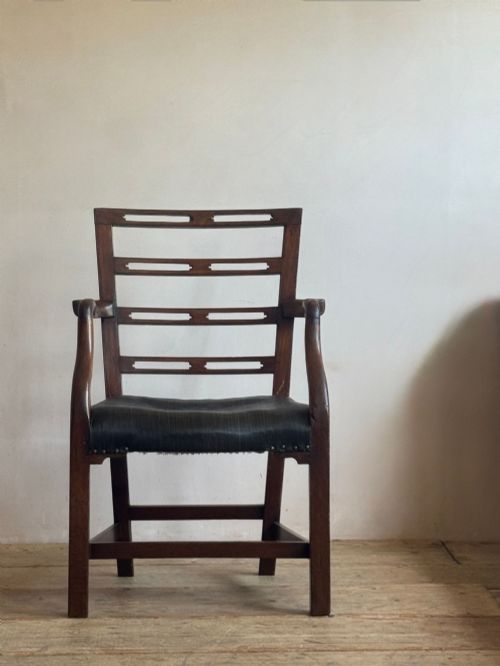
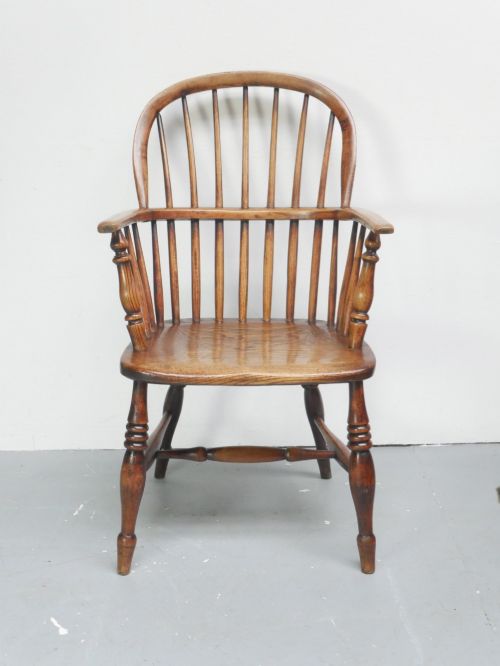
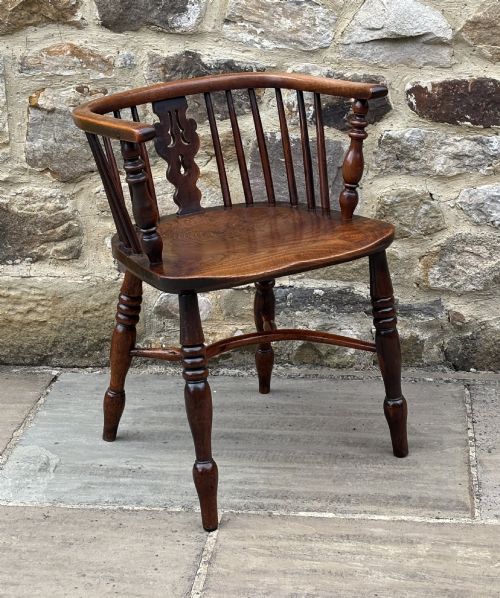
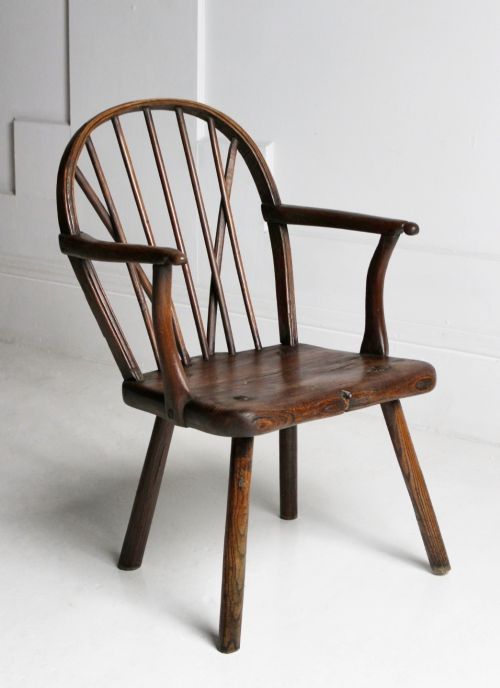
Dark timber armchairs encompass a wide variety of historical seating forms, ranging from utilitarian vernacular pieces to elaborate carved ceremonial chairs. When exploring dark timber armchairs, buyers frequently encounter regional Windsor types alongside formal Georgian and Victorian library or parlour examples.
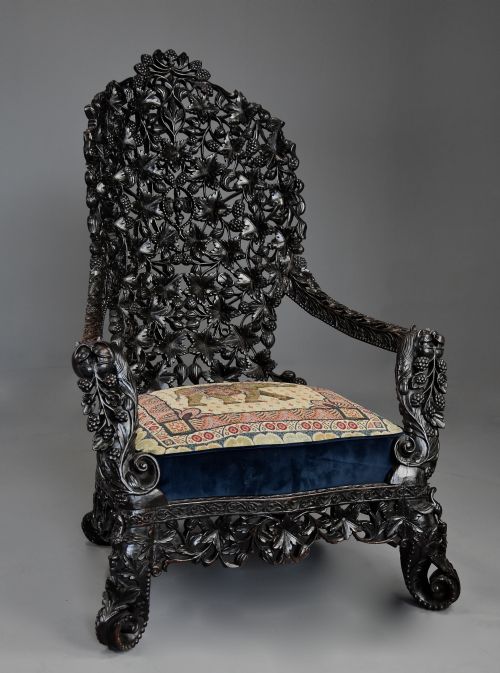
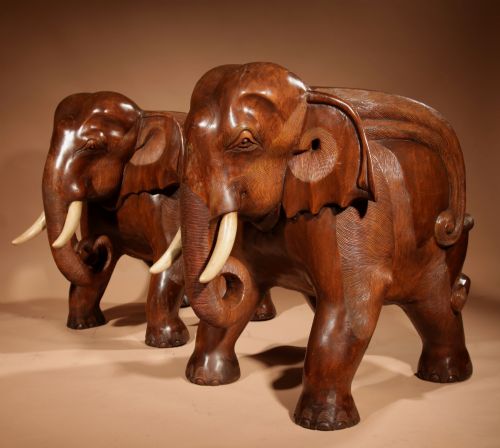
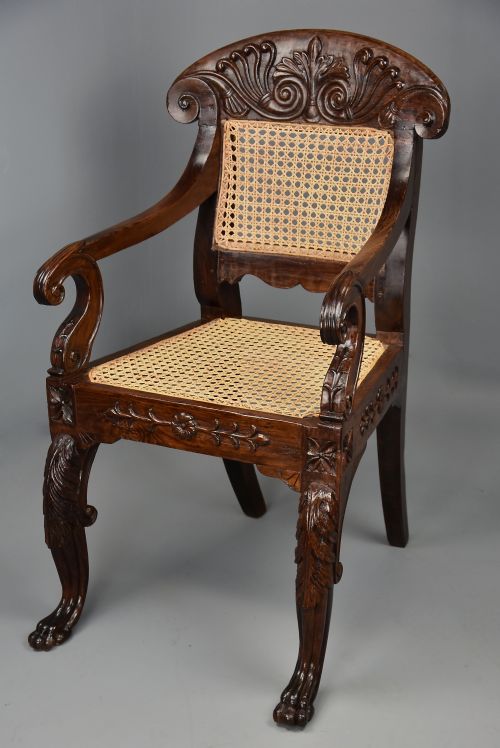
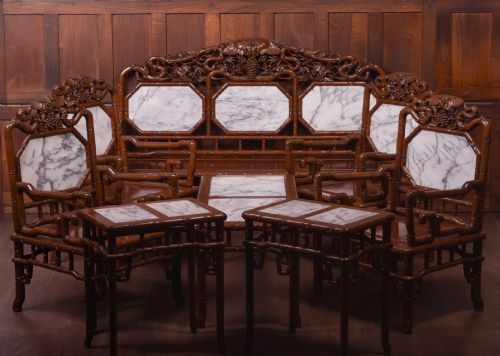
The selection draws on diverse global traditions, including traditional British country styles, Chinese Export items, and Anglo-Indian designs. These pieces serve distinct functional roles within a room, appearing as rocking chairs, desk chairs, corner chairs, and substantial carvers.
Makers historically utilised locally available timber alongside exotic imported woods, resulting in varied silhouettes from primitive stick-back forms to intricate Gothic Revival frameworks. This assortment reflects the diverse domestic and international workshop practices of the seventeenth, eighteenth, and nineteenth centuries.
Materials and construction
Makers constructed these chairs using resilient timbers such as oak, ash, elm, mahogany, beech, and dense exotic hardwoods like padouk and blackwood. Combinations of woods frequently appear within a single piece, utilising sturdy elements for the structural undercarriage alongside more pliable timbers for bent components like comb backs and hoop backs.
Traditional joinery techniques governed the assembly, employing pegged mortise and tenon joints, steam-bent elements, and turned wood spindles. Secondary materials such as brass accents and fabric upholstery were integrated to provide structural reinforcement or surface enrichment on formal parlour suites and swivel desk models.
Listings span several centuries of woodworking, featuring materials from native British oak, elm, and ash to imported mahogany and padouk.
Factors of quality
Quality in these chairs rests upon the integrity of the timber selection and the precision of the underlying joinery. Superior examples maintain structural tightness and original surface patination without excessive intervention, whereas lesser items suffer from compromised frames or heavy restoration.
The depth and crispness of hand-carved ornamentation distinguish high-status ceremonial and export pieces from standard utilitarian seating. Proportion, timber figure, and the preservation of original turning details likewise separate exceptional workshop production from routine manufacture.
The Dark Timber Armchairs Glossary
- Windsor chair
- A chair built with a solid wooden seat into which the legs and back spindles are separately inserted. These traditional seats often incorporate ash, elm, or yew in various regional configurations.
- Wainscot chair
- An early wooden armchair constructed with panelled backboards and heavy turned or square posts. These sturdy domestic seats date back to seventeenth-century traditions.
- Comb back
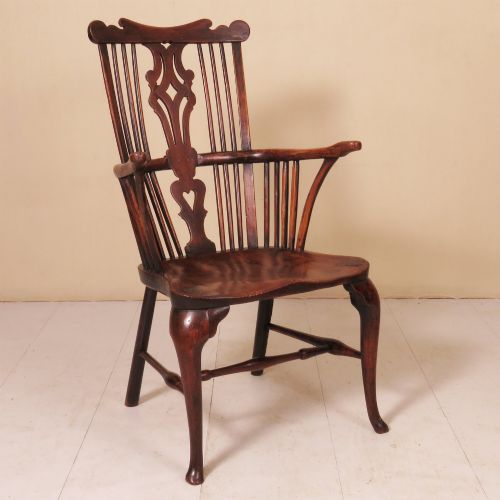
- A Windsor chair variation where the top rail resembles the teeth of a comb, featuring upward-projecting spindles. This design provides ergonomic support through an extended upper crest.
- Padouk
- A heavy, durable tropical hardwood noted for its deep reddish-brown tone. Makers utilised this material extensively in export and colonial furniture production.
- Bobbin framing
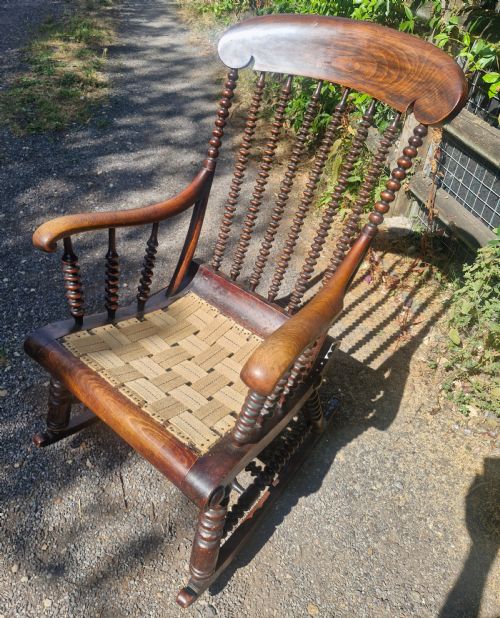
- Furniture turned on a lathe to resemble a series of rounded wooden beads or bobbins linked together. This decorative turning technique appears frequently on nineteenth-century frames.
Dark Timber Armchairs: Frequently Asked Questions
How do I identify a Windsor chair?
A Windsor chair is characterised by a heavy wooden saddle seat into which the legs and back spindles are bored directly, rather than relying on a continuous framed skeleton. They frequently combine different timbers, such as elm for the seat and ash for the legs.
Regional varieties often display distinct comb-back, hoop-back, or low-back configurations. These structural traits distinguish them from standard upholstered or panelled armchairs.
Where were these chairs made?
Origins span traditional British provincial workshops, Welsh and Scottish rural centres, and international trading hubs like China, Ceylon, and India. Local timber availability dictated whether a maker used native oak and elm or imported hardwoods.
Export pieces frequently incorporated elaborate carving influenced by local artistic traditions and European design books. This geographic diversity creates a broad spectrum of regional vernacular styles.
How should I care for antique wood furniture?
Maintain these chairs in stable environmental conditions away from direct heat sources and strong sunlight to prevent timber shrinkage or splitting. Regular dusting with a soft, dry cloth preserves the aged surface.
Avoid applying modern silicone polishes, as traditional wax finishes benefit from gentle, occasional conditioning. This simple maintenance safeguards the historical patination developed over centuries.
What is a primitive chair?
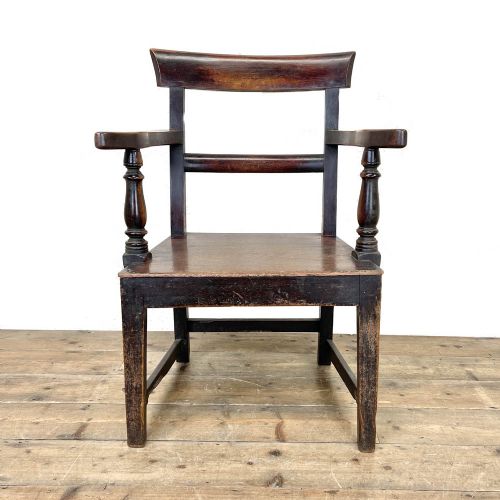
Primitive chairs represent vernacular furniture built by local carpenters and unrecorded makers using readily available domestic timber. These pieces prioritise functional utility over formal stylistic adherence.
Their construction often displays visible tool marks, simple stick-back frames, and unadorned wooden seats. Collectors value them for their honest, unpretentious adherence to everyday domestic needs.