
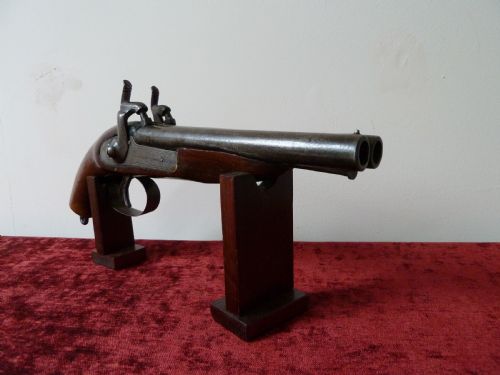


Dark Steel Handgun
These dark steel handgun pieces span centuries of military and civilian design, offering collectors tangible pieces of functional history.
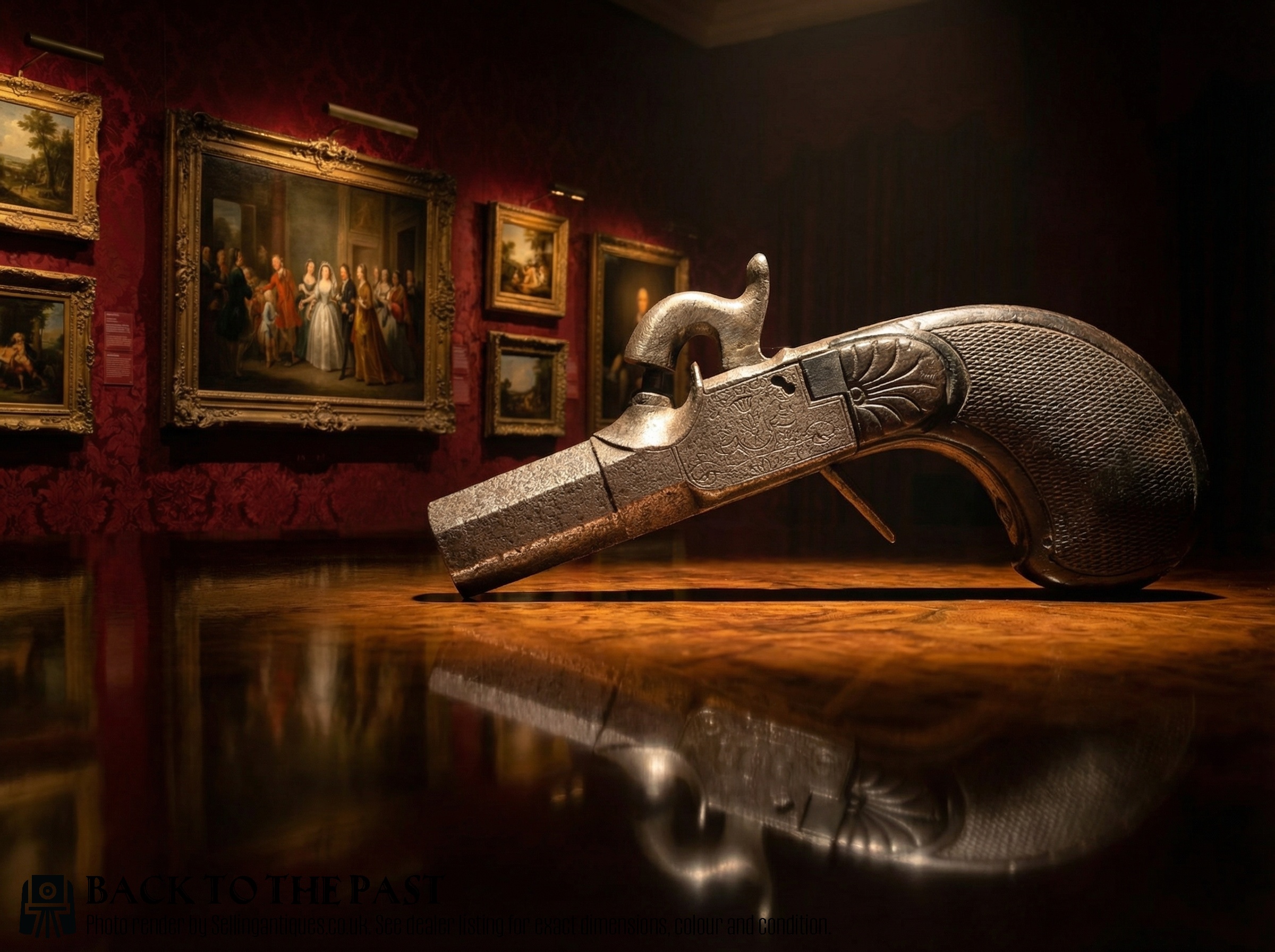
Dark Steel Handgun
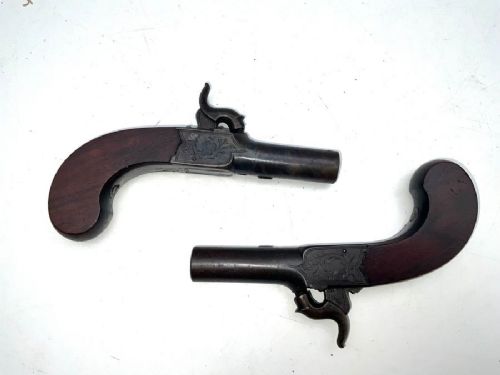
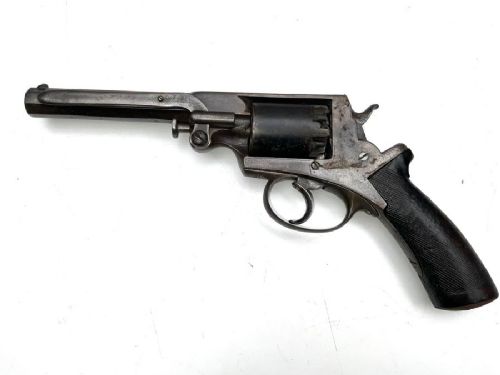
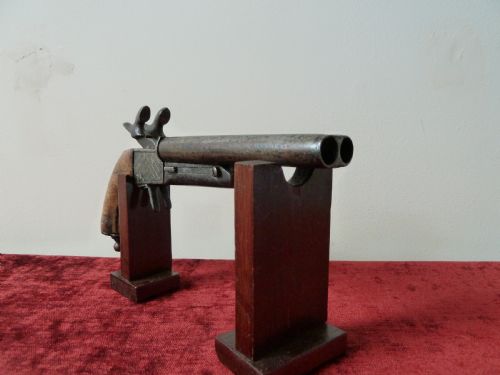
A dark steel handgun encompasses historical sidearms ranging from early snaphaunce flintlocks to mid-nineteenth-century percussion revolvers and pinfire pistols. Buyers exploring this category encounter military issue pieces alongside civilian pocket and belt arms.
The selections span the seventeenth, eighteenth, and nineteenth centuries, featuring British, Belgian, American, and Balkan or Ottoman origins. Pocket pistols, cavalry holster pieces, and officers' sidearms dominate the available forms.
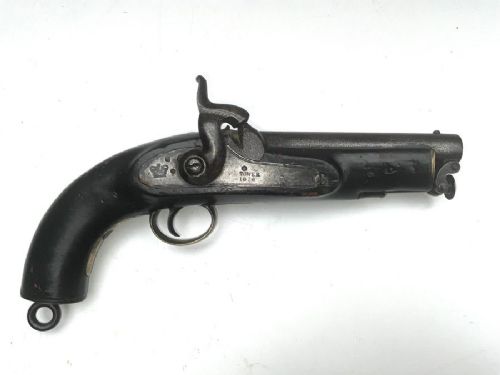
Military variations include Tower stamped belt pistols, sea service arms, and American Civil War revolvers bearing London proofs or official markings. Civilian and overcoat versions provide insight into personal defence during earlier eras.
Materials and construction methods
Makers utilised dark steel, iron, and brass alongside hardwood stocks such as walnut. Metal components underwent forging and finishing to achieve durable service surfaces, frequently complemented by engraved brass mounts or silver inlay.
Lock mechanisms evolved from snaphaunce and flintlock systems to percussion caps and pinfire ignition. Stocks were shaped from timber to accommodate barrels, triggers, and sometimes foldaway bayonets.
Some pocket pistols included foldaway bayonets, ensuring owners could stab an assailant after running out of lead.
Distinctions in manufacture and preservation
Superior examples exhibit crisp maker signatures, legible proof marks, and intact original metal finishes without aggressive cleaning. Integration between wood stocks and metal barrels demonstrates the skill of the original gunsmith.
Engraving depth, metal patination, and the survival of matching serial numbers or subsidiary parts separate standard military issue from finely finished officers' and presentation pieces.
T. Potts·Auguste Francotte·Barber of Newark
The Dark Steel Handgun Glossary
- Percussion
- An ignition system utilising a hammer striking a percussion cap to detonate gunpowder. This mechanism superseded flintlock technology in the nineteenth century.
- Flintlock
- A firearm ignition mechanism that uses a piece of flint striking a steel frizzen to create sparks. It ignites priming powder to discharge the main charge.
- Snaphaunce
- An early type of flintlock ignition using a laterally moving steel and a doghead holding the flint. It represents a transitional stage in firearms development.
- Proof mark
- An official stamp indicating that a firearm has undergone testing for strength with a standard powder charge. These marks assist in dating and attributing origin.
- Frizzen
- The upright steel plate on a flintlock mechanism that is struck by the flint to create sparks. Grooved versions assist in directing the spark into the priming pan.
Dark Steel Handgun: Frequently Asked Questions
What periods do these pistols cover?
The inventory ranges from seventeenth-century snaphaunce pieces through eighteenth-century flintlocks to nineteenth-century percussion and pinfire arms. These diverse dates reflect evolving technological periods in military and civilian protection.
Buyers will find specific eras highlighted in individual listings, spanning Georgian and Victorian military campaigns as well as continental European workshops.
How do flintlock and percussion systems differ?
Flintlock mechanisms rely on a piece of flint striking steel to create sparks that ignite priming powder. Percussion systems use an external hammer striking a small explosive cap placed on a nipple.
Percussion technology arrived later in the nineteenth century, offering faster ignition times and greater reliability in wet weather compared to older flintlocks.
What materials are typical for the stocks?
Stocks are primarily fashioned from hardwood, with walnut appearing frequently across British and continental examples. These woods were chosen for their durability and grain strength under recoil.
Many pieces also incorporate brass mounts, iron furniture, or decorative silver inlay work around the grips and barrels.
Are military and civilian models distinct?
Military pieces often bear specific government inspection stamps, regimental markings, or proof marks from facilities like the Tower of London. They include heavy cavalry holster arms and sea service pistols.
Civilian versions tend toward pocket pistols or overcoat sidearms, prioritising concealability and personal utility over standardised military requirements.