




Dark Steel Firearm
These pieces of dark steel antique firearm history span centuries of military and civilian use, offering collectors tangible links to past conflicts and craftsmanship.
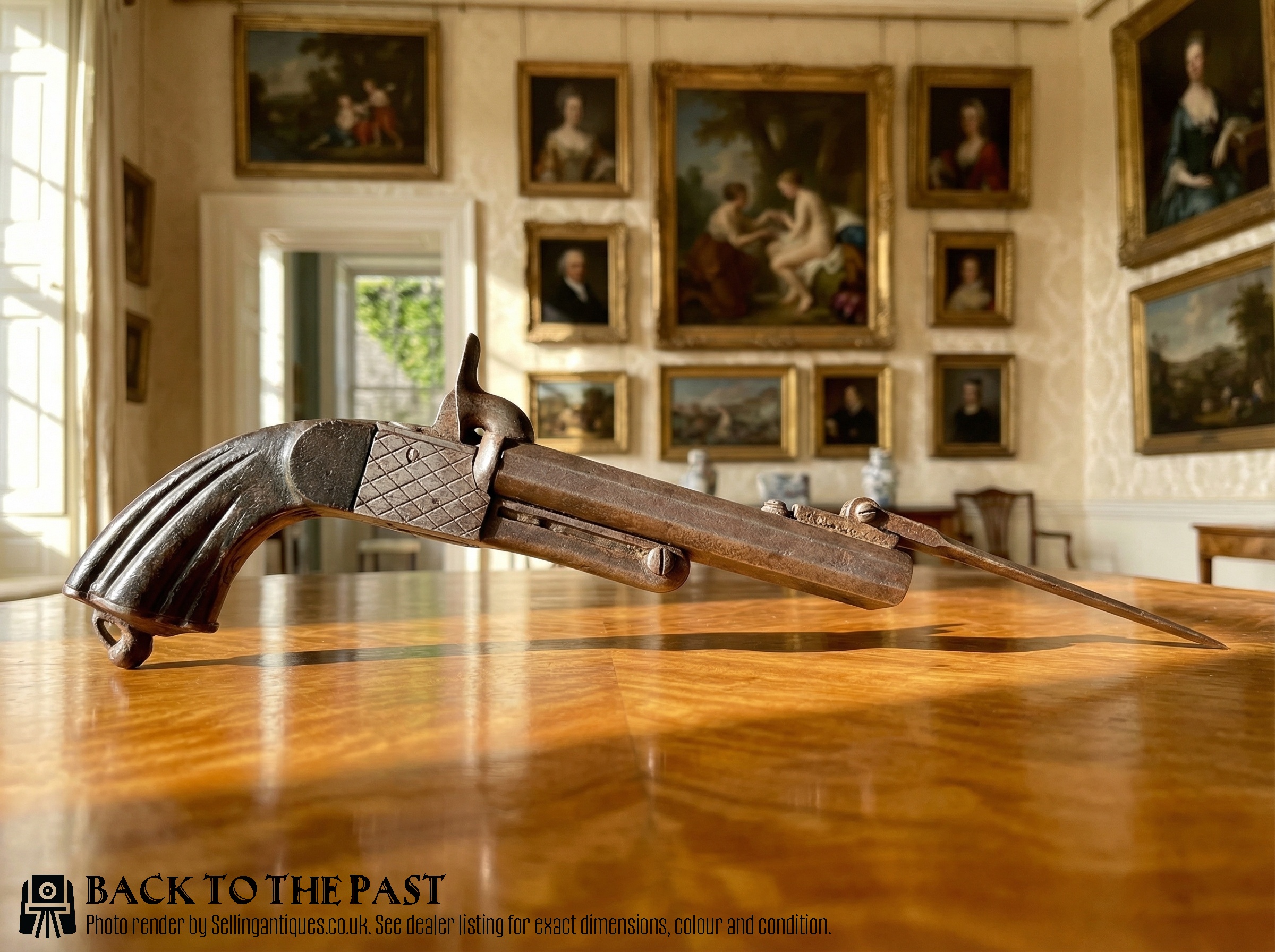
Dark Steel Firearm
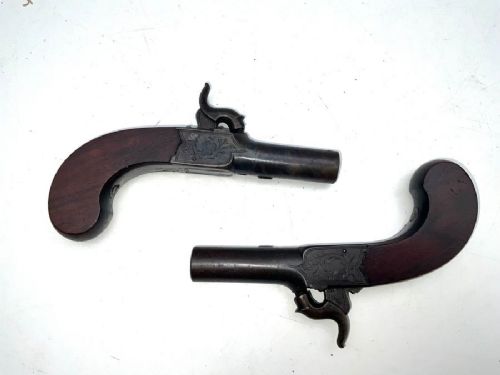
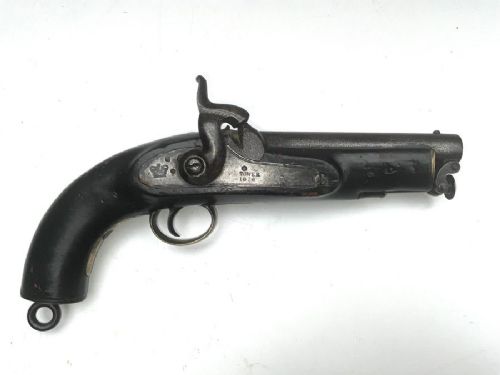
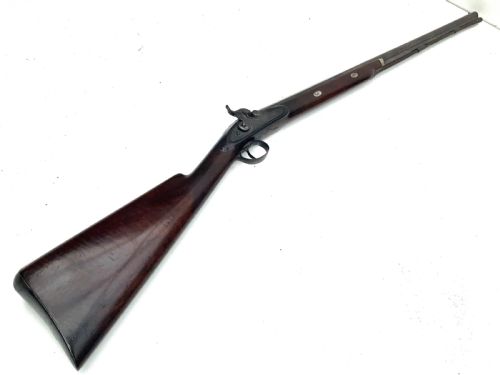
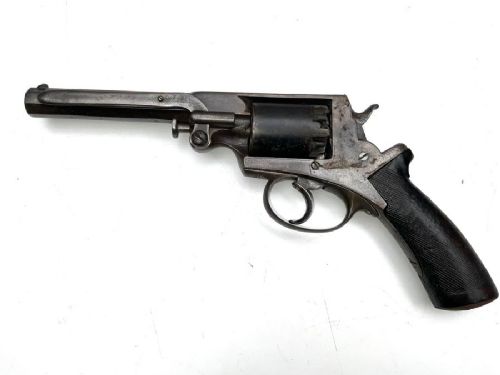
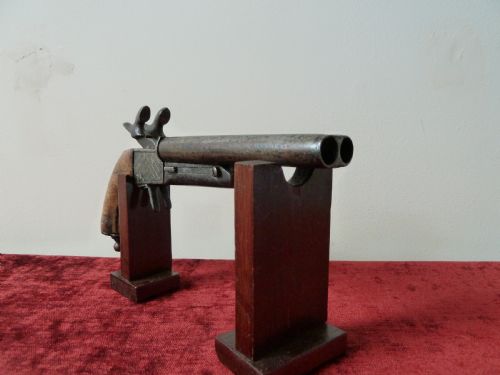
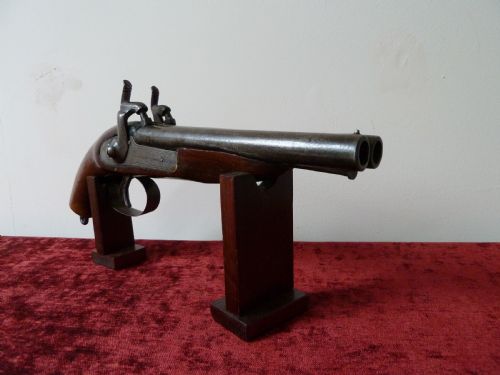
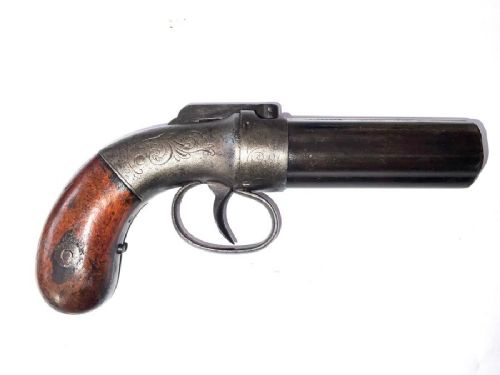
When you search for dark steel antique firearm examples, you encounter a diverse range of implements spanning from the eighteenth to the nineteenth century. These objects include pocket pistols, heavy cavalry muskets, and multi-shot revolvers used across British, European, and global territories.
How they were made
Makers utilised dark forged steel and iron for barrels and locks, pairing them with stocks carved from dense hardwoods such as walnut. Brass and silver mountings often adorned these pieces, particularly on regional variations from Ottoman and Balkan origins.
Mechanisms relied on manual forging and hand-fitting of internal springs, cocks, and frizzen plates. Metal components frequently received dark finishes or retained their natural iron patination through centuries of preservation.
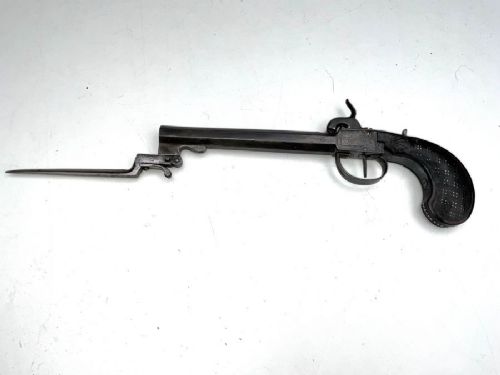
Some nineteenth-century pocket pistols thoughtfully packed foldaway bayonets, ensuring polite Victorian disputes could conclude at very close quarters indeed.
What varies in quality
The calibre of engraving on brass mounts and lockplates separates utilitarian military arms from bespoke officer or civilian pieces. Finer examples display intricate scrollwork, maker signatures, and precision-fitted metalwork.
The integrity of the original mechanical action and the preservation of markings or proof stamps dictate the standing of an individual piece. Items retaining matching serial numbers and crisp metal patination represent the pinnacle of survival from these periods.
John Manton And Son·Allen And Thurber·Auguste Francotte·Barber Of Newark·T. Potts London
The Dark Steel Firearm Glossary
- Flintlock
- An ignition mechanism utilising a piece of flint held in a cock to strike a steel frizzen, creating sparks to ignite the priming powder. This system dominated military and civilian arms throughout the eighteenth century.
- Percussion cap
- A small metal cup containing fulminate of mercury placed on a nipple, which explodes when struck by the hammer to ignite the powder charge. It replaced the flintlock system in the nineteenth century.
- Matchlock
- An early firearm ignition system where a slow-burning match is lowered into a pan of priming powder via a curved lever. This represents one of the earliest mechanical methods of discharging a firearm.
- Snaphaunce
- An early flintlock mechanism featuring a separate steel and priming pan cover operated by a spring. It serves as a developmental ancestor to the true flintlock.
- Pinfire
- A cartridge design featuring a small pin protruding radially from the base of the cartridge case, which is struck by the hammer to detonate the primer. This technology emerged during the mid-nineteenth century for revolvers and double-barrel pistols.
Dark Steel Firearm: Frequently Asked Questions
What is the difference between flintlock and percussion?
Flintlock arms rely on a flint striking a steel frizzen to generate sparks for ignition, visible in eighteenth-century pieces.
Percussion firearms utilise an external hammer striking a primed cap, a nineteenth-century innovation offering greater reliability in wet weather.
How can I identify the period of a piece?
Examine the lock mechanism, stock style, and any visible maker stamps or proof marks stamped into the metal.
Matchlock and flintlock mechanisms generally point to the eighteenth century or earlier, while percussion systems and pinfire designs indicate mid-nineteenth-century manufacture.
Were these pieces used in military conflicts?
Many examples on this page served active military roles, ranging from Revolutionary Wars muskets to American Civil War revolvers.
Others functioned as civilian pocket pistols, duelling arms, or sporting fowlers for personal protection and hunting.