




Dark Red Persian Carpet
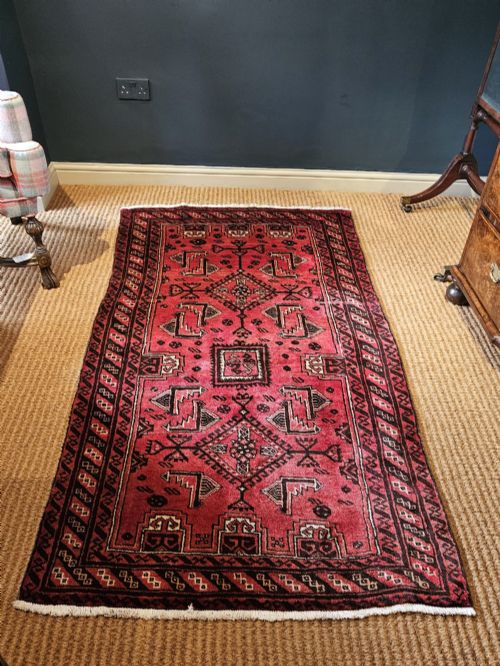
A dark red persian carpet brings depth and enduring texture to a room through tribal motifs and rich hand-spun wool.
Dark Red Persian Carpet
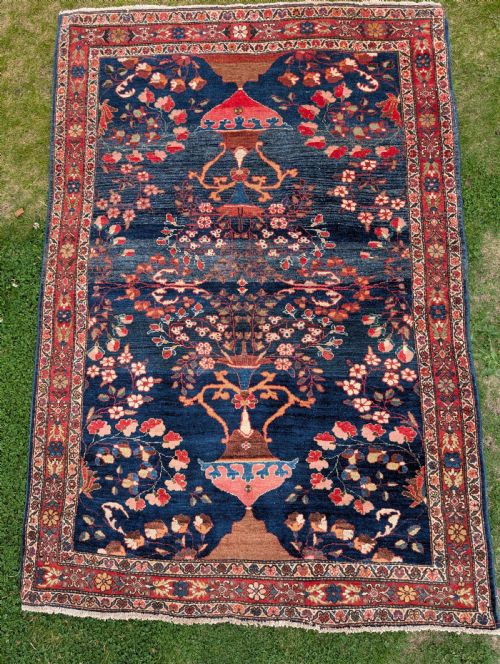
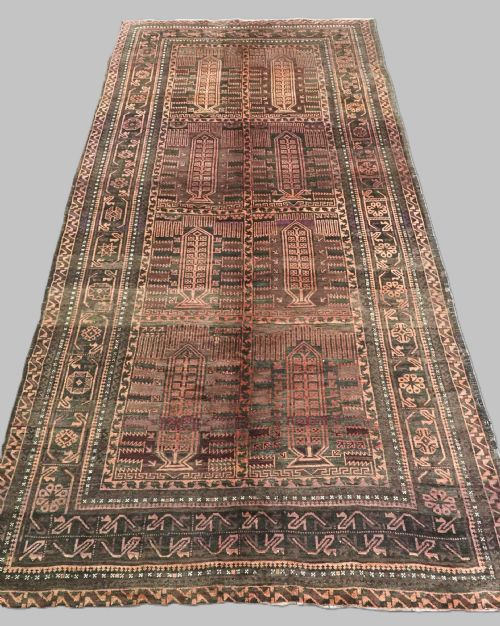
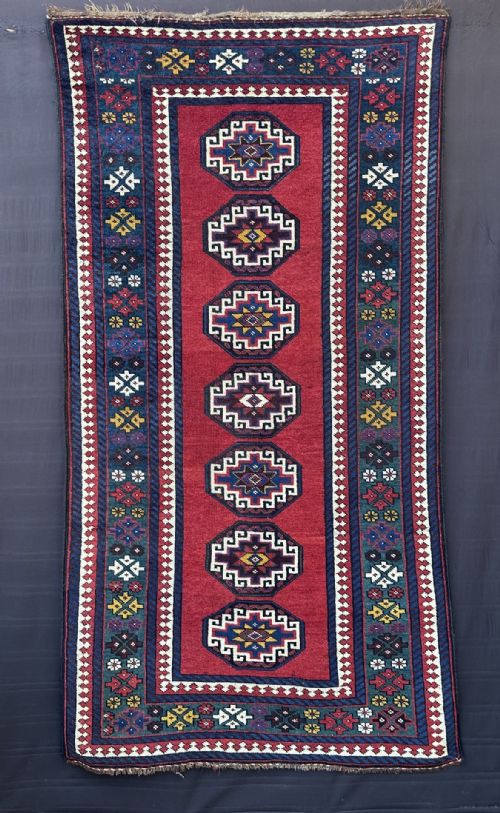
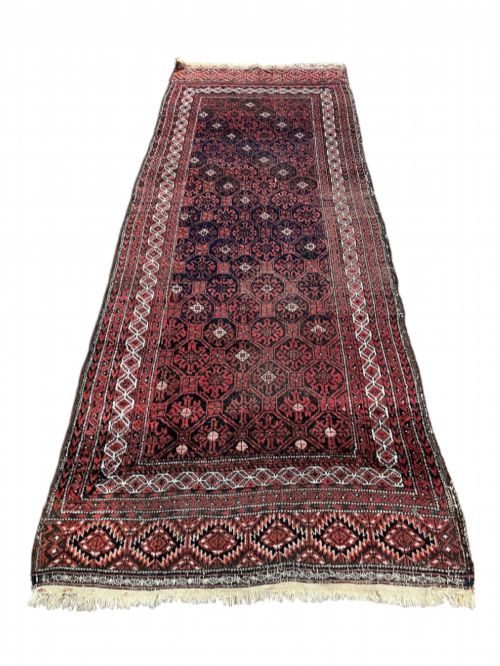
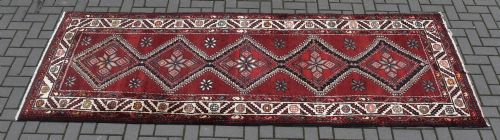
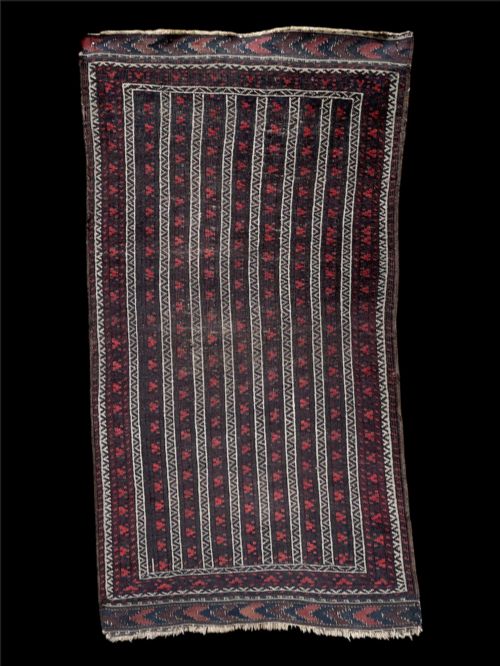
When you search for a dark red persian carpet, you encounter handwoven floor coverings originating from various regions and tribes across Persia and neighbouring areas. The selection spans the late nineteenth century through to the early decades of the twentieth century, encompassing smaller mats alongside substantial runners and main carpets.
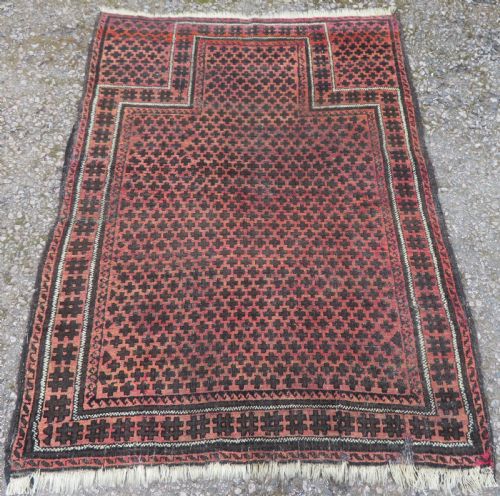
Tribal and nomadic pieces dominate the offerings, with numerous examples associated with Baluch weavers, alongside rugs from Kurdish, Qashqai, Khamseh, and Khamseh-related traditions. These textiles display distinct regional geometries, prayer niches, and medallion patterns woven by village and nomadic makers rather than large urban manufactories.
Buyers frequently find formats designated as rugs, area rugs, runners, and main carpets. The prevalent palette relies heavily on deep red and crimson tones, often contrasted with indigo, brown, and ivory details within the field and border configurations.
How they were made
The construction of these carpets relies upon wool for the pile and foundation yarns, frequently paired with cotton or goat hair elements in the foundation and selvedges. Hand-spun wool provides the tactile warmth and varied surface texture observed across the tribal and village weaves.
Weavers utilised natural dyes to achieve the deep red and dark ground colours that define this grouping, resulting in subtle tonal variations across the pile. The traditional handweaving techniques involve dense knotting tied onto warp and weft threads, producing a durable textile intended for generational utility.
Nomadic weavers occasionally embedded small intentional irregularities into repeating geometric borders to ward off the evil eye.
What varies in quality
Quality in these carpets rests on the density and uniformity of the knotting, which dictates the crispness of geometric patterns such as the pencil box, lattice, or gul motifs. Finer execution yields sharper definition in intricate border systems and medallion structures.
The choice of materials and dye saturation also separates standard examples from superior ones. Hand-spun wool combined with rich, light-fast natural dyes creates a vibrant depth of colour that patinas gracefully over time.
The Dark Red Persian Carpet Glossary
- Baluch
- A designation for rugs woven by nomadic or semi-nomadic tribes inhabiting the borderlands of Persia and Afghanistan. These pieces frequently feature dark red or brown grounds and geometric prayer designs.
- Kelleh
- A specific format of Persian carpet that is longer than it is wide, traditionally suited for placement along the side of a large room. They often display structured field arrangements.
- Mina Khani
- A repeating pattern of lattice work enclosing delicate floral or rosette motifs. This traditional layout appears frequently in Khorasan and wider Persian weaving.
- Gul
- An octagonal or medallion-like motif used as a primary design element in tribal carpets, particularly among Turkmen and related groups. Each tribe utilised distinct variations of these primary stamps.
- Prayer Rug
- A textile featuring a distinct mihrab or arch shape at one end, designed to indicate the direction of prayer. These pieces are typically smaller in scale and easily portable.
Dark Red Persian Carpet: Frequently Asked Questions
Where were these carpets originally made?
These carpets originate from various tribal, village, and regional centres across Persia, including Khorasan, Fars, and the western borderlands. Nomadic groups such as the Baluch, Qashqai, and Kurdish tribes produced them for daily domestic use.
Production methods varied by tribe, reflecting the specific regional wools, natural dye palettes, and geometric motifs characteristic of each weaving community.
What is a runner rug used for?
Runner rugs are long, narrow textiles specifically proportioned for hallways, corridors, staircases, and narrow transitional spaces within a home. Their elongated format directs foot traffic while adding warmth to wooden floors.
In historical contexts, these formats also served specific spatial functions within tents and rural dwellings where floor space followed long, linear layouts.
How should I care for antique wool carpets?
Antique wool carpets require gentle treatment, regular vacuuming without a rotating power brush, and occasional professional cleaning tailored to natural fibres and natural dyes. Keeping them out of direct, intense sunlight prevents premature fading of the red and indigo tones.
Using a breathable underlay helps secure the carpet on hard floors, reduces friction against the pile, and preserves the structural integrity of the handwoven foundation.