







Dark Red Commode
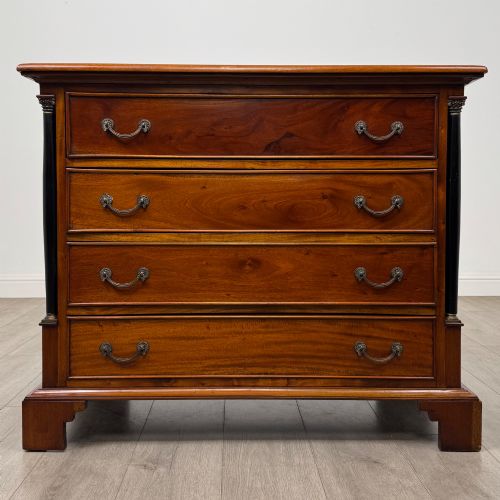
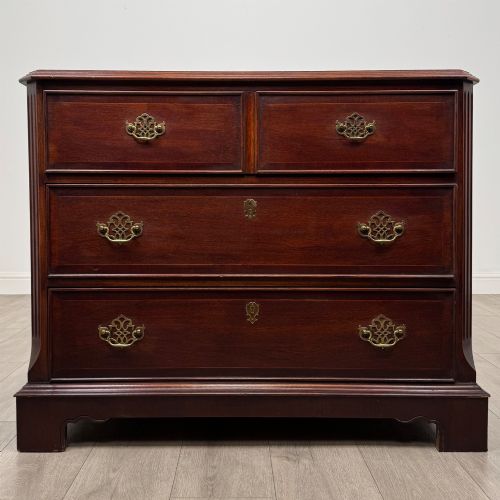
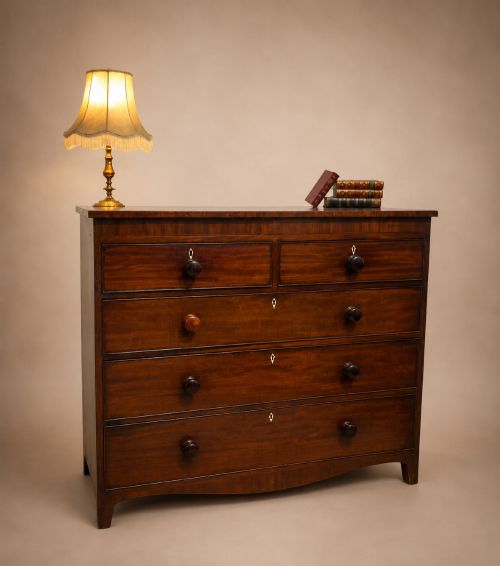
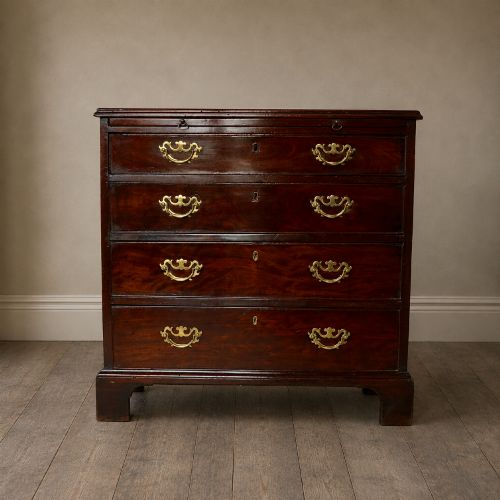
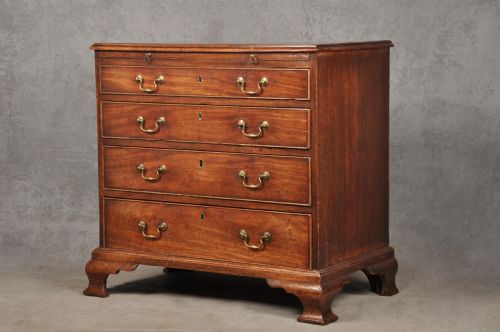
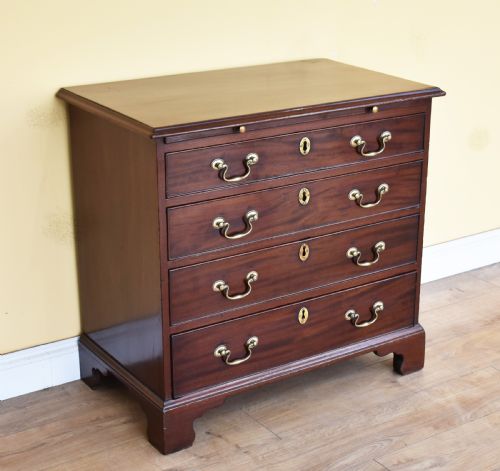
These dark red commode selections are stately chests of drawers and side cabinets in rich timber, offering both practical storage and handsome presence.
Dark Red Commode
The selections span several notable periods, from 18th century George II and George III examples to Victorian, Edwardian, and Colonial Revival interpretations. Buyers will frequently encounter classic rectangular proportions, serpentine fronts, and bowfront designs among the available items.
Origin and regional style vary, with English craftsmanship sitting alongside American interpretations and French Empire side cabinets. Miniature furniture pieces also appear, offering the same cabinetmaking standards on an intimate scale.
Materials and construction
Cabinetmakers relied heavily on solid timber and timber veneer, selecting mahogany and flame mahogany for their deep reddish-brown tones and striking grain patterns. Secondary woods like pine appear in internal construction, while specialist examples incorporate contrasting ebonised wood or bone detailing.
Surface treatments and hardware define the physical character of these pieces, featuring polished wood finishes alongside inset marble tops or painted surfaces. Brass handles and escutcheons complete the construction, secured to drawer fronts built with traditional joinery.
Miniature versions exist because apprentice cabinetmakers made them as masterworks to prove their skills to the guild.
Assessing quality
The refinement of the timber selection marks the distinction between standard examples and the finest pieces, particularly where matched flame mahogany veneer or richly patinated red walnut is utilised. Grain alignment across drawer fronts and the depth of the natural polish reveal the maker's initial ambition.
Structural integrity and the subtlety of decorative carving also separate categories, from restrained George III mouldings to more ornate Chippendale style or French Empire details. Original brass hardware and the crispness of edge joinery demonstrate the enduring standard of the original workshop.
The Dark Red Commode Glossary
- Commode
- A low chest of drawers or cabinet. In antique terms, this frequently describes formal case furniture designed for storage in principal rooms.
- Serpentine front
- A furniture front curving outward in the centre and inward at the sides. This contour requires advanced woodworking skill to execute properly.
- Bowfront
- A convex, outwardly curved front found on chests of drawers. It gained widespread popularity during the Georgian period for softening room angles.
- Flame mahogany
- Timber veneer cut from the branch junction of a mahogany tree. It yields a distinctive, flickering flame-like pattern prized by cabinetmakers.
- Red walnut
- An older term for walnut timber exhibiting a warm, reddish hue. It appears in mid-18th century pieces before mahogany dominated fine cabinetmaking.
Dark Red Commode: Frequently Asked Questions
What is a dark red commode?
A dark red commode is a chest of drawers or side cabinet constructed from rich timbers like mahogany or red walnut. These pieces function primarily for bedroom or reception room storage.
They combine deep, warm wood tones with classical proportions, making them both functional furniture and significant decorative elements.
Where should I place a chest of drawers?
These cabinets suit bedrooms, hallways, or living rooms where surface display space and concealed storage are both required. Their finished timber backs and polished tops allow for versatile placement.
Consider the clearance needed for drawer operation and the surrounding room traffic when positioning larger Georgian or Victorian examples.
How do I identify a George III piece?
George III pieces typically display restrained classical proportions, refined timber veneers, and precise dovetail joinery. They often feature brass drop handles and bracket feet.
Looking closely at the secondary woods inside the drawers and the ageing of the timber helps confirm the eighteenth-century origins.
What maintenance do these wooden cabinets need?
Keep wooden surfaces away from direct sunlight and extreme heat sources to prevent timber drying and veneer splitting. Regular dusting with a soft cloth preserves the polish.
Applying a traditional wax occasionally helps nourish the historic wood without building up heavy chemical residues.