

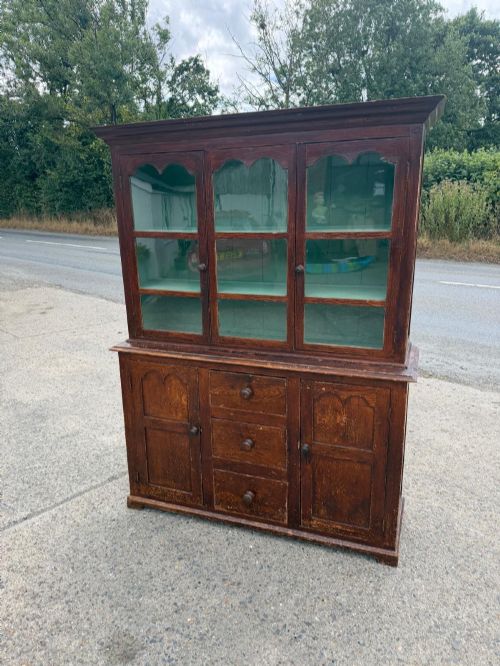

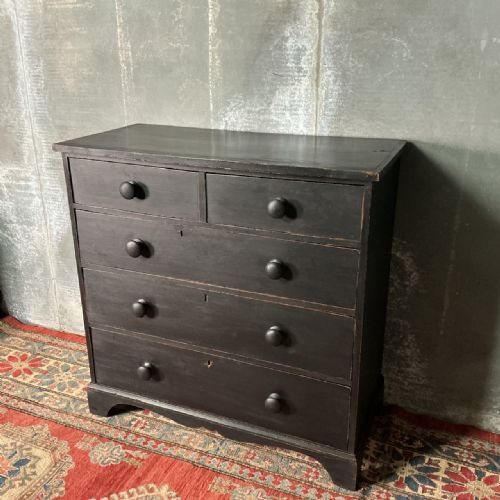


Dark Pine Dresser
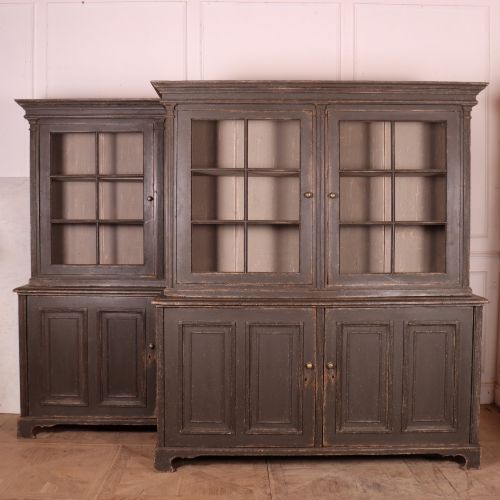
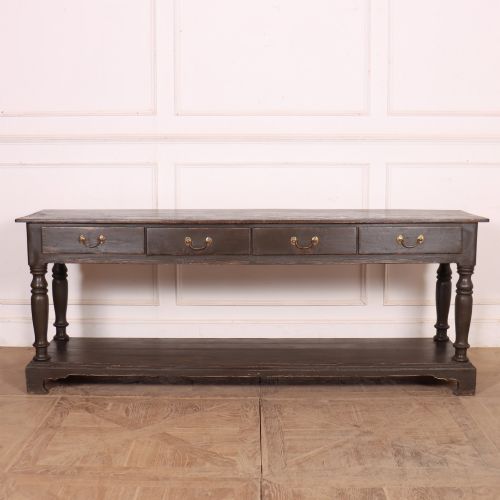
These dark pine dresser pieces bring robust utility and honest charm to a room, offering both display space and deep storage.
Dark Pine Dresser
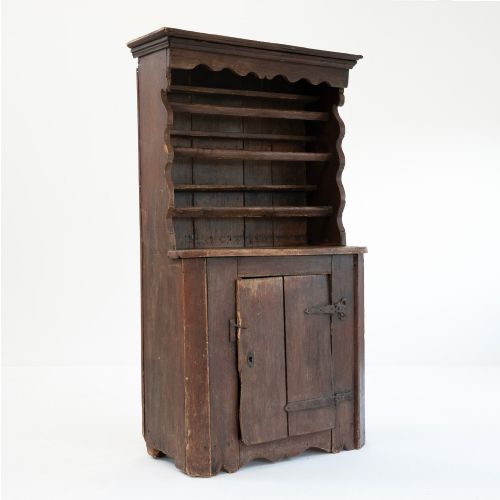
A dark pine dresser combines open shelving or glazed upper racks with enclosed base storage, serving as the traditional heart of a country kitchen or dining space. When you search for a dark pine dresser, you encounter forms ranging from open pot board bases to glazed Victorian cabinets.
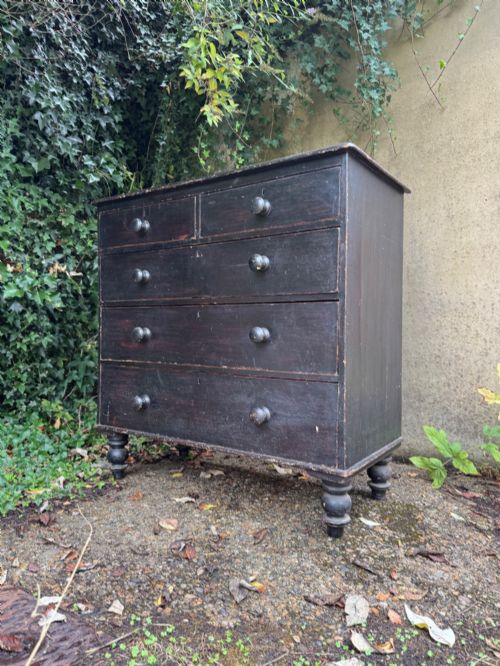
The pieces on this page span the eighteenth and nineteenth centuries, including English, Irish, and Scottish provincial examples. Kitchen dressers, dresser bases, and housekeepers cupboards dominate the selection, often accompanied by matching plate racks.
Regional variations appear clearly, from West Country workshops to Irish country houses. Simpler English country styles sit alongside pieces featuring painted finishes or scumbled surfaces.
Judging quality in country furniture
Quality rests upon the integrity of the timber, the retention of original surface finishes, and the survival of early hardware. Pieces retaining their original painted or scumbled coats command greater interest than stripped examples.
Proportion and architectural detail separate standard utility items from finer provincial work. Elements such as fretwork, Corinthian columns on delft racks, or breakfront drawer arrangements indicate higher ambition from the maker.
Dark Pine Dresser Retail Price Guide 2026
Typical asking prices for dark pine dresser among the pieces listed under this phrase on Sellingantiques today, from the lower quarter to the upper quarter. They describe what is for sale here now, not the wider market.
Scumbled pine finishes were applied by painters dragging combs through wet glaze to trick visitors into seeing expensive grain.
The Dark Pine Dresser Glossary
- Pot board
- An open lower shelf on a dresser, traditionally used for storing pots and heavy kitchen utensils. This feature defines many eighteenth-century country examples.
- Scumble
- A decorative painting technique involving translucent glaze dragged over a base coat to imitate finer grained woods. This finish appears frequently on nineteenth-century pieces.
- Delft rack
- Shelving mounted on a wall or sitting atop a dresser base, designed to display plates upright. These often feature shaped fretwork or plate grooves.
- Housekeepers cupboard
- A large tall storage cabinet with multiple doors, used for linens and provisions in a large country house. These represent substantial vernacular furniture.
Dark Pine Dresser: Frequently Asked Questions
How do I care for painted pine?
Painted pine surfaces require gentle cleaning with a dry or barely damp cloth to preserve historical finishes. Avoid harsh chemical cleaners that can strip fragile layers of old paint or scumble glaze.
Keep the wood away from direct heat sources and strong sunlight to prevent warping and fading. Natural wax can be applied sparingly to unpainted timber sections to nourish the grain.
What distinguishes an Irish dresser?
Irish dressers frequently display distinct regional proportions and vernacular design details compared to their English counterparts. They often incorporate local timbers and unique configurations of drawers and pot boards.
Many surviving examples retain early painted finishes that reflect the domestic interiors of Irish country houses. Their robust construction speaks to heavy, practical use in rural settings.
Are plate racks original to dressers?
Plate racks are often matched to dresser bases through shared age, timber characteristics, and paint finishes. Some upper racks and lower bases are joined historically as complete units from the workshop.
When examining a piece, check that the joinery and timber patina align consistently between the top and bottom sections. Many eighteenth and nineteenth-century examples survive with their accompanying delft racks intact.