



Dark Oil Portrait Lady
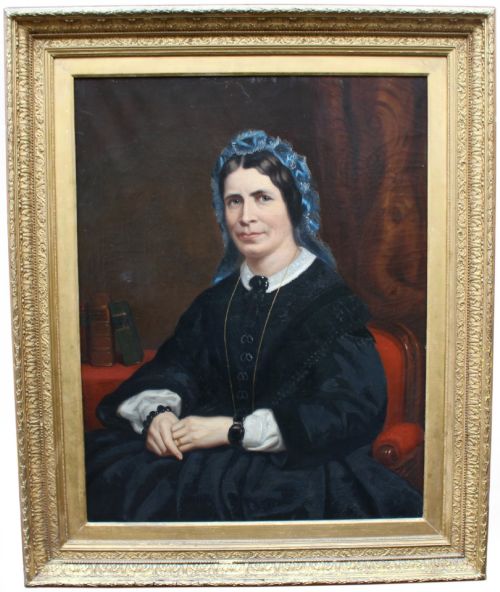
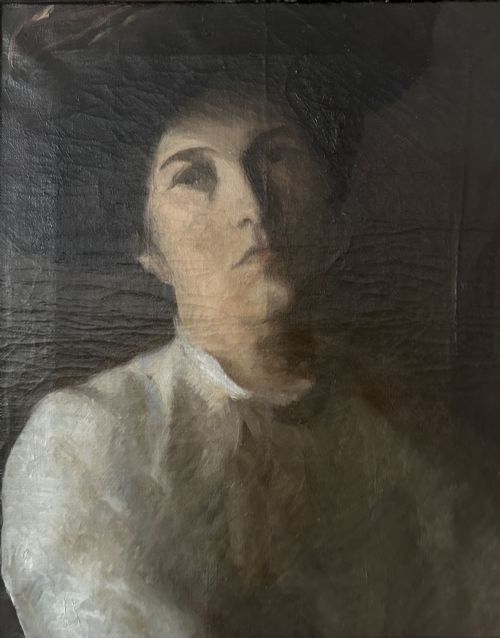
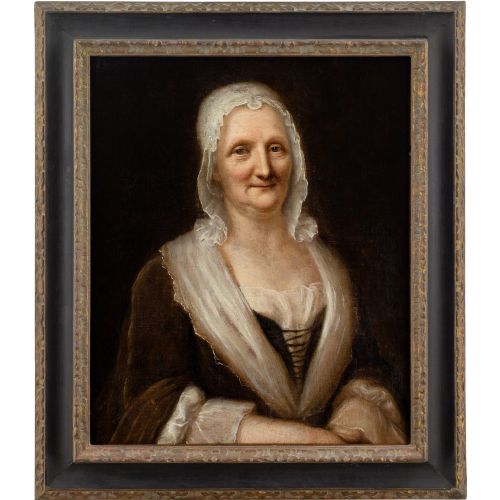
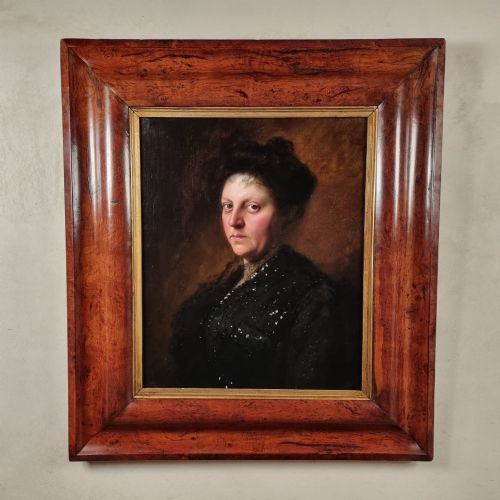
A dark oil portrait lady brings centuries of quiet gravity into a room, offering an intimate encounter with historical figures rendered in rich, deep pigments.
Dark Oil Portrait Lady
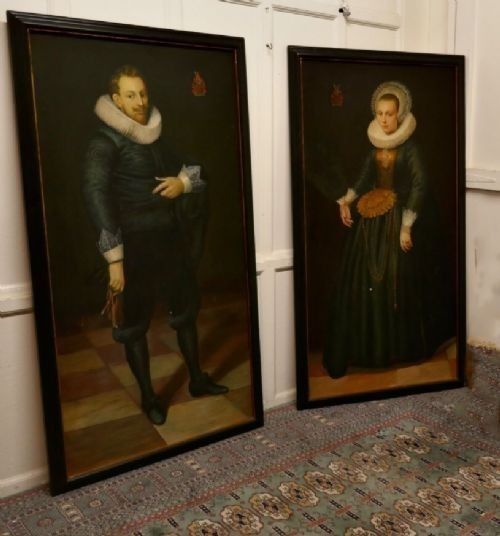
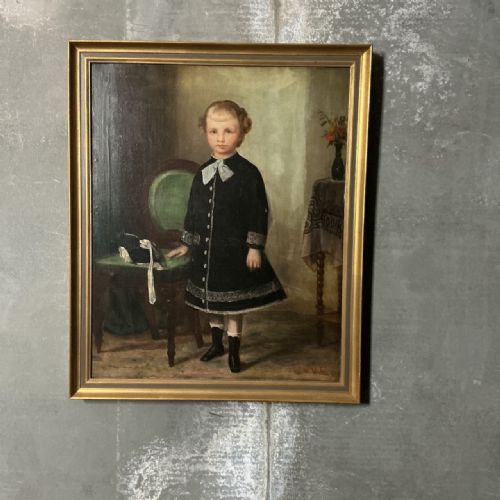
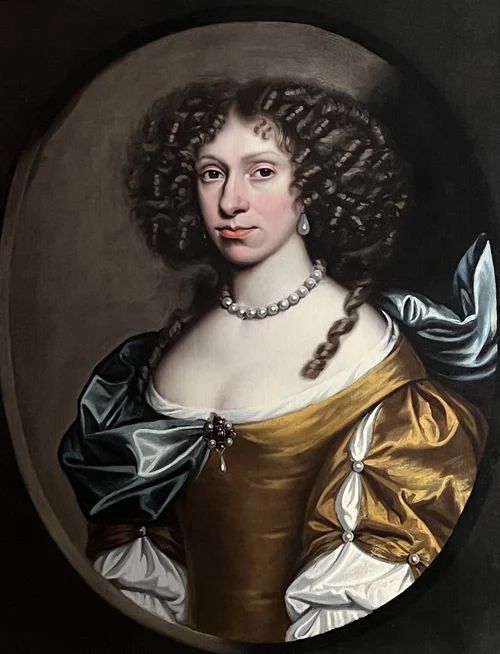
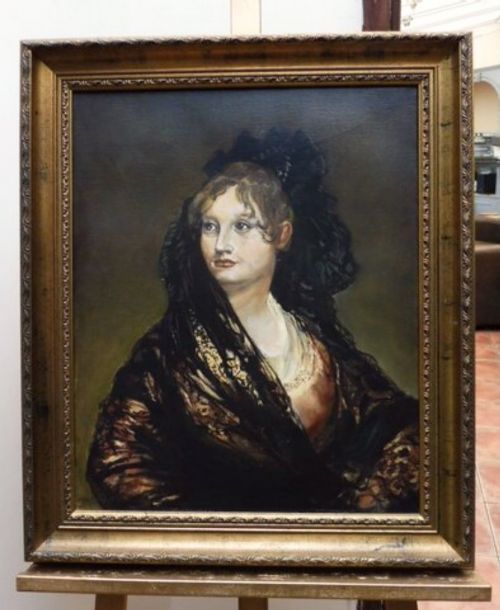
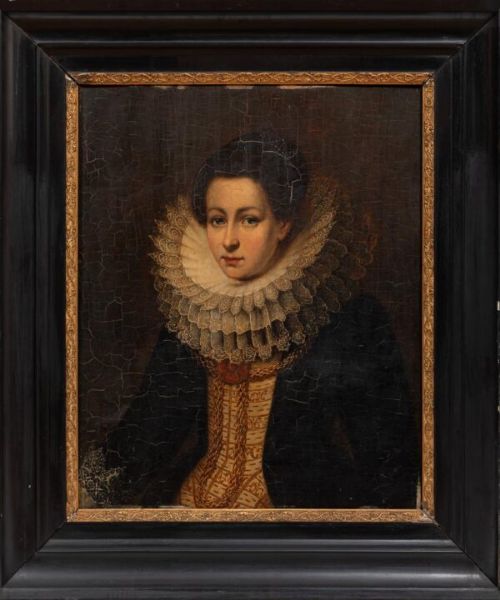
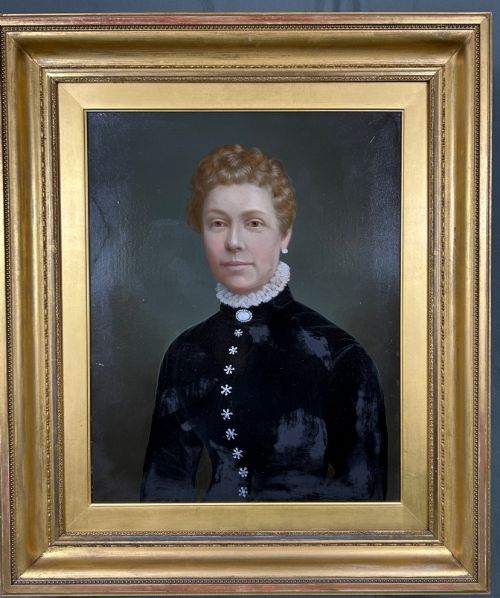
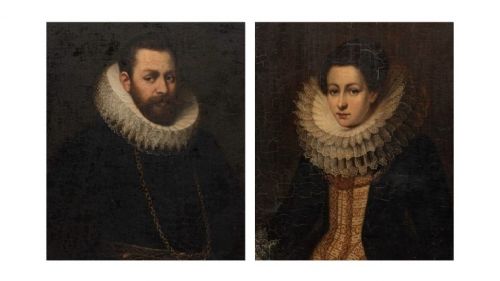
A dark oil portrait lady depicts female subjects rendered in deep, atmospheric palettes across various historical periods. These works capture sitters ranging from seventeenth-century nobility in elaborate ruffs to Victorian women in sombre attire.
The most common examples encountered on this page stem from the seventeenth, eighteenth, and nineteenth centuries, executed in oil on canvas or wood panel. They reflect shifting social roles and artistic conventions, preserving the individual likeness and status of each sitter through moody, shadowed lighting.
Materials and Construction
Artists applied oil paint using brushes and sometimes panels or canvas supports, building deep tonalities through layered glazes. This traditional technique allowed painters to manipulate light and shadow, creating the characteristic chiaroscuro effect that defines these dark compositions.
Surviving works frequently retain their original framing components such as gold leaf, gesso, and giltwood. These ornate borders complement the rich pigments of the paintings, providing structural support and period-appropriate presentation.
Several ladies gaze out across the centuries accompanied by small dogs, ruff collars, and even teacups.
Evaluating Artistic Merit
The preservation of the paint layer and the integrity of the canvas or wood panel heavily influence the enduring appeal of each piece. Minimal overpainting and stable craquelure indicate a well-maintained survivor from its respective period.
DAVID SCOUGALL·Pierre Mignard·THOMAS BEACH·Cornelius Johnson·Sir Anthony Van Dyck·Nicolaes Maes·Quirijn Van Brekelenkamp·Paolo Veronese·August Heinrich Riedell·Thomas Gainsborough·William Huggins·J CECIL BRADSHAW
The Dark Oil Portrait Lady Glossary
- Oil on Canvas
- A traditional painting medium where pigments suspended in drying oils are applied to a stretched woven fabric support. This combination offers flexibility and longevity.
- Chiaroscuro
- An artistic technique employing strong contrasts between light and dark to give a sense of volume to three-dimensional objects and figures. It forms the backbone of dark portraiture.
- Giltwood
- Wood that has been carved and coated with a thin layer of gold leaf or gold paint. Frames utilising this material are common accompaniments to period fine art.
- Panel Painting
- A flat piece of wood used as a support for a painting instead of canvas. Artists frequently utilised oak or other hardwoods during earlier centuries.
- Ruff
- A protruding starched collar worn by nobility and the upper classes during the late sixteenth and early seventeenth centuries. It adds distinct dating markers to early portraits.
Dark Oil Portrait Lady: Frequently Asked Questions
How do I date a dark oil portrait lady?
Dating relies heavily on the clothing, hairstyle, and framing techniques visible in the artwork. Details such as ruff collars, bonnets, or specific fabric textures align directly with the prevailing fashions of the sitter's era.
Material analysis also aids identification, as seventeenth-century works frequently employ wood panels whereas later centuries favoured stretched canvas. Comparing the stylistic school with known regional portrait traditions narrows down the creation window further.
Where should I hang a dark oil portrait lady?
These atmospheric works thrive in spaces with controlled lighting that accentuates their deep shadows without causing glare. Libraries, studies, or dining rooms often provide a sympathetic backdrop for historical portraiture.
Keep pieces away from direct sunlight and fluctuating heat sources to protect the delicate oil pigments and wooden supports. Adequate wall space allows the substantial presence of these historical paintings to anchor the room properly.
What does attribution to a follower mean?
Attribution to a follower indicates that an artist worked closely within the style or studio tradition of a master without being the master themselves. These painters adopted the characteristic techniques and compositions associated with prominent names of the period.
Such works offer high artistic competency and period authenticity while remaining distinct from the direct hand of the primary master. They represent the broader stylistic currents of historic art schools.