


Dark Oil Canvas Artwork
Dark oil canvas artwork brings heavy tonal depth and centuries of historical presence into a room.
Dark Oil Canvas Artwork
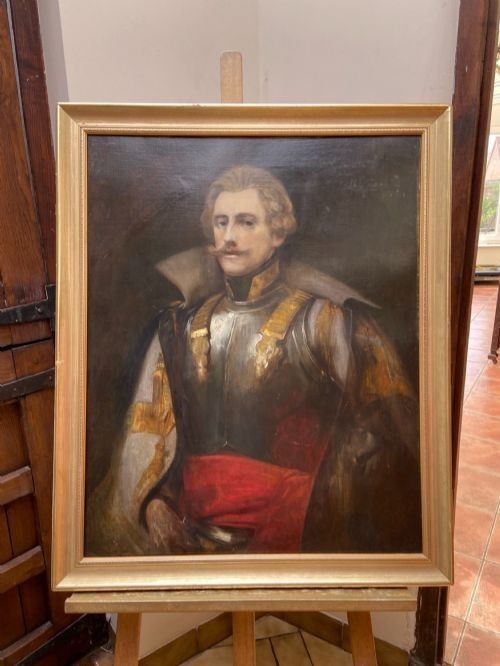
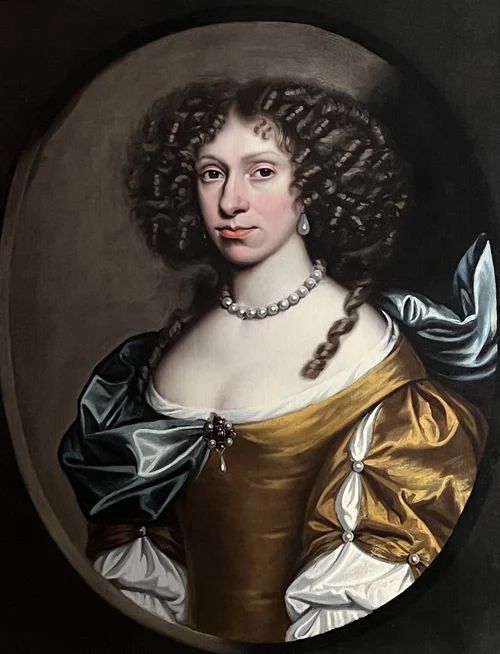
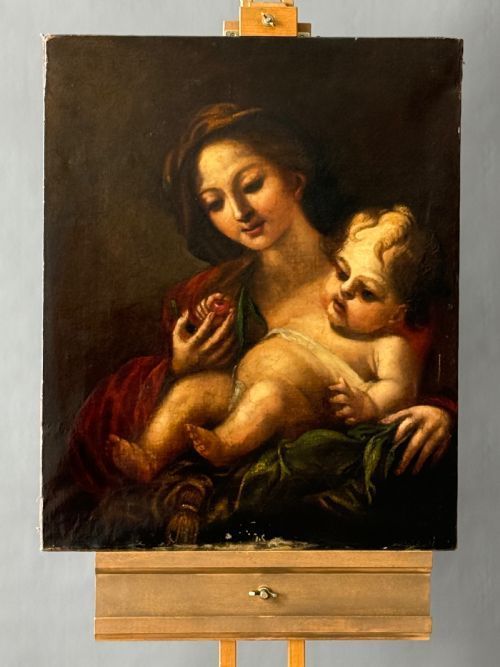
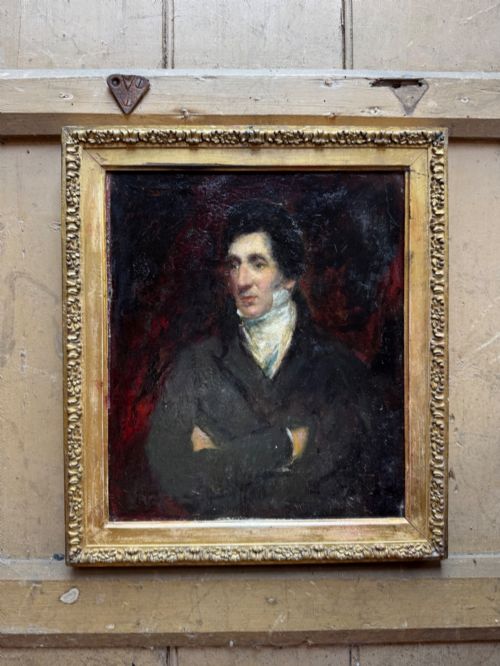
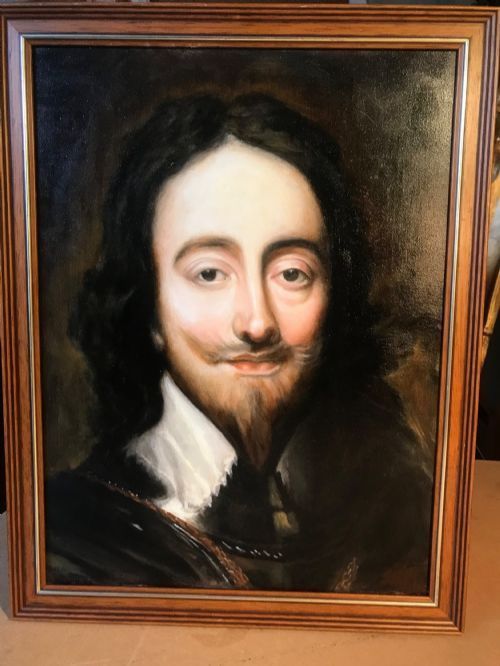
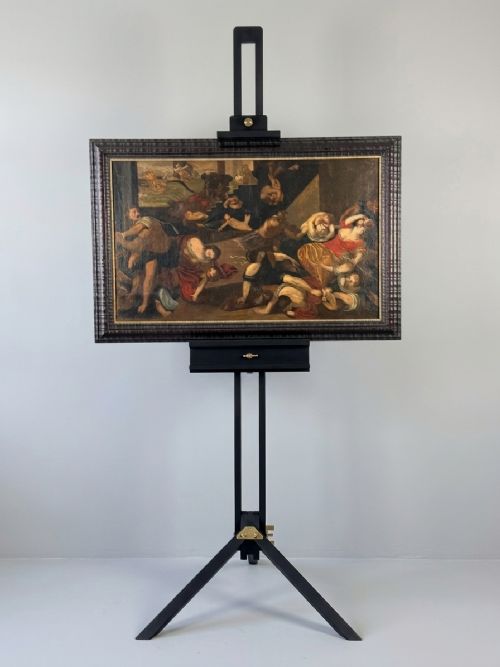
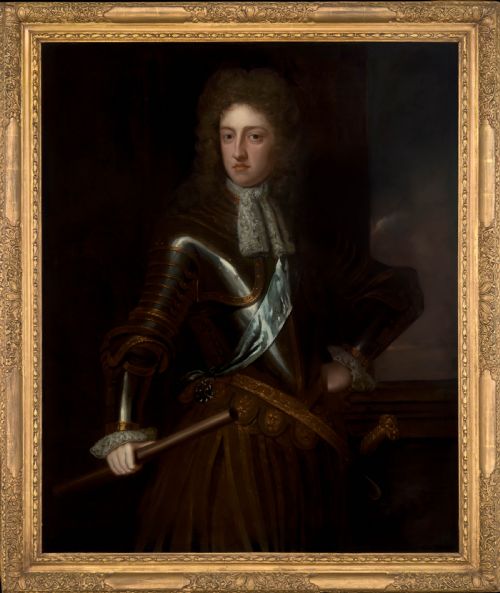
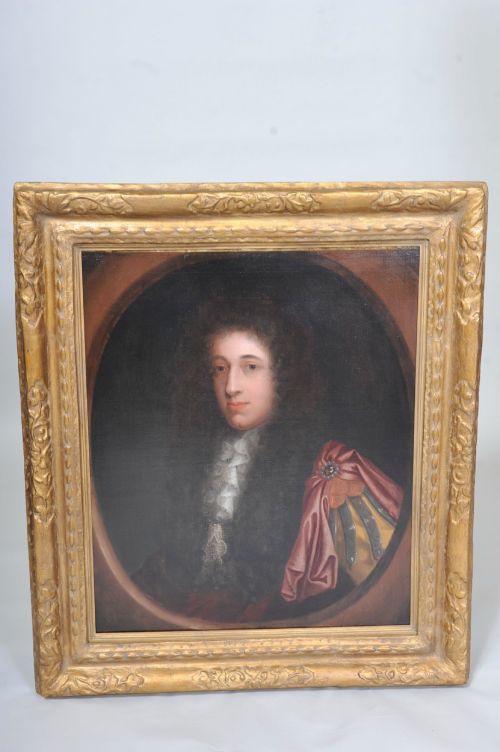
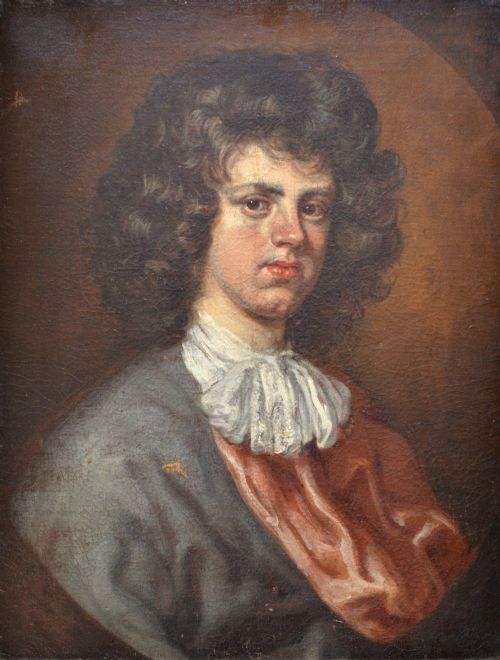
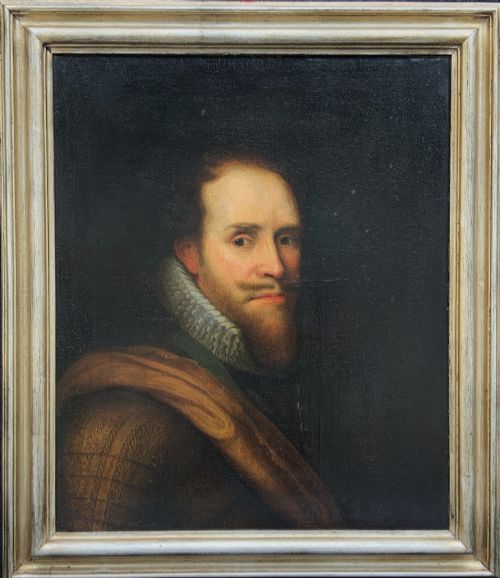
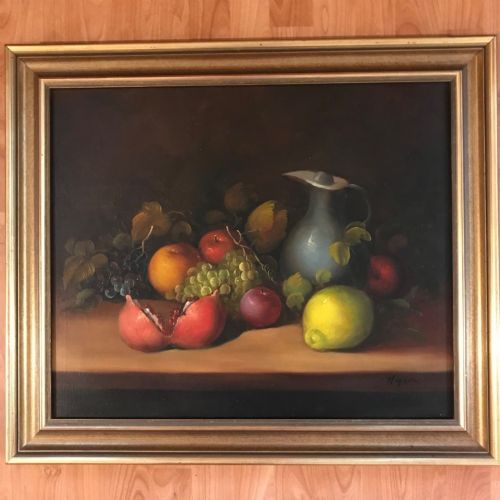
A dark oil canvas artwork presents deep, shadowed palettes across periods ranging from the seventeenth century through to the twentieth century. These pieces predominantly take the form of oil paintings on canvas, frequently framed in wood, giltwood, or gold leaf.
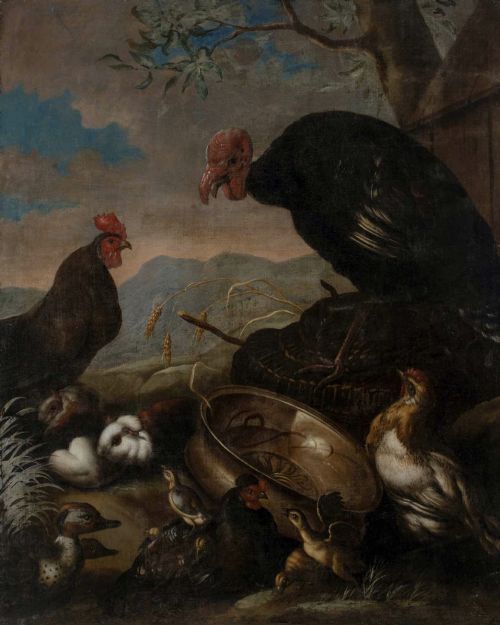
The selections span portrait paintings, still lifes, and narrative scenes executed within Baroque, Victorian, and Regency frameworks. Buyers encounter British, French, Italian, and Dutch schools reflecting both named artists and broader regional traditions.
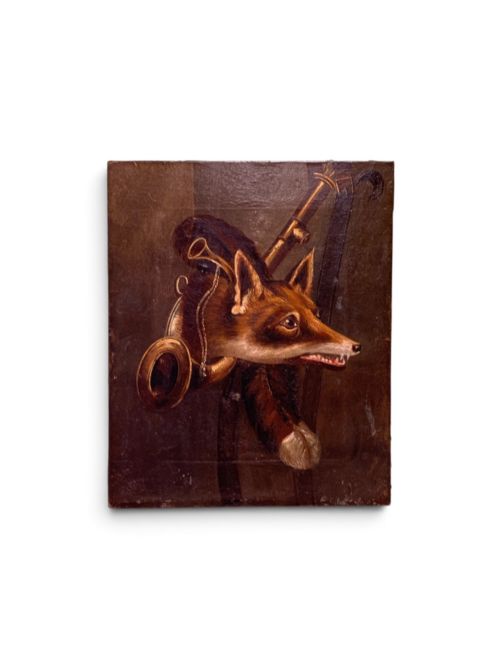
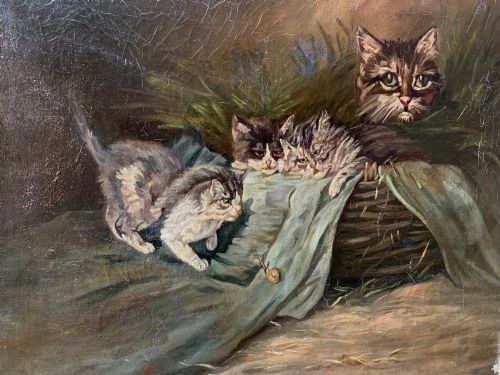
Portraits of military officers, gentlemen, and nobility dominate the early periods, alongside animal studies and architectural landscapes. The common thread uniting these works is a subdued chromatic range and heavy use of oil paint over canvas.
Materials and construction
The foundation of these works relies on stretched woven canvas fixed to wooden support frames. Painters applied multiple layers of oil paint, building depth through dark grounds and deliberate shadow work.
Surviving pieces often retain original or period frames constructed from wood with giltwood or gold leaf embellishments. The interaction between aged oil pigment and natural canvas creates the characteristic craquelure seen across older examples.
The listings span seventeenth, eighteenth, and nineteenth-century European schools, featuring oil on canvas portraits, animal studies, and architectural landscapes framed in wood and gold leaf.
Evaluating quality and execution
Quality rests upon the dexterity of brushwork and the anatomical or spatial accuracy within the composition. Master painters control light and shadow with precision, whereas lesser works from provincial schools rely on formulaic shading and stiff figures.
The preservation of the pigment layer heavily influences standing, with untouched surfaces commanding greater appreciation than heavily restored areas. Furthermore, the strength of provenance and attribution to specific European schools elevates the significance of a piece.
David Scougall·Sir Godfrey Kneller·Mary Beale·Sir William Beechey·Margaret Sarah Carpenter·Guillaume Courtois·Albert Bierstadt
The Dark Oil Canvas Artwork Glossary
- Craquelure
- The fine network of tiny cracks formed on the surface of an oil painting as the paint film ages and hardens over decades. This natural occurrence helps authenticate the age of a canvas.
- Old Master
- A term applied to European painters of skill who worked before the nineteenth century. These artists typically belonged to established continental guilds or schools.
- Giltwood
- Wood that has been treated with a thin layer of gold leaf or gold paint for decorative effect. It frequently frames centuries-old portraits and landscapes.
- Baroque
- An artistic style prevalent from the seventeenth into the eighteenth century characterised by drama, deep shadow, and rich detail. Works from this movement often utilise dramatic lighting known as chiaroscuro.
- Provenance
- The documented history of ownership associated with an artwork from its creation to the present day. Clear records substantiate the authenticity and origin of historical pieces.
Dark Oil Canvas Artwork: Frequently Asked Questions
What lighting suits dark oil paintings?
Soft, indirect illumination prevents glare on the glossy oil surface while highlighting subtle tonal shadows. Avoid direct, intense halogen spots that generate heat and stress the canvas.
LED picture lights with low heat output and UV filtration offer a safe solution for daily viewing. Position the artwork away from direct sunlight to prevent fading.
How can I tell a seventeenth-century canvas from a nineteenth-century copy?
Examination of the canvas weave, stretcher frame construction, and nail types reveals the manufacturing era. Seventeenth-century supports display hand-beaten nails and coarse, irregular linen weaves.
Pigment analysis and the nature of the craquelure further separate period originals from later revivals. Stylistic execution also aligns with the prevailing techniques of the claimed century.
Where should I hang a large dark portrait?
These commanding works suit principal reception rooms or hallways with stable ambient temperature and humidity. Keep them away from radiators, fireplaces, and damp exterior walls to protect the wood and canvas.
Secure heavy giltwood frames using appropriate wall fixings rated for substantial weight. Hang the centre of the canvas at standard eye level for optimal viewing.