
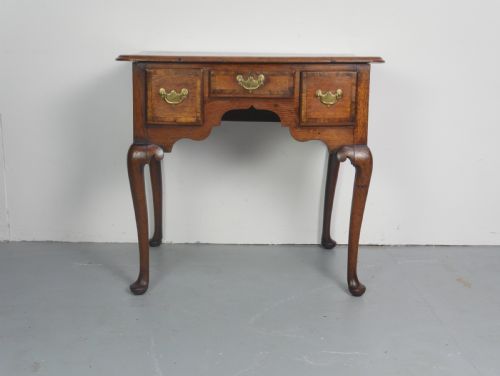


Dark Oak Vanity
Dark oak vanity pieces bring rich grain and historical depth to a room, offering practical surfaces and mirrors rooted in centuries of craftsmanship.
Dark Oak Vanity
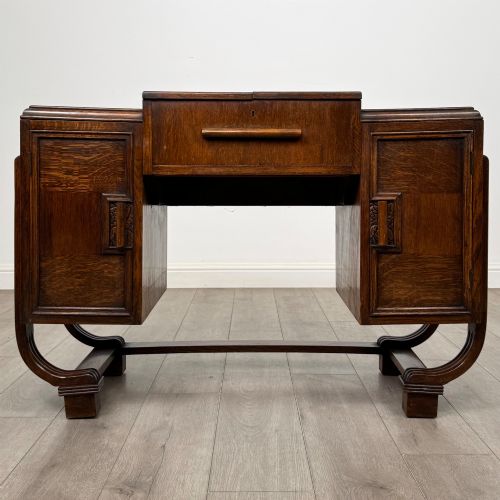
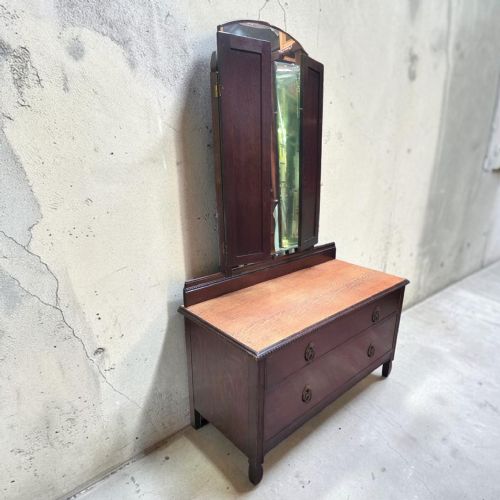
A dark oak vanity encompasses lowboys, dressing chests, and washstands primarily from the eighteenth, nineteenth, and early twentieth centuries. These pieces serve as functional dressing and writing surfaces featuring sturdy timber construction and integrated mirrors.
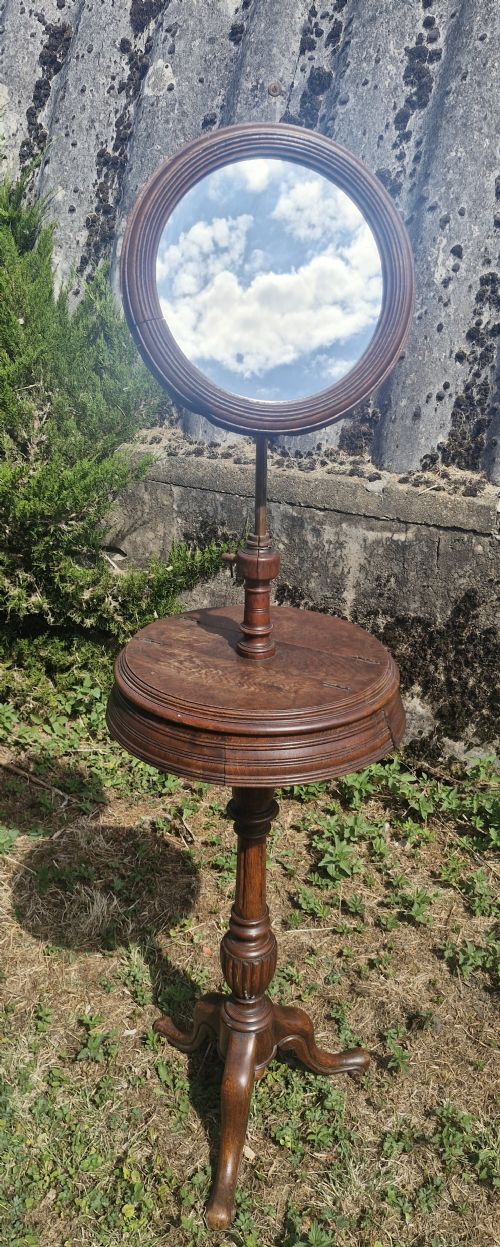
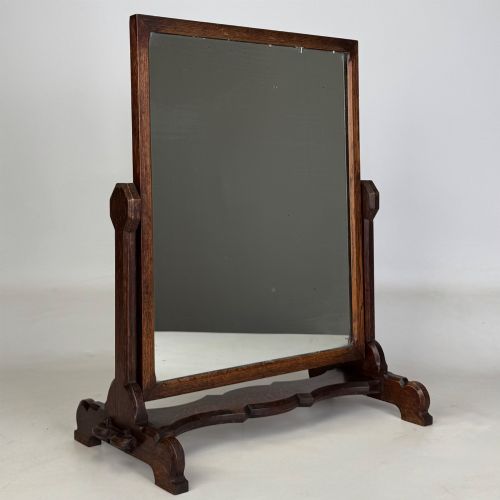
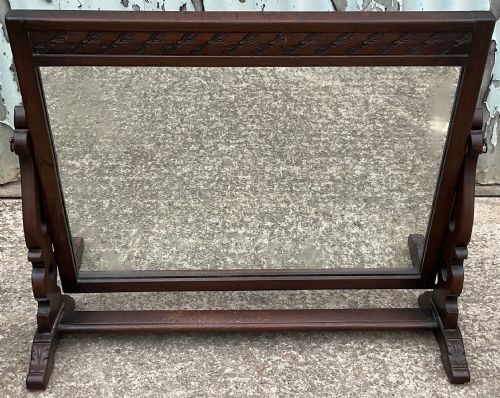
The selection ranges from early Georgian lowboys and Victorian shaving stands to Edwardian and Art Deco dressing tables. Buyers frequently encounter lowboys and dressing chests with swing mirrors among these listings.
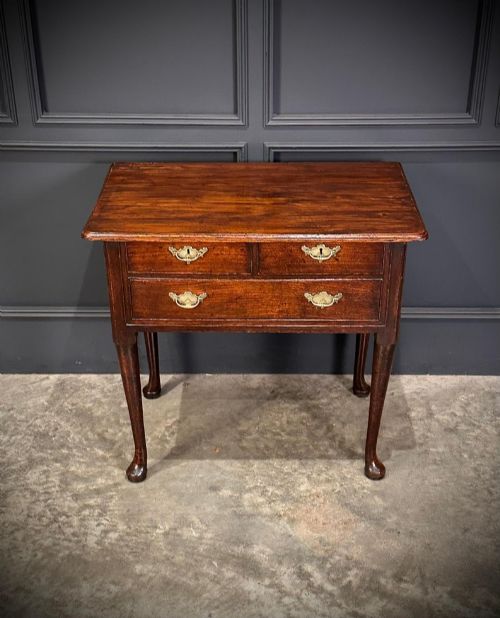
Origins span formal Georgian workshops to Arts and Crafts studios and later twentieth-century interpretations. Each period imparts distinct stylistic cues, from Queen Anne cabriole legs to barley twist supports and geometric Art Deco lines.
Materials and construction
Makers utilised solid oak for its durability and prominent grain, frequently enhancing pieces with brass handles, hinges, and bevelled glass mirror plates. Supporting elements occasionally incorporate rush seating and secondary woods.
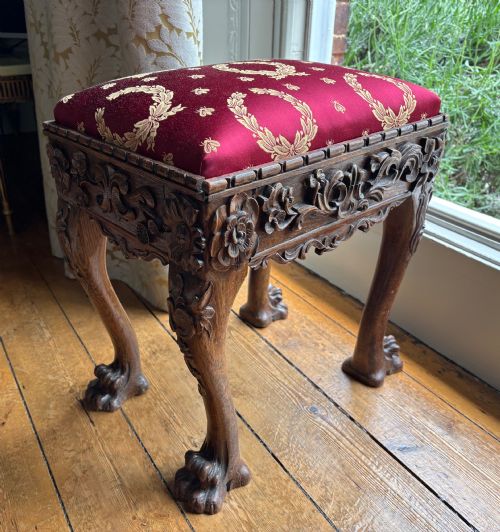
Construction techniques combine traditional joinery with carved ornamentation, such as the Rococo revival motifs, Chippendale style carving, and linear Arts and Crafts detailing seen across the listings.
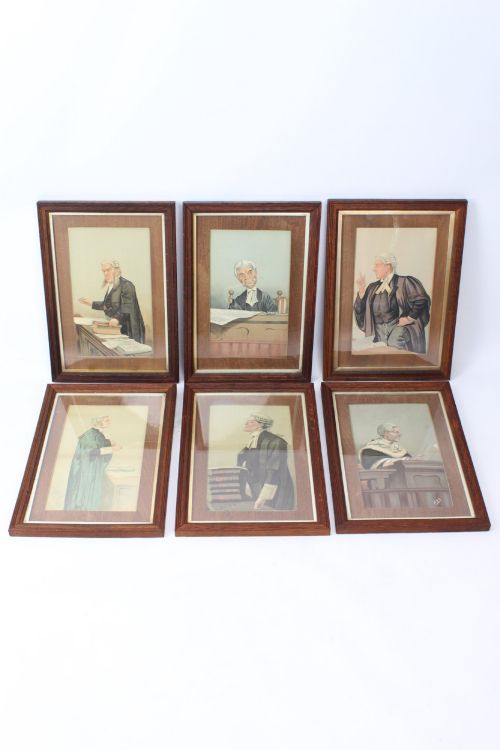
An eighteenth-century lowboy shares space with Vanity Fair Spy judge prints, proving that legal sternness and dressing tables make surprising companions.
Distinctions in quality
Quality rests in the crispness of hand-carved details, the selection of timber with consistent grain patterns, and the integrity of original brass hardware. Superior examples maintain structural rigidity in their joints and drawers without relying on modern reinforcements.
The refinement of the mirror frame and the clarity of the original glass plate distinguish better examples from simpler utility pieces. Proportion and balance between the base table and upper mirror superstructure dictate overall visual success.
The Dark Oak Vanity Glossary
- Lowboy
- A small oak side table with one or more drawers, frequently utilised as a dressing table in the eighteenth century. These pieces stand on slender legs and often feature shaped aprons.
- Shaving stand
- A specialist Victorian furniture form designed for morning grooming, typically incorporating an adjustable mirror and small storage surfaces. They reflect specific nineteenth-century domestic habits.
- Barley twist
- A turned wooden furniture leg or support resembling a spiralling rope. This decorative turning technique appears frequently on early twentieth-century oak pieces.
- Bevel edge
- A sloping angle cut around the perimeter of a mirror plate. This technique adds depth and catches the light elegantly.
Dark Oak Vanity: Frequently Asked Questions
How do I date a dark oak vanity?
Dating relies on observing construction methods, handle types, and stylistic vocabulary such as Chippendale carving or Art Deco geometry. Secondary wood choices and drawer dovetailing provide further chronological clues.
Matching these physical traits against documented period designs helps narrow the decade of manufacture. Grain patination and wear patterns also support careful attribution.
Are these pieces suitable for daily use?
Most items are robust enough for daily domestic service, particularly solid oak tables and desks. Care should be taken with older drawer runners and antique mirror silvering.
Using coasters and placing pieces away from direct heat sources preserves the polish and timber. Regular dusting maintains the natural finish without harsh chemical polishes.
What is the difference between a lowboy and a dressing table?
A lowboy is a compact multi-purpose table with drawers, often lacking an attached mirror in its earliest eighteenth-century iterations. Dressing tables usually incorporate fixed or swing mirrors as part of an integrated superstructure.
Both served personal grooming functions, though lowboys frequently doubled as writing desks. Their proportions remain the primary visual distinction.
How should I clean dark oak furniture?
Cleaning requires a soft, dry cloth to remove dust from the carved surfaces and grain recesses. Avoid silicone-based sprays that build up and attract grime over time.
Occasional application of quality beeswax feeds the dry timber and enhances the natural dark lustre. Gentle care preserves the historical patination accumulated over centuries.