



Dark Oak Slope Front Desk
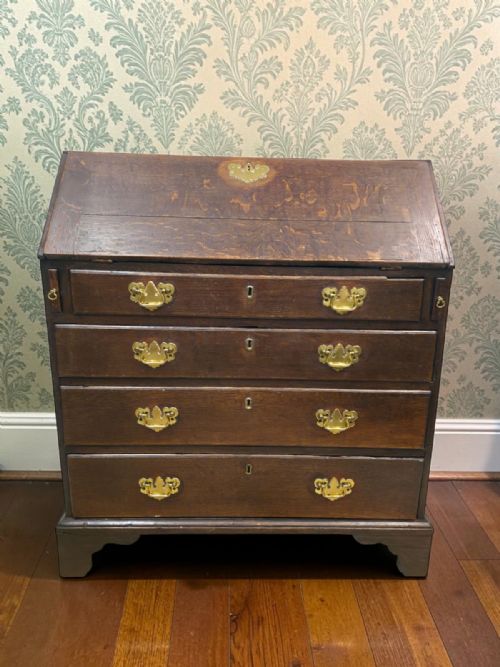
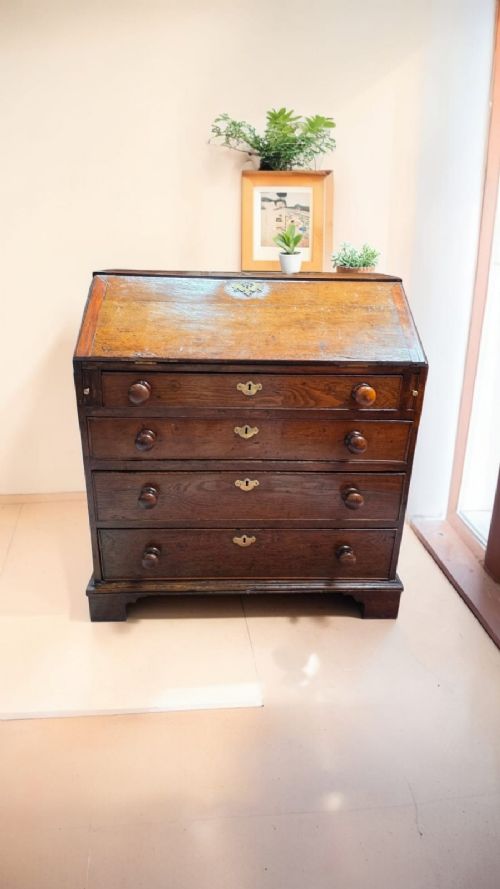
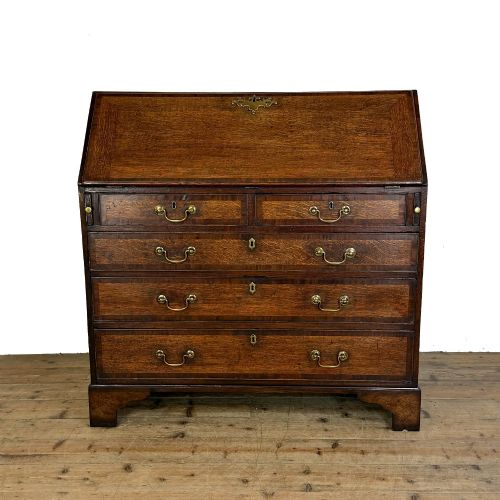
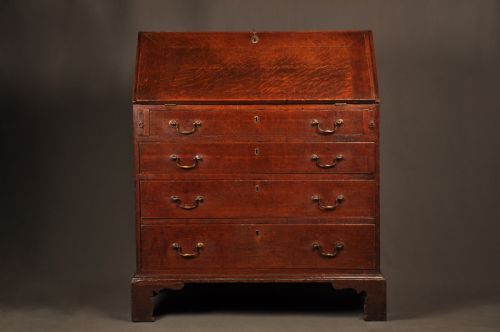
A dark oak slope front desk brings substance and utility to a room, offering a hinged writing surface that drops down to reveal compartments.
Dark Oak Slope Front Desk
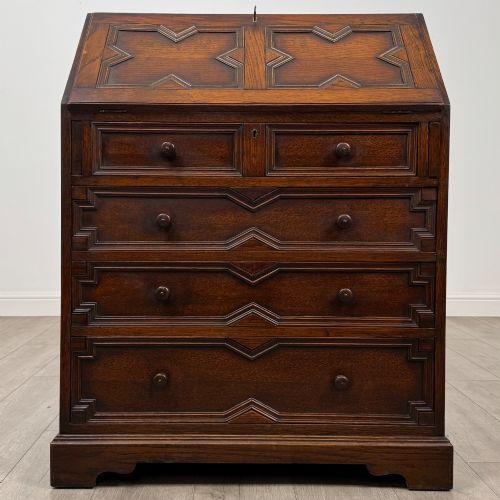
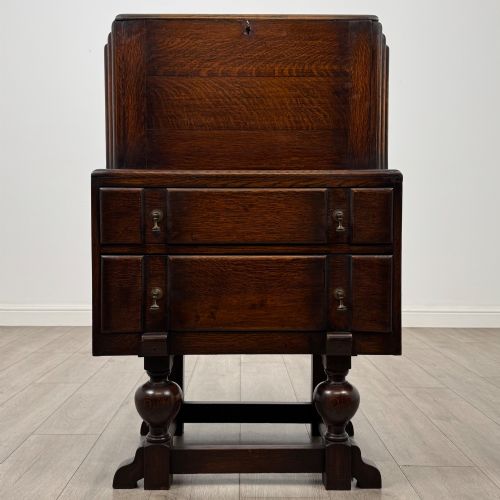
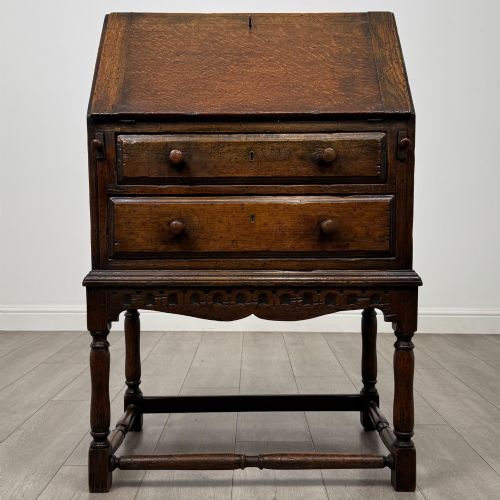
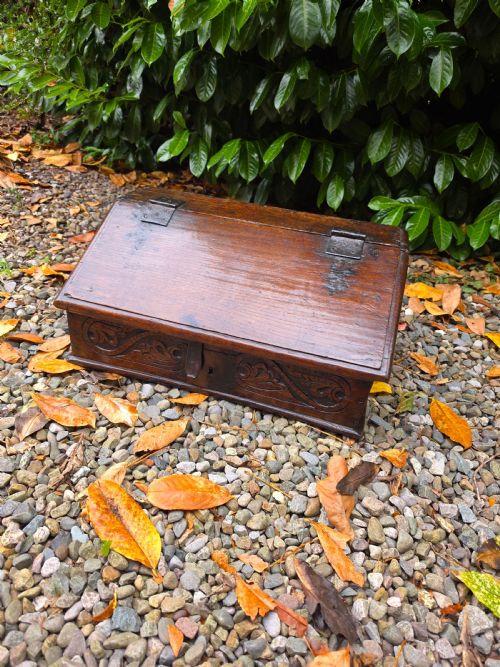
When you search for a dark oak slope front desk, you meet writing furniture designed for correspondence and storage across multiple centuries. The selection spans robust seventeenth-century table boxes and seventeenth-century bureau formats through to eighteenth-century vernacular pieces, Georgian editions, and later Edwardian revivals.
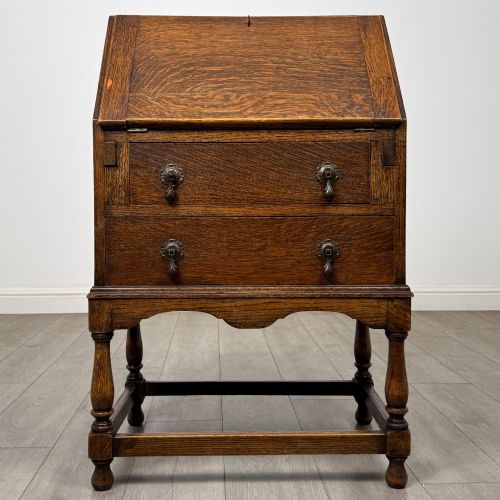
Most examples present a fall front or slope front that conceals an interior fitted with pigeonholes and small drawers. You will encounter freestanding items alongside table-top variants, clerks' desks, and miniature formats originating from workshops in England and Wales.
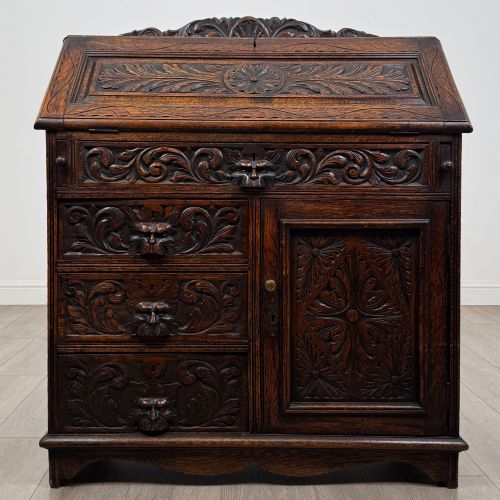
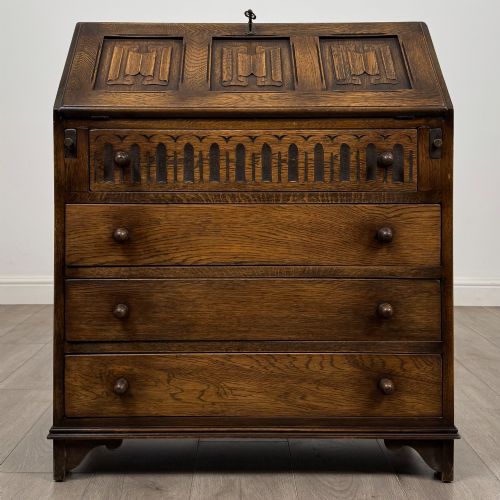
The aesthetic vocabulary encompasses plain vernacular boards, carved linenfold panels, Green Man motifs, and parquetry decoration. Oak remains the primary medium, frequently complemented by brass hardware and interior baize or leather writing surfaces.
Materials and construction
Solid oak and oak veneer form the structural basis of these pieces, providing the dense grain and durability expected of vernacular and formal cabinet-making. Carpenters utilised traditional joinery techniques to construct carcases and drawers, occasionally incorporating secondary woods.
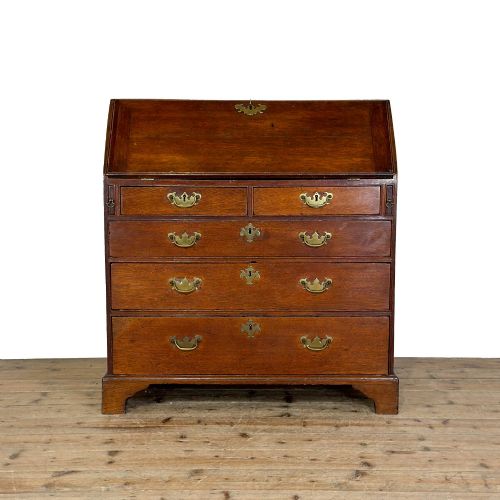
Metal components such as brass handles, escutcheons, and iron hinges secure drawers and drop-front mechanisms. Internal writing areas frequently integrate leather or baize inserts to create a smooth surface for quills and pens.
Certain early Welsh examples preserve the original owner's initials and carving dates directly into the oak timber.
Distinctions in quality
The standard of a dark oak slope front desk rests upon the selection of timber and the ambition of its interior layout. Pieces featuring intricate internal drawers, well-figured grain, and crisp carved details sit at a higher level than plain utilitarian examples.
Construction choices also define the tier of the piece, distinguishing solid timber carcases and period brasses from later replacements. The integrity of the slope mechanism and the retention of original stands or feet heavily influence the standing of any given desk.
The Dark Oak Slope Front Desk Glossary
- Bureau
- A writing cabinet featuring a sloping lid that opens to form a desk surface. It usually includes internal compartments and drawers below.
- Fall front
- A hinged panel that drops from a vertical or sloping position to create a horizontal writing shelf. This mechanism conceals the inner pigeonholes.
- Bible box
- A small wooden desk box with a sloping lid, historically used to hold scriptures and writing materials. Many early examples sit on tables or later stands.
- Parquetry
- Geometric mosaic woodwork used for decorative surface patterns. It appears on select early pieces to accent the exterior.
Dark Oak Slope Front Desk: Frequently Asked Questions
How do I use a slope front desk today?
The sloping fall front drops down to serve as a compact writing table, while the internal compartments organise papers and correspondence.
Enclosed storage beneath the writing flap accommodates modern laptops and stationery out of sight when not in use.
Where were these desks made?
Makers constructed these pieces across English and Welsh workshops, ranging from rural vernacular centres to urban cabinet-makers.
Regional variations appear in vernacular items such as Welsh table desks and miniature bureaux.
How do I date an oak bureau?
Structural characteristics, joinery methods, and hardware styles indicate the period of manufacture, moving from seventeenth-century box forms to Georgian and Edwardian designs.
Carving motifs like linenfold or Green Man details point towards specific revivals or centuries of origin.
What is the difference between a bureau and a desk box?
A bureau stands as a larger piece of furniture, often incorporating full-width storage drawers beneath the writing slope.
A desk box is a portable compartment with a slanted lid designed to sit upon a table or a dedicated stand.