
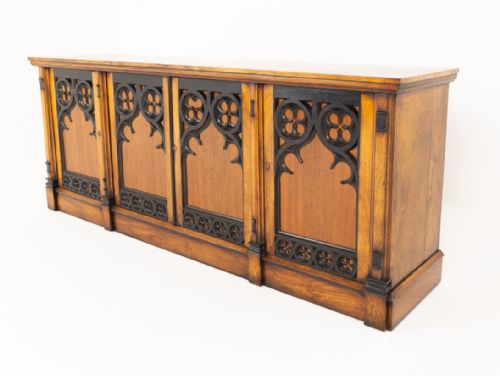

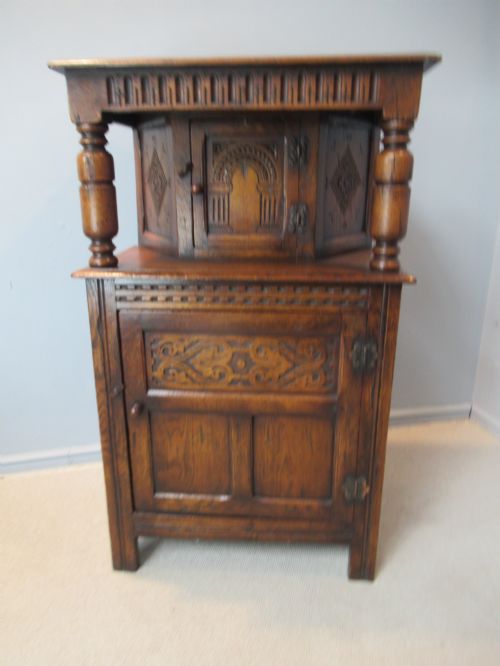
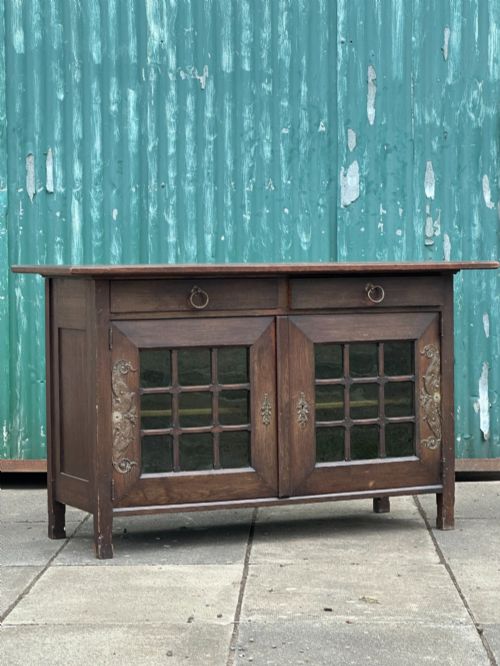
Dark Oak Side Cabinet
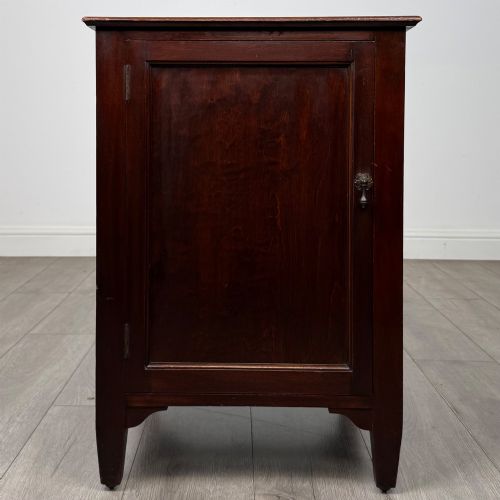
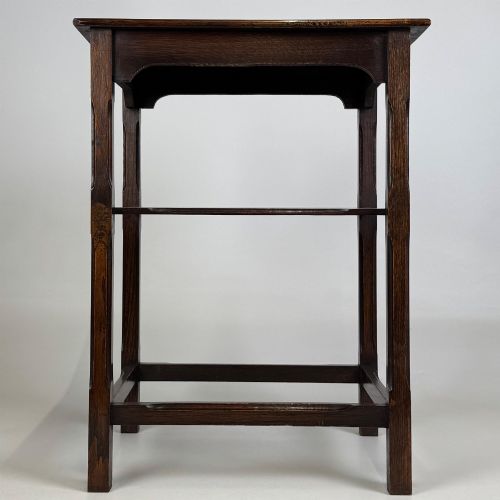
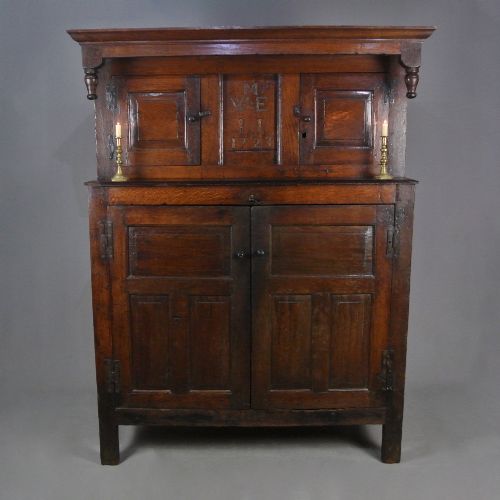
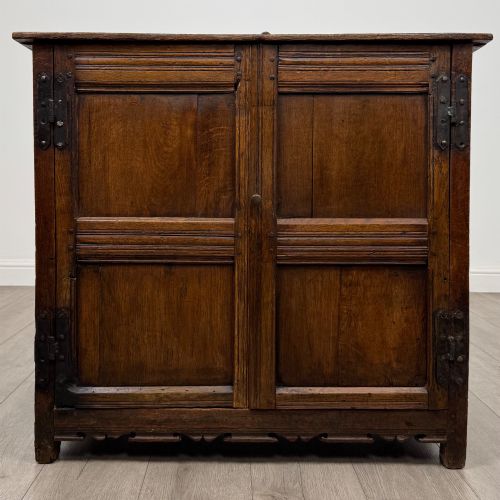
A dark oak side cabinet brings solid timber and centuries of dark grain into a room, offering practical storage with genuine presence.
Dark Oak Side Cabinet
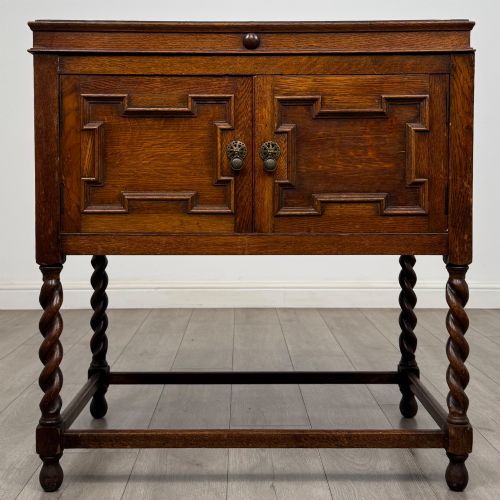
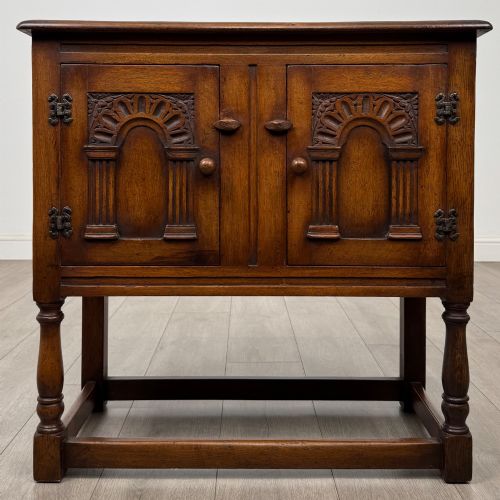
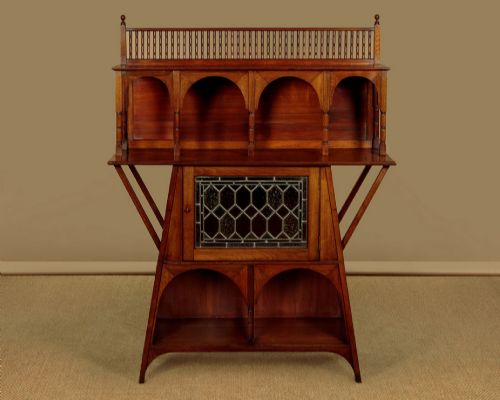
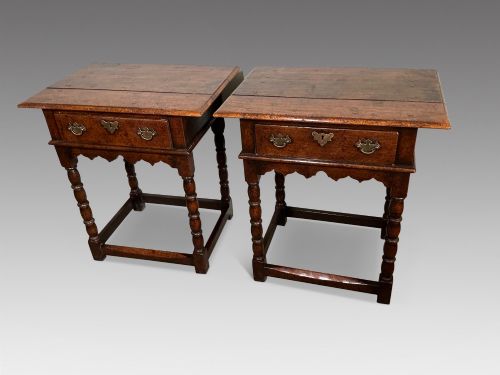
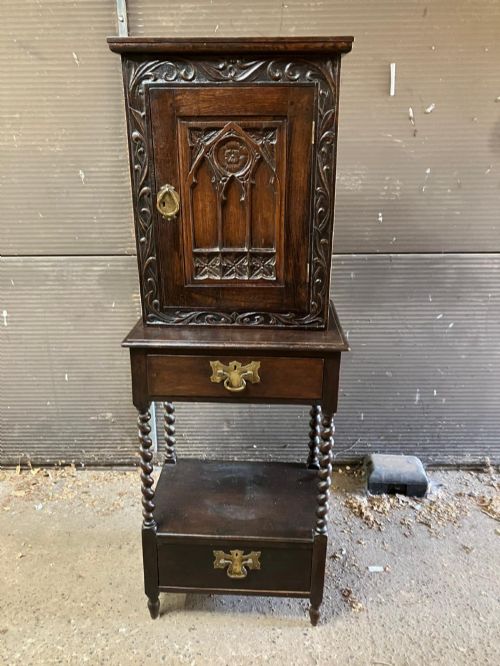
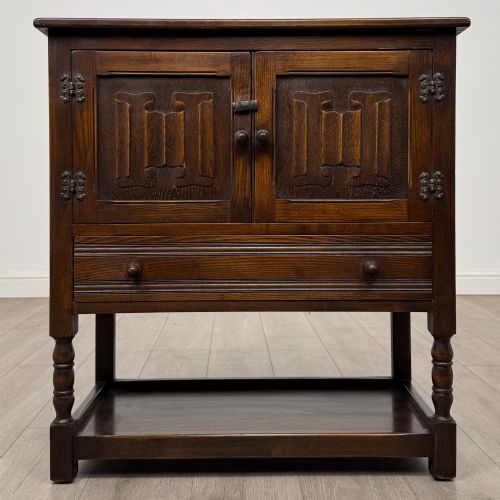
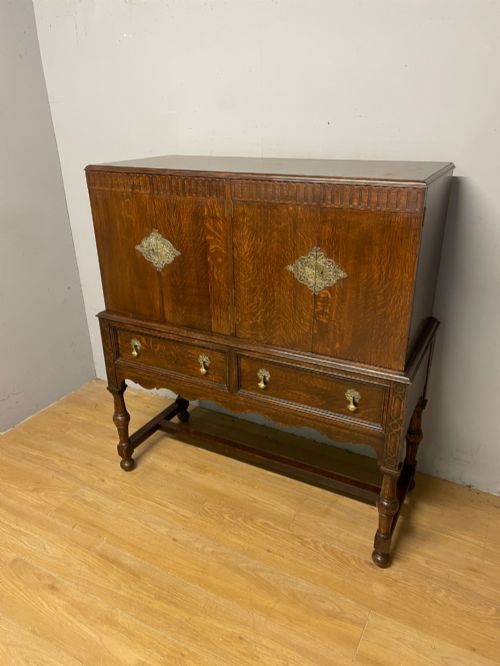
When you search for a dark oak side cabinet, you encounter sturdy timber storage forms spanning from compact bedside units to large hall cupboards and sideboards. These pieces emerge across numerous periods, incorporating styles from Jacobean Revival and Gothic Revival to Arts and Crafts and Edwardian production.
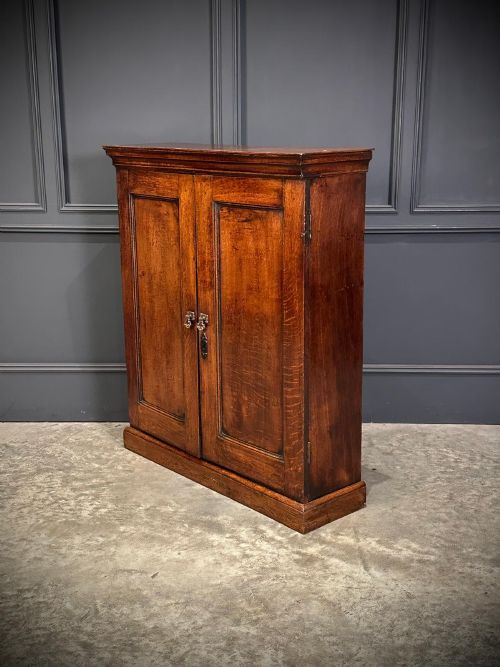
The selections on this page lean heavily toward solid timber construction, featuring visible grain and substantial joinery. Many items date from the early twentieth century and the Victorian era, alongside significant earlier examples from the eighteenth and seventeenth centuries.
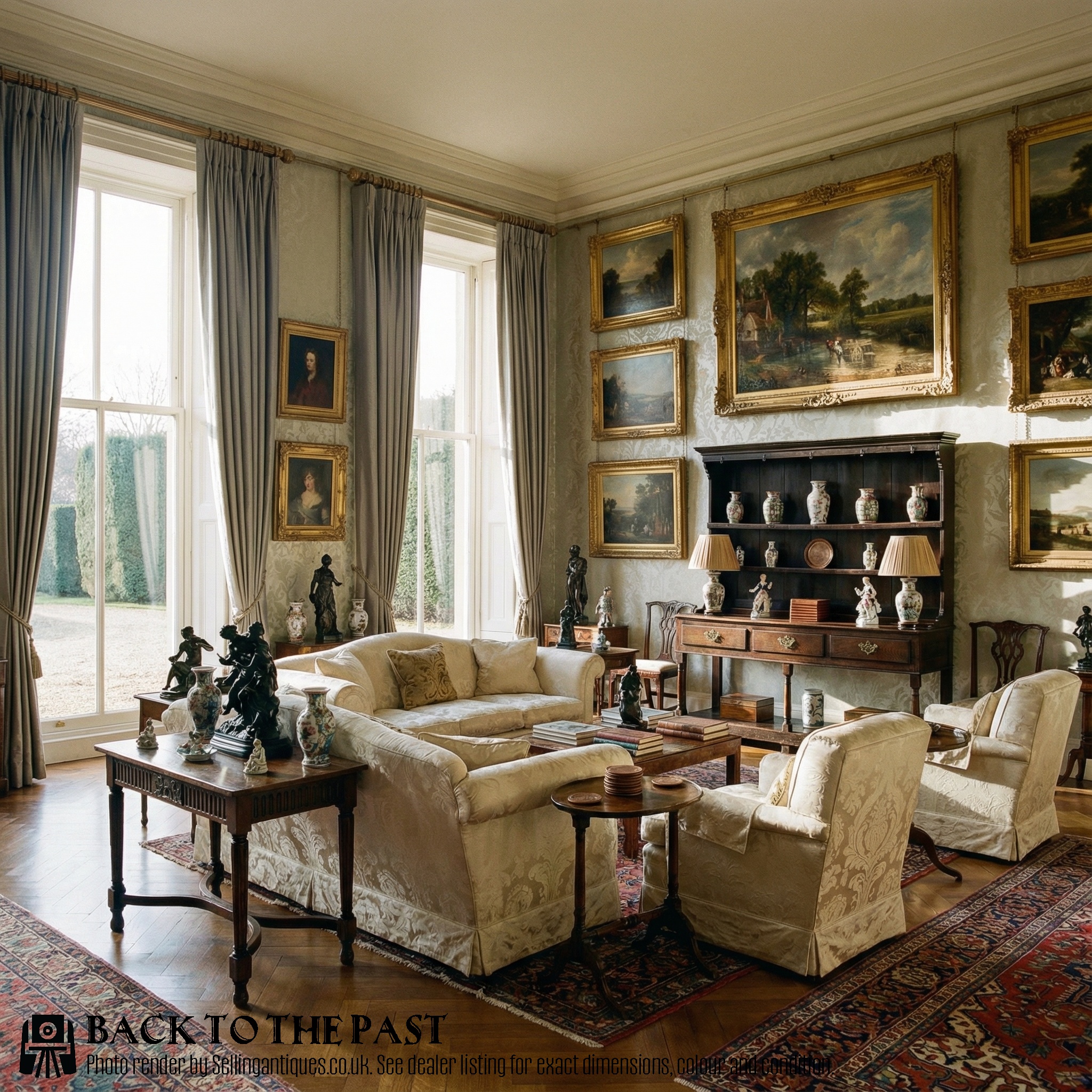
Buyers select these items for daily utility in hallways, living spaces and bedrooms where sturdy timber storage is required. The dark finish highlights the natural figure of the wood while anchoring the surrounding interior scheme.
Materials and construction methods
Construction relies primarily on solid oak, selected for durability and finished with dark stains, oils, or wax to deepen the tone of the grain. Carpenters utilised traditional framing methods such as mortise and tenon joints to ensure stability across heavy cupboard doors and sideboard bases.
Metal hardware plays a functional and decorative role, with brass and iron hinges, handles, and escutcheons fitted to doors and drawers. Wrought iron elements appear on earlier pieces, while stained wood and occasional glass panels complement the dark timber framework.
Dark Oak Side Cabinet Retail Price Guide 2026
Typical asking prices for dark oak side cabinet among the pieces listed under this phrase on Sellingantiques today, from the lower quarter to the upper quarter. They describe what is for sale here now, not the wider market.
Materials across the inventory extend beyond oak to include brass, iron, wrought iron, glass, lead, and stained wood.
Distinguishing quality in dark oak furniture
Quality reveals itself in the depth of hand-carved ornamentation and the crispness of architectural details such as linenfold panels or geometric mouldings. Pieces associated with notable retail houses or specific workshops often display superior proportion and refined timber selection.
The integrity of the construction determines longevity, observable in the tightness of the joints and the original condition of the timber panels. Finer examples retain period brass or iron hardware and uncompromised internal shelving.
Liberty & Co.
The Dark Oak Side Cabinet Glossary
- Court cupboard
- A short, open or enclosed cupboard used historically for displaying plate and storing food. These pieces often feature tiered levels and carved supports.
- Jacobean Revival
- A nineteenth-century style imitating seventeenth-century English furniture. It incorporates heavy turned legs, geometric panels, and dark finishes.
- Linenfold
- A style of wood carving resembling folded linen cloth. This technique is frequently found on sixteenth and seventeenth-century cupboard doors.
- Credence cabinet
- A medieval or revival church table or small cupboard used for holding sacramental elements. Later interpretations serve domestic storage functions.
- Pier cabinet
- A tall, narrow cabinet designed to fit against the wall space between windows. These items often house books or display objects.
Dark Oak Side Cabinet: Frequently Asked Questions
How do I identify a Jacobean revival cabinet?
Jacobean revival pieces generally date from the nineteenth or early twentieth century and borrow decorative motifs from the seventeenth century. Look for heavy cup-and-cover turnings, strapwork carving, and dark, heavy oak framing.
These cabinets often imitate older construction methods while serving modern storage needs. The proportions and internal fittings usually betray their true nineteenth or twentieth-century origins.
Where should I place a side cabinet?
A dark oak side cabinet suits hallways, dining rooms, or living areas where solid surface space and enclosed storage are advantageous. Their robust timber construction handles everyday placement against interior walls.
Ensure the room has adequate clearance for doors to open fully without obstruction. Placing the piece away from direct heat sources protects the antique oak timber from drying out.
How do I clean dark oak furniture?
Dust the timber regularly with a dry, soft cloth to prevent grit accumulation on the dark surface. Avoid silicone-based sprays, which build up film and attract dust over time.
Apply a traditional beeswax periodically to nourish the wood and maintain the finish. Buff the wax gently with a clean cloth to restore the natural lustre of the dark grain.
Are these cabinets made of solid wood?
Most items listed under this category utilise solid oak throughout the frame, panels, and structural supports. Heavier pieces from the seventeenth and eighteenth centuries rely entirely on thick native timber.
Later Edwardian and twentieth-century interpretations may incorporate oak veneers over secondary timbers on large flat surfaces. Examining the interior grain helps confirm the construction method used.