
Dark Oak Shelving
Dark oak shelving brings gravitas and deep timber tones to a room, offering robust storage for books and display.
Dark Oak Shelving
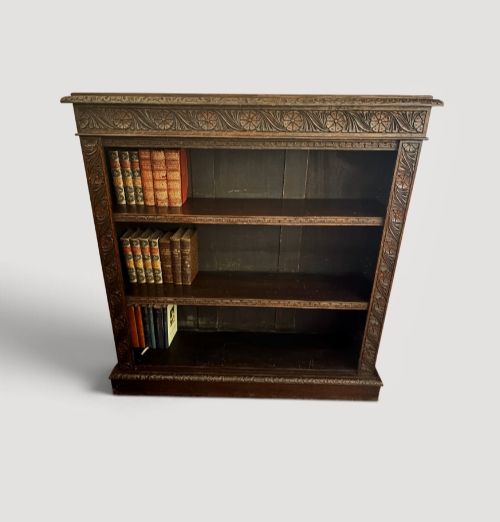
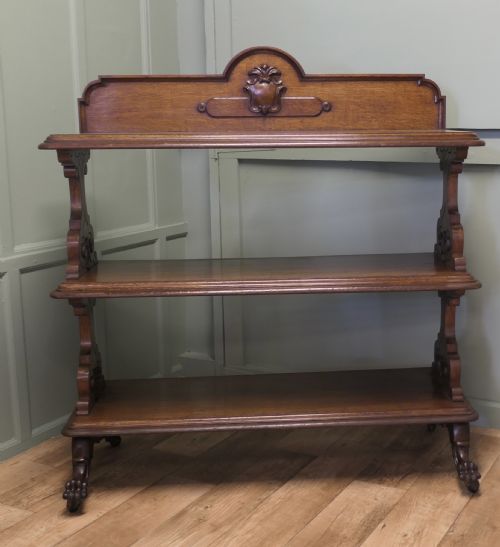
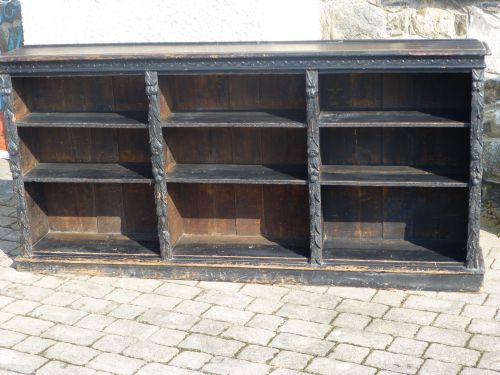
Dark oak shelving encompasses open bookcases, dressers, wall shelves, and display cabinets spanning from the eighteenth century through the Victorian, Edwardian, and Art Deco periods. Buyers seeking these pieces want sturdy timber furniture that anchors a room with rich brown and ebonised tones.
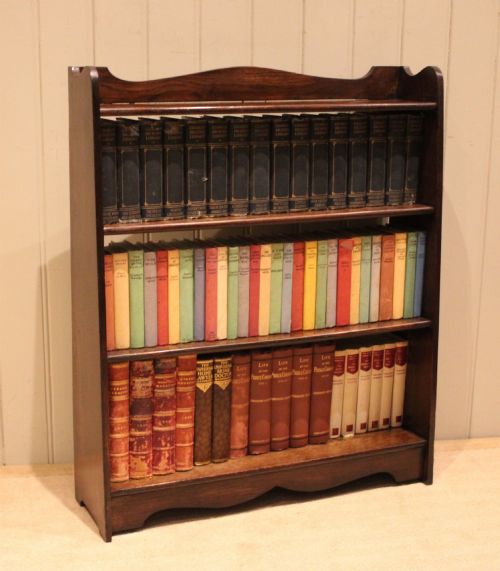
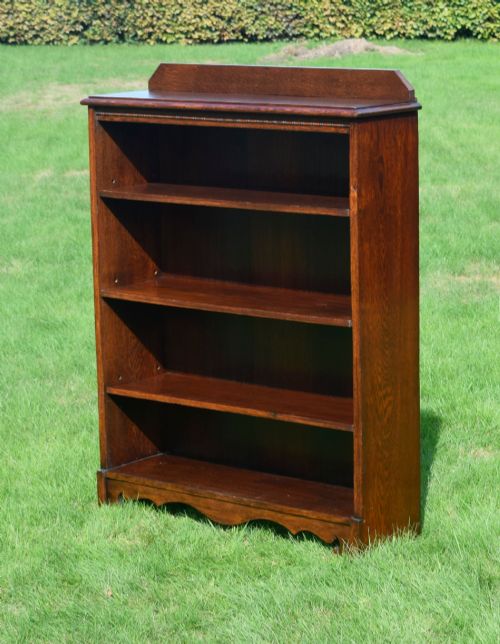
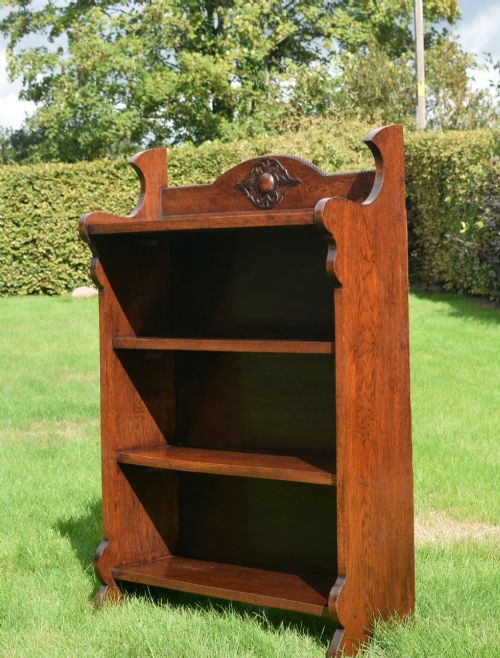
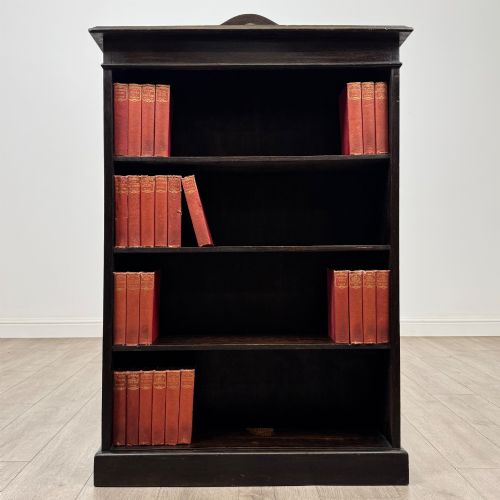
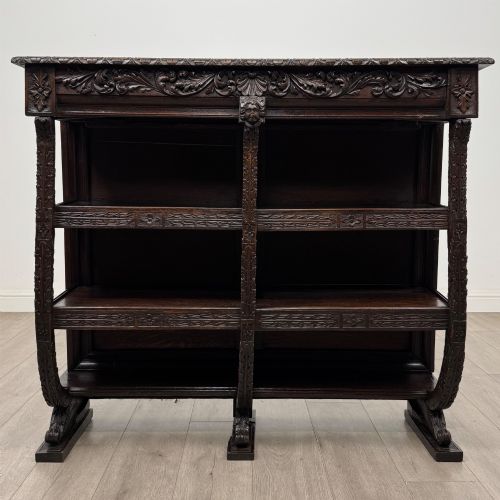
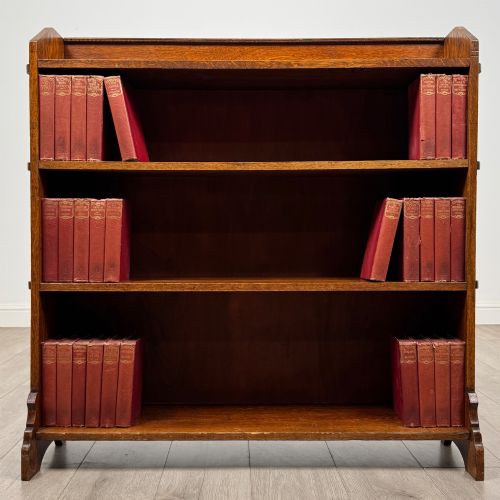
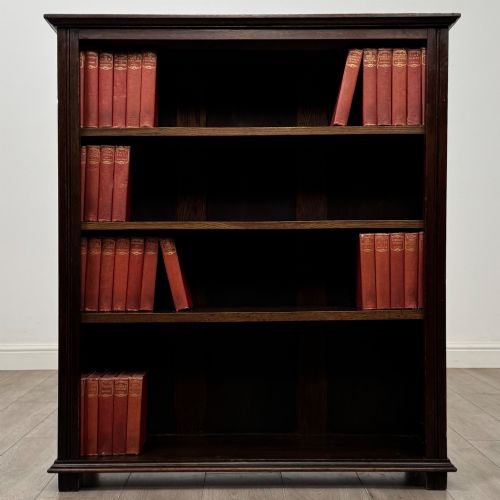
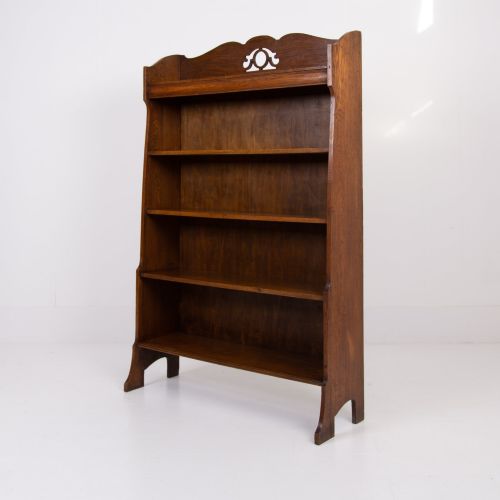
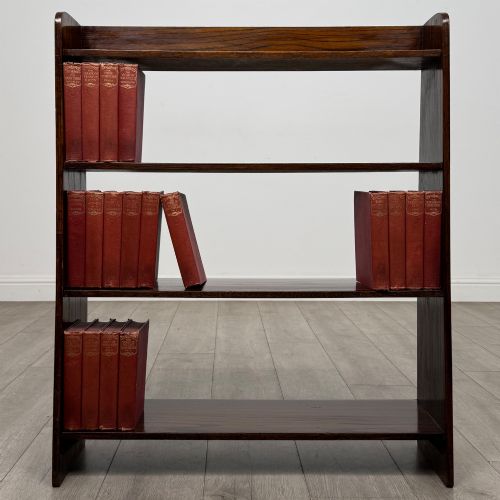
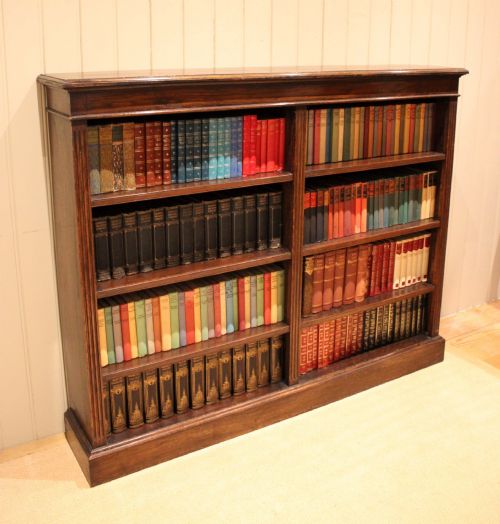
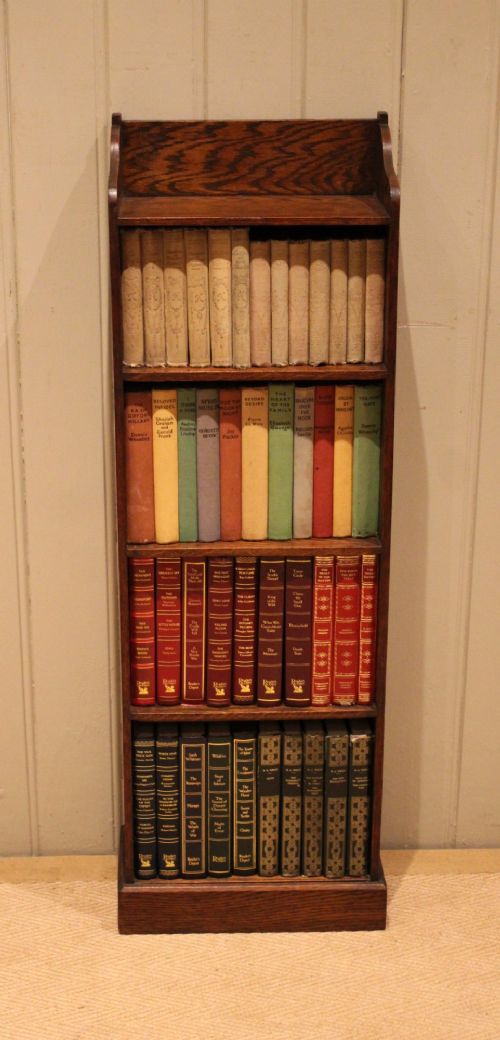
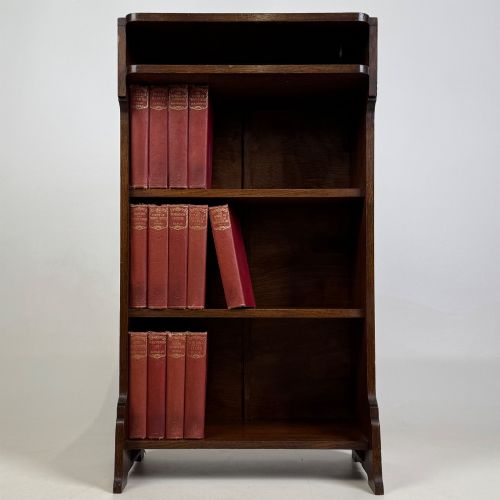
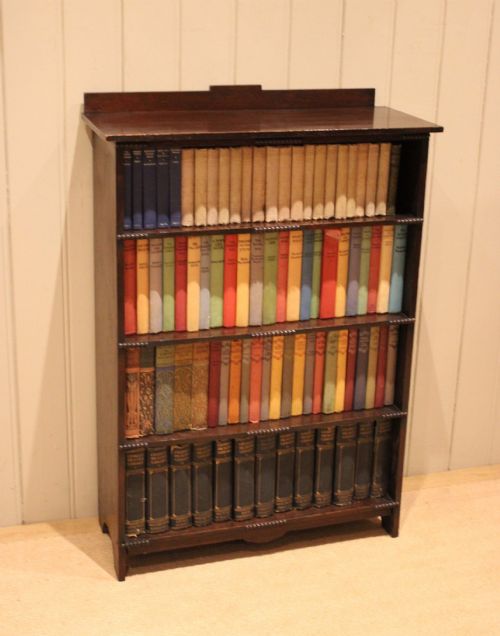
The most common version met on this page is the Edwardian or early twentieth-century open bookcase in oak, alongside late Victorian iterations. These pieces range from slim, small dwarf bookcases to large library units, often featuring adjustable shelves and carved details.
Beyond standard bookcases, the category includes Welsh dressers, plate racks, buffets, and bureaux utilising oak alongside brass, iron, and glass. This variety reflects domestic storage needs across multiple centuries, from eighteenth-century delft racks to nineteen-thirties leather-topped designs.
Gradations in quality
Quality rests upon the depth of the timber selection, the crispness of carved details such as foliage or green man masks, and the integrity of the original construction. Superior examples show thoughtful proportion, whether slim and tall or wide and low.
Maturity of design distinguishes standard utility furniture from finer Arts and Crafts or late Victorian library pieces. The presence of functional additions, such as adjustable shelving and well-fitted cupboards or brass fittings, elevates a piece.
Listings feature oak as the primary timber, complemented by occasional walnut, ebonised surfaces, and hardware in brass, iron, and glass.
The Dark Oak Shelving Glossary
- Open bookcase
- A piece of furniture designed for storing books without front doors restricting access. Most examples in this category utilise vertical uprights and fixed or adjustable horizontal shelves.
- Dwarf bookcase
- A low open bookcase standing beneath table height, often used to keep sightlines clear in a room. These frequently feature carved friezes or ebonised details.
- Arts and Crafts
- A design movement prioritising simple forms, visible construction methods, and handcrafted elements. Pieces from this style often display honest oak grain and understated joinery.
- Ebonised
- Wood treated with a chemical stain or finish to imitate ebony. This dark, light-absorbing surface appears on nineteenth-century carved bookcases and display cabinets.
- Welsh dresser
- A traditional kitchen or dining piece combining lower cupboards or drawers with upper plate racks or shelving. They serve to store and display ceramics and treen.
Dark Oak Shelving: Frequently Asked Questions
How do I date an oak bookcase?
Dating relies on observing construction methods, timber patination, and stylistic markers specific to eras like the Victorian period or the nineteen-twenties. Hand-cut joints and deep hand-carving generally point to earlier nineteenth-century or Arts and Crafts origins, while simpler machine finishing often indicates later twentieth-century production.
Hardware also offers strong clues regarding age. Original brass handles, hinges, and shelf-support pins match the manufacturing tech of their respective decades, helping separate Edwardian utility pieces from later Art Deco designs.
How should I care for dark oak furniture?
Maintaining dark oak requires keeping pieces away from direct heat sources and strong sunlight, which can dry out the timber and fade the dark finish. Regular dusting with a soft, dry cloth prevents particle buildup in carved crevices.
Occasional application of high-quality beeswax nourishes the wood grain and preserves the satin sheen without building up heavy chemical layers. Avoid silicone-based sprays, as they can penetrate the pores and damage the historic finish.
What rooms suit a dark oak bookcase?
Dark oak shelving suits studies, living rooms, and libraries where the deep wood tones complement traditional or transitional interiors. Their sturdy presence anchors seating areas and provides strong vertical lines against plain or patterned walls.
Smaller dwarf bookcases work well beneath windows or in hallways where tall furniture would block light or movement. Open shelves also allow for displaying ceramics, glassware, and collections alongside books.