



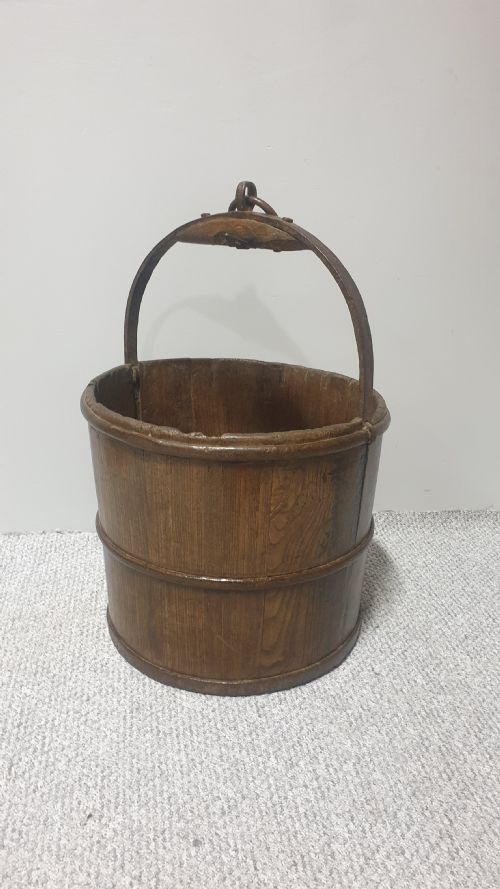
Dark Oak Planter
A dark oak planter brings rich grain and solid timber into a room, holding greenery or wood with quiet authority.
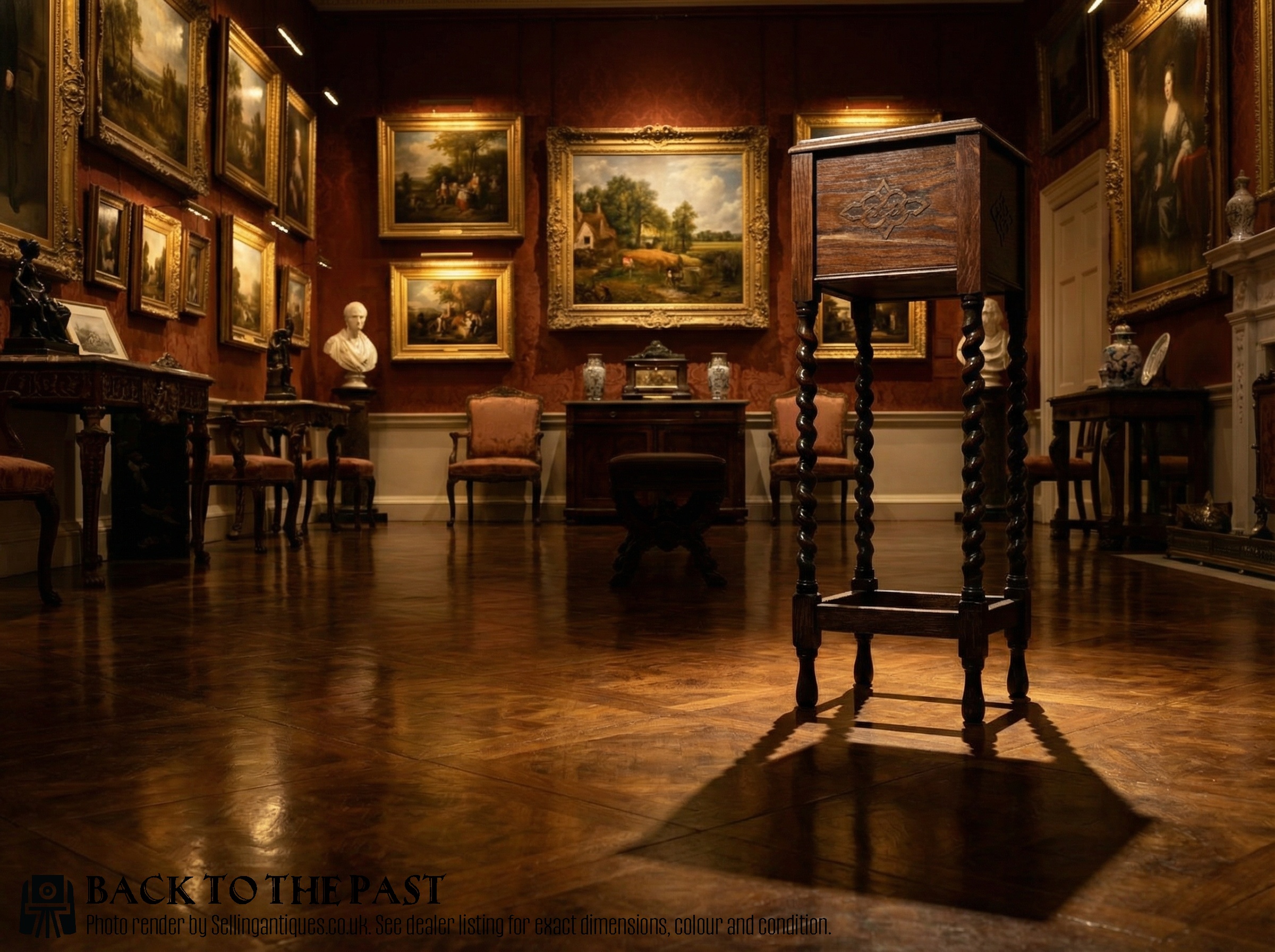
Dark Oak Planter
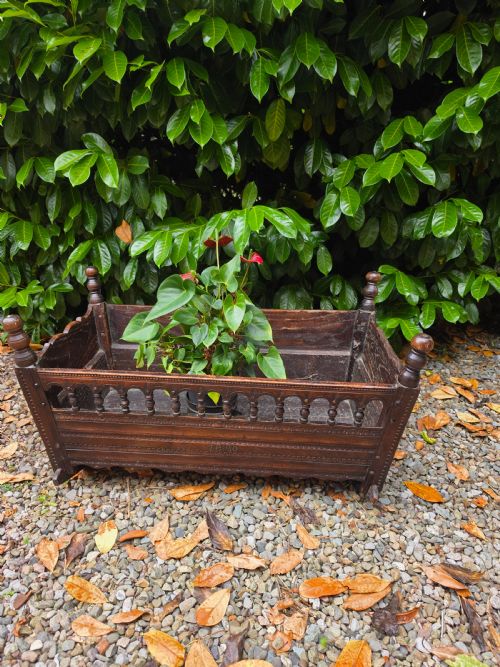
A dark oak planter encompasses a range of wooden vessels and stands designed for flora and fuel, spanning periods from the seventeenth century through to the Edwardian era. Buyers searching for a dark oak planter will find items shaped as coopered barrels, two-tier stands, and log boxes constructed in sturdy timber.
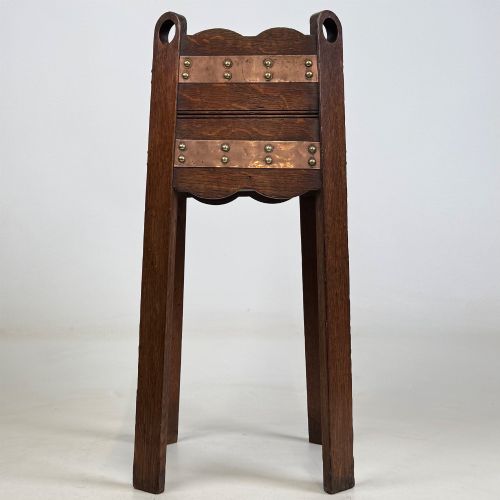
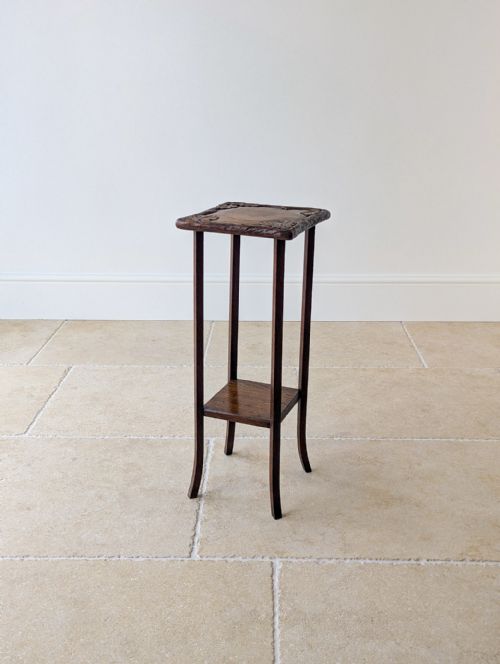
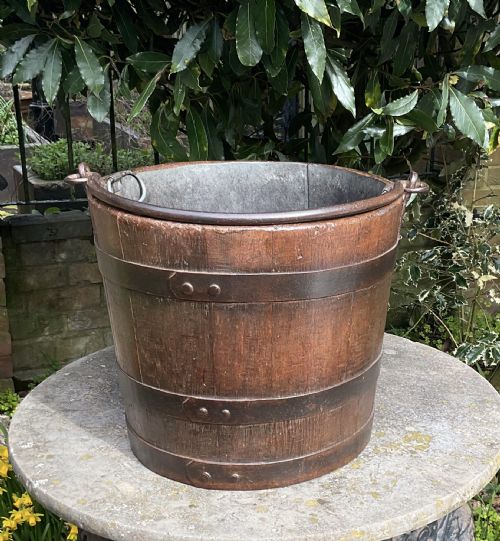
The selection on this page leans heavily towards Edwardian and Victorian examples, alongside earlier country pieces and later twentieth-century interpretations. Forms vary from simple barley twist plant stands to substantial copper and brass-bound buckets intended for garden or hearth use.
Origins stretch across English country workshops and stylistic revivals such as Arts and Crafts and Gothic Revival. These vessels bridge utilitarian garden storage and domestic display, often adapting centuries-old cooperage techniques to interior decoration.
What varies in quality
Quality rests in the integrity of the timber selection and the precision of the cooperage, where tightly sealed staves and well-fitted metal bindings distinguish superior vessels. Finer pieces demonstrate careful attention to turning on supports and columns, avoiding crude joins.
The presence of original metal liners, whether copper or zinc, elevates a piece by showing it remains in its intended functional state. Maker attribution, such as work originating from established firms like Lister and Co, similarly separates standard utilitarian items from more notable examples.
Dark Oak Planter Retail Price Guide 2026
Typical asking prices for dark oak planter among the pieces listed under this phrase on Sellingantiques today, from the lower quarter to the upper quarter. They describe what is for sale here now, not the wider market.
Listings feature oak combined with copper, brass, iron, and zinc across periods from the seventeenth century to the twentieth century.
Lister and Co
The Dark Oak Planter Glossary
- Coopered
- Constructed from curved wooden staves bound together with metal hoops, much like a traditional barrel. This technique ensures the vessel holds its shape under pressure.
- Jardiniere
- An ornamental pot or stand for holding plants or flowers, usually placed on the floor or a dedicated pedestal. The term often describes decorative containers dating from the Victorian and Edwardian periods.
- Barley Twist
- A spiral turning technique resembling a twisted rope, commonly used on the legs of plant stands and tables. This decorative form gained popularity during the seventeenth century and saw revivals later.
- Stave
- One of the narrow vertical strips of oak that form the sides of a coopered bucket or barrel. Staves are bevelled to fit closely together and create a watertight or sturdy cylinder.
- Log Box
- A heavy wooden container designed to hold firewood near a hearth, often constructed with sturdy oak panels. These boxes frequently feature metal hardware to withstand the weight of fuel.
Dark Oak Planter: Frequently Asked Questions
Are these planters suitable for outdoor use?
Many of these pieces were originally built for gardens, yards, or hearths, utilising robust oak and metal bindings that withstand varied conditions. However, historic timber and antique finishes benefit from sheltered placement to preserve the wood.
Using a suitable internal liner helps protect the original oak staves from direct moisture and soil contact, ensuring the vessel remains sound over time.
How do I distinguish a plant stand from a side table?
Plant stands generally feature taller, narrower proportions and smaller top surfaces designed specifically to elevate a single pot or jardiniere. Many include tiered platforms or raised rims to secure a container safely.
Side tables offer broader surfaces intended for general placement of lamps or objects, though some multi-purpose pieces overlap in form.
What is the purpose of the metal bands?
Metal bands made of brass, copper, iron, or zinc act as hoops that clamp the wooden staves tightly together. This traditional cooperage method keeps the vessel rigid without relying solely on modern adhesives.
Over decades, these bands also provided reinforcement against the expansion and contraction of the oak as it encountered changing humidity.
How can I tell an Edwardian piece from a Victorian one?
Victorian pieces often display heavier proportions and darker, more sombre finishes influenced by historic revival styles. Construction tends towards robust utility, sometimes incorporating heavier iron or brass work.
Edwardian examples frequently reflect lighter Arts and Crafts sensibilities, with cleaner lines and more refined turning on plant stands and jardiniere supports.