

Dark Oak Panel Chair
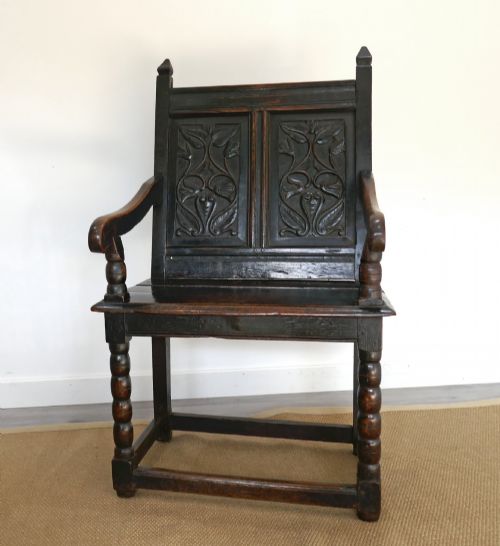
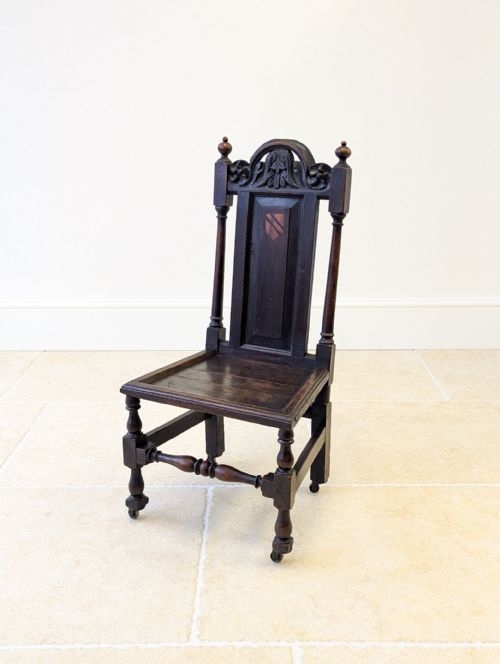
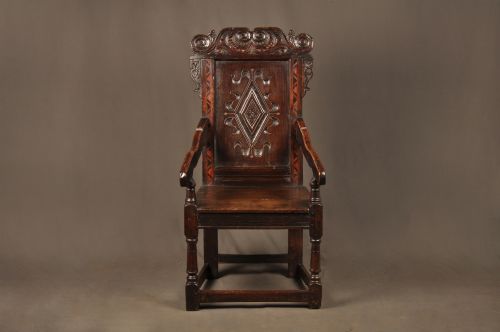
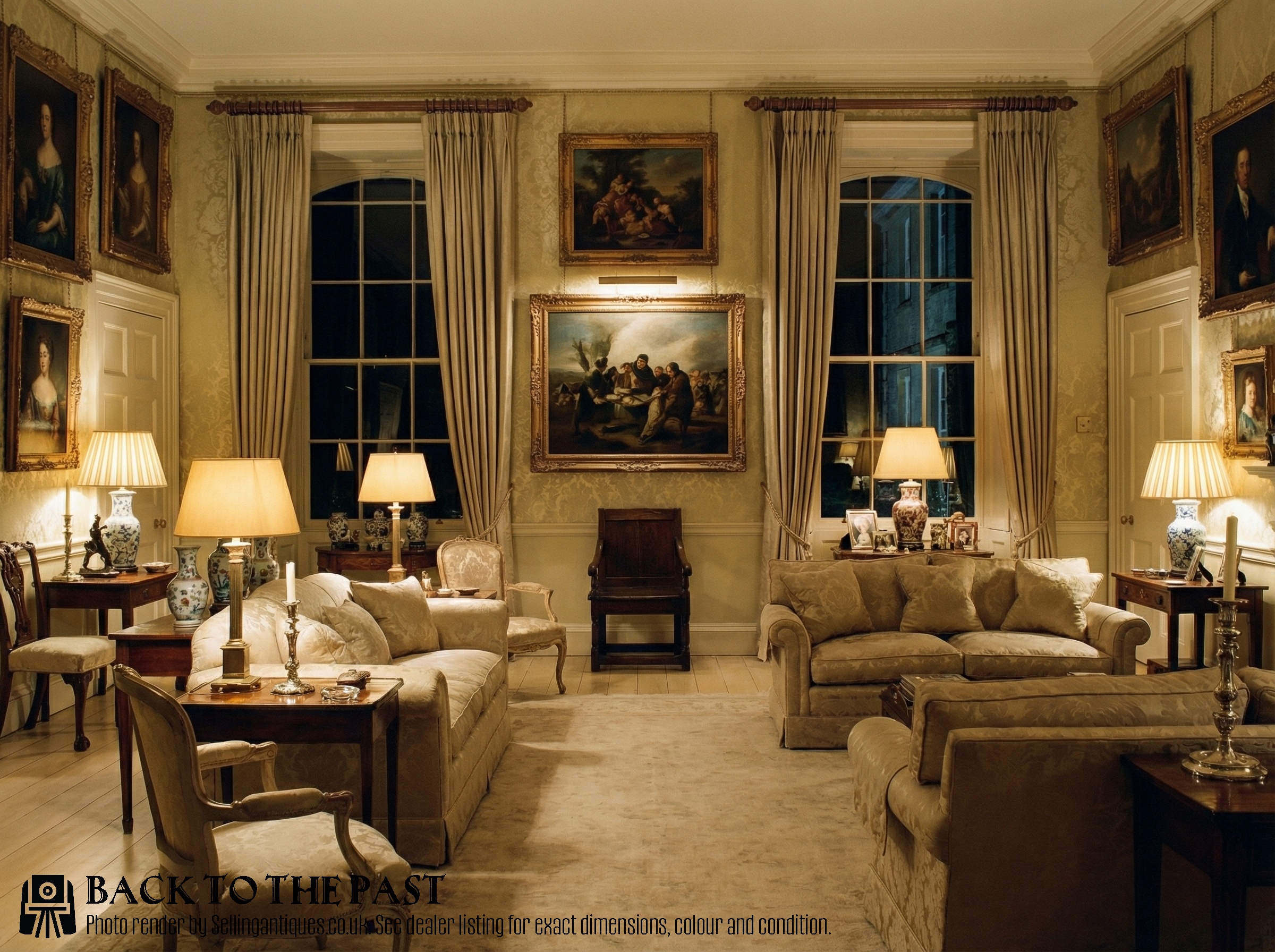
A dark oak panel chair carries the substantial weight of seventeenth-century domestic life into a modern interior through rigid timber and paneled backs.
Dark Oak Panel Chair
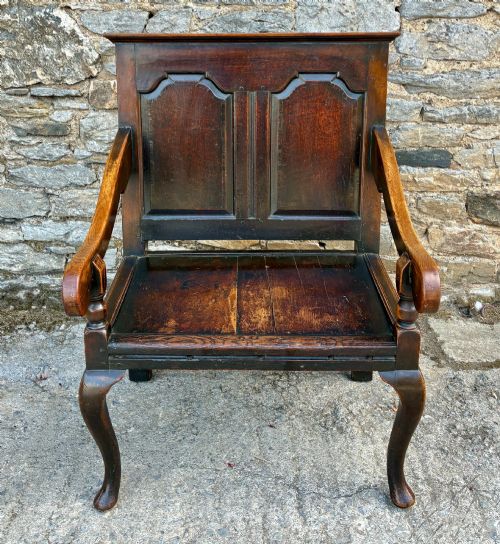
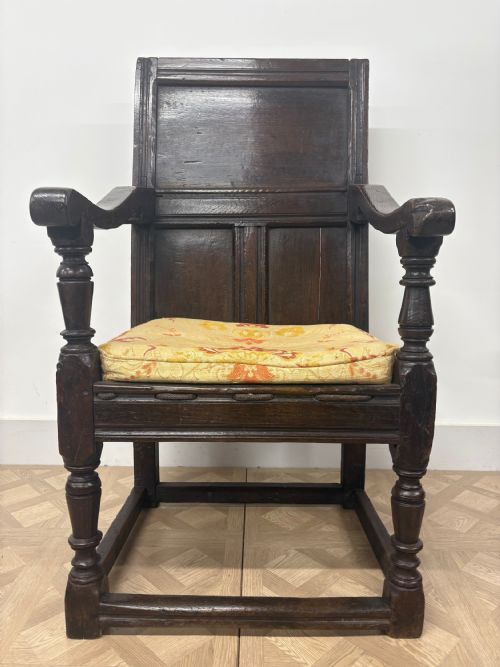
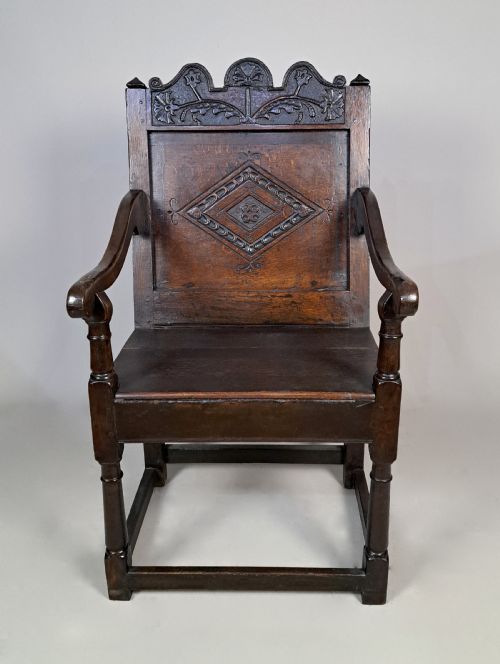
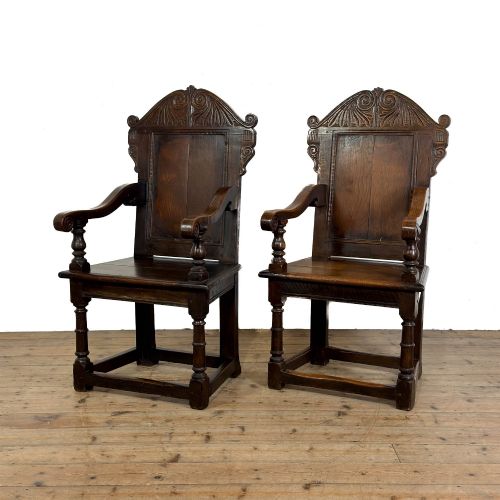
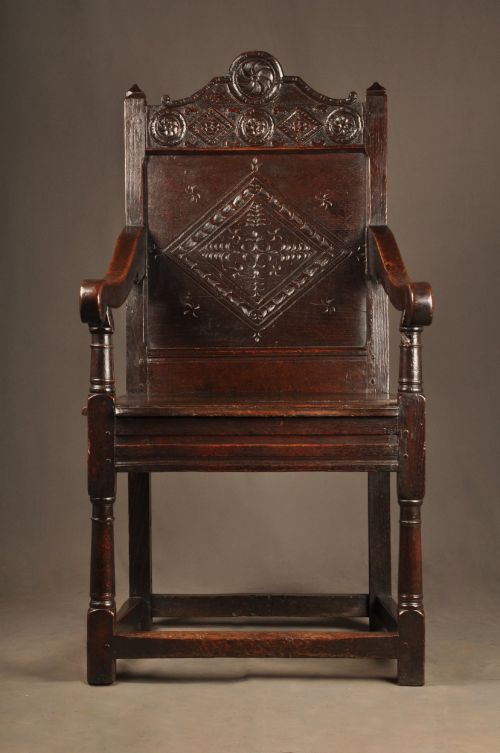
A dark oak panel chair relies on heavy timber construction, featuring a flat wooden back panel that often displays carved ornamentation. These seats originate predominantly from the seventeenth century, though subsequent revival periods from the nineteenth and early twentieth centuries produced substantial numbers of similar forms.
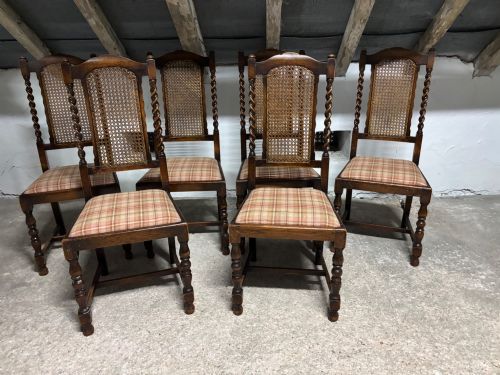
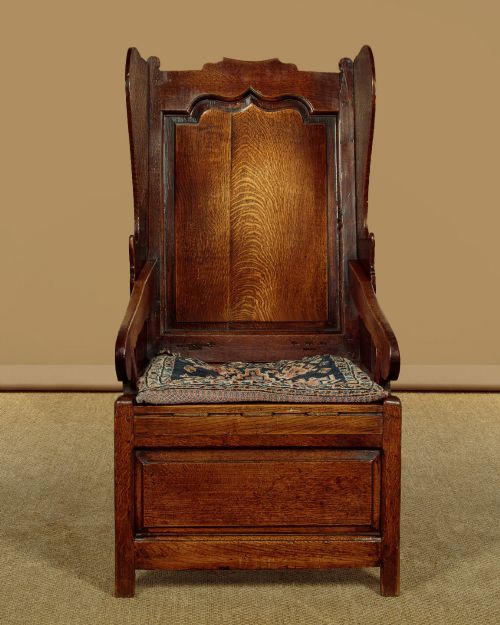
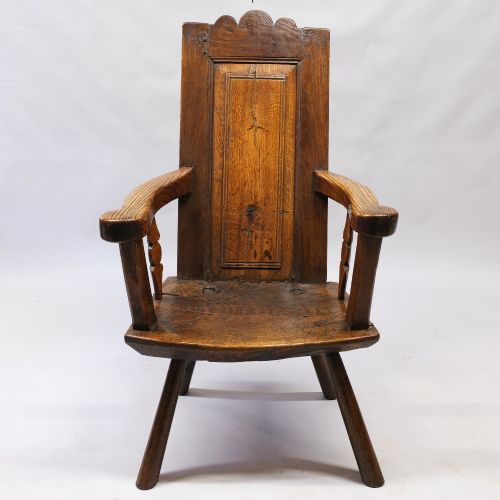
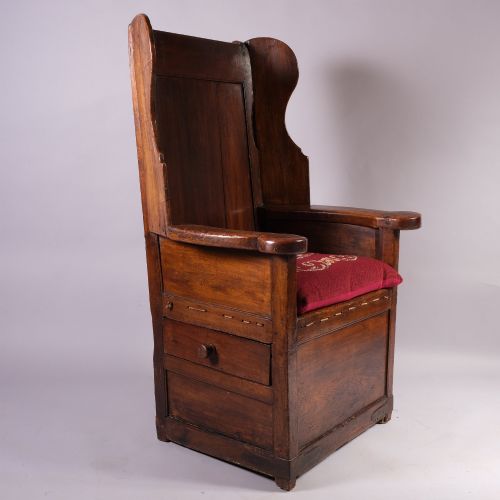
The inventory on this page ranges from sturdy provincial wainscot armchairs originating in regions like Yorkshire, Lancashire, and Wales down to later Victorian hall chairs and dining sets built in the Jacobean manner. Buyers encounter diverse seating configurations, including elbow chairs, side chairs, settles, and lambing chairs fitted with solid wooden wings.
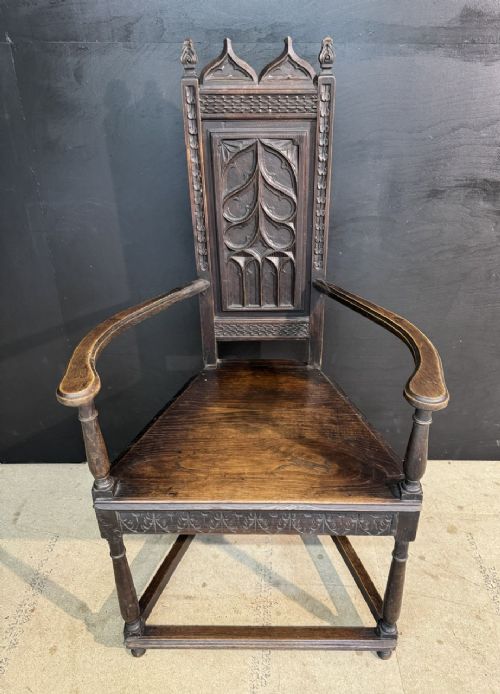
Regional British cabinet-making traditions dictate much of the variety seen in these dark oak panel chairs, showing distinct carving styles unique to northern counties or the West Country. While many survive from the 1600s, later Victorian and Edwardian interpretations replicate the dark patination and sturdy joinery of the earlier epoch.
How they were made
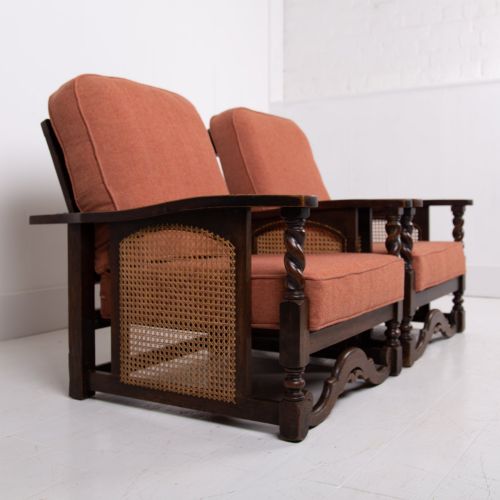
Joiners built these seats using solid oak planks connected by mortise and tenon joints secured with wooden pegs. Secondary timbers such as elm occasionally appear in regional seats, whilst supplementary materials like cane, brass, and woven fabric feature in specific chair types and later revivals.
Woodworkers shaped panels using hand tools, frequently decorating the backboards with incised geometric patterns, foliage, or chip-carving. Surfaces gained their deep tone through decades of wax application and natural oxidation of the oak timber.
Listings feature oak material across periods spanning from the sixteenth century through the 1930s revival era.
What varies in quality
The integrity of the original construction separates a superior dark oak panel chair from a compromised example. Chairs retaining their original floor timbers and unreplaced wooden pegs command greater respect than those subjected to extensive timber replacement.
Carving depth and sharpness indicate the skill of the original workshop. Crisp, deeply cut motifs executed in the seventeenth century demonstrate superior craftsmanship compared to softer, more mechanical tooling found on later revival pieces.
The Dark Oak Panel Chair Glossary
- Wainscot chair
- A heavy wooden armchair constructed with a paneled back, popular in England during the sixteenth and seventeenth centuries. These pieces typically display rigid armrests and solid timber seats.
- Lambing chair
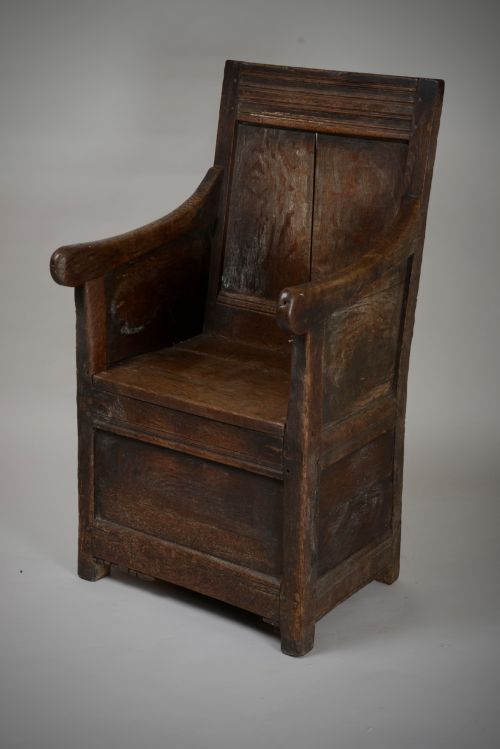
- An enclosed wooden armchair featuring high wings designed to protect the occupant from draughts. These vernacular seats often incorporate storage space beneath the seat.
- Settle
- A wooden bench with a high solid back, enclosed arms, and a box base used for storage. They stood near hearths in early domestic interiors to block cold air.
- Jacobean Revival
- A nineteenth-century design movement that copied the dark wood, heavy turnings, and carved panels of the early seventeenth century. Furniture from this period frequently mimics earlier styles.
- Box chair
- An early seating form featuring a solid wooden compartment beneath the seat where household items were stored. The base rests directly on the floor without conventional legs.
Dark Oak Panel Chair: Frequently Asked Questions
How do I date a dark oak chair?
Dating relies on examining the construction methods, tool marks, and style of carving present on the frame. Seventeenth-century examples display hand-split timbers and pegged joinery distinct from later work.
Revival pieces from the Victorian era often use standardised machine-sawn components and display softer surface patination. Comparing the timber grain and wear patterns helps clarify the age of the piece.
Where were lambing chairs used?
Lambing chairs stood near open hearths in farmhouses and rural cottages to shield occupants from cold draughts. The solid wooden wings directed heat toward the person seated.
Their enclosed design and occasional under-seat storage made them practical domestic seats in northern regions. They provided shelter in drafty rooms before central heating existed.
Are these chairs comfortable for daily use?
Original dark oak panel chairs were built for upright posture rather than relaxed lounging. Their rigid wooden seats and straight backs reflect historical seating preferences.
Some buyers add loose cushions to soften the seat, while other versions incorporate upholstered pads or cane panels. Their solid construction makes them durable for everyday placement in halls or dining rooms.