

Dark Oak Kitchen Sideboard
A dark oak kitchen sideboard brings centuries of regional craftsmanship and rich timber grain straight into a modern interior.
Dark Oak Kitchen Sideboard
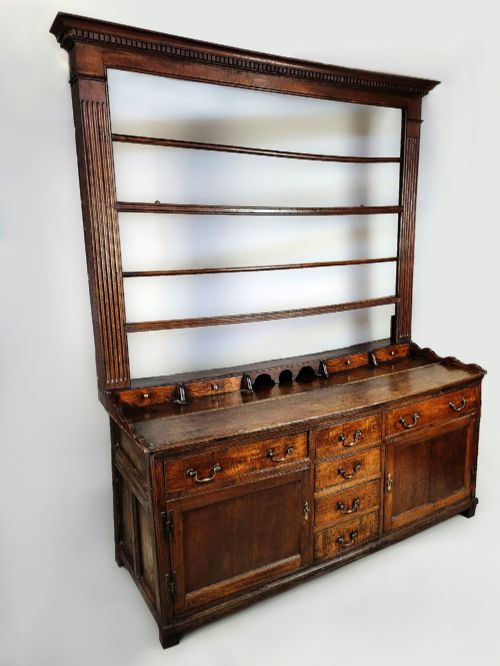
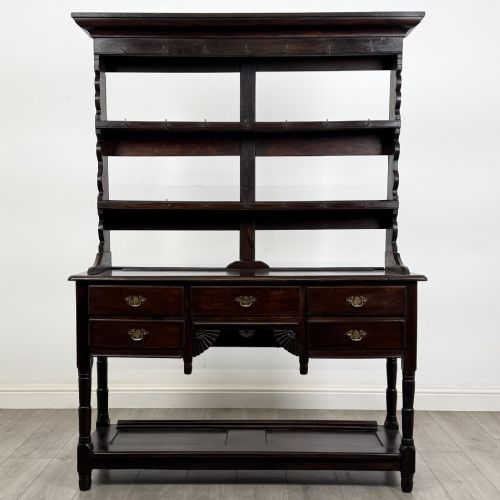
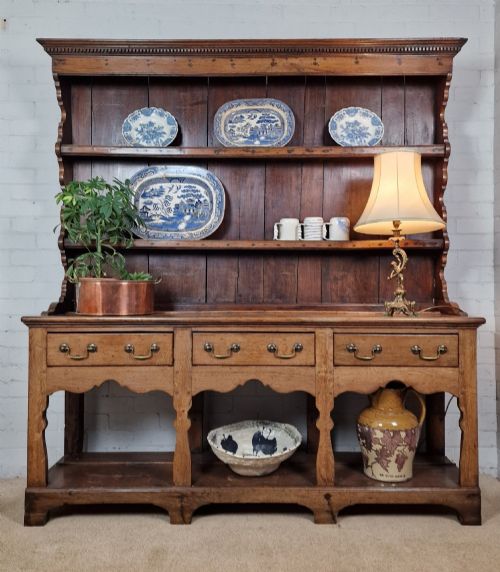
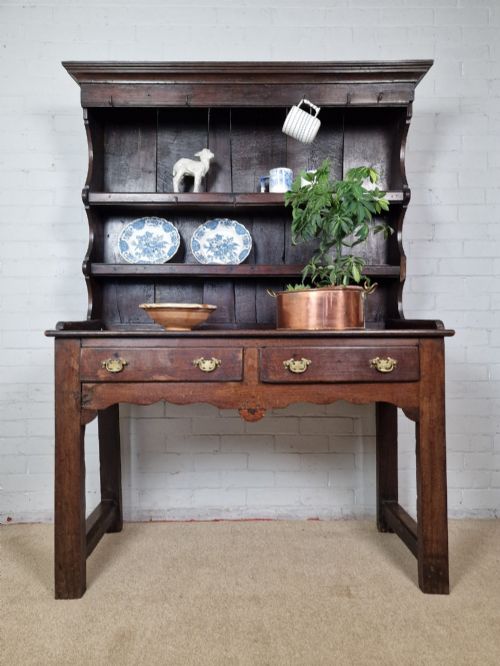
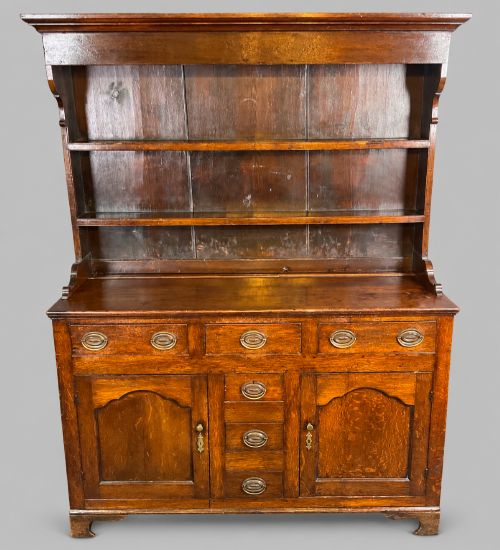
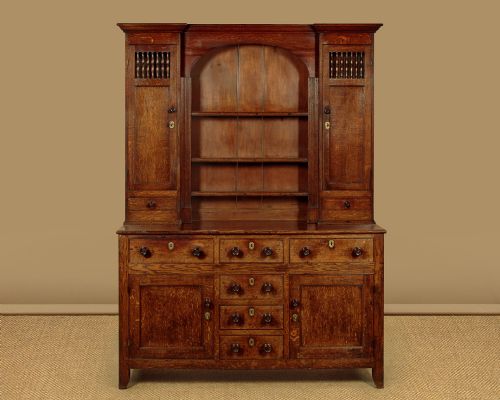
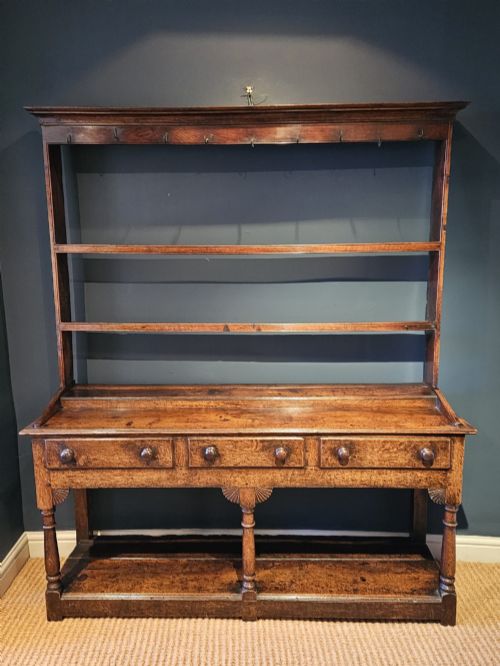
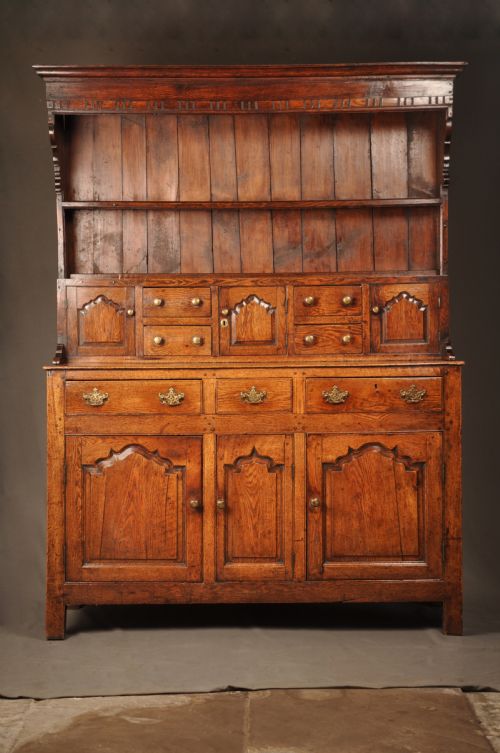
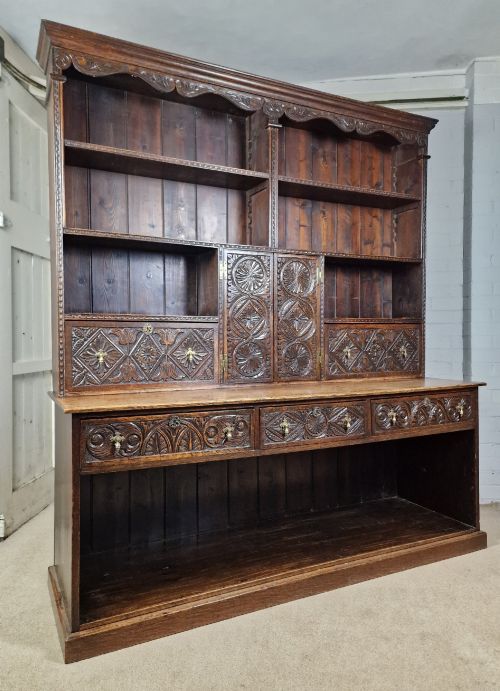
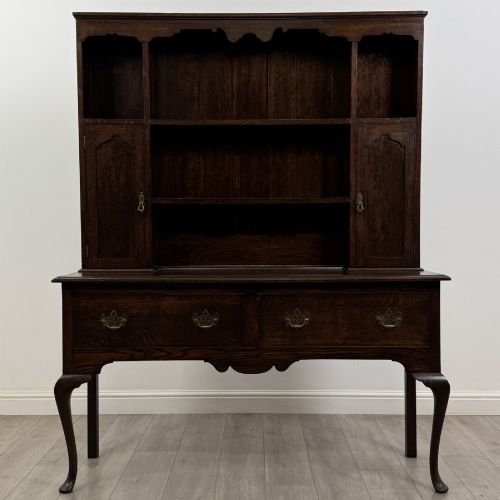
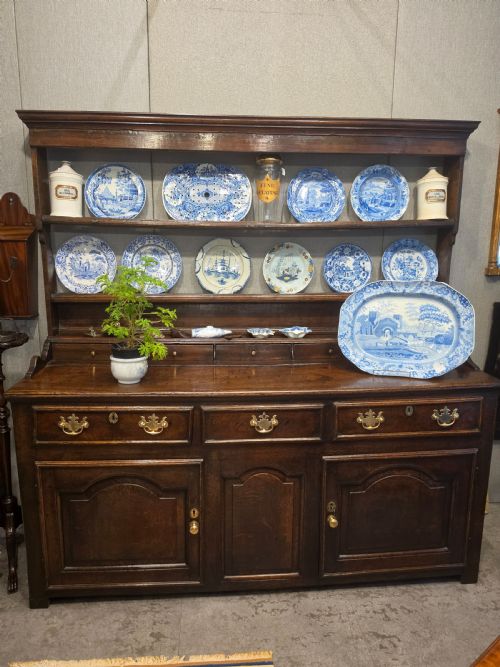
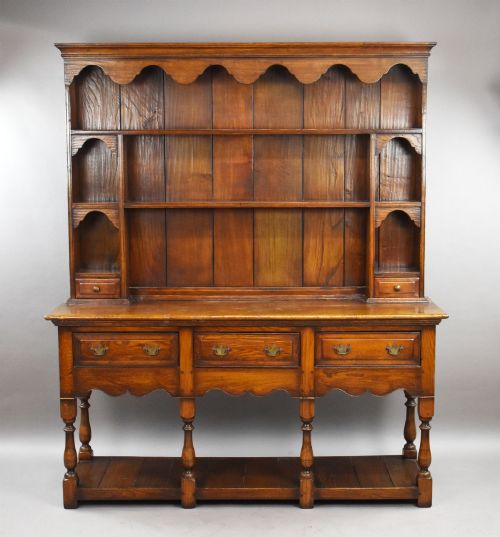
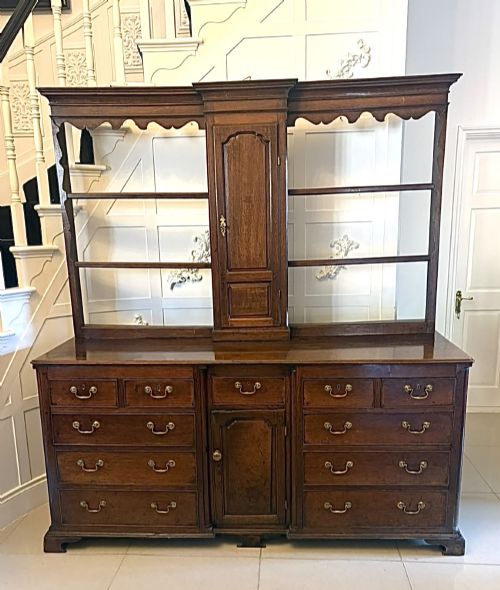
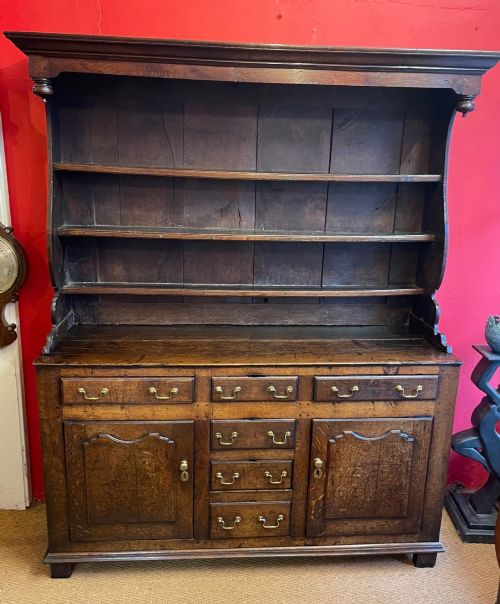
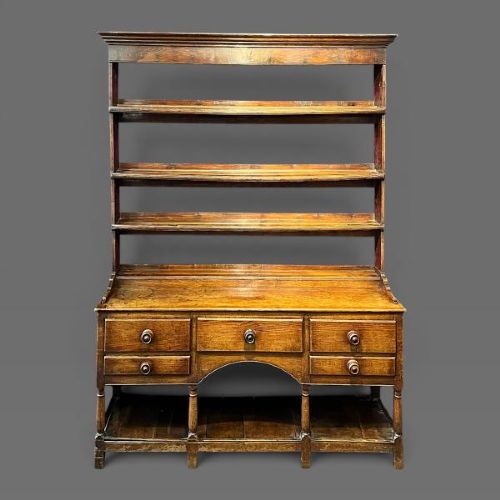
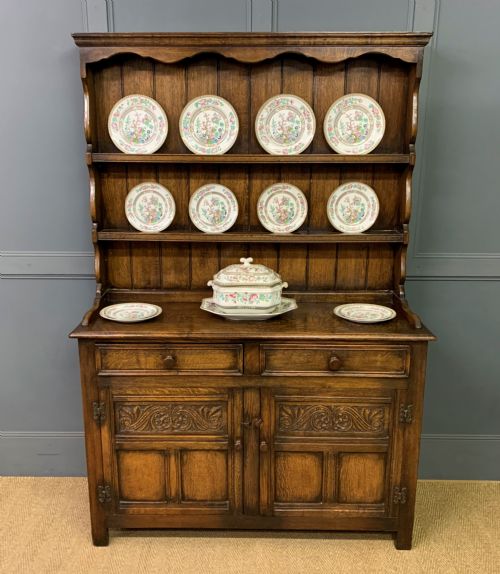
When searching for a dark oak kitchen sideboard, you encounter substantial utilitarian furniture designed for domestic storage and display, most frequently taking the form of traditional dressers and pot boards.
The pieces available span from the eighteenth and nineteenth centuries into later revival periods, bringing distinct regional variations from Welsh and English country workshops.
Many examples combine a lower base fitted with drawers and cupboards with an upper plate rack for shelving ceramics, while others survive simply as open pot board bases.
Materials and construction methods
Makers relied principally on solid oak, selected for its durability and finished with traditional waxes that deepened the tone of the wood over generations.
Structural joints typically employed pegged mortise and tenon construction, while secondary timbers such as pine or mahogany occasionally appeared in drawer linings and crossbanding.
Hardware details incorporated forged iron drop handles and brass drawer pulls, reflecting the utilitarian origins of country kitchen furniture.
Dark Oak Kitchen Sideboard Retail Price Guide 2026
Typical asking prices for dark oak kitchen sideboard among the pieces listed under this phrase on Sellingantiques today, from the lower quarter to the upper quarter. They describe what is for sale here now, not the wider market.
The inventory records numerous regional forms, including Welsh dressers, Lancashire pieces, and Snowdonia pot boards.
Factors determining quality
The merit of an oak dresser rests on the integrity of its timber, the depth of its original surface patina, and the retention of its structural proportions.
Regional detailing, such as carved friezes, shaped apron boards, and integrated pot boards, elevates the character of individual pieces above standard utility forms.
The survival of an original plate rack matching the base adds significantly to the completeness and coherence of the object.
The Dark Oak Kitchen Sideboard Glossary
- Pot board
- An open lower shelf beneath a dresser base traditionally used for storing pots and pans. It forms a defining architectural element in many country pieces.
- Plate rack
- The set of wooden shelves mounted above a dresser base for displaying ceramic plates and platters. These often feature vertical plate grooves and small spice cupboards.
- Crossbanding
- A decorative border technique where thin strips of veneer are laid across the grain of the primary wood. This method appears on finer eighteenth-century surfaces.
- Belly rack
- A regional variation of dresser base featuring a pronounced central bank of drawers flanked by cupboards. The term is particularly associated with Welsh cabinetmaking.
- Patina
- The deep surface sheen developed on timber through decades of handling, polishing, and natural oxidation. It serves as a key indicator of age and authenticity.
Dark Oak Kitchen Sideboard: Frequently Asked Questions
How were these sideboards originally used?
These pieces served as the central storage and display units in domestic kitchens and dining spaces. Families stored everyday earthenware, pewter plates, and culinary provisions within the cupboards and drawers while displaying best tableware on the upper shelves.
The open pot boards below provided practical airing space for heavy cookware and earthenware crocks, keeping kitchen floors tidy and utensils close to hand.
How do I fit a large oak dresser into a modern kitchen?
An antique oak dresser provides exceptional vertical storage that suits both traditional farmhouse spaces and contemporary open-plan dining rooms. The surface top offers functional preparation space, while the shelving organises everyday ceramics.
Ensure you measure ceiling heights and wall space carefully before placement, as these regional pieces often possess substantial proportions and heavy timber frames.
How do I distinguish eighteenth-century pieces from later revivals?
Eighteenth-century examples display hand-tool marks, pegged joinery, and timber shrinkage consistent with centuries of natural movement. The patination on early oak develops a dark, rich surface texture that mechanical sanding cannot replicate.
Revival pieces from the nineteenth and twentieth centuries often exhibit machine-cut components, standardised hardware fittings, and cleaner, more uniform interior timbers.
Do these sideboards require special care?
Solid oak benefits from occasional treatment with traditional beeswax to nourish the timber and maintain its protective surface sheen. Avoid placing wooden furniture near direct heat sources or in damp environments to prevent splitting.
Normal household dusting with a dry or slightly damp cloth keeps the surface clean without stripping the historic patina built up over generations.