
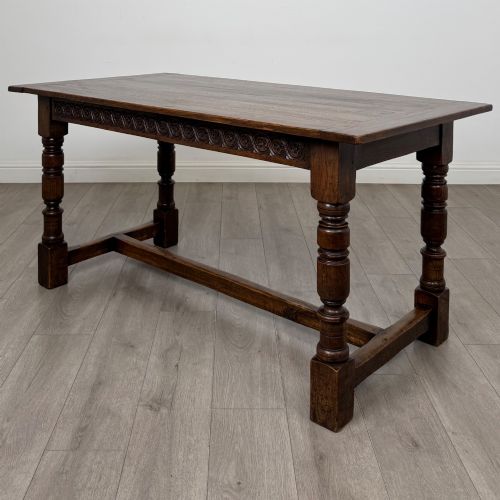
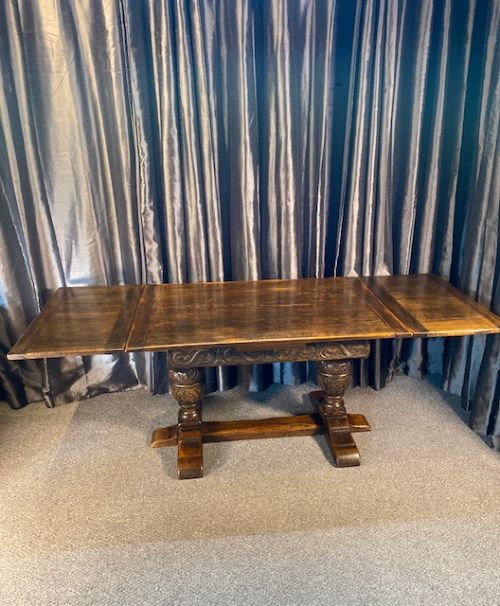
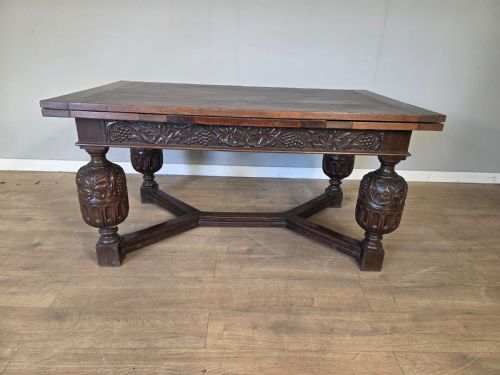
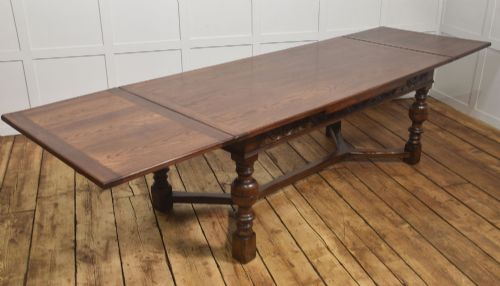
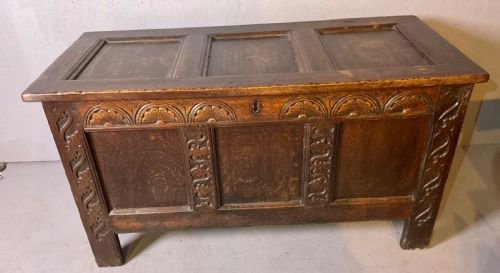
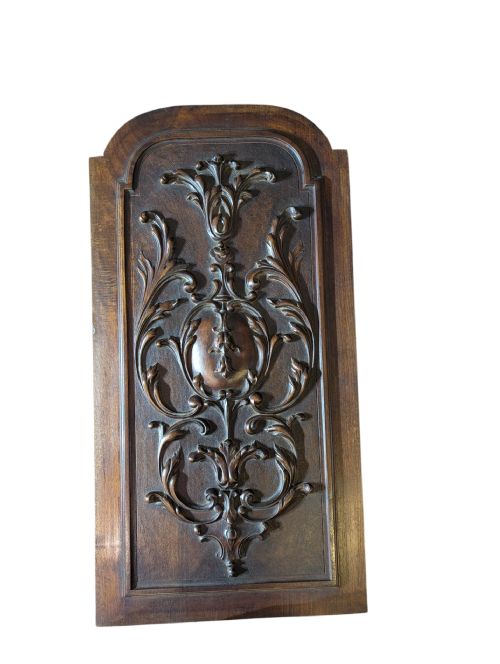


Dark Oak Carved Frieze
A dark oak carved frieze brings structural detail and historic texture into a room, featuring distinct patterns shaped from durable timber.
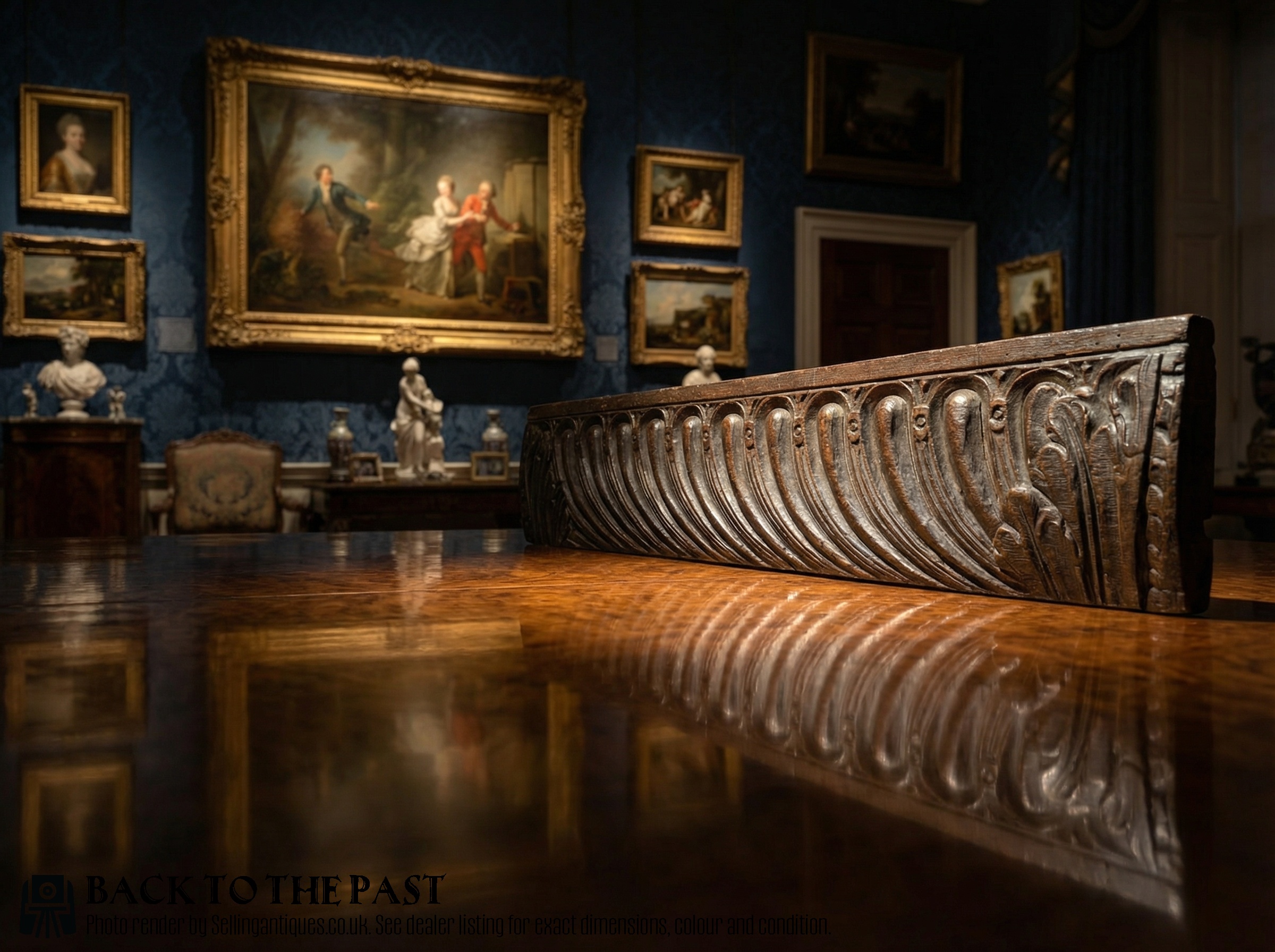
Dark Oak Carved Frieze
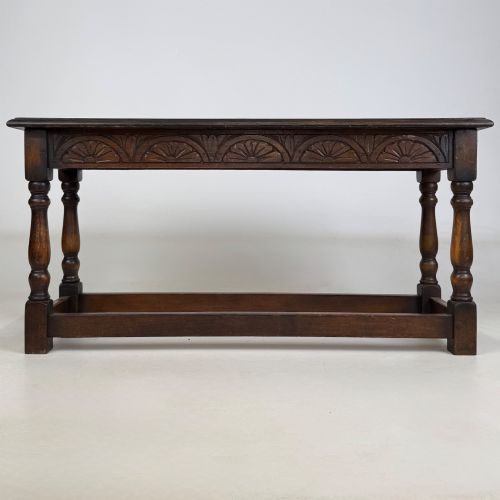
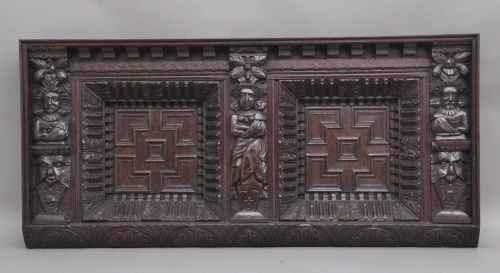
When you search for a dark oak carved frieze, you encounter architectural salvage, wall panels, overmantles, and small furniture components spanning from the seventeenth century through to the twentieth century. These pieces display linear or figurative ornament worked directly into the timber surface.
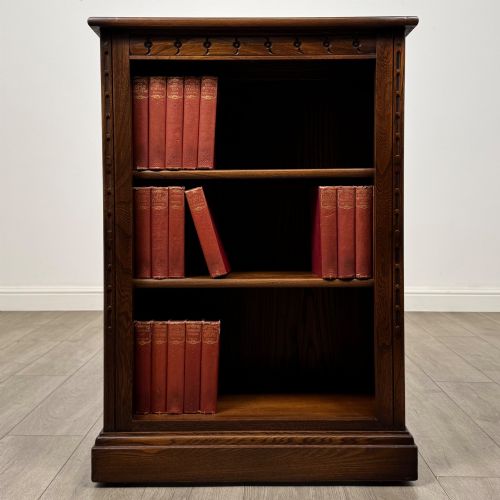
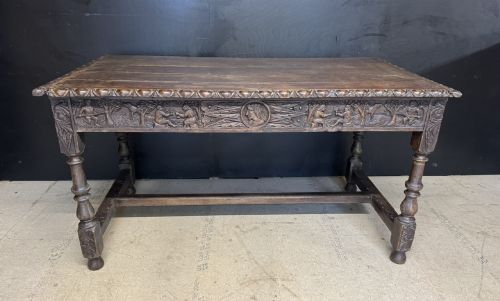
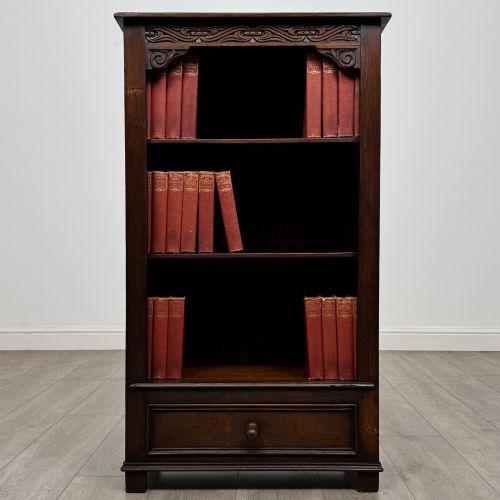
You are most likely to meet panels, overdoors, and furniture elements carrying revival styles such as Jacobean and Elizabethan, alongside genuine seventeenth-century survivals. The woodwork frequently forms part of larger items like cupboards, tables, or bookcases, or exists as isolated architectural fragments.
Materials and construction methods
Craftsmen shaped these items primarily from solid oak and walnut, utilising dense native timbers suited to deep relief work. Iron, brass, and paint occasionally appear as supplementary mounting elements or surface treatments.
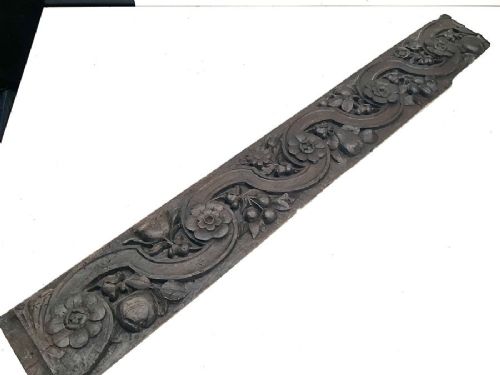
Makers employed hand-carving techniques to cut motifs straight into the timber ground, producing crisp edges on foliage, geometric strapwork, and figural scenes. Panels often show the tool marks characteristic of period bench work before receiving wax or polish.
One recorded seventeenth-century panel depicts a chicken thief caught mid-deed, immortalising farmyard drama in solid oak.
Distinctions in quality
The standard of carving defines the upper tier of these pieces, separating confident, deep-relief human or botanical forms from shallow, mechanical cutting. Sharp undercutting and careful proportioning indicate skilled workshop execution.
Material selection also dictates value, with straight-grained timber and well-preserved original surfaces holding greater visual coherence than heavily restored or mismatched components assembled from disparate periods.
The Dark Oak Carved Frieze Glossary
- Frieze
- The wide horizontal section of a wall panel, piece of furniture, or architectural entablature situated just below the cornice. It frequently receives decorative carving such as running scrolls or guilloche patterns.
- Coffer
- A large heavy chest constructed from solid timber planks, typically featuring a hinged lid and panelled sides. These storage boxes often display carved friezes across the upper rail.
- Refectory
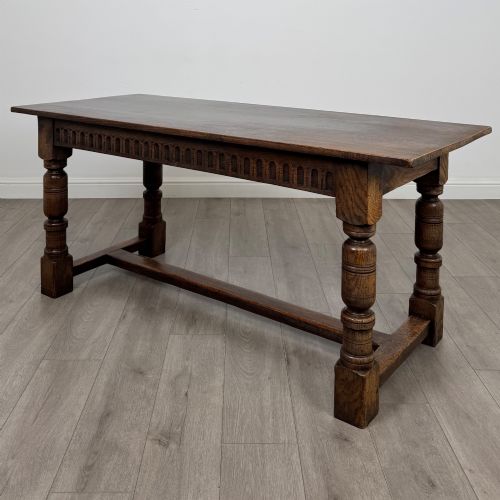
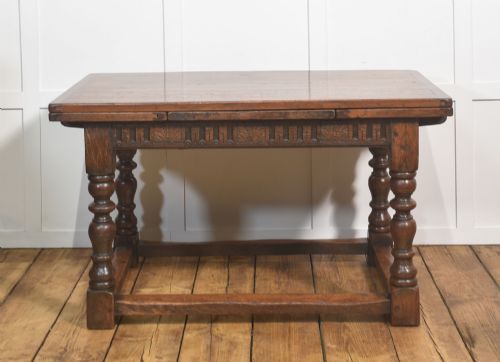
- A long communal dining table supported by sturdy trestles or legs connected by low stretchers. These tables frequently incorporate carved aprons or friezes beneath the top.
- Strapwork
- A decorative motif consisting of interlaced, flat bands that resemble leather straps or folded ribbon. This pattern appears frequently in sixteenth and seventeenth-century architectural carving.
- Overmantle
- A decorative panel, mirror frame, or carved wooden assembly positioned directly above a fireplace opening. Surviving examples often incorporate historic carved friezes.
Dark Oak Carved Frieze: Frequently Asked Questions
How do I mount a carved wooden frieze?
These architectural fragments attach securely to walls using concealed battens or metal brackets fixed into the structural timber behind the carving. Ensure the weight rests evenly across the piece to prevent warping.
Position the frieze at a height where the carved detail catches natural or directional room lighting effectively, highlighting the depth of the timber work.
What is the difference between original and revival pieces?
Seventeenth-century originals display distinct tool marks, surface shrinkage, and oxidation consistent with centuries of exposure. Revival pieces, created during the Victorian, Edwardian, or later periods, imitate these older styles with machine assistance or cleaner hand tools.
Examine the back of the timber and the joint construction to determine the manufacturing period and whether elements have been combined later.
How should I clean dark carved oak?
Dust the deep recesses of the carving gently using a soft-bristled brush to remove accumulated particles without abrading the surface. Avoid using modern wet sprays or household detergents on old timber.
Apply a microcrystalline wax sparingly when the wood appears dry, buffing it gently with a soft cloth to maintain a natural, protective sheen.
Where were friezes originally placed?
Historic friezes occupied the upper zones of panelled rooms, above fireplaces, or directly beneath the main beams of timber-framed buildings. They served to frame an interior space and demonstrate the status of the household.
Detached sections found today often originate from dismantled architectural interiors or repurposed furniture components.