


Dark Oak Book Rack
These dark oak book rack pieces offer sturdy timber storage for home libraries, spanning Edwardian and Victorian eras.
Dark Oak Book Rack
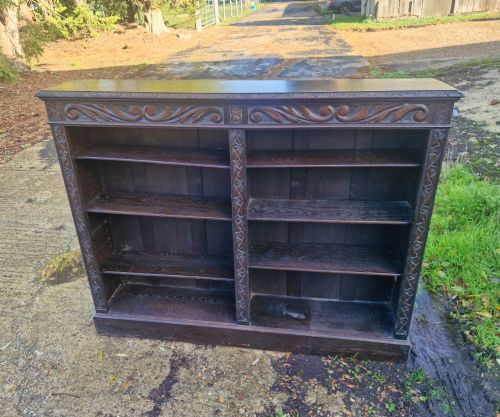
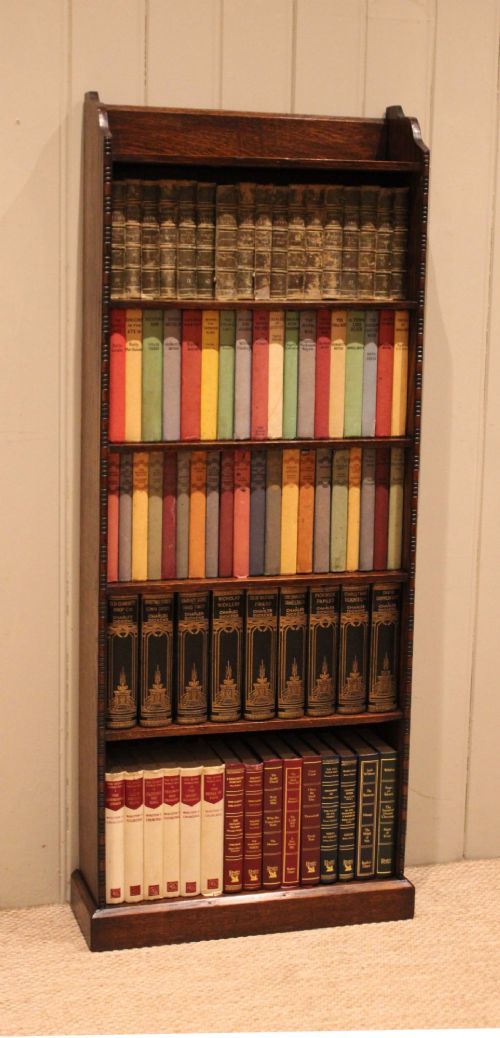
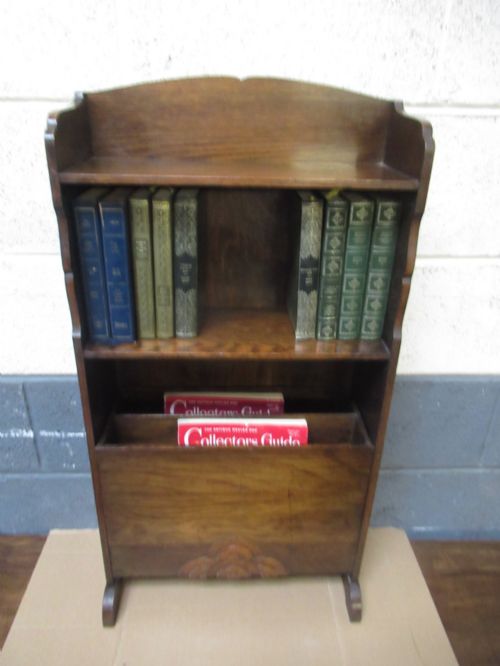
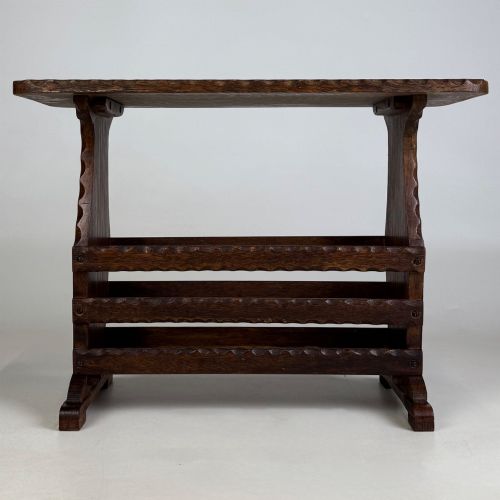
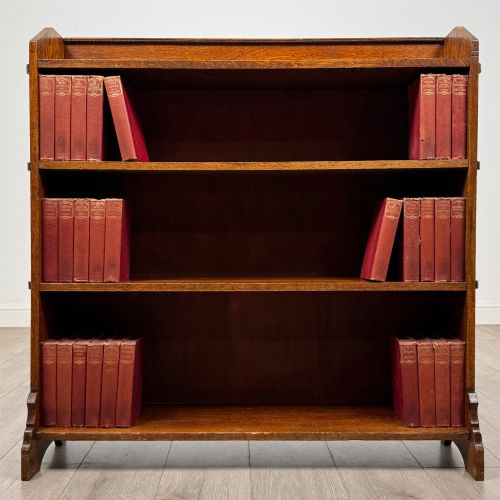
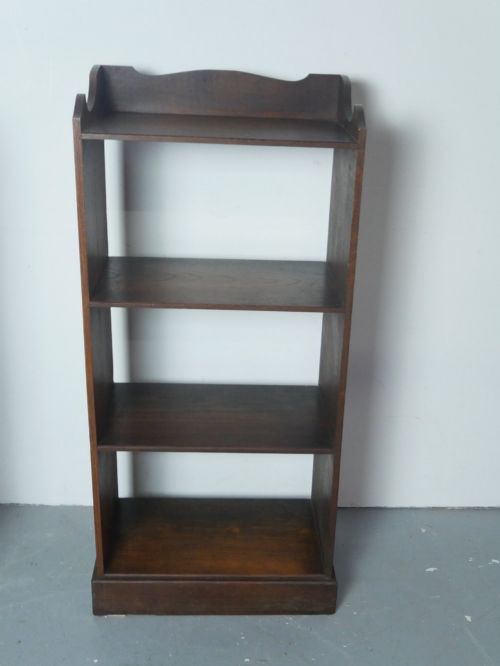
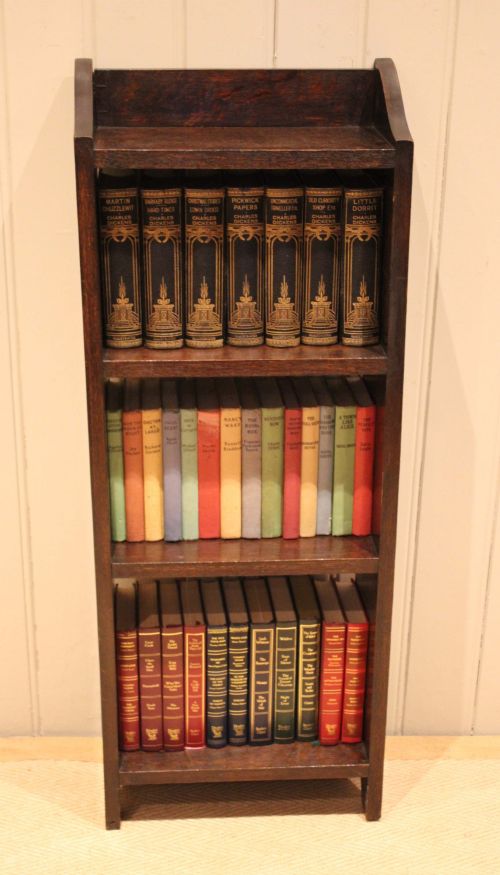
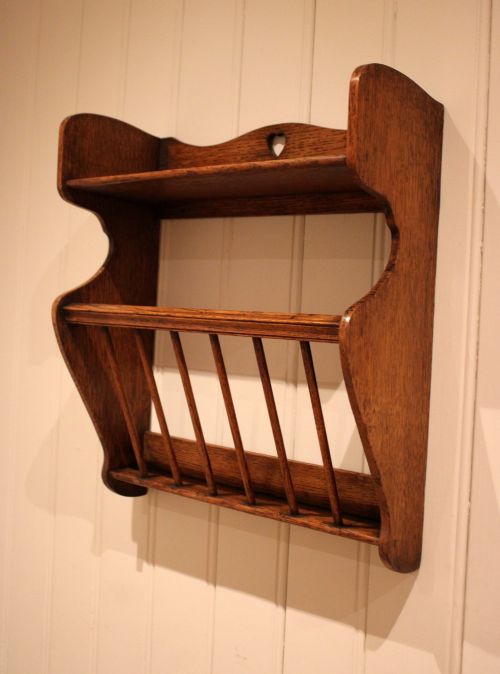
A dark oak book rack brings functional timber shelving to domestic spaces, taking forms such as open bookcases, table stands, wall shelves, and extending slides. These items serve the practical purpose of holding volumes in studies, living rooms, and beside firesides.
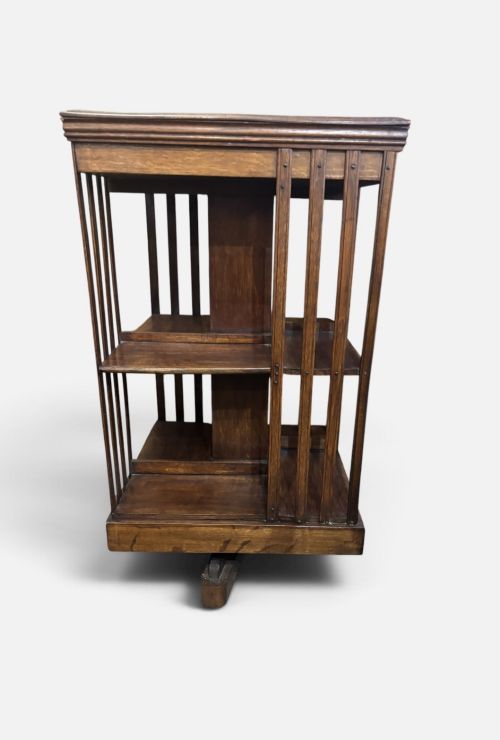
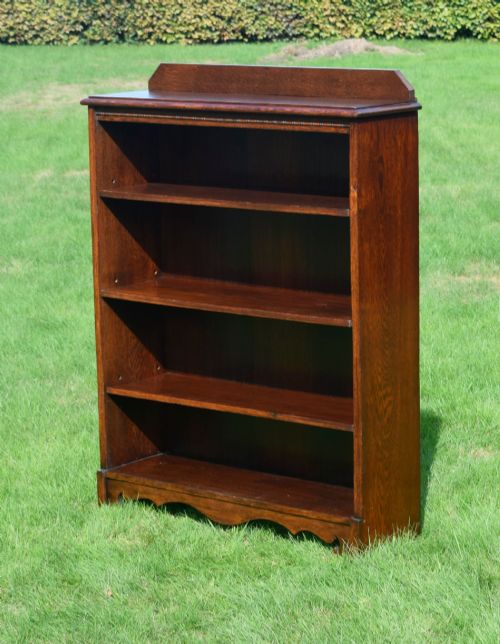
The pieces on this page emerge primarily from the Edwardian period, alongside Victorian and 1920s examples. Buyers encounter open-back bookcases, sloping fireside troughs, and revolving designs tailored to domestic literature storage.
Materials and construction methods
Makers utilised solid oak alongside beech and brass hardware to construct these storage items. Timber selection prioritised strong grain patterns suited to open shelving and extending mechanisms.
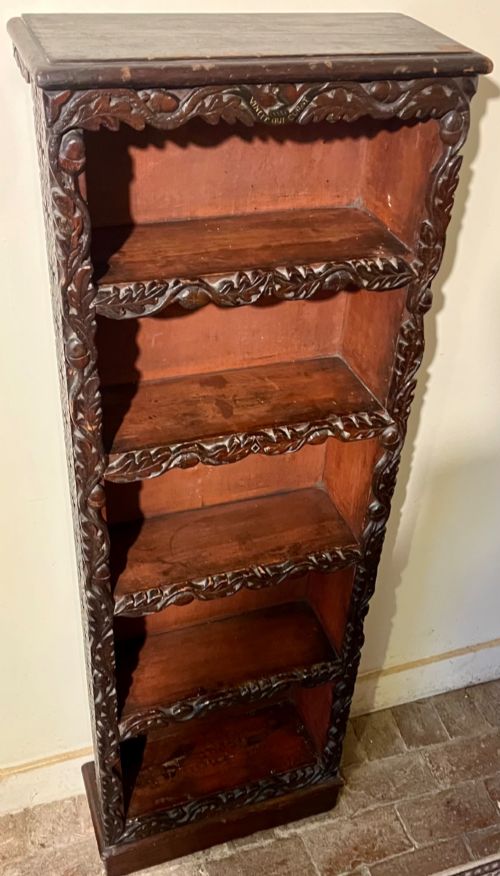
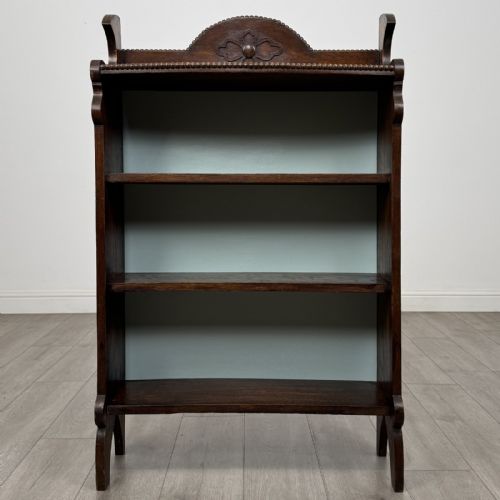
Construction techniques include carved ornamentation, beaded edges, and sturdy open-front bracing. Joinery methods reflect period cabinet-making standards designed to support heavy volumes of text.
Dark Oak Book Rack Retail Price Guide 2026
Typical asking prices for dark oak book rack among the pieces listed under this phrase on Sellingantiques today, from the lower quarter to the upper quarter. They describe what is for sale here now, not the wider market.
Even the tiniest desk slide can surprisingly hold a heavy row of Victorian poetry.
Distinctions in construction and style
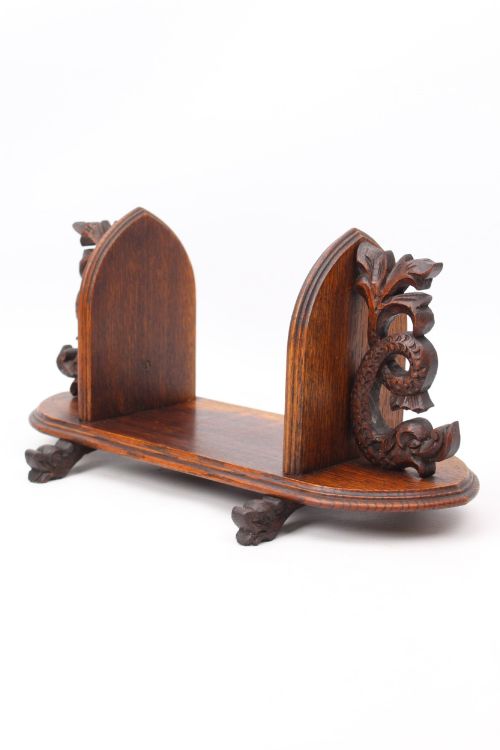
Quality separates simple utility items from pieces displaying deliberate stylistic revivalism, such as Gothic or Arts and Crafts motifs. Carved detailing and solid timber thickness distinguish finer productions from plainer workshop output.
The integration of functional hardware, such as smooth extending actions on book slides or well-fitted revolving mechanisms, marks superior manufacture. Timber finishing and the retention of original brass elements further separate standard items from exceptional ones.
The Dark Oak Book Rack Glossary
- Oak
- A hard, durable timber native to temperate regions, widely utilised in British cabinet making for its strength and prominent grain. It forms the primary structural material for these storage items.
- Arts and Crafts
- A design movement valuing handcraftsmanship and simple vernacular forms over mass production. Pieces from this style often display honest construction and minimal carved ornament.
- Gothic Revival
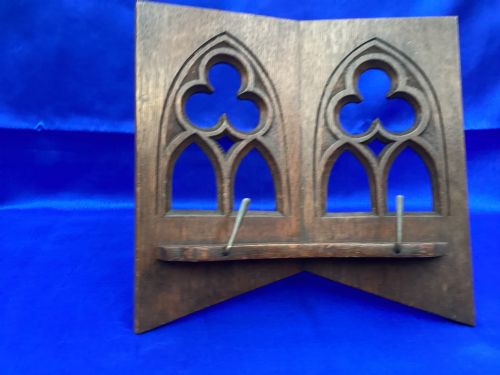
- An architectural and decorative style drawing on medieval ecclesiastical forms, characterised by pointed arches and heavy carved details. This aesthetic appears on several Victorian and Edwardian bookcases.
- Book Slide
- An adjustable desk or tabletop trough fitted with expanding ends to hold a selection of volumes upright. These mechanisms often incorporate brass fittings.
- Revolving Bookcase
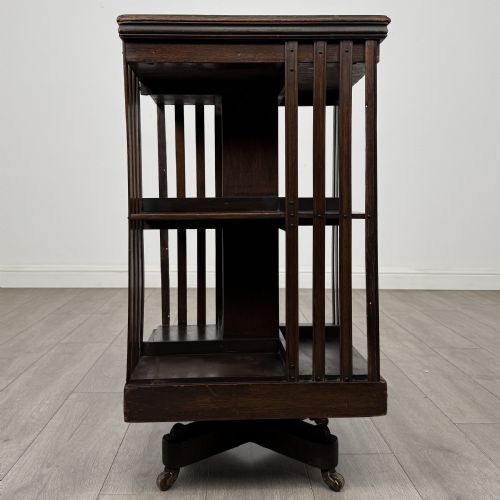
- A compact tier of shelves mounted on a rotating base designed for tabletop or floor placement. This form allows access to multiple directions of texts from a seated position.
Dark Oak Book Rack: Frequently Asked Questions
What is a dark oak book rack?
A dark oak book rack encompasses various wooden storage pieces designed for holding volumes, including open bookcases, desktop slides, and wall-mounted shelves.
These items utilise sturdy oak timber and date predominantly from the Victorian, Edwardian, and 1920s eras.
How were these pieces used originally?
Households utilised these items to organise and display literature in studies, libraries, and fireside locations.
Different formats served specific placements, such as compact revolving stands for desks or sloping troughs for fireside reading.
How do I date a dark oak bookcase?
Dating relies on observing construction methods, timber treatment, and stylistic markers such as Gothic Revival or Arts and Crafts details.
Pieces frequently span the late nineteenth century through to the 1930s, reflecting changing domestic fashions.
Are extending book slides practical?
Extending book slides offer adjustable storage for a selection of working volumes on a desk or table.
Their metal and wood mechanisms allow the ends to expand or contract depending on the number of texts held.