




Dark Metal Paperweight
A dark metal paperweight anchors a desk with substantial weight and historic character, bringing sculptural form to daily paperwork.
Dark Metal Paperweight
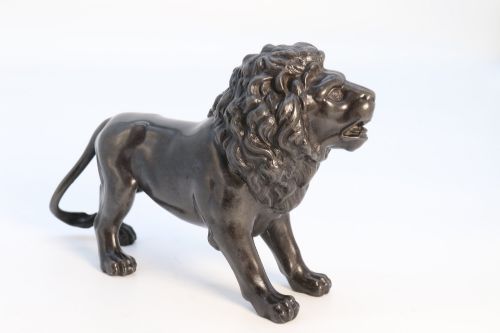
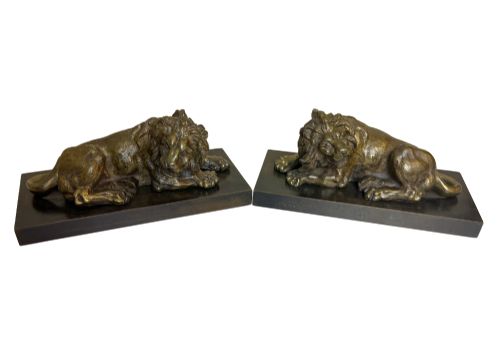
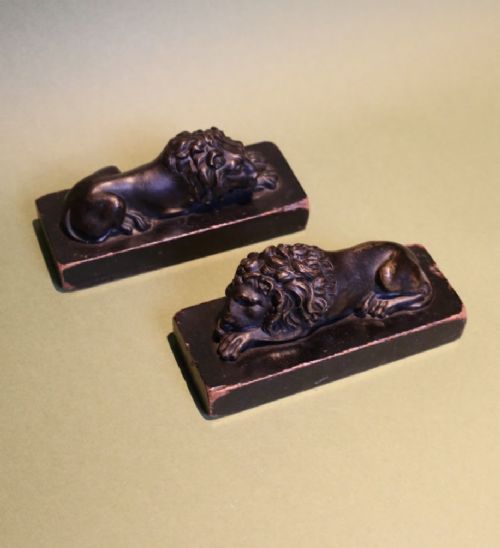
When you search for a dark metal paperweight, you encounter small sculptures, architectural models, and animal figures designed to hold down loose documents. These objects range from classical lions and mythological sphinxes to domestic dogs, insects, and portrait busts.
The pieces on this page originate predominantly from the nineteenth century, including Victorian examples alongside Meiji period Japanese bronzes and French Animalier works. Many double as desk ornaments or small cabinet bronzes, blending practical utility with decorative display.
You are most likely to meet bronze and cast iron desk weights shaped as animals, human figures, or architectural monuments. These items reflect popular nineteenth-century tastes, from Grand Tour souvenirs to Egyptian Revival obelisks and Art Deco car mascots.
Materials and construction methods
The objects in these listings rely heavily on cast bronze and cast iron, often mounted on heavy stone bases such as marble, slate, or onyx. Founders utilised traditional metal-casting techniques to capture fine details, from fur and feathers to architectural masonry.
Many surfaces display a deliberate dark patina, whilst others incorporate cold-painted pigments or highlights. Timber and base metals occasionally appear to provide structural support or integrated display plinths for the main metal figures.
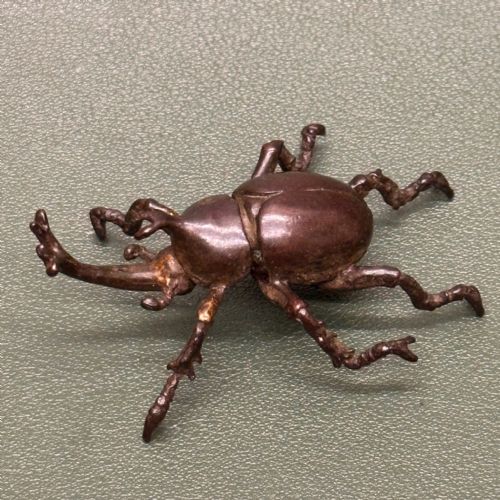
A cast iron paperweight shaped as a rhinoceros beetle brings an unexpectedly industrious insect straight to your paperwork.
Assessing quality and craftsmanship
The depth and integrity of the patina contribute significantly to an object's visual success. Pieces with well-maintained, undisturbed surface ageing show superior preservation compared to those with stripped or overly polished metal.
P.de Soete·Marion Willis Stanfield·Ferrand·Isidore Bonheur
The Dark Metal Paperweight Glossary
- Animalier
- A nineteenth-century artistic movement focused on the realistic depiction of animals. Sculptors in this tradition studied anatomy closely to capture creatures in motion or repose.
- Grand Tour
- A cultural journey undertaken by wealthy young Europeans in the eighteenth and nineteenth centuries. Travellers collected small bronze architectural models and classical figures as mementos.
- Meiji Period
- A Japanese historical era spanning from 1868 to 1912. Bronzes from this period often display extraordinary naturalist detail, such as insects and rodents depicted with lifelike precision.
- Patina
- The chemical sheen or surface oxidation developed on metal over decades of exposure to air and handling. Collectors value original patinas for their depth and historical authenticity.
- Cold Painted
- A technique where bronze figures are painted with non-heat-set pigments, usually oil or varnish based. This method allows for vibrant surface colours on small decorative items.
Dark Metal Paperweight: Frequently Asked Questions
How were heavy metal paperweights used?
These items sat on nineteenth-century desks to prevent letters and ledgers from scattering in drafts. Their dense metal construction provided the necessary mass to secure stacks of paper.
Beyond simple utility, they served as status symbols and decorative conversation pieces in Victorian studies and offices.
What materials are common in these objects?
Bronze and cast iron form the vast majority of the pieces found in this category. They are frequently mounted on heavy stone bases like marble or slate to add extra downward force.
Other materials such as pewter, brass, and timber occasionally appear in specific sculptural studies and architectural models.
How do I identify a Meiji period bronze?
Meiji period Japanese bronzes often depict native fauna, such as frogs, beetles, and rats, rendered with meticulous anatomical observation. They reflect the high technical skill of Japanese metalworkers working during the late nineteenth century.
These pieces frequently combine exceptional surface texturing with compact, tactile forms suited for desk use.
What is an Egyptian Revival desk object?
Egyptian Revival pieces draw inspiration from ancient pharaonic art and architecture, following nineteenth-century archaeological discoveries. Common forms include miniature obelisks and sphinxes cast in heavy metal.
Such items brought exotic classical motifs into Victorian domestic and professional interiors.