
Dark Metal Ironing Iron
These dark metal ironing iron items span centuries of utilitarian forge work, offering solid metal forms for practical spaces.
Dark Metal Ironing Iron
When you search for a dark metal ironing iron, you encounter heavy functional objects forged from durable materials across several periods. The selection includes domestic items, garden furniture, and architectural salvage rather than laundry tools alone.
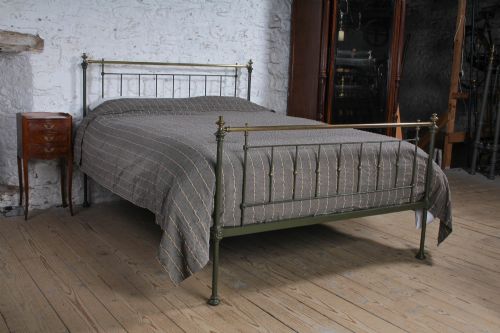
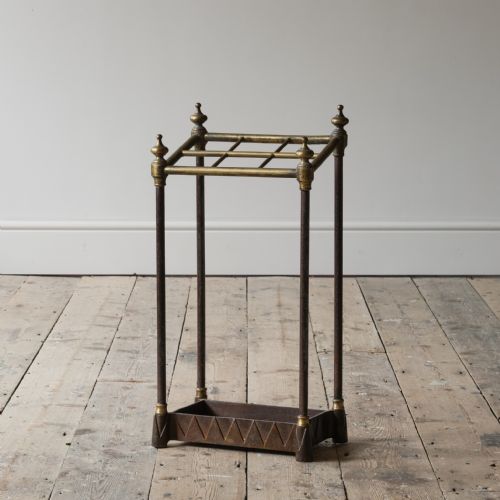
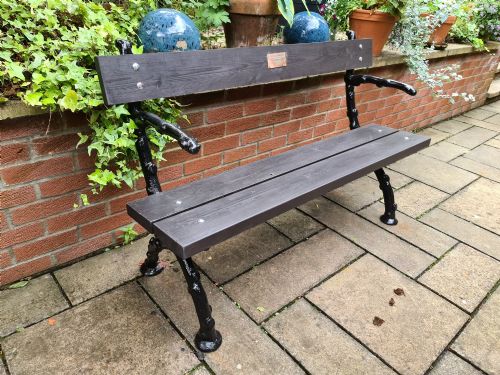
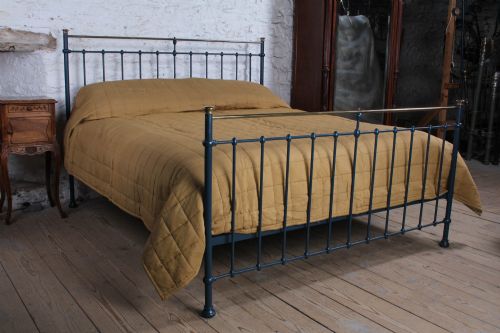
Victorian and nineteenth-century examples dominate the listings, showing the strong influence of industrial manufacturing and utilitarian design. These items range from large garden benches and umbrella stands to fire dogs and bed frames.
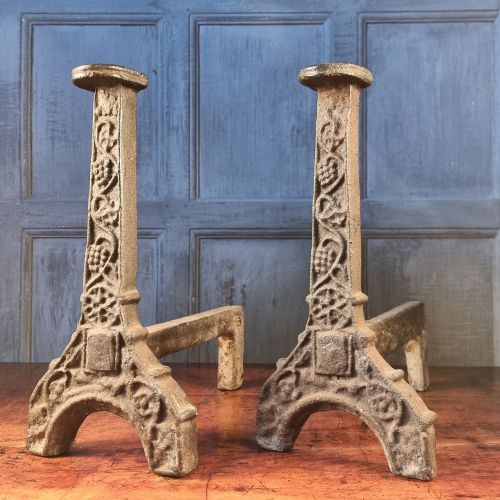
Earlier centuries appear through sixteenth-century firedogs and Nuremberg caskets, while twentieth-century pieces bring industrial stools and coat racks into the mix. Each object serves a distinct domestic or structural purpose.
How they were made
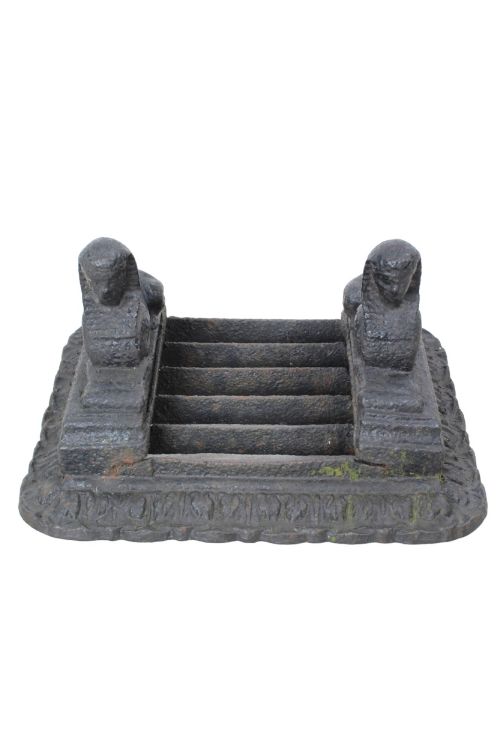
Blacksmiths and foundries shaped these objects using cast iron, wrought iron, and steel, often combining them with brass, bronze, and oak. Cast iron allowed for intricate moulded details in items like boot scrapers and bed ends.
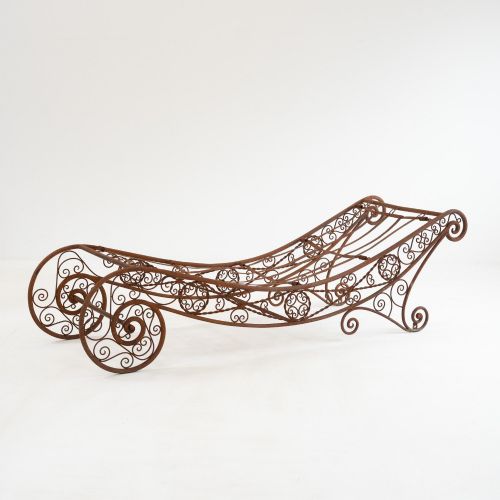
Wrought iron provided the strength needed for architectural gates, fire dogs, and garden daybeds through traditional hot-working techniques. Riveting and joining methods secured components in large utilitarian structures like garden gates and pot stands.
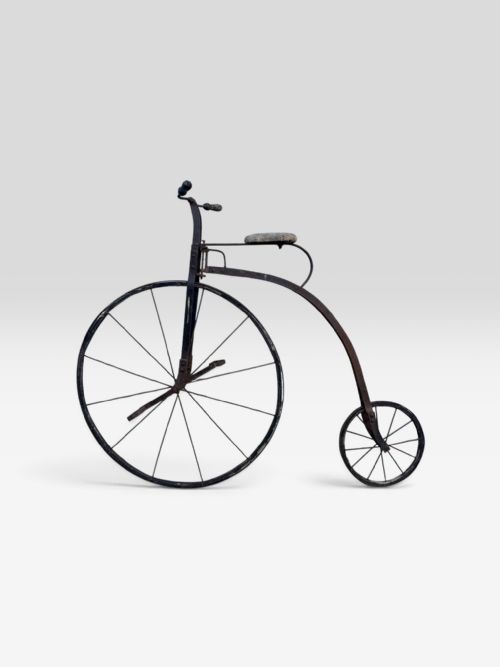
Among the heavy industrial gear sits a child's penny farthing, proving that early Victorians also believed in learning to ride the hard way.
What varies in quality
The standard of a piece depends on the crispness of the casting and the skill of the hand-forged work. Clean lines on nineteenth-century cast items and well-proportioned scrolling on wrought iron distinguish finer examples.
Material integrity and original surface finishes dictate the overall character of each object. Minimal structural alteration preserves the historical utility of heavy items like mortars and fire dogs.
The Dark Metal Ironing Iron Glossary
- Wrought iron
- Iron that is heated and hammered into shape by a blacksmith. This material bends under stress rather than snapping, making it suitable for structural gates and fire implements.
- Cast iron
- Molten iron poured into a mould to create solid objects. This technique enables complex ornamentation on items such as boot scrapers and bed frames.
- Andirons
- Horizontal metal supports placed in a hearth to hold logs. Also known as fire dogs, they often feature decorative fronts visible at the hearth opening.
- Pricket candlestick
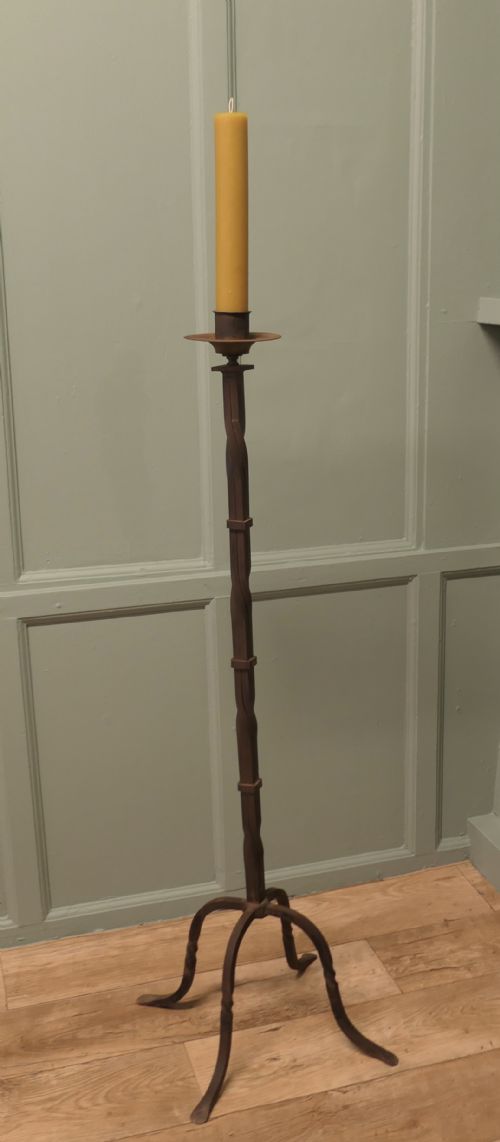
- A candle holder with a central spike that pushes into the base of the wax candle. These appear in various metal forms across earlier centuries.
- Mortar
- A heavy bowl in which substances are ground with a pestle. Heavy metal versions served in kitchens and apothecary shops.
Dark Metal Ironing Iron: Frequently Asked Questions
What periods do these metal pieces cover?
The inventory spans from the sixteenth century through the Victorian era up to the 1930s. Materials shift from early hand-forged iron to nineteenth-century cast components.
Victorian and industrial pieces form the largest portion of the available selection. Earlier centuries appear selectively in architectural hardware and hearth equipment.
How do I care for heavy iron objects?
Keep metal items in dry environments to prevent surface oxidation. Light application of appropriate wax or oil protects the finished surface.
Avoid abrasive cleaners that remove historical patination. Regular dusting maintains the condition of both cast and wrought surfaces.
Are these items suitable for outdoor use?
Certain pieces like garden benches, gates, and daybeds are built for external placement. Wrought and cast iron withstand external conditions when maintained properly.
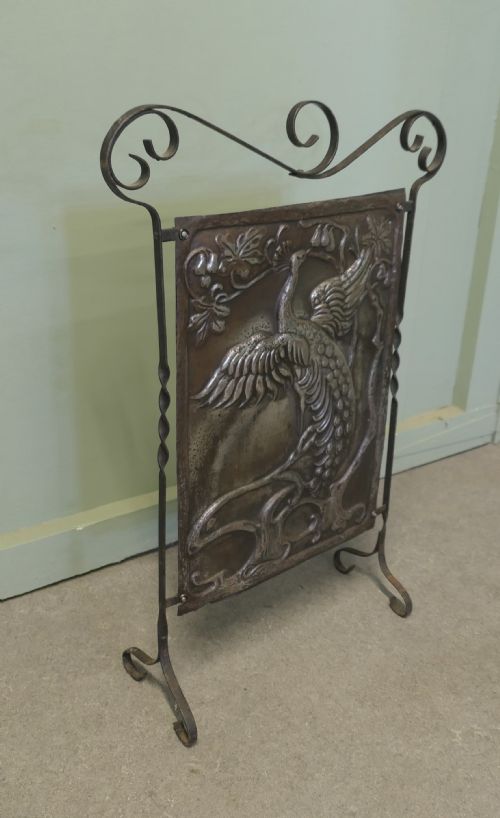
Indoor items such as fire screens, bed frames, and candelabras lack weather-resistant coatings and remain suited for interior spaces.