








Dark Mahogany Wall Rack
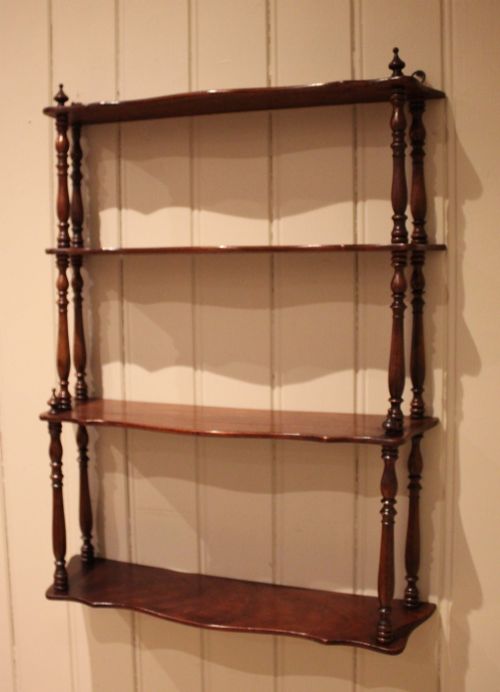
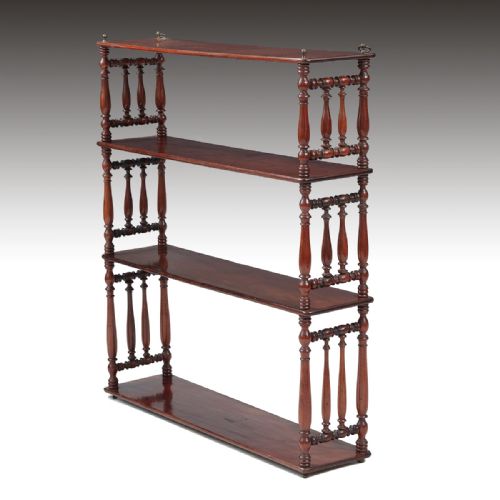
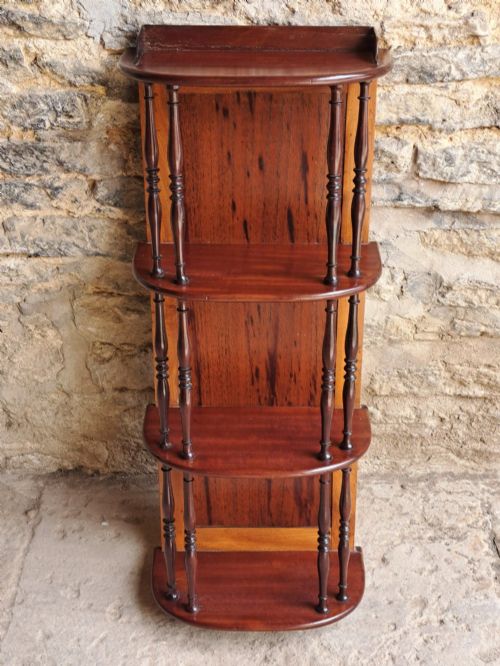
These dark mahogany wall rack pieces offer practical vertical storage with rich, deep-toned timber and period character.
Dark Mahogany Wall Rack
A dark mahogany wall rack brings functional hanging and shelving storage to hallways and rooms using dense, rich timber. These pieces span wall shelves, coat racks, and hanging units from periods including the Georgian era, Regency period, and Victorian times.
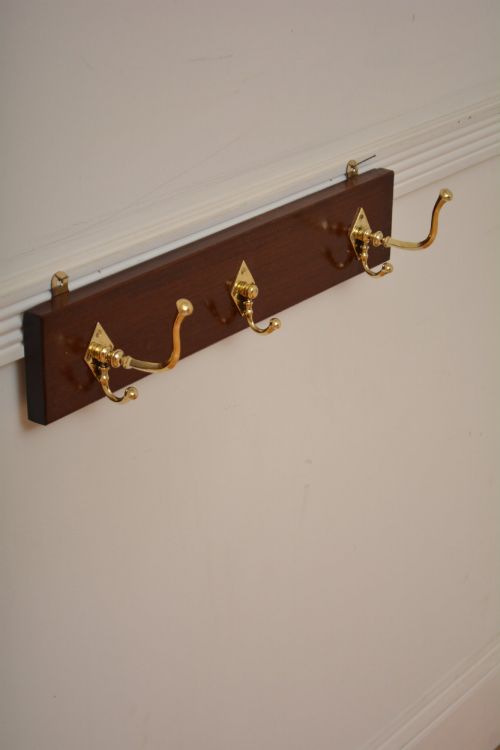
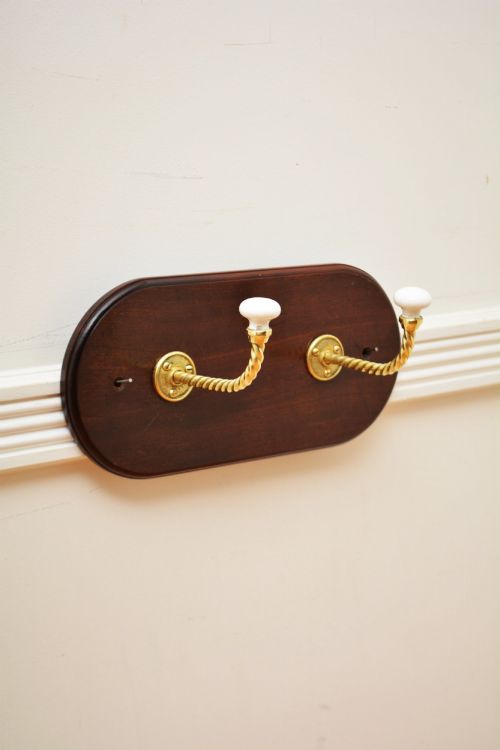
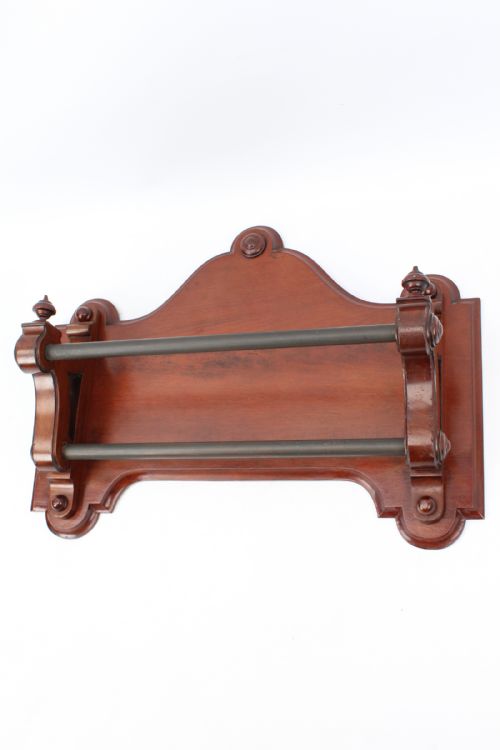
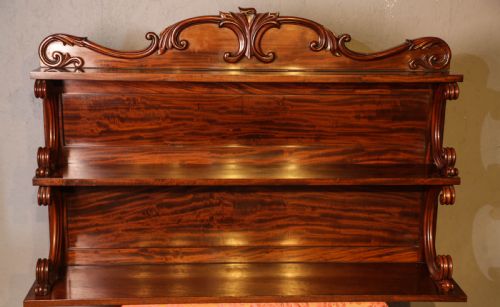
The most common examples on this page are hanging wall shelves and coat racks fitted with brass hooks. Many pieces date from the nineteenth century, showcasing styles ranging from simple utility to Chippendale revival fretwork and Aesthetic Movement designs.
Materials and construction
Makers utilised solid mahogany and flame mahogany veneer over secondary timbers to build these wall-mounted pieces. Timber surfaces were polished to a dark, deep lustre that highlights the natural grain.
Dark Mahogany Wall Rack Retail Price Guide 2026
Typical asking prices for dark mahogany wall rack among the pieces listed under this phrase on Sellingantiques today, from the lower quarter to the upper quarter. They describe what is for sale here now, not the wider market.
Materials paired with mahogany across these items include brass, glass, ceramic, iron, bentwood, and beech.
Assessing quality and finish
Quality rests in the crispness of timber mouldings, fretwork detailing, and the depth of the mahogany finish. Pieces with integrated brass galleries or cast hooks display superior craftsmanship compared to simpler utility items.
Structural integrity of the wall fixings and the retention of original brass elements elevate a piece. Finer examples maintain untouched patination on the timber surfaces and original backboards.
The Dark Mahogany Wall Rack Glossary
- Mahogany
- A durable, reddish-brown tropical hardwood prized for its deep grain and stability in furniture construction. It takes a high polish and darkens gracefully over time.
- Flame mahogany veneer
- A decorative wood veneer sliced from timber where the branch meets the trunk, producing a rippling, flame-like pattern. It was often applied to prominent surfaces on finer furniture.
- Fretwork
- Openwork ornamentation carved or pierced from thin wood in geometric or scroll patterns. It frequently appears on the sides or galleries of display and wall shelves.
- Brass gallery
- A low protective metal rail fitted around the edge of a shelf to keep items from sliding off. These rails are often cast or pierced.
- Regency
- A British design period spanning the early nineteenth century characterised by classical revival motifs and clean architectural lines. Pieces from this era often feature restrained brass inlay or mounts.
Dark Mahogany Wall Rack: Frequently Asked Questions
How do I hang a heavy wall rack?
Check the original mounting points on the backboard to determine how the weight distributes across the wall. Use appropriate screws and wall anchors that match the timber weight and the wall type.
Ensure you fix the piece directly into wall studs or solid masonry rather than relying solely on drywall plaster. Professional picture hanging fixings provide extra security for laden shelves and coat racks.
Are these racks suitable for heavy coats?
Most coat racks feature sturdy brass hooks screwed firmly into solid mahogany backboards. This construction easily supports heavy garments and cloaks.
Inspect the backboard timbers and screw fixings to ensure the wood remains sound around the hook bases. Period utility racks were built specifically for heavy everyday use.
How do I clean mahogany wall furniture?
Dust the timber regularly with a soft, dry cloth to prevent grit accumulation on the polished surface. Avoid silicone-based polishes that build up and attract dust over time.
Apply a traditional beeswax sparingly to nourish the wood and maintain its deep lustre. Keep hanging shelves away from direct heat sources and strong sunlight to prevent the mahogany from drying out.
How do I date an antique wall shelf?
Examine the construction methods, such as the type of screws, jointing techniques, and saw marks on hidden backboards. Hand-cut dovetails and older screw heads often indicate Georgian or early Victorian origins.
Compare the decorative style, like Aesthetic Movement brasswork or Chippendale revival fretwork, against known design periods. Timber patination and wear patterns around hanging points also offer clues to age.