
Dark Mahogany Furniture
Dark mahogany furniture brings rich, deep timber tones into a room through tables, desks and chests built across the Georgian, Regency and Victorian periods.
Dark Mahogany Furniture
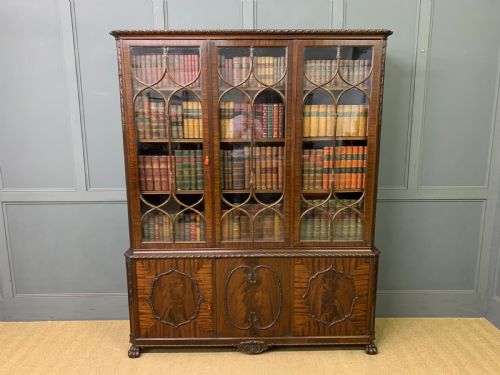
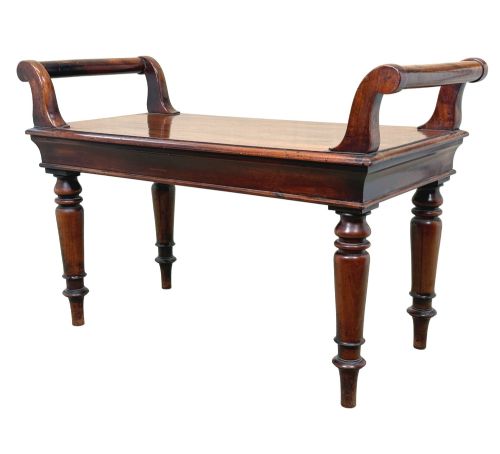
Dark mahogany furniture encompasses large case pieces like chest on chest tallboys, linen presses, and breakfront bookcases alongside smaller items such as window seats, dumb waiters, and revolving bookcases. Buyers examining dark mahogany furniture frequently encounter Georgian, Regency, and Victorian iterations spanning the eighteenth and nineteenth centuries.
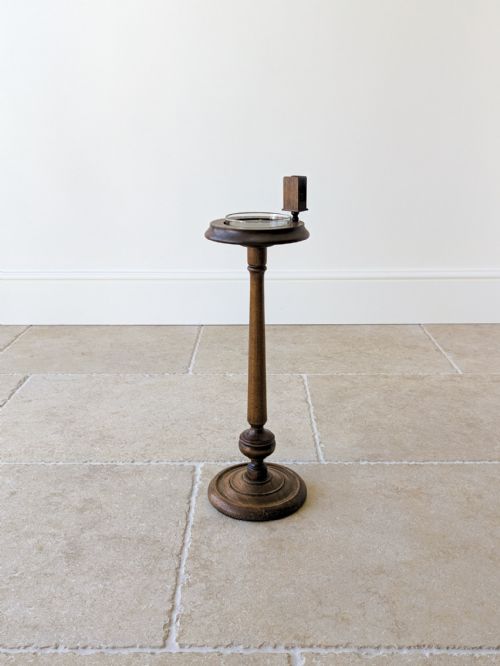
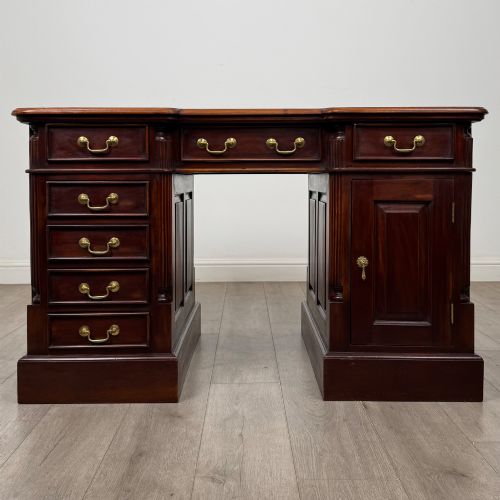
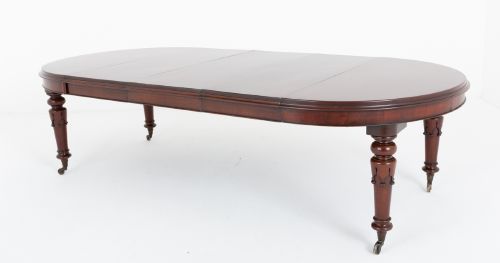
The selection ranges from formal dining tables and pedestal desks to specialised items like washstands, towel rail stands, and smoking stands. Scottish workshops and Anglo-Indian colonial makers also contribute distinct regional interpretations to the broader category.
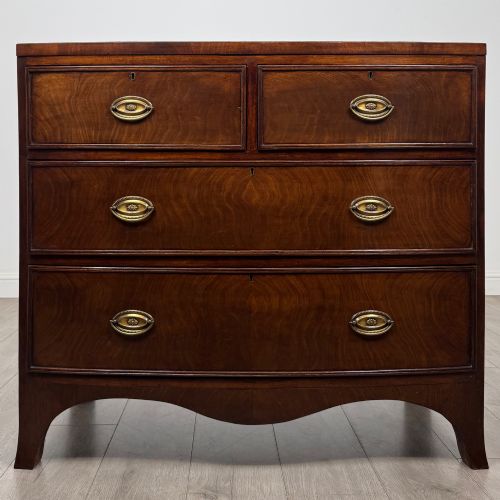
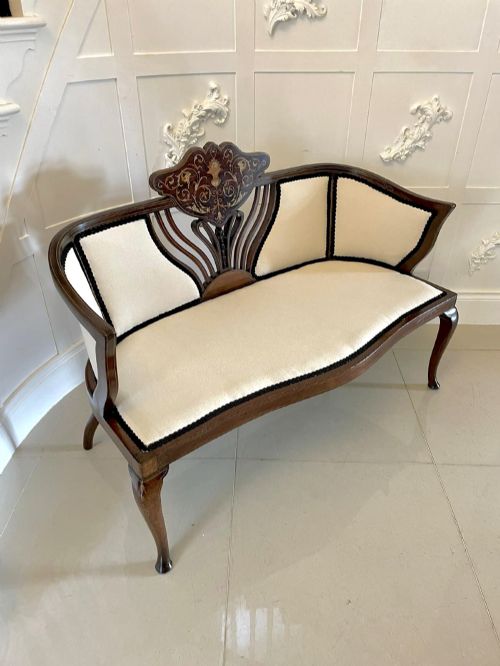
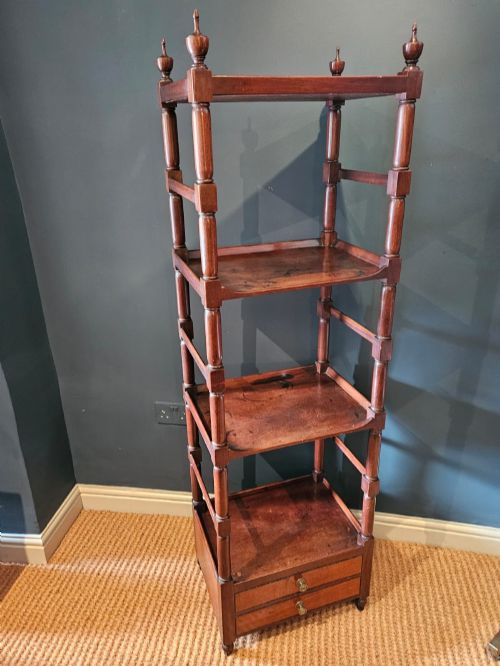
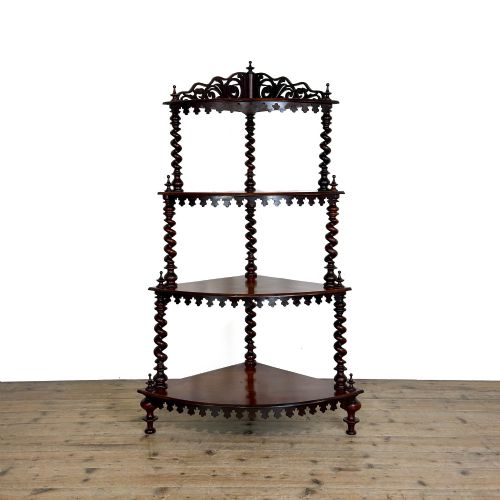
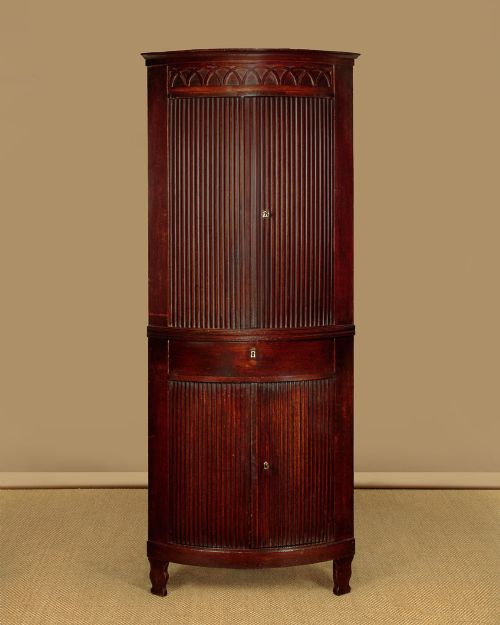
Storage pieces dominate the offerings, particularly bow front chests of drawers, secretaire Wellington chests, and corner cupboards. Smaller occasional items such as nests of tables and four tier what-nots appear alongside substantial seating like armchairs, carvers, and settees.
Materials and Technique
Makers utilised solid mahogany and flame mahogany veneer over structural timbers such as oak, applying brass handles, locks, and castors for hardware. Glass panels feature in bookcase doors, while fabric upholstered seats appear on window seats, carvers, and settees.
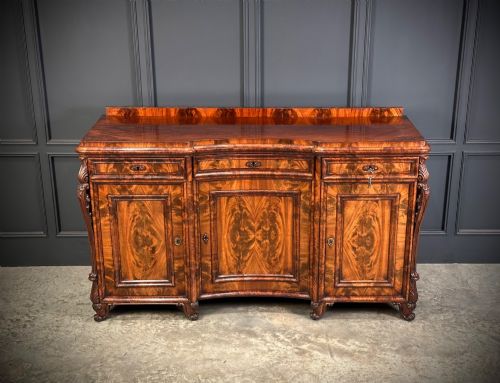
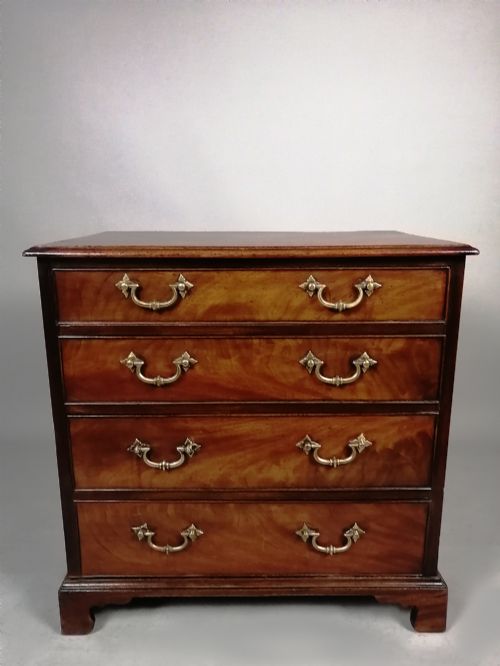
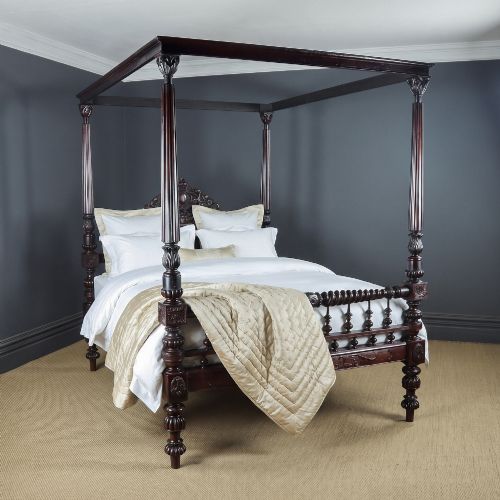
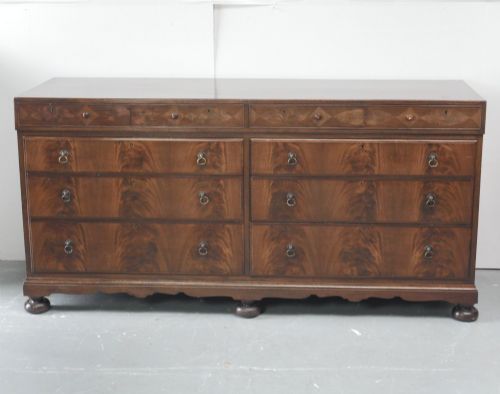
Cabinetmakers deployed flame mahogany veneer to create striking grain patterns on drawer fronts and cabinet doors, contrasted with solid sections for frames and legs. Construction methods rely on traditional joinery, bracket feet, and turned or carved supports including barley twist columns.
The furniture spans forms including chests of drawers, bookcases, desks, washstands, sideboards, window seats, and smoking stands.
Factors of Distinction
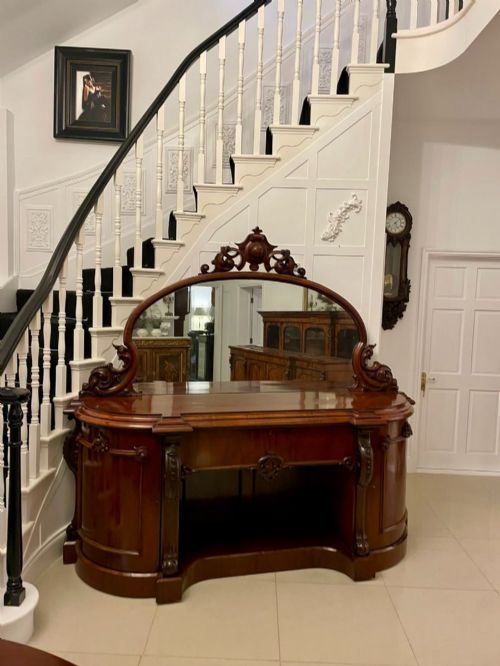
Superior examples demonstrate careful selection of timber figures, where symmetrical flame mahogany veneers are matched across drawer fronts and cabinet doors. The depth of the natural polish and the crispness of carved details, such as bracket feet or mirror back frames, separate exceptional pieces from simpler utilitarian items.
Construction integrity governs the hierarchy, evident in drawer linings made of secondary timbers, original brass hardware, and the smooth operation of sliding mechanisms like brushing slides or locking flaps. Secondary woods and internal secondary construction reveal the underlying standard of the workshop.
Whytock & Reid·T & G Seddon·GM Elwood for JS Henry·Trollope & sons
The Dark Mahogany Furniture Glossary
- Flame mahogany
- A veneer cut from the branch junction of the mahogany tree, producing a distinctive fire-like mottled pattern. Cabinetmakers reserved this timber for the most prominent display surfaces on chests and cabinets.
- Brushing slide
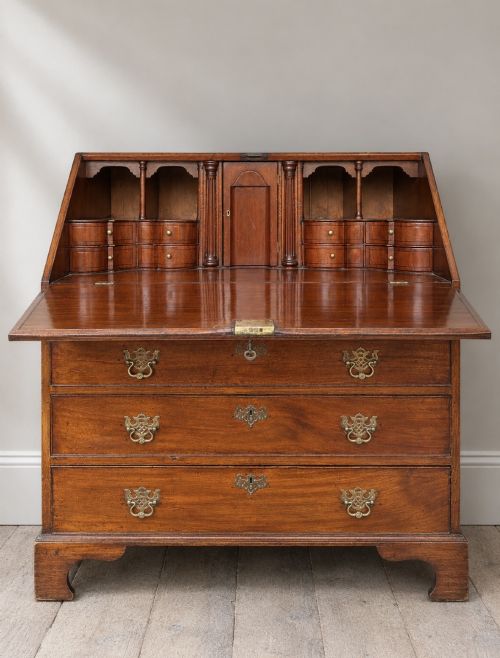
- A pull-out shelf integrated into the upper section of a chest of drawers or bureau. Users pulled this sliding board forward to write letters or brush garments without opening the main drawers.
- Wellington chest
- A tall, narrow chest of drawers secured by a hinged vertical locking flap on one side. This wooden locking bar engages with a single key to secure every drawer simultaneously.
- What-not
- An open set of tiered shelves designed for displaying books, ornaments, or collections. These freestanding or corner stands utilise slender vertical supports.
- Linen press
- A tall storage cabinet featuring sliding trays or shelves in the upper section and deeper drawers below. Households used these pieces to store household linens flat before the adoption of hanging wardrobes.
- Dumb waiter
- A tiered revolving or stationary stand placed beside a dining table. Diners used these multi-level stands to hold serving dishes and tableware without requiring constant servant attendance.
Dark Mahogany Furniture: Frequently Asked Questions
What is flame mahogany?
Flame mahogany is a highly decorative veneer harvested from the fork where a tree branch meets the trunk. The grain creates a swirling, flame-like pattern that catches the light differently depending on the viewing angle.
Cabinetmakers prized this figure for the principal visual surfaces of formal furniture, such as drawer fronts and cupboard doors. They matched opposing sheets of veneer to create symmetrical patterns across the face of a piece.
How do I care for dark mahogany furniture?
Maintenance involves keeping timber away from direct heat sources and strong sunlight, which can dry out the wood and fade the rich polish. Regular dusting with a soft, dry cloth preserves the finish without building up heavy wax residues.
Applying a traditional beeswax polish occasionally helps nourish the surface and maintain the deep lustre of the wood. Avoid using modern silicone sprays, as they penetrate the grain and damage antique finishes permanently.
Were these pieces used in specific rooms?
Chest of drawers and tallboys originated in bedrooms for personal apparel, while bookcases and bureau desks furnished studies and libraries. Dining rooms accommodated sideboards, dumb waiters, and extending tables for entertaining.
Smaller items like window seats and smoking stands occupied hallways, drawing rooms, and smoking rooms respectively. Many forms were adaptable and moved between rooms according to changing domestic requirements.