

Dark Mahogany Extending Table
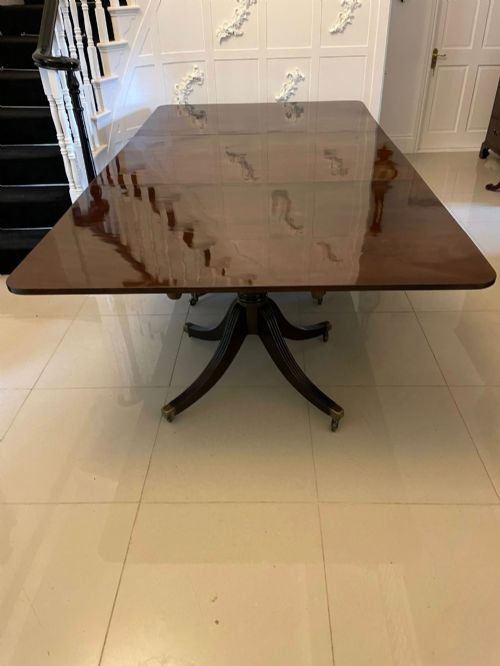
A dark mahogany extending table is a versatile dining piece built for large gatherings, prized for its deep timber grain and practical expanding mechanism.
Dark Mahogany Extending Table
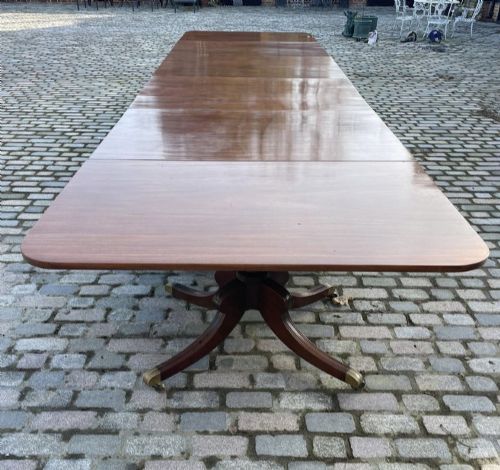
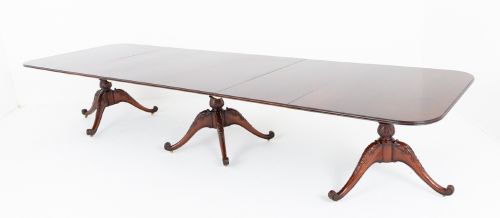
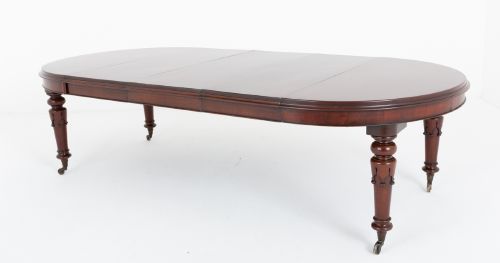
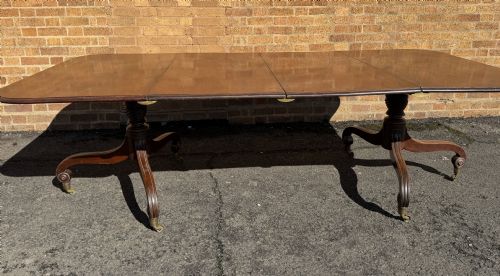
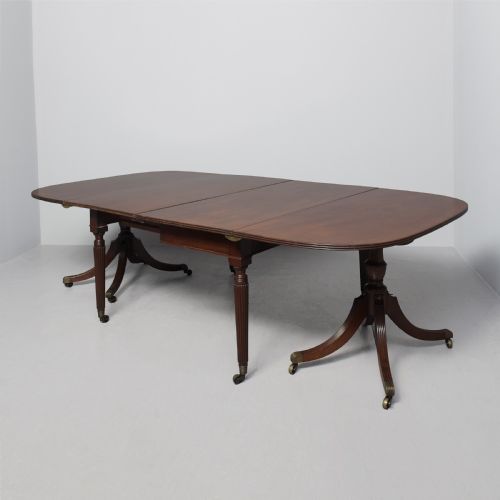
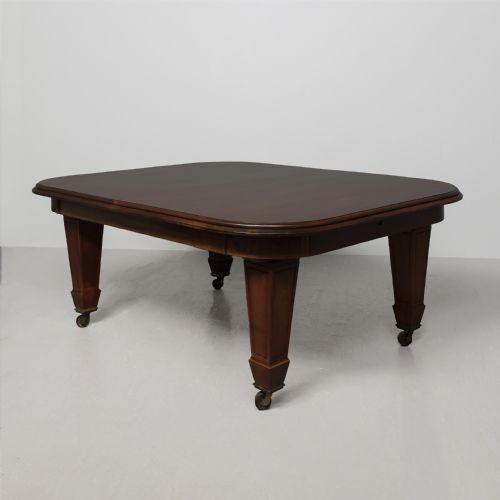
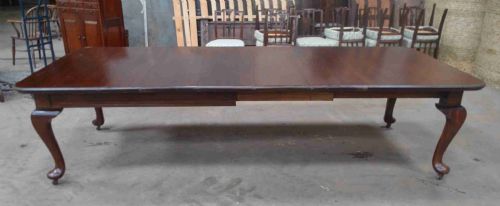
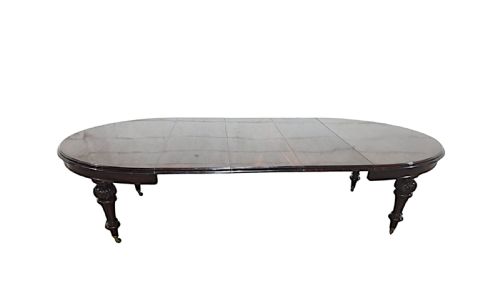
A dark mahogany extending table serves as the centrepiece for formal dining rooms, accommodating both intimate family meals and large dinner parties. When searching for a dark mahogany extending table, buyers encounter various historical iterations spanning the Georgian, Regency, William IV, and Victorian eras, alongside later revival pieces.
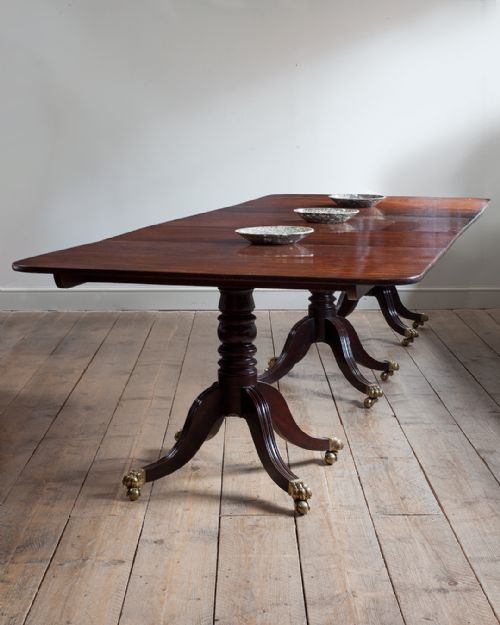
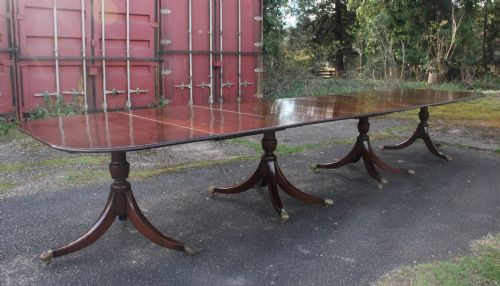
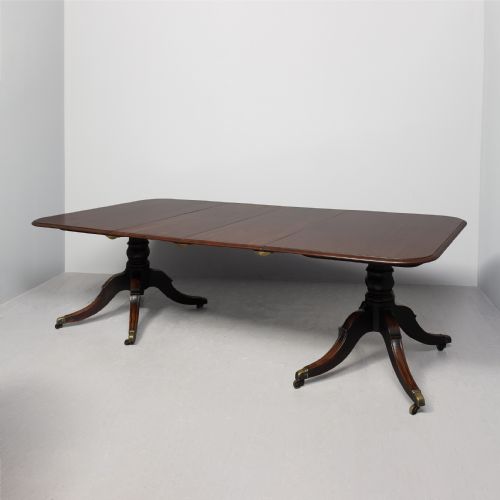
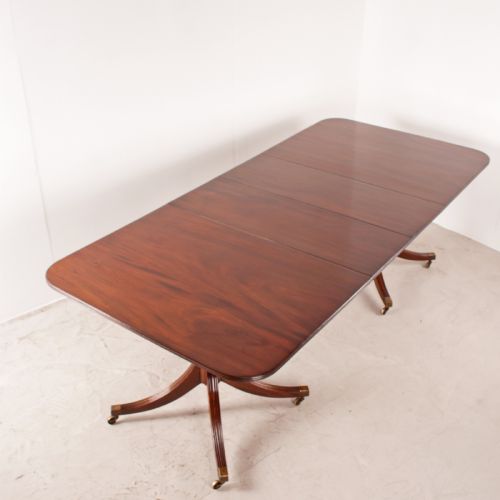
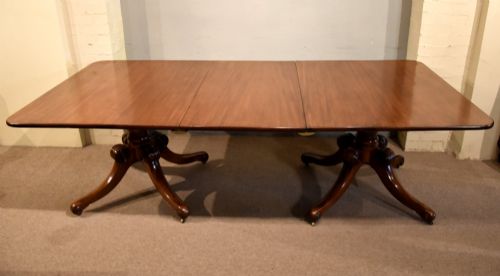
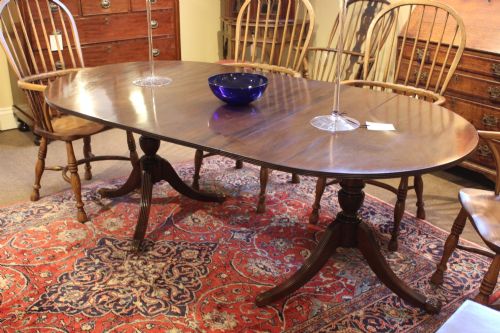
The architectural layout typically relies on pillar and pedestal designs, often featuring twin, triple, or four pedestals that support substantial timber leaves. Drop-leaf and draw-leaf variations also appear, offering flexible configurations for different spatial requirements within the home.
Origins trace from the late 18th century through the 19th century and into early 20th-century revival workshops. These pieces frequently incorporate D-ends or circular formats that separate to receive additional leaves, operated by internal wind-out mechanisms.
Evaluating the Build
Quality rests in the selection of the timber, particularly the depth of the figured mahogany grain on the top surfaces and leaves. The integrity of the internal extending mechanism dictates how smoothly the table expands and contracts.
Proportion and weight distribution across the pedestals determine stability when fully extended to seat numerous guests. Superior examples exhibit precise matching of grain across added leaves and robust, stable pedestal bases with original brass hardware.
Some grand dining tables stretch past twenty seats, requiring a marathon walking effort just to pass the salt down the mahogany.
Gillows of Lancaster
The Dark Mahogany Extending Table Glossary
- Pedestal
- A central support column, often branching into multiple carved legs that rest on castors. These pillars hold the weight of large dining surfaces.
- D-End
- A table end shaped like a semi-circle resembling the letter D, often used in modular dining suites to form circular or oval configurations.
- Wind-out Mechanism
- An internal mechanical gear system operated by a handle that expands the table frame to insert leaves.
- Figured Mahogany
- Timber cut from specific sections of the tree displaying intricate, mottled, or flame-like grain patterns.
- Draw Leaf
- A table design where extension leaves slide out from underneath the main top surface.
Dark Mahogany Extending Table: Frequently Asked Questions
How do I operate the extending mechanism?
Most period examples utilise a winding handle inserted into the side apron to part the timber sections. Once separated, matching leaves drop into the central gap and the mechanism winds shut to secure them.
Ensure the brass clips underneath are fastened to hold the leaves firmly in place and prevent movement during dining.
How do I care for a mahogany dining surface?
Maintain the finish by dusting regularly with a soft cloth and applying beeswax periodically to nourish the timber grain. Avoid placing hot dishes or wet glasses directly on the polished surface to prevent rings and marks.
Keep the table away from direct sunlight and strong heat sources to prevent the mahogany from drying out or splitting.
How do I distinguish a Georgian table from a Victorian one?
Georgian and Regency tables often display lighter proportions, elegant pillar turnings, and subtle brass details dating around 1800. Victorian versions tend to be heavier, larger in scale, and feature more robust pedestals designed to seat ten or more guests.
Examining the construction of the underside and the thickness of the mahogany top helps confirm the period of manufacture.
Can I seat extra guests with removable leaves?
Tables designed with multiple leaves allow you to adjust the length according to your dining capacity. Original leaves are constructed to match the grain and colour of the main top when inserted.
Store unused leaves in a flat, dry environment with consistent temperature to prevent warping between gatherings.