



Dark Horse Portrait Painting
These dark horse portrait painting works capture equine subjects across centuries, offering buyers strong examples of sporting and fine art traditions.
Dark Horse Portrait Painting
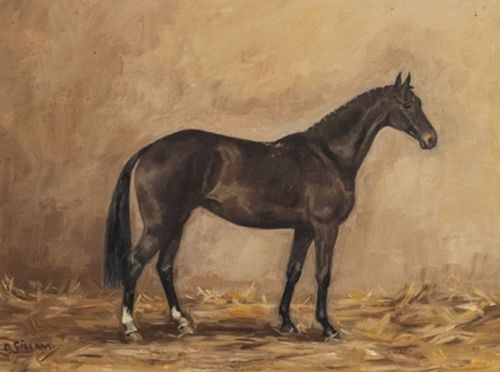
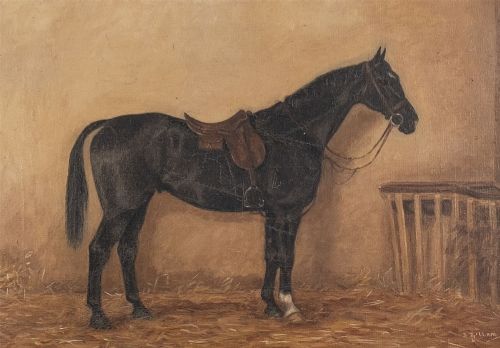
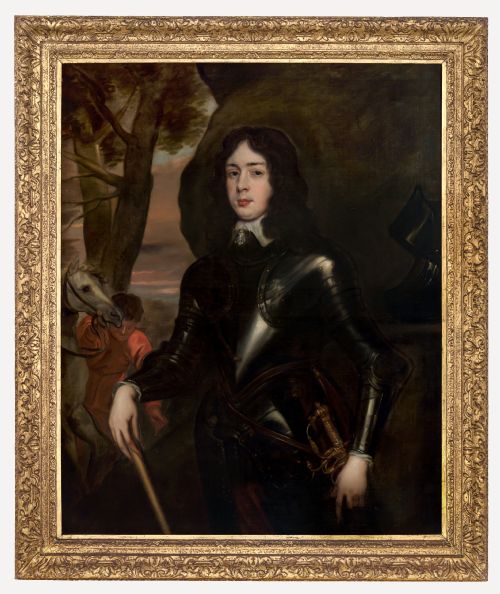
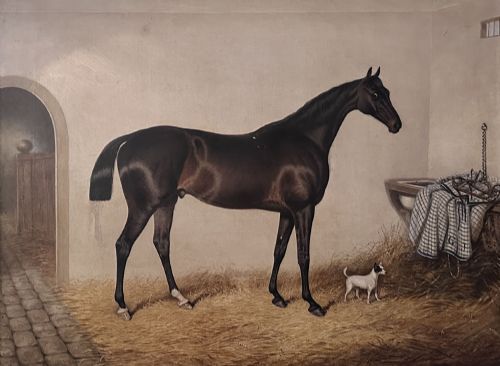
A dark horse portrait painting brings together historical equine subjects and traditional oil or panel techniques, spanning periods from the seventeenth century through to the Edwardian era. Buyers seeking these works encounter representations ranging from individual bay and black hunters to champion animals and military chargers.
The selections on this page feature oils on canvas and wood panel, alongside nineteenth-century works created with watercolour and gouache media. Common stylistic categories include Victorian realism, British sporting art, and seventeenth-century Baroque influences.
Many pieces present single subjects such as named horses, while others place the animal alongside handlers, stable yards, or military officers. These works reflect both domestic sporting interests and formal equestrian portraiture traditions.
Materials and Construction Methods
Artists working on these pieces utilised oil paint applied to prepared canvas supports or wood panels, building up layers to render the musculature and coats of the animals. Giltwood frames frequently house these works, providing traditional borders that complement the painted surfaces.
Watercolour and gouache on paper also appear within the selection, offering alternative handling for detailed equestrian and stable scenes. These techniques rely on precise brushwork to capture light and texture across both animal subjects and background elements.
Dark Horse Portrait Painting Retail Price Guide 2026
Typical asking prices for dark horse portrait painting among the pieces listed under this phrase on Sellingantiques today, from the lower quarter to the upper quarter. They describe what is for sale here now, not the wider market.
Listings feature works from the 17th Century, 18th Century, 19th Century, Victorian, Edwardian, and 1920 periods utilising canvas, oil paint, oak, wood, and giltwood.
Distinguishing Quality in Equestrian Works
The standard of execution in a dark horse portrait painting depends heavily on the artist's anatomical accuracy in rendering the horse and the handling of light across the coat. Stronger examples demonstrate careful proportion in the subject and effective integration with the background landscape or interior.
Condition of the canvas, panel, and original paint layers influences the integrity of the piece over time. Works retaining their period frames and clear provenance alongside legible signatures or attribution offer deeper historical context for collectors.
C W Tuck·W Williams·W A Clark·Walter Herbert Wheeler·Abraham Cooper
The Dark Horse Portrait Painting Glossary
- Canvas
- A heavy woven fabric used as a surface for oil painting, stretched across a wooden frame. This material became standard for portable paintings from the sixteenth century onward.
- Giltwood
- Wood carved and coated with a thin layer of gold leaf or gold paint. This finish frequently decorates period picture frames.
- Baroque
- A European artistic style of the seventeenth and early eighteenth centuries characterised by drama, tension, and rich detail. Works in this style often employ deep chiaroscuro lighting.
- Gouache
- An opaque water-based paint consisting of pigment, water, and a binding agent such as gum arabic. It produces a flat, matte colour finish different from transparent watercolour.
Dark Horse Portrait Painting: Frequently Asked Questions
What periods do these horse paintings come from?
The available selection spans several centuries, beginning with seventeenth-century Baroque works and extending through the eighteenth century, the Victorian era, and into the Edwardian period and nineteen-twenty.
Buyers will find examples representing distinct historical movements such as British sporting art and Victorian realism within these dates.
Are these paintings created with oil on canvas?
Many of the pieces utilise oil paint applied to canvas supports, while others are painted on wood panels or executed in watercolour and gouache media.
Each listing specifies the particular materials employed by the artist for that individual work.
What subjects appear alongside the horses?
While many works focus entirely on a single horse, others include stable hands, dogs, military officers in armour or uniforms, and architectural backgrounds such as stables or landscapes.
These surrounding elements provide context regarding the era and purpose of the commission.
How are the works framed?
Several pieces are housed in period giltwood frames that match the age and style of the painting.
These frames range from simple wooden mouldings to ornate gilded designs characteristic of their respective centuries.