

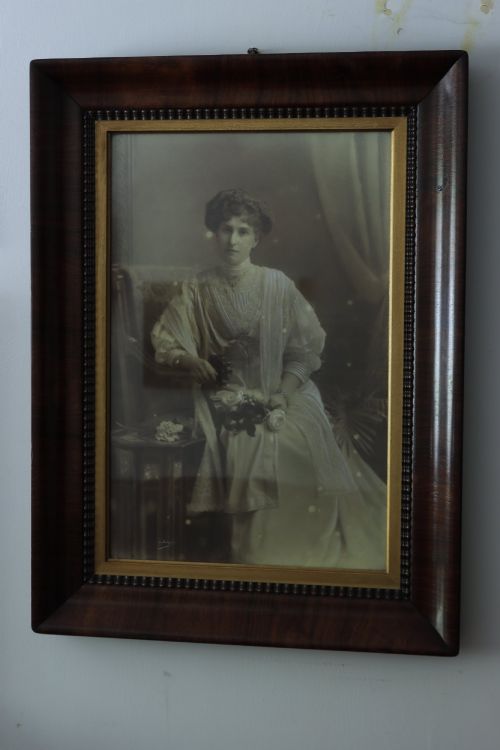


Dark Framed Portrait Prints
Dark framed portrait prints encompass centuries of likenesses captured in ink, pigment, and glass.
Dark Framed Portrait Prints
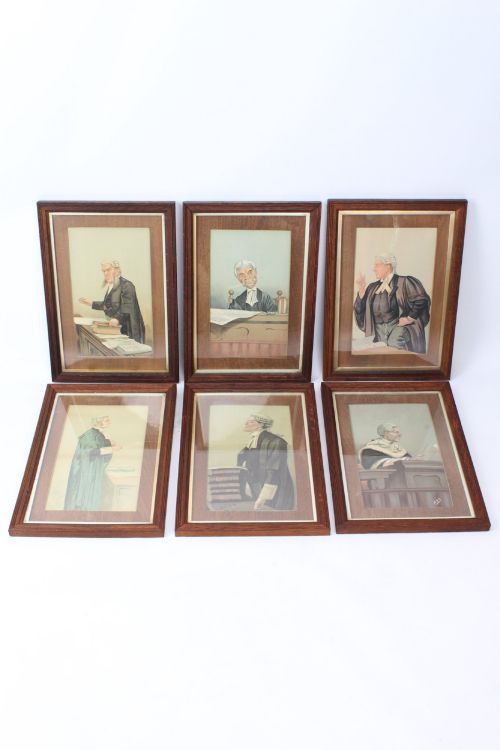
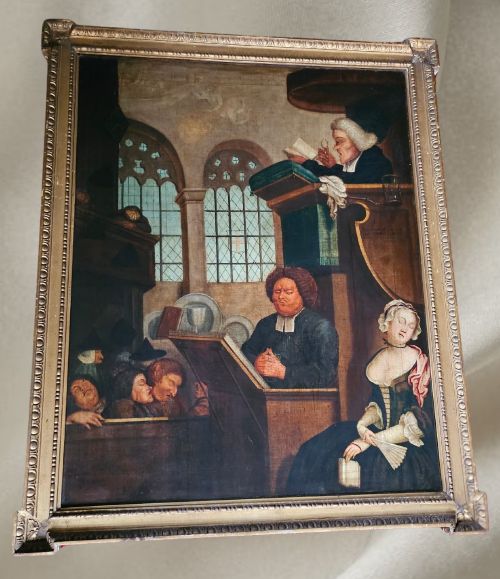
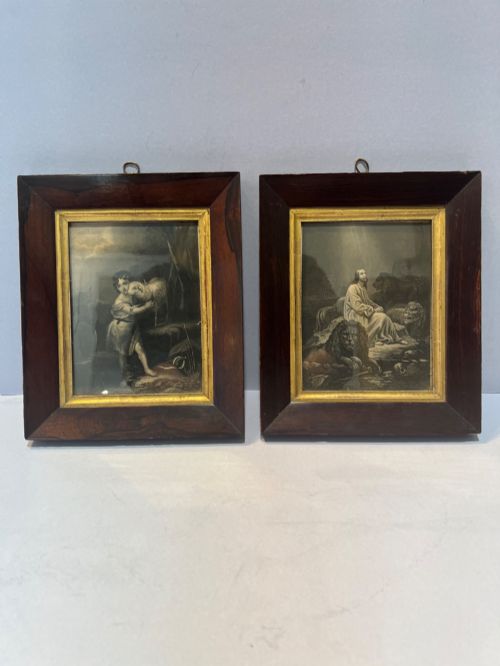
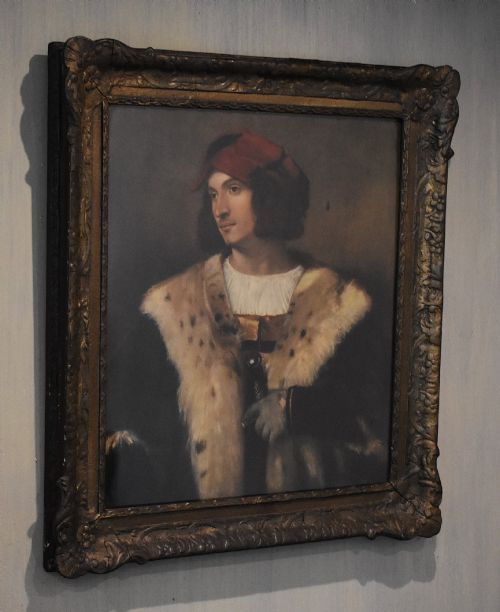
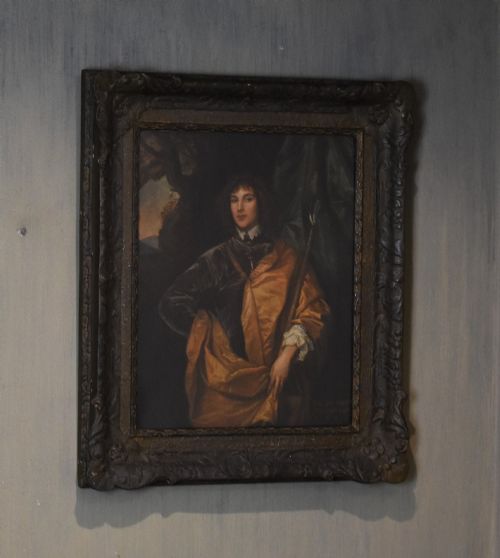
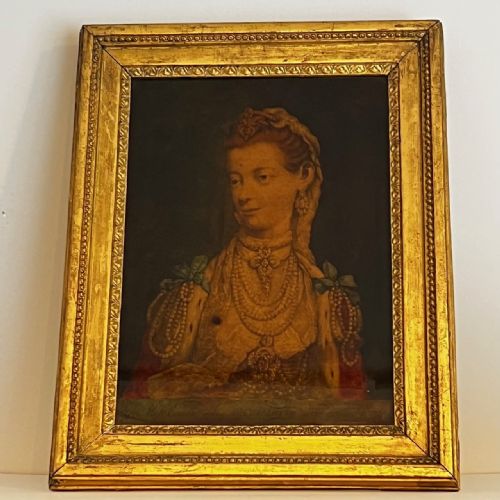
Dark framed portrait prints bring historical faces into interior spaces through various printmaking techniques. When you search for dark framed portrait prints, you encounter works spanning the eighteenth, nineteenth, and early twentieth centuries. These pieces present subjects ranging from nobility and military figures to literary icons and children.
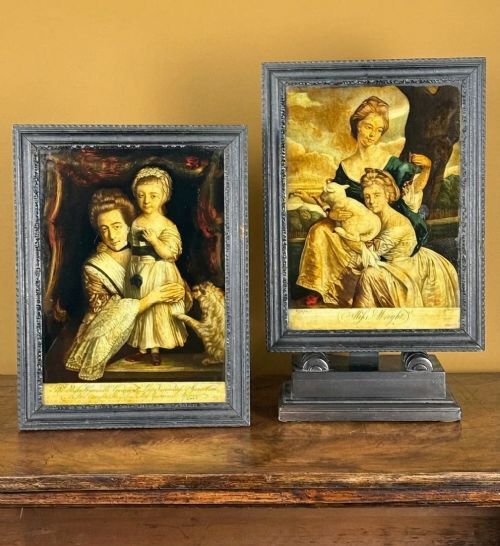
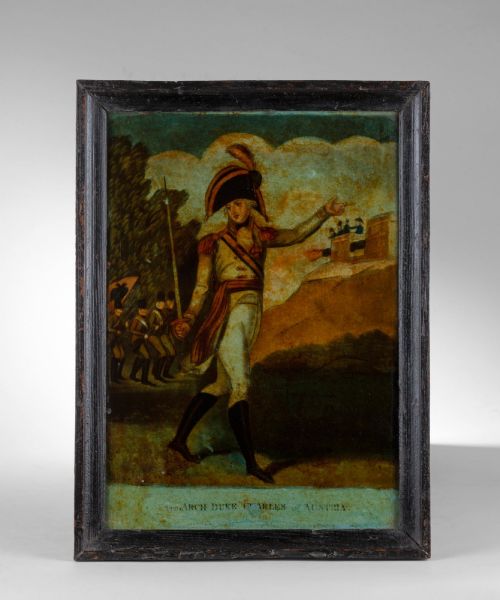
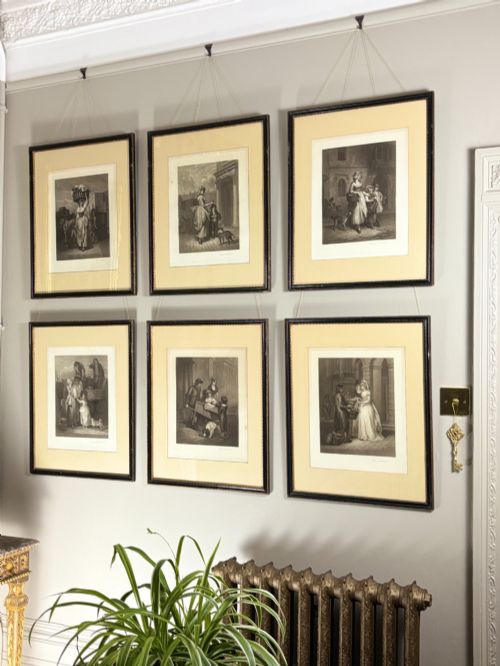
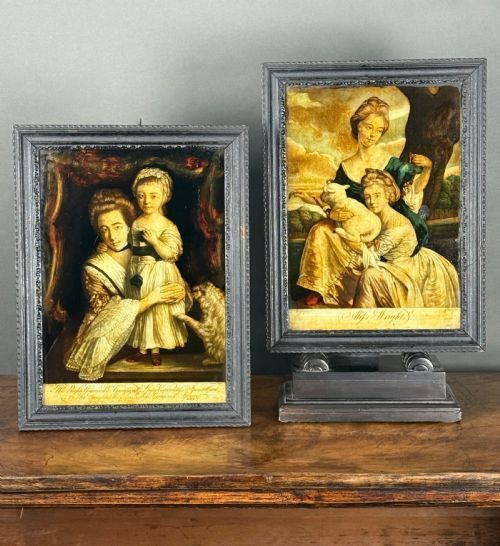
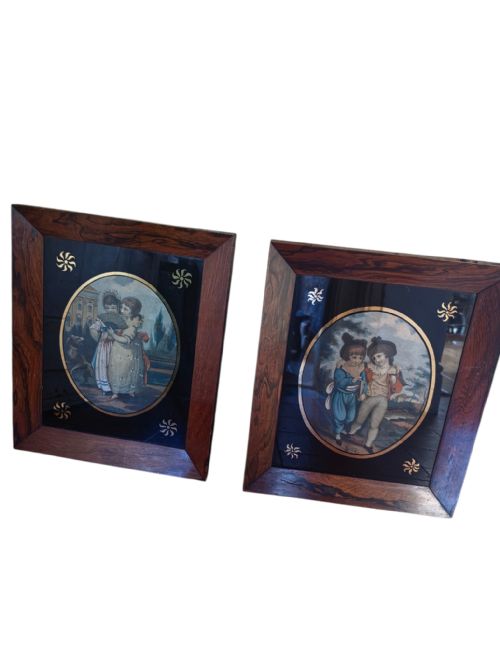
Georgian and Regency reverse glass prints appear alongside Victorian chromolithographs and Edwardian sets. Rosewood frames frequently enclose these portraits, providing the characteristic dark border that defines the aesthetic. Buyers find everything from single cabinet pieces to coordinated pairs and larger decorative sets.
Materials and production methods
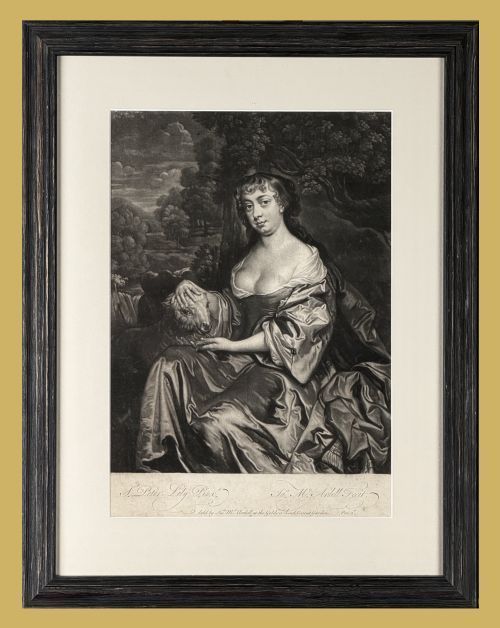
Makers utilised paper, ink, and pigment applied through traditional printmaking methods such as mezzotint, engraving, and lithography. Reverse glass prints required transferring or painting the image directly onto the reverse side of a glass sheet, often incorporating gold leaf for added luminance. Wood and rosewood formed the structural surrounds, creating the signature dark framing that protects the delicate surfaces.
Master engravers and mezzotinters worked copper plates by hand using rockers, burins, and etching acid to achieve tonal depth and fine lines. Once printed, makers mounted the works using silk brocades or simple paper mats before securing them beneath glass. The resulting objects combined skilled print chemistry with robust cabinetmaker framing.
Dark Framed Portrait Prints Retail Price Guide 2026
Typical asking prices for dark framed portrait prints among the pieces listed under this phrase on Sellingantiques today, from the lower quarter to the upper quarter. They describe what is for sale here now, not the wider market.
Indicators of quality
Quality rests upon the crispness of the impression and the fidelity of the print to the original source painting. Early impressions taken before copper plates wore down exhibit sharp details and rich contrasts in the ink. Later restrikes tend to lose subtle gradations in shadow and facial expression.
The craftsmanship of the housing significantly influences the overall standard of the piece. Rosewood and period wood frames with original glass and backing materials retain greater historical integrity than later replacements. The delicacy of the hand-applied pigment in reverse glass examples also separates standard workshop output from finer artisan commissions.
Thomas G Appleton·James Macardell·Herbert Dicksee·Jules Le Roy·Arthur Hacker
The Dark Framed Portrait Prints Glossary
- Mezzotint
- A printmaking process where the copper plate is roughened uniformly to produce rich dark tones and smooth gradations of light. This method allowed eighteenth-century printmakers to translate oil paintings into deeply atmospheric monochrome prints.
- Reverse glass print
- An image painted, transferred, or printed onto the underside of a glass panel so that the final picture is viewed through the transparent sheet. This technique imparts a glossy finish and protects the pigments from atmospheric degradation.
- Engraving
- A method of cutting design lines directly into a metal plate using a hardened steel tool called a burin. The resulting incisions hold ink under pressure to transfer sharp, enduring lines onto paper.
- Chromolithography
- A planographic colour printing technique utilising multiple limestone blocks, one for each ink hue. This process enabled Victorian makers to produce vibrant multi-coloured reproductions of paintings.
- Drypoint etching
- A printmaking technique where an artist scratches lines directly into a metal plate with a sharp needle stylus. This action raises a delicate metal ridge called a burr, which holds extra ink to create velvety, soft-edged lines.
Dark Framed Portrait Prints: Frequently Asked Questions
What are dark framed portrait prints?
These works are historical printed likenesses set within dark wood or rosewood mouldings. They include mezzotints, engravings, and reverse glass pictures originating from the eighteenth century onward.
They served as domestic decoration and commemorative items in historic homes. Today, collectors hang them to introduce classical portraiture and period character into modern interiors.
How do you date a portrait print?
Dating relies on the printing technique, the style of the clothing depicted, and the construction of the frame. Eighteenth-century examples often utilise mezzotint or reverse glass methods, while Victorian pieces feature chromolithography or photography.
Paper stock, plate marks, and framing materials also offer clues to the era of production. Examining the backing boards and fixings helps confirm whether the frame and print remain together from their original period.
What is a reverse glass portrait?
A reverse glass portrait is an image created directly on the back surface of a glass sheet. Artists applied ink and pigment in reverse order, painting highlights before background details.
When viewed from the front, the glass protects the artwork while providing a polished sheen. This technique was particularly popular during the Georgian and Regency periods for reproducing famous paintings.