
Dark Framed Painting
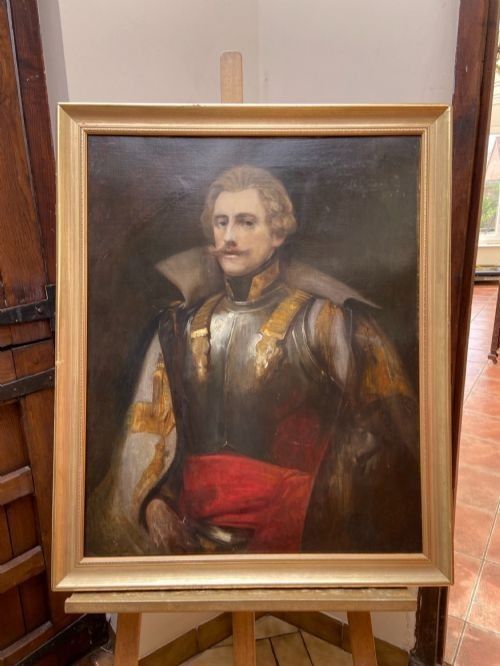
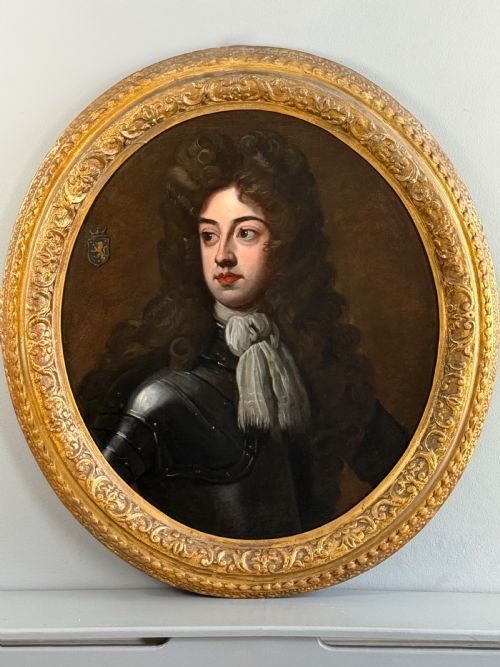
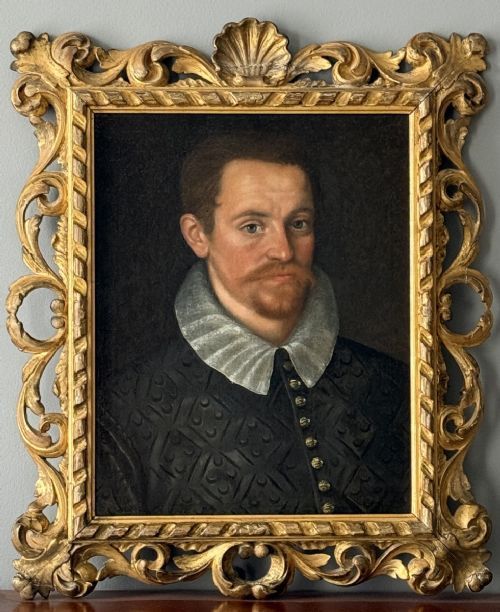
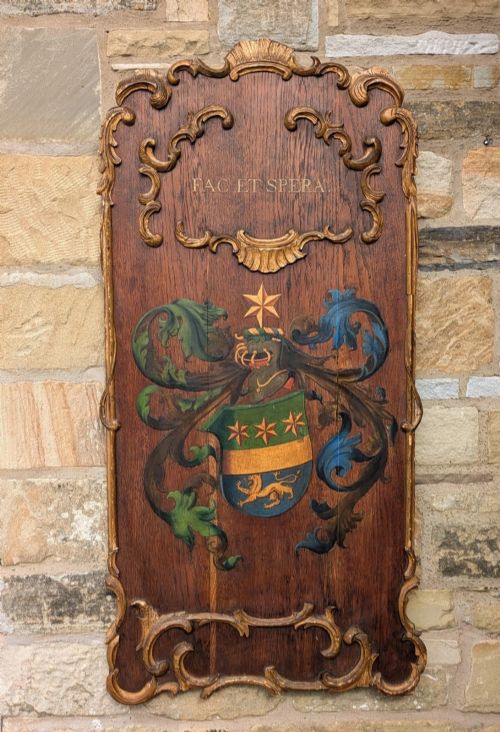
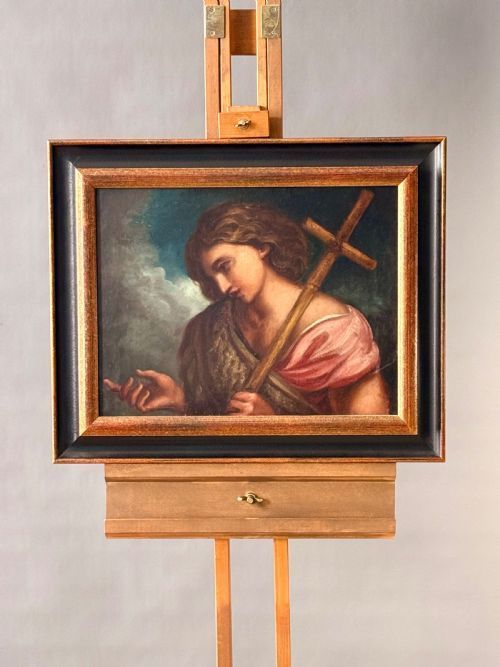
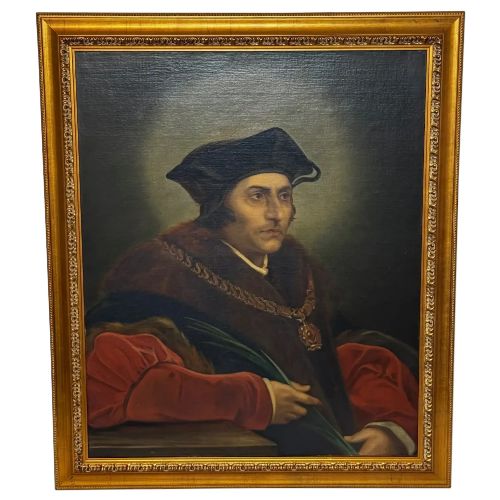
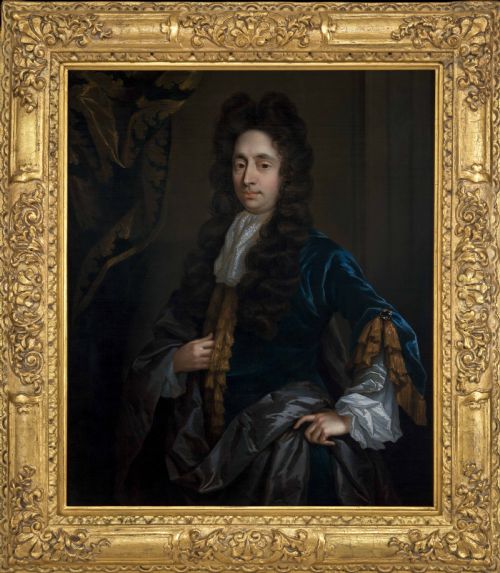
A dark framed painting brings focus and depth to a room, drawing the eye directly into historic portraiture and classical still life.
Dark Framed Painting
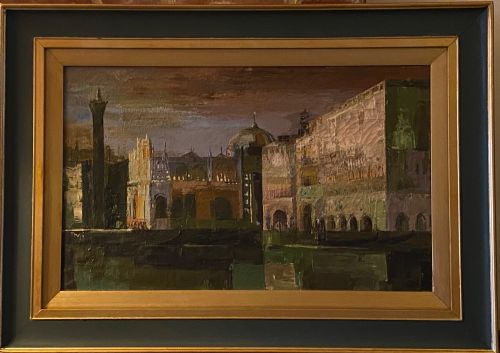
A dark framed painting involves historic artworks encased in deep wood or gilded mouldings that complement the moody tones of the canvas. When searching for a dark framed painting, collectors encounter pieces spanning from the seventeenth century through to the Victorian era.
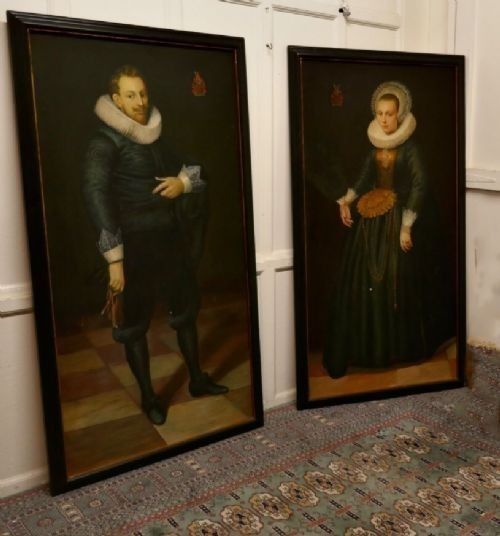
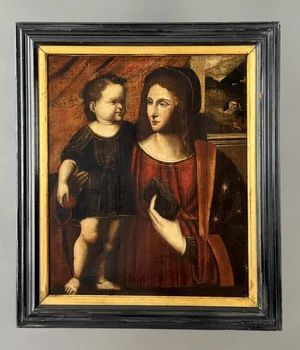
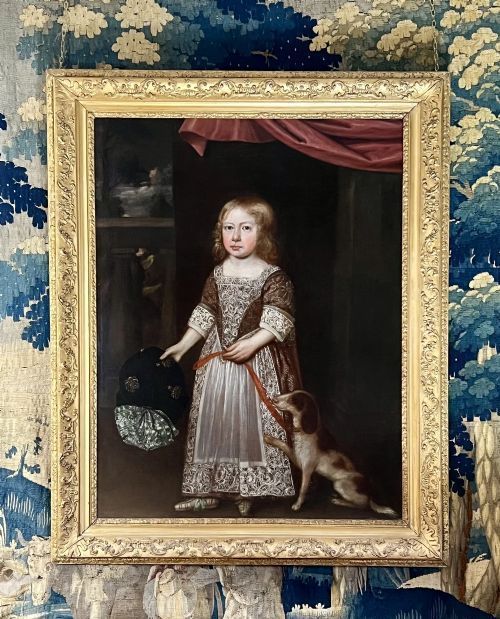
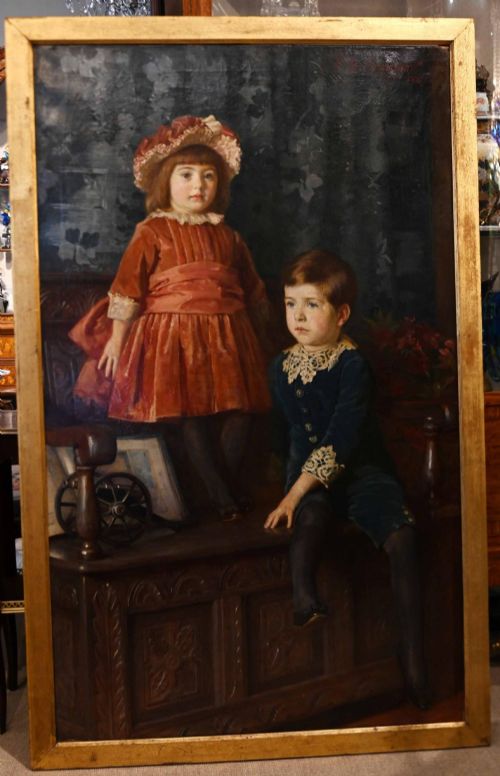
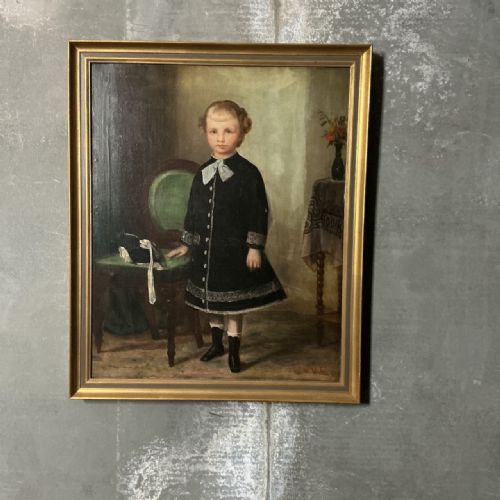
The selection here leans heavily towards portraits and old master works executed in oil on canvas or panel. These traditional compositions often feature sombre palettes that harmonize naturally with heavy wooden borders.
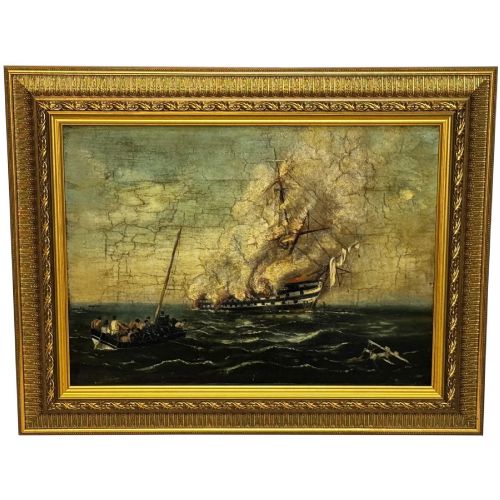
Alongside grand portraits of noblemen and judges, the selection includes maritime scenes, mythological subjects and botanical watercolours. Each piece relies on the contrast between the illuminated subject and the surrounding dark woodwork.
Materials and Techniques
Artists of these periods worked primarily with oil paint applied to stretched canvas or wooden panels, building up layers of pigment to achieve lasting depth. This traditional medium allowed for subtle shifts in light and shadow, particularly suited to dramatic portraiture.
The frames themselves were constructed from solid wood, frequently enhanced with giltwood, gold leaf or dark paint to create a formal boundary. Joinery techniques varied by century, utilising pegged mortise and tenon joints for the heavier surrounds.
Listings feature seventeenth-century oil paintings alongside nineteenth-century maritime rescue scenes and botanical watercolours.
Evaluating Quality
Quality in these works rests upon the precision of the brushwork and the expressive capability of the portraitist. Finer examples capture lifelike anatomical details and textiles with remarkable confidence, whereas lesser pieces display rigid lines and flat planes.
The relationship between the artwork and its border also dictates the merit of the piece. Superior examples retain original or period-correct frames that complement the scale and tonal weight of the canvas without overpowering the composition.
Charles Jervas·Sir Anthony van Dyck·Sir Godfrey Kneller
The Dark Framed Painting Glossary
- Oil on canvas
- Pigments bound in drying oil applied to a woven fabric support. This technique allowed artists to create rich textures and blend colours smoothly.
- Giltwood
- Wood carved and coated with a thin layer of gold leaf or metal powder. It provides a reflective contrast against darker painted mouldings.
- Old Master
- A term for a European artist of high skill working before about eighteen hundred. These pieces often carry deep historical resonance.
- Panel painting
- An artwork executed on a flat piece of wood rather than canvas. Oak and other hardwoods were common supports in earlier centuries.
- Provenance
- The documented history of ownership of an artwork. Clear records help establish the authenticity and background of a piece.
Dark Framed Painting: Frequently Asked Questions
How do I date a dark framed painting?
Dating relies on examining the stretcher construction, canvas type, and the style of the brushwork. Costumes and hairstyles depicted in portraits also offer clear clues to the decade of creation.
Frame construction provides additional evidence, as joinery methods and moulding profiles shifted considerably between the seventeenth and nineteenth centuries.
Where should I hang a dark framed painting?
These works suit rooms with neutral or subdued wall colours that allow the deep tones of the frame to stand out. Placing them away from direct sunlight protects the oil pigments from fading over time.
Consider eye-level placement in hallways or living spaces where the fine details of the portraiture can be appreciated at close range.
What is the difference between canvas and panel?
Canvas consists of woven fabric stretched over a wooden frame, offering a flexible surface that responds to humidity changes. Panel paintings use solid wood boards, providing a rigid support favoured in earlier European traditions.
Both surfaces received preparatory grounds before the artist applied oil paint, though panel works often survive with distinct crackled ageing patterns.
How do I care for an old oil painting?
Maintain a stable room temperature and avoid hanging the piece near heat sources that could dry out the wood or canvas. Dust the surface gently with a soft, dry brush without applying pressure.
Professional cleaning should be left to conservators, as household liquids can damage fragile historic varnish layers and underlying pigments.