



Dark Framed Marine Painting
A dark framed marine painting brings coastal weather, naval action and working shipping straight onto the wall.
Dark Framed Marine Painting
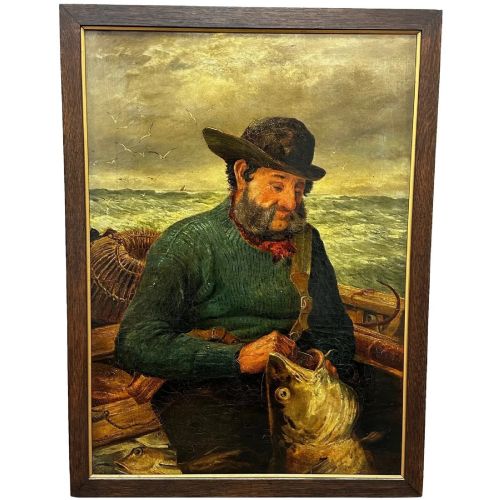
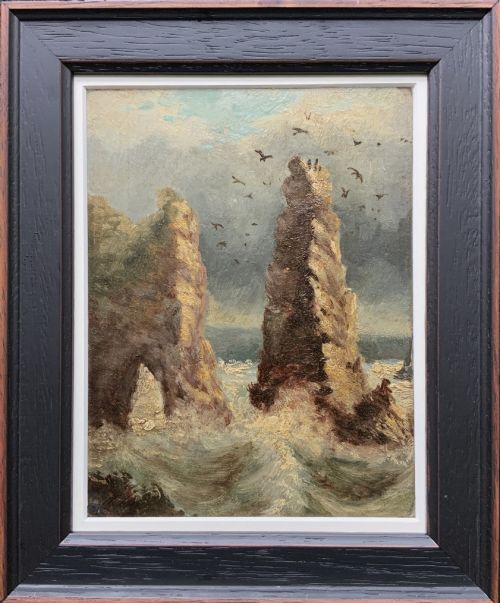
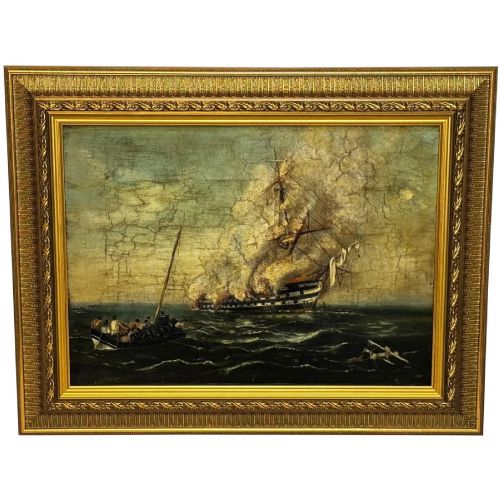
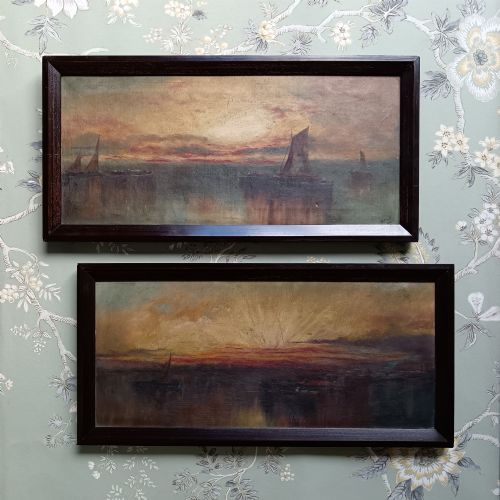
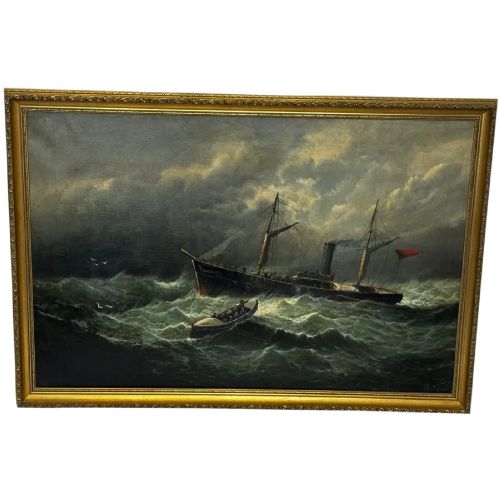
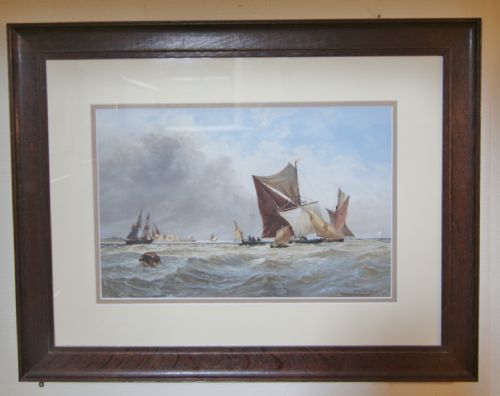
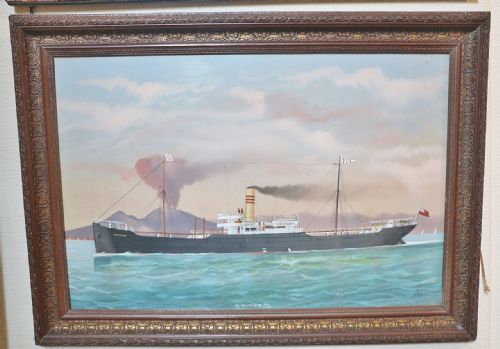
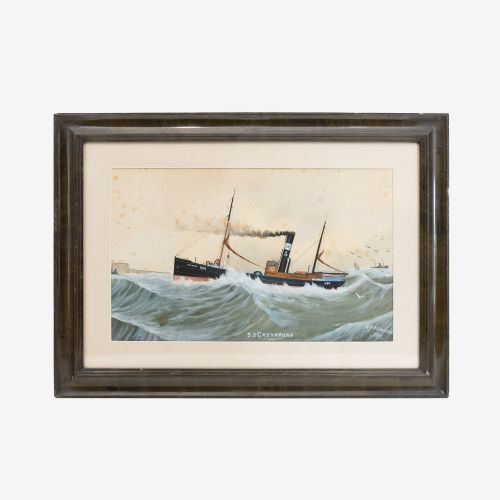
A dark framed marine painting captures maritime scenes enclosed in heavy timber, wood or gilt wood surrounds. These works range from early nineteenth-century harbour views and moonlight on the Medway to depictions of specific steamships and rescue operations.
The pieces on this page span the Georgian, Victorian and Edwardian eras, encompassing both dramatic oil paintings on canvas and detailed watercolours on paper. Buyers encounter everything from miniature coastal rocks to large seascapes signed by period artists.
Materials and construction
These works rely on oil on canvas, watercolour and gouache applied to paper, housed within timber and gilt wood frames. The physical build pairs traditional canvas stretchers with robust wooden mouldings that anchor the maritime subject matter.
Makers utilised glass to protect delicate watercolour and gouache works on paper, while oil paintings on canvas remained unglazed within their dark wooden housings.
Dark Framed Marine Painting Retail Price Guide 2026
Typical asking prices for dark framed marine painting among the pieces listed under this phrase on Sellingantiques today, from the lower quarter to the upper quarter. They describe what is for sale here now, not the wider market.
Several artists clearly braved choppy English waters themselves to capture the exact roll of a steamship off the coast.
Judging quality in maritime art
Quality rests on the precision of the brushwork and the artist's ability to render marine atmosphere, rigging and coastal architecture convincingly. Named painters with documented exhibition histories distinguish finer works from anonymous studio pieces.
The integrity of the frame and the preservation of the underlying canvas or paper surface dictate the overall standard. Original dark wooden frames that complement the age of the artwork carry greater historical cohesion.
TB Hardy·Richard Harry Carter·Hubert Thornley·James G Faulds·Alexander Harwood
The Dark Framed Marine Painting Glossary
- Seascape
- A work of art depicting the sea, coastal views or ships in open water. These form the core subjects of maritime paintings.
- Gouache
- An opaque water-based medium often combined with watercolour on paper. It provides solid areas of colour and sharp detail in ship portraits.
- Lugger
- A small two- or three-masted fishing vessel rigged with standing lugsails. They frequently appear in coastal and West Country scenes.
- Gilt wood
- Wood coated with a thin layer of gold leaf or gold paint. Many traditional marine paintings use dark wood combined with gilt inner rims.
- Provenance
- The documented history of ownership and origin of an artwork. It establishes authenticity and connects a painting to its maker.
Dark Framed Marine Painting: Frequently Asked Questions
How do I hang a heavy marine painting?
Secure the frame using appropriate wall fixings rated for the weight of timber and canvas. Heavy frames require direct placement into wall studs or heavy-duty masonry plugs.
Ensure the hanging wire or brass D-rings on the reverse are firmly attached to the wooden frame structure before mounting.
Are these paintings original period pieces?
The works originate from the Georgian, Victorian and Edwardian eras, executed in oil and watercolour during the periods stated. Each piece reflects the materials and techniques characteristic of nineteenth- and early twentieth-century marine art.
Signatures, framing styles and canvas types help establish the historical context of every artwork.
How should I clean a dark wooden frame?
Dust the timber gently with a soft, dry cloth to remove surface particles without disturbing the wood grain. Avoid liquid cleaners or polishes that can seep into cracks or damage original finishes.
If the frame includes gilt sections, take extra care to prevent rubbing the metallic surface.
Can I display these paintings in direct sunlight?
Direct sunlight causes fading in watercolours on paper and can dry out oil paints and wooden frames over time. Position paintings on interior walls away from south-facing windows to preserve the pigments.
Stable room temperatures prevent the canvas and wood from expanding and contracting.