



Wave Ocean Painting
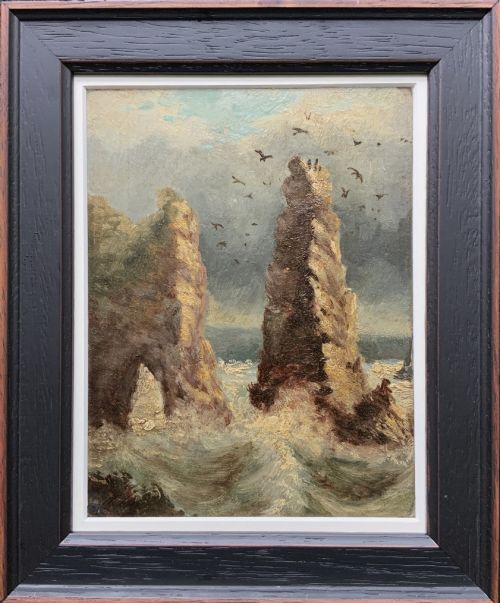
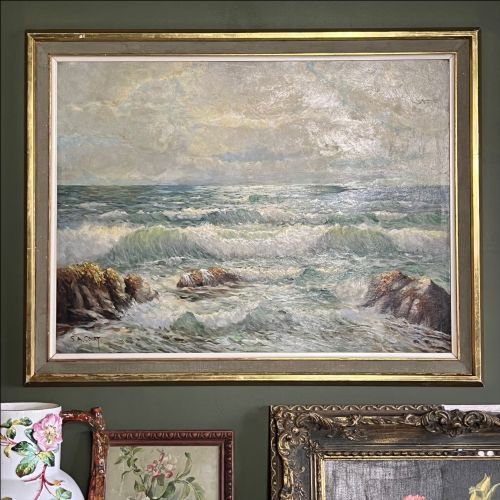
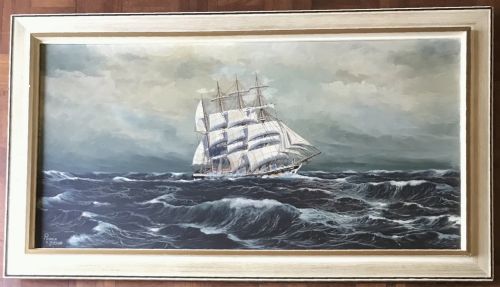
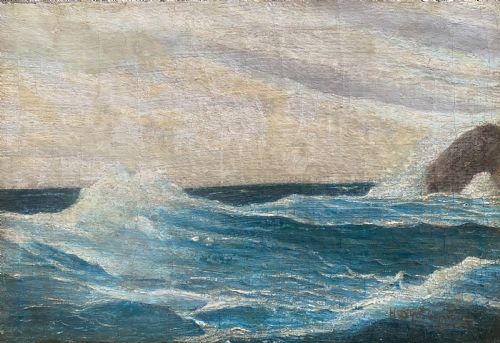
These wave ocean painting works capture coastal energy through maritime scenes rendered in oil and watercolour.
Wave Ocean Painting
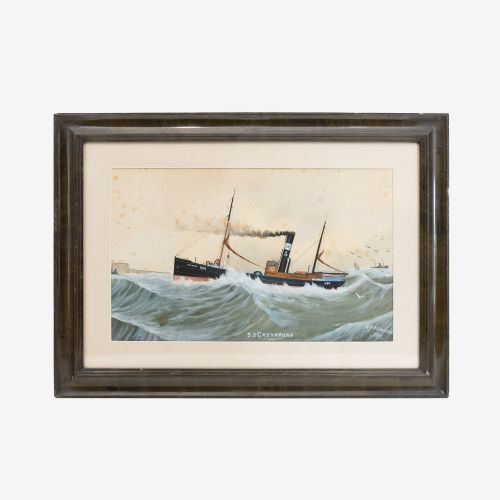
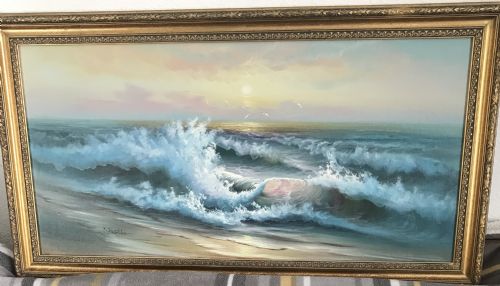
A wave ocean painting captures maritime energy and coastal environments across various historical periods. The selection includes works from the Victorian era through the mid-twentieth century, showing coastal views, stormy waters, and passing vessels.
You will encounter pieces executed in distinct regional styles such as British Impressionism, Russian Modernism, and Edwardian realism. Subjects range from Cornish shorelines and Manx coasts to dramatic open sea encounters.
The format varies from intimate watercolours on paper to large framed canvases. Maritime scenes feature prominently alongside specific coastal landmarks and named vessels.
How they were made
Artists deployed oil paint and watercolour on canvas, paper, or wood supports to build these maritime compositions. Works often incorporated gouache alongside watercolour to add opacity and highlight foaming water.
Painters utilised techniques ranging from en plein air observation for coastal Cornwall scenes to studio work based on maritime studies. Canvases frequently sit within period gilt or wooden frames.
Wave Ocean Painting Retail Price Guide 2026
Typical asking prices for wave ocean painting among the pieces listed under this phrase on Sellingantiques today, from the lower quarter to the upper quarter. They describe what is for sale here now, not the wider market.
Listings incorporate canvases, paper supports, and wood panels spanning the Victorian period through the nineteen-sixties.
What varies in quality
The strength of a piece rests in the artist's handling of atmospheric movement and the dynamic force of breaking water. Brushwork can range from tight realist descriptions of rigging and hulls to looser modernist interpretations of light and sea.
Provenance and signature clarity also distinguish works, with documented artist attributions providing stronger historical context. The integration of the support material with the medium dictates the longevity and visual impact of the surface.
Sidney A Court·Dubovsky·Alexander Harwood·Charles Napier Hemy·William Greaves·Herbert James·Montagu Barstow·Edmund Gouldsmith·Schubert
The Wave Ocean Painting Glossary
- En plein air
- Painting outdoors to capture direct observation of light and weather conditions. This method produces immediate records of coastal atmospheres.
- Gouache
- An opaque water-based medium often combined with watercolour. It provides dense highlights on churning water.
- Marine painting
- Artwork depicting ships, coastal views, and the open sea. It encompasses both historical naval engagements and shore scenes.
- Pierhead painting
- Port-side portraiture recording specific vessels entering or leaving harbour. These works served as records for ship owners and captains.
- Wash
- A thin, fluid layer of watercolour applied across paper. It establishes transparent skies and sea depths.
Wave Ocean Painting: Frequently Asked Questions
How do I date an antique wave painting?
Dating relies on stylistic clues, framing methods, and artist signatures recorded in the inventory. Costume, ship types, and technical execution also point to specific decades.
Paintings from the Victorian period display different handling compared to later twentieth-century modernist canvases. Comparing the signature to recorded active periods clarifies the timeline.
Where were these maritime scenes painted?
Artists worked both along British coasts, including Cornwall, Devon, and Yorkshire, and further afield in European waters. Many recorded specific locations such as Filey Brigg or Croyde Bay.
Others captured open ocean expanses or specific vessel movements near ports. En plein air practitioners worked directly facing the shoreline elements.
What is the difference between oil and watercolour sea paintings?
Oil paintings on canvas allow for heavy impasto and textured rendering of breaking waves. Watercolours on paper offer transparent washes suited to atmospheric coastal light.
Both mediums found favour among marine artists documenting maritime subjects. Gouache was often added to watercolours for denser surface highlights.
How should I frame and display a maritime painting?
Many works retain their original gilt or wooden frames, which complement the period aesthetic. Display locations should avoid direct sunlight to protect pigments on paper and canvas.
Maintaining stable room humidity prevents warping in wooden panels and canvas stretchers. Secure wall fixings are essential for larger framed oil paintings.