
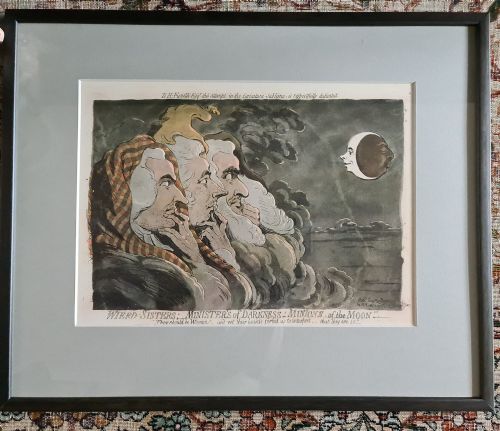


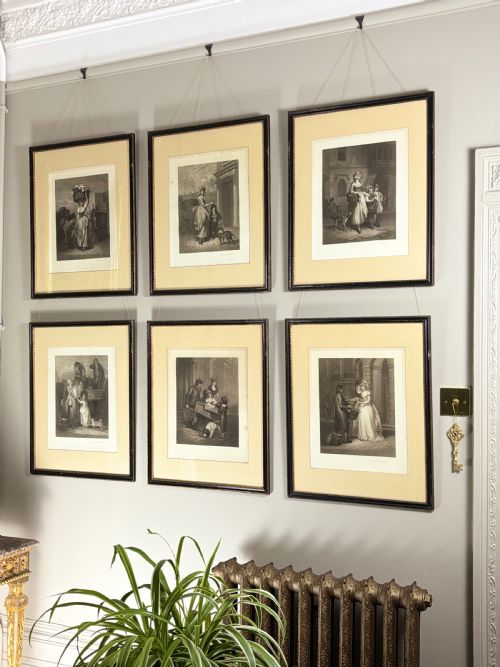


Dark Framed Georgian Print
A dark framed georgian print brings tactile depth and rich portraiture or sporting art to a wall through historic glass, paper, and timber.
Dark Framed Georgian Print
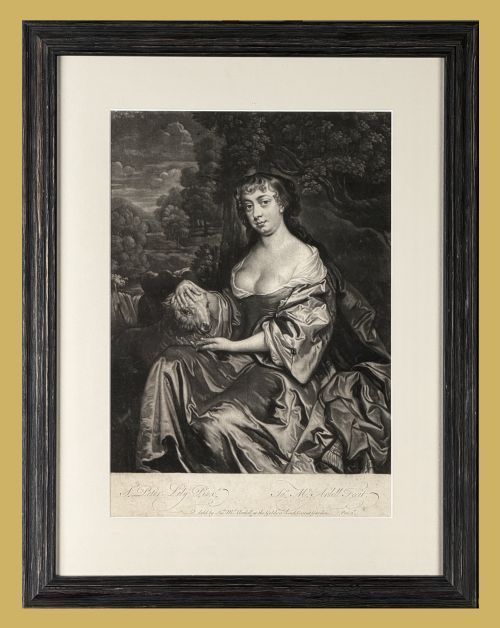
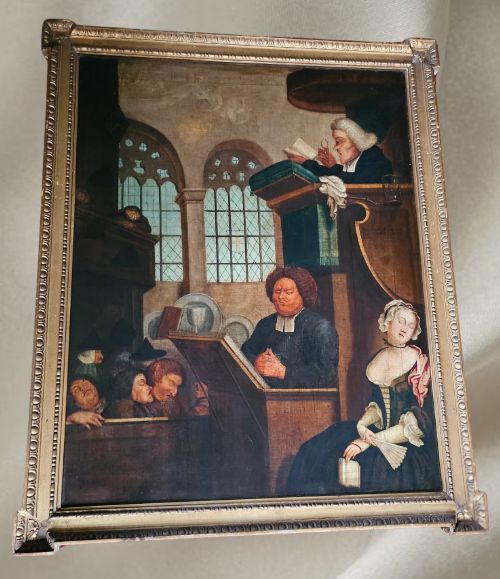
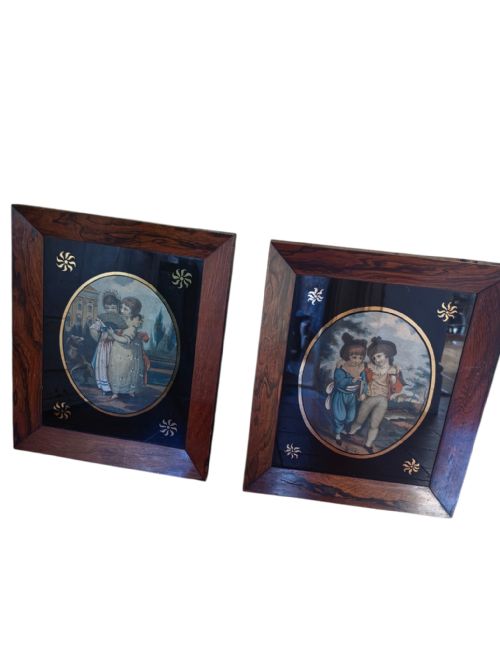
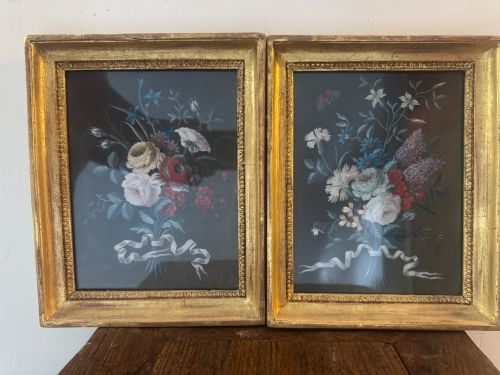
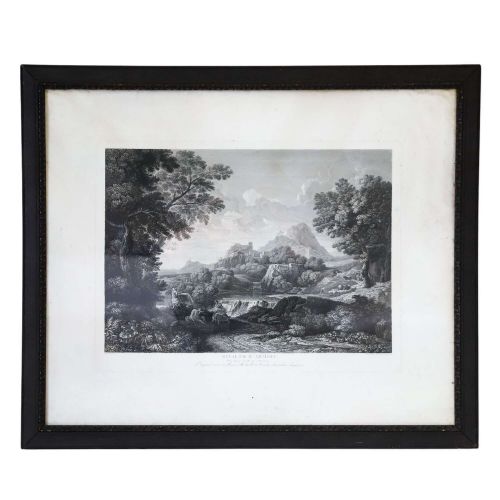
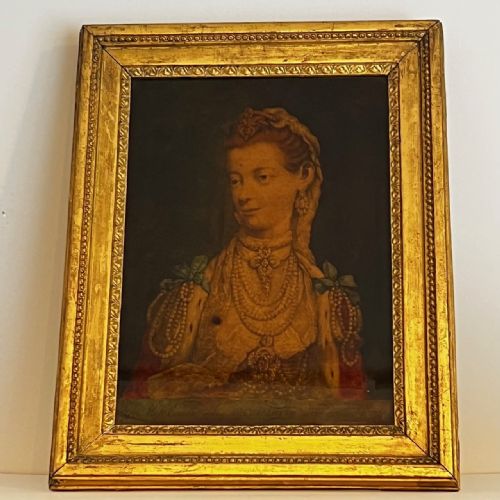
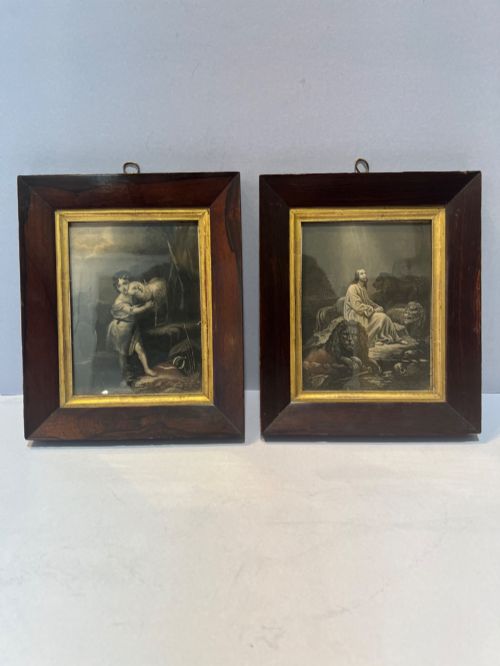
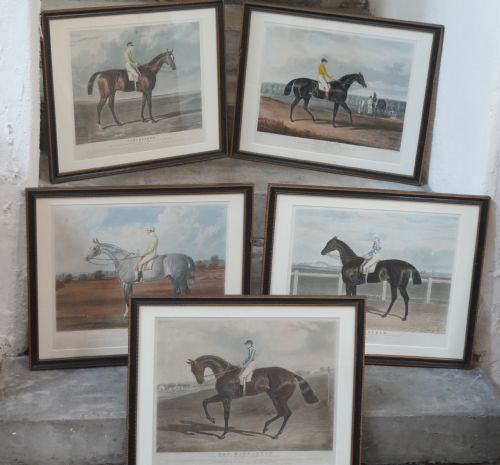
A dark framed georgian print gathers works from the eighteenth and nineteenth centuries, including mezzotints, engravings, aquatints, and reverse glass paintings. Wall art in this selection ranges from intimate portraits of countesses and duchesses to elaborate horse racing scenes and natural history studies.
Buyers frequently encounter pieces housed in rosewood or dark wood surrounds, alongside examples featuring gold leaf accents. The inventory spans varied aesthetic movements such as neoclassical, baroque, and equestrian sporting art.
Materials and construction
Makers utilised ink, pigment, paint, and oil paint on paper or glass surfaces to produce detailed imagery. Many works rely on precise copperplate printing techniques, while reverse glass prints involve applying paint directly to the underside of the pane.
Enclosing these works required sturdy wood and glass, sometimes complemented by gilding or eglomise borders to frame the central composition securely.
Current listings feature wood, glass, paper, ink, and gold leaf across wall art and engravings dating from the seventeen-hundreds to nineteen-twenty.
Distinguishing quality across pieces
Superior examples display crisp impression lines in mezzotints and engravings, where the ink remains deep and well-defined across the paper. In reverse glass works, quality rests on the preservation of the painted details and the clarity of the protective glass layer.
The sophistication of the housing also elevates a piece, with well-chosen wood frames and original gold leaf enhancing the overall visual balance.
James Macardell·William Hogarth·Thomas G Appleton·Simon Francois Ravenet·John Boydell
The Dark Framed Georgian Print Glossary
- Mezzotint
- A printmaking process where the copper plate is roughened to produce dark tones and scraped to create highlights. This method allows for subtle gradations of light and shade.
- Reverse glass painting
- An artwork created by applying paint and pigment to the reverse side of a glass panel. When viewed from the front, the glossy surface gives the colours notable luminosity.
- Aquatint
- A variant of etching that uses powdered resin to produce tonal areas resembling watercolours or wash drawings. It is frequently seen in British sporting and coastal prints.
- Eglomise
- A technique involving the application of cold painting and leaf metal to the rear face of glass. It provides a decorative, reflective border often seen on antique frames.
- Tinsel picture
- A form of historic collage combining a printed portrait with scraps of tinsel, fabric, and foil. These works were popular during the Regency period.
Dark Framed Georgian Print: Frequently Asked Questions
What is a reverse glass print?
A reverse glass print is an image transferred or painted directly onto the back of a glass sheet. Viewing the piece through the front gives the colours a distinct sheen.
This method protects the pigment from atmospheric dirt and damage over the centuries.
How do I care for antique glass frames?
Keep these items away from direct sunlight and damp conditions to protect the paper, pigments, and wooden surrounds. Clean the glass gently with a dry or barely damp cloth without spraying liquid directly onto the frame edge.
Gentle handling preserves the fragile historic materials and prevents moisture from seeping behind the glass.
Are these prints from the georgian era?
The selection includes works produced during the Georgian and Regency periods, alongside later nineteenth-century printings of traditional subjects. Each listing notes the specific era of creation or publication.
Checking the listed period helps confirm whether an artwork is an original eighteenth-century printing or a later nineteenth-century edition.
What subjects appear in these works?
Common subjects include portraits of nobility and literary figures, horse racing scenes, natural history bird studies, and allegorical compositions like the four seasons. Artists frequently documented contemporary fashion, sport, and theatre.
These varied themes reflect the widespread visual culture of eighteenth and nineteenth-century Britain and France.